Home
» Horoscope
»
Chinese Water Rabbit Zodiac: Traits, Birth Years, Compatibility, and Luck
Chinese Water Rabbit Zodiac: Traits, Birth Years, Compatibility, and Luck
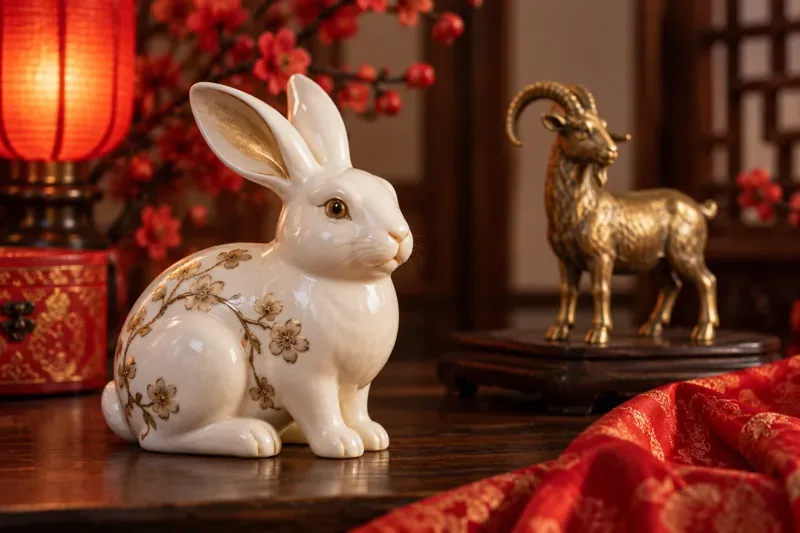
The Chinese Water Rabbit refers to people born in the Rabbit year paired with the Water element in the traditional 60-year cycle. The most recent Water Rabbit years are 1963 and 2023. Because the zodiac year begins at Lunar New Year rather than January 1, the exact start and end dates matter: the 1963 cycle began January 25, 1963, and the 2023 cycle began January 22, 2023. People born before those boundaries belong to the preceding sign under the customary lunar-year convention.
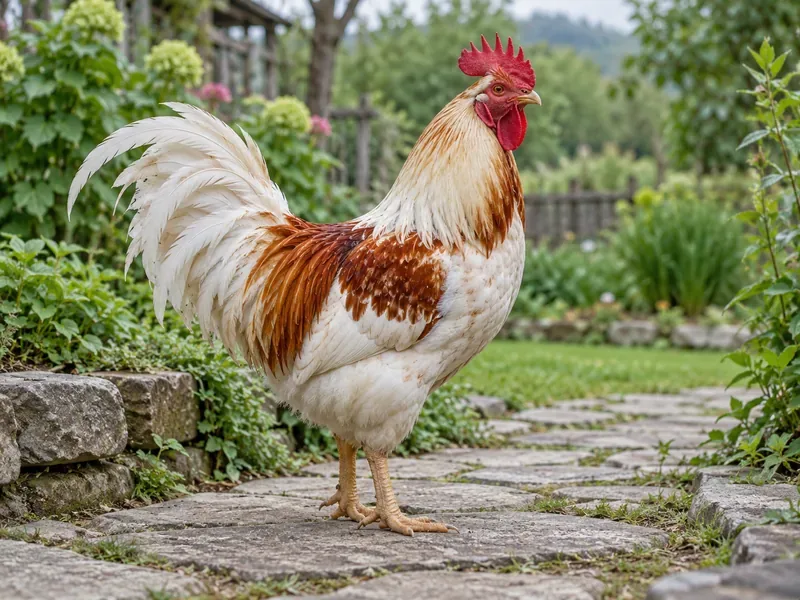
A rabbit in a quiet green clearing reflects the gentle and observant qualities traditionally associated with the Rabbit sign.
In Chinese zodiac traditions, the Rabbit is often linked with tact, sensitivity, and a preference for peaceful surroundings. Water is traditionally associated with adaptability, intuition, and emotional awareness. These are symbolic interpretations, not established personality facts or scientific predictions. Use them as a cultural lens or a prompt for reflection—not as a fixed description of every person born in these years.
Which years are Water Rabbit years?
The Rabbit returns every 12 years, while the same animal-element pairing returns every 60 years. The Hong Kong Observatory’s Gregorian-lunar conversion tables identify 1963 as Gui-mao, the Rabbit year; the Smithsonian identifies 2023 as the Year of the Water Rabbit. The recurring Water Rabbit years include:
January 25, 1963–February 12, 1964: the traditional Water Rabbit year, with the lunar year beginning in 1963.
January 22, 2023–February 9, 2024: the most recent Water Rabbit year, beginning at Lunar New Year in 2023.
Dates are based on the commonly used Lunar New Year boundary. Some Chinese astrology practices, including certain BaZi calculations, use the solar term Li Chun instead; if a birthday falls close to the transition, the result can differ by method. Practical check: use the date and the convention required by the chart you are consulting, rather than assigning a sign from the Gregorian year alone.
What does Water add to the Rabbit sign?
The Five Phases—often called the five elements in English—are Wood, Fire, Earth, Metal, and Water. In the traditional stem-branch calendar, one of these phases combines with an animal in a repeating 60-year cycle. Water Rabbit is commonly written 癸卯 (Gui Mao), pairing the Water heavenly stem with the Rabbit earthly branch.
In symbolic readings, Water is said to soften the Rabbit’s already diplomatic style. A Water Rabbit may be described as perceptive, thoughtful, socially aware, and able to adjust to changing circumstances. The same reading may warn of indecision, conflict avoidance, or absorbing other people’s emotions. These descriptions are inherited traditions, not traits that can be verified from a birth year.
Useful application: If the description resonates, treat it as a question rather than a diagnosis: “Do I avoid a necessary conversation?” Then choose one small, direct step. If it does not fit, there is no need to force it.
Common Water Rabbit personality themes
Strengths traditionally associated with the sign
Diplomacy: noticing different perspectives and looking for a workable compromise.
Emotional awareness: picking up on tone and social cues.
Creativity: valuing beauty, imagination, or thoughtful presentation.
Adaptability: responding to a changing situation without needing to dominate it.
Potential challenges in traditional readings
Flexibility can turn into over-accommodation, and a wish for calm can delay decisions or honest disagreement. A Water Rabbit reading may also describe sensitivity to criticism or a tendency to worry about how others feel. These are possibilities within the tradition, not assumptions about an individual.
Try this: when facing a decision, set a deadline, write down your two most important criteria, and ask one trusted person for input. That preserves thoughtfulness while limiting endless reconsideration.
Water Rabbit compatibility in love, friendship, and work
Compatibility tables are traditional systems of symbolic matching, and their rules can vary across sources and methods. They cannot reliably predict whether two people will build a good relationship. Some popular charts emphasize particular pairings or difficult combinations, but a birth-year match alone does not account for values, communication, life circumstances, or the fuller charts used in more detailed traditions.
For a Water Rabbit in love, the symbolic strengths are empathy and consideration. The practical risk is expecting a partner to infer needs without discussing them. State preferences clearly and look for mutual respect, accountability, and shared goals. In friendship, calm and attentive listening can support trust; boundaries help prevent one-sided emotional labor. In work, diplomacy can help a team navigate disagreement, while clear roles and deadlines make sure consensus leads to action.
Better compatibility test: notice how both people handle a disagreement, keep commitments, and make room for each other’s needs. Those observable behaviors tell you more than an animal-sign pairing.
Career and money themes
Traditional Water Rabbit descriptions tend to favor work that rewards judgment, communication, creativity, and cooperation. Depending on a person’s skills and interests, that could include design, research, writing, client service, education, or collaborative roles—but the zodiac cannot determine a suitable occupation. The more useful decision criteria are training, working conditions, salary, growth opportunities, and the kind of tasks you can sustain.
For money, symbolic readings sometimes connect Water with flexibility and resourcefulness. That is not a forecast of wealth. Make financial choices using a budget, risk tolerance, time horizon, and reliable information. Before investing or taking on debt, consider what happens if income falls or the expected return does not arrive. For major decisions, consult qualified advice where appropriate.
Luck and traditional symbols
“Lucky” colors, numbers, directions, or dates may appear in popular zodiac material, but the lists are not universal and cannot guarantee outcomes. A particular almanac or practitioner may use a specific method, while another may differ. This guide does not assign a single set of lucky numbers or promise favorable events.
If a symbol has personal or family meaning, enjoy it as part of cultural practice. For consequential choices—signing a contract, choosing a treatment, changing jobs—check the practical facts first. A culturally meaningful date can be selected after the decision is sound, not used as evidence that it will succeed.
2027 outlook for Water Rabbit readers
2027 is traditionally the Year of the Fire Goat (also called Sheep or Ram); it begins on February 6, 2027 under the Lunar New Year convention. Any Rabbit forecast for that year is a cultural or entertainment interpretation, not a verified event prediction. Rather than claim that a particular month guarantees luck, consider the Goat’s traditional associations with cooperation and sensitivity as a prompt to keep relationships and plans balanced.
Relationships: practice direct, kind communication; do not mistake keeping the peace for resolving an issue.
Career: use collaboration to move a project forward, but confirm who owns each task and deadline.
Money: avoid commitments based only on a lucky-year promise; compare costs, risks, and alternatives.
Well-being: rely on ordinary preventive care and professional advice rather than zodiac health predictions.
The International Dunhuang Programme at the British Library explains the 12-animal and 60-year stem-branch cycles and notes that zodiac horoscopes are commonly treated as light-hearted cultural material. The Smithsonian identifies 2023 as the Year of the Water Rabbit. For birth-year boundaries, consult the Hong Kong Observatory’s official conversion tables for 1963 and 1964, plus its January 2023 lunar calendar and February 2024 lunar calendar. Read the British Library’s Chinese astronomy and astrology overview and the Smithsonian’s Year of the Rabbit feature for cultural context.