Home
» Horoscope
»
Chinese Zodiac Signs Explained: The 12 Animals, Five Elements, Birth Years, and Compatibility
Chinese Zodiac Signs Explained: The 12 Animals, Five Elements, Birth Years, and Compatibility
If you were born in January or February, your Chinese zodiac animal may not match the Gregorian birth year printed on your calendar. The traditional animal year turns over at Lunar New Year, whose date changes annually. To find your sign, first check the Lunar New Year date for your birth year, then identify the animal and element attached to that lunar year. The chart below gives a quick reference, explains the 12 animal symbols and five elements, and summarizes a commonly used compatibility tradition. These associations are cultural beliefs, not scientifically established personality tests or guarantees about relationships.
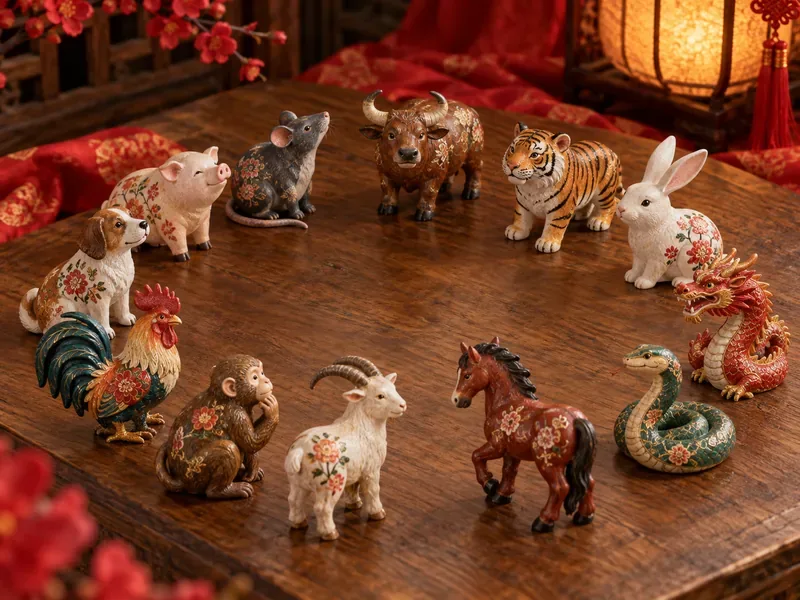
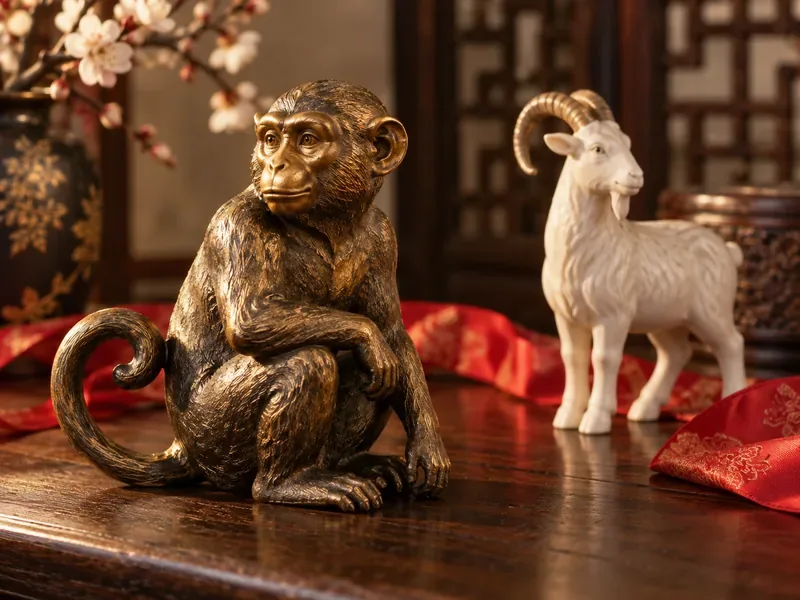
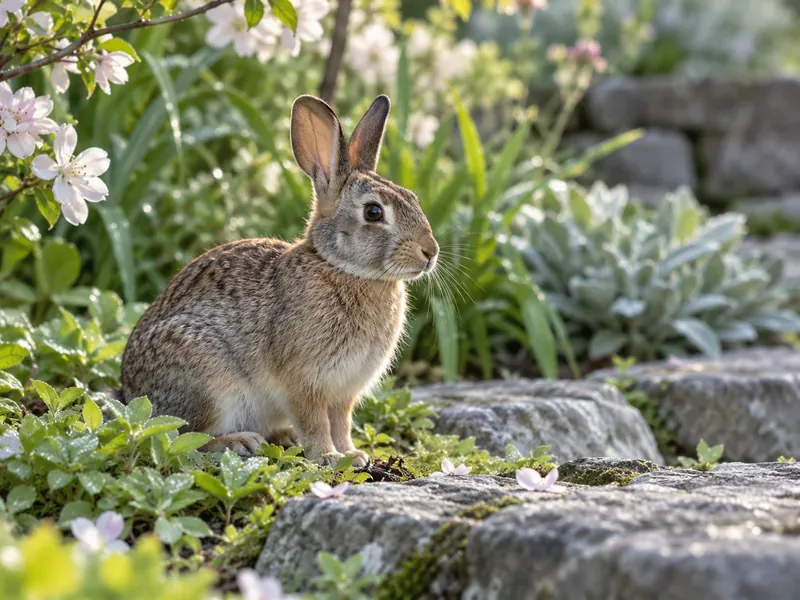
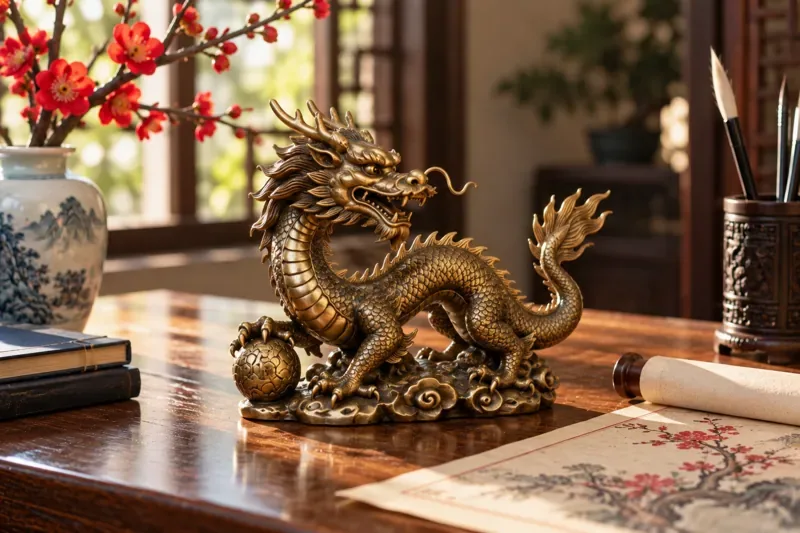
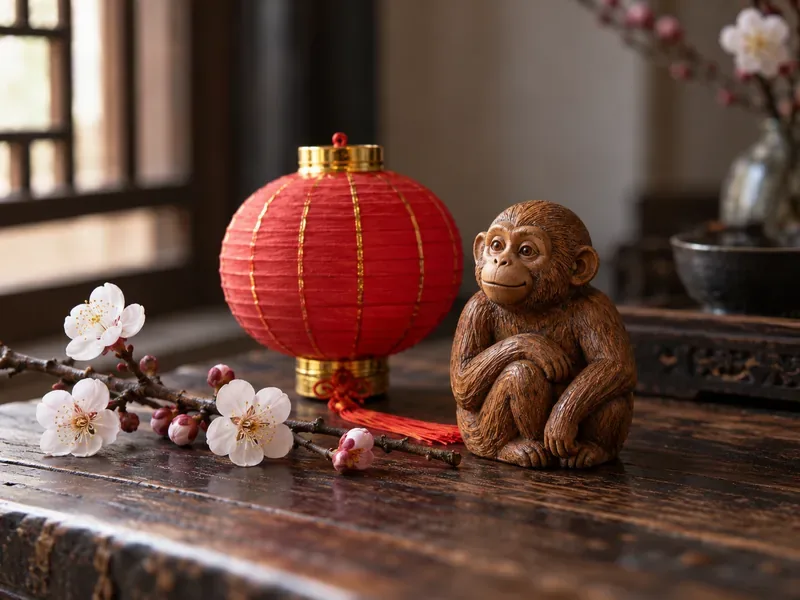
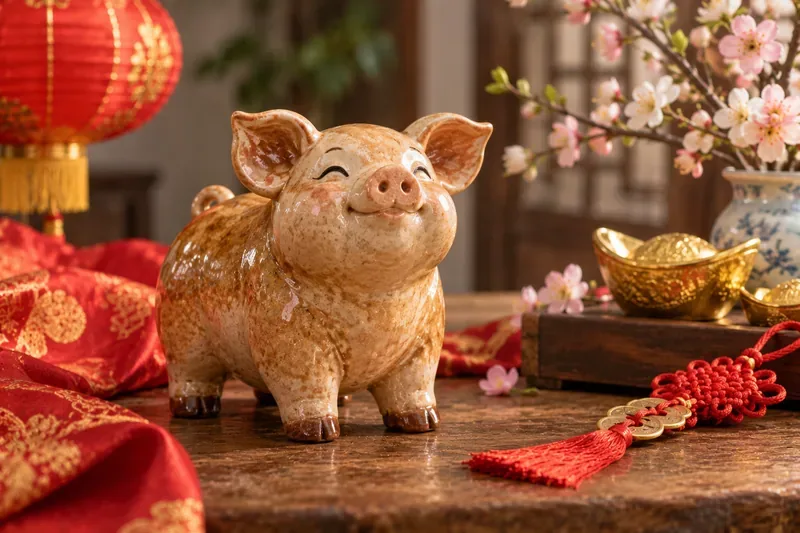
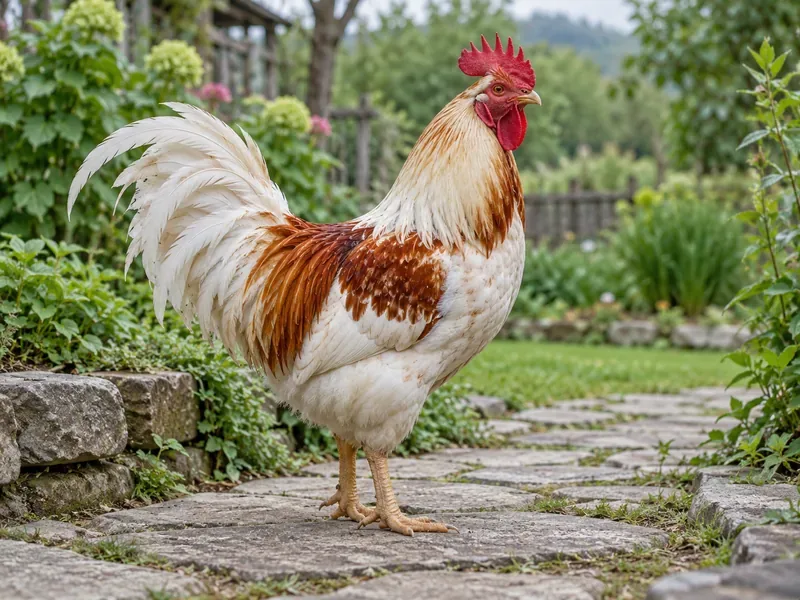
Hand-painted figures represent the twelve animals in the repeating Chinese zodiac cycle.
How to find your Chinese zodiac sign
Start with your full birth date. The birth year alone is not enough if your birthday falls near Lunar New Year.
Look up Lunar New Year in that Gregorian year. If you were born before that date, use the previous zodiac year. If you were born on or after it, use the new year’s animal.
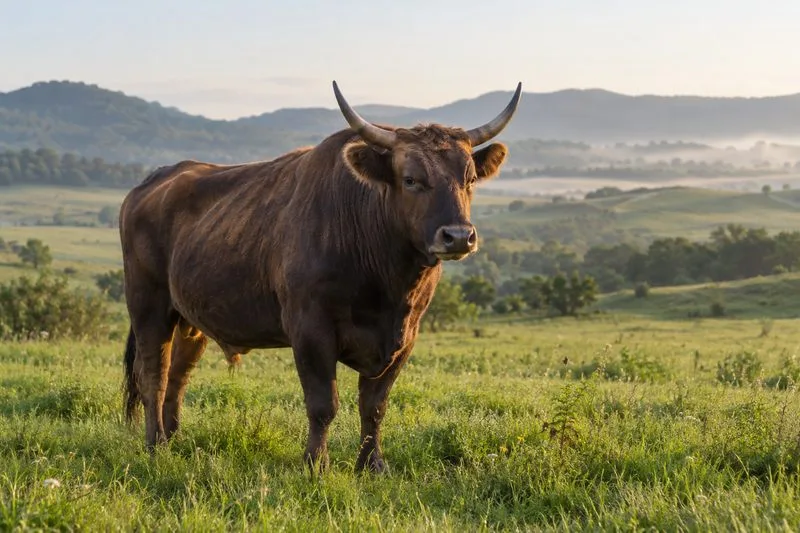
Identify the animal. The animals follow a repeating 12-year order: Rat, Ox, Tiger, Rabbit, Dragon, Snake, Horse, Goat, Monkey, Rooster, Dog, and Pig.
Add the element if you want the fuller traditional label. The animal and element together form one of 60 combinations.
For example, Lunar New Year in 2027 falls on February 6, according to the Hong Kong government’s published calendar. In the popular Lunar New Year convention used here, someone born on February 5, 2027, belongs to the previous zodiac year; someone born on February 6 belongs to the new one. Some Four Pillars or BaZi readings use the solar term Start of Spring (Lìchūn) as a year boundary instead. If you are comparing two calculators, check which convention each one follows.
The 12 Chinese zodiac animals and sample birth years
Each animal returns every 12 years. The years below are Gregorian year labels; for a birthday in January or early February, verify the Lunar New Year cutoff before using the row. The trait words summarize common traditional associations, not fixed descriptions of everyone born in that year.
Animal
Recent example years
Traditional personality themes
Rat
1984, 1996, 2008, 2020, 2032
Resourceful, observant, adaptable
Ox
1985, 1997, 2009, 2021, 2033
Steady, patient, dependable
Tiger
1986, 1998, 2010, 2022, 2034
Bold, independent, protective
Rabbit
1987, 1999, 2011, 2023, 2035
Diplomatic, considerate, careful
Dragon
1988, 2000, 2012, 2024, 2036
Confident, energetic, ambitious
Snake
1989, 2001, 2013, 2025, 2037
Thoughtful, perceptive, composed
Horse
1990, 2002, 2014, 2026, 2038
Active, sociable, freedom-loving
Goat
1991, 2003, 2015, 2027, 2039
Gentle, creative, community-minded
Monkey
1992, 2004, 2016, 2028, 2040
Curious, inventive, quick-witted
Rooster
1993, 2005, 2017, 2029, 2041
Precise, candid, organized
Dog
1994, 2006, 2018, 2030, 2042
Loyal, principled, protective
Pig
1995, 2007, 2019, 2031, 2043
Generous, sociable, straightforward
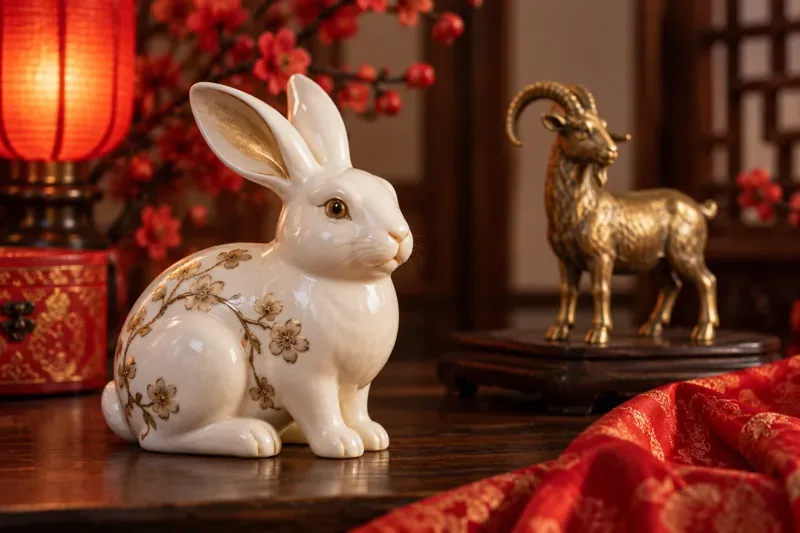
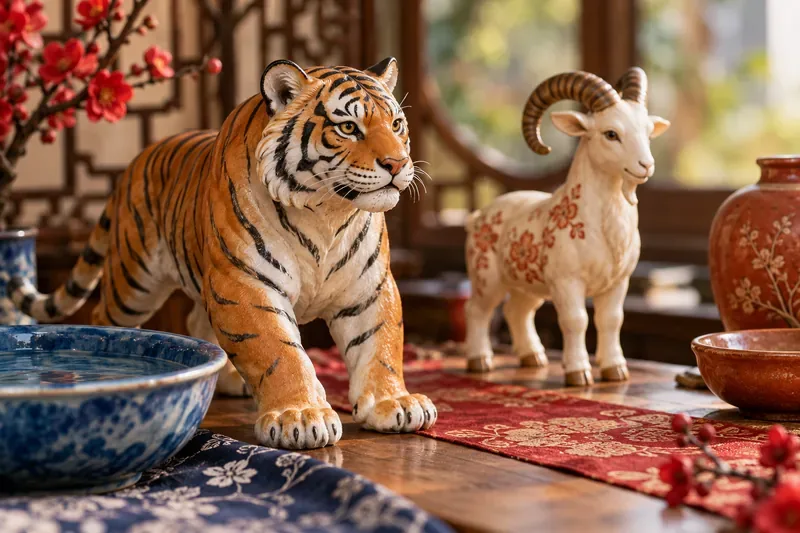
Goat is the most common English name in many modern guides. Sheep and Ram are also used for the same zodiac animal; the label does not indicate a different sign. Animal descriptions vary across texts and communities, so use them as a cultural vocabulary rather than a diagnosis.
What do the five elements add?
The five traditional elements, often called phases, are Wood, Fire, Earth, Metal, and Water. They are part of a broader Chinese cosmological framework. In the sexagenary cycle, the 12 animals combine with a sequence of ten heavenly stems, associated with the elements and yin-yang polarity, to create a 60-year cycle. This is why two people with the same animal sign can have different element labels.
Element
Common symbolic themes
Gregorian year endings often used as a quick guide
Wood
Growth, flexibility, cooperation
4 or 5
Fire
Energy, visibility, initiative
6 or 7
Earth
Stability, practicality, cultivation
8 or 9
Metal
Structure, resolve, refinement
0 or 1
Water
Adaptability, reflection, communication
2 or 3
The ending-digit method is a quick traditional shorthand based on the year stem; it does not replace checking the Lunar New Year boundary. For instance, 2027 is traditionally the Fire Goat year: the lunar year begins on February 6, and the stem-branch combination is Ding-Wei. Treat elemental meanings as symbolic associations. They are not measured personality traits or scientific predictions.
How Chinese zodiac compatibility is traditionally read
A common first-pass chart groups the animals into four three-sign “trines.” Within this framework, animals in the same group are described as having complementary temperaments or aims:
Rat, Dragon, Monkey
Ox, Snake, Rooster
Tiger, Horse, Dog
Rabbit, Goat, Pig
Some compatibility systems also consider paired harmonies, clashes, the five elements, yin and yang, and more than the birth-year animal. Results can therefore differ by school or by how much of a birth chart is included. The Metropolitan Museum of Art describes the animal cycle and its traditional personality associations; Wake Forest University’s Lam Museum of Anthropology notes that zodiac compatibility and incompatibility developed as part of the tradition. Neither source establishes that a sign can predict how a real relationship will work.
For a practical reading, use compatibility as a conversation starter: Which habits help each person feel heard? How do they handle conflict, time, money, and shared responsibilities? A symbolic match cannot replace observing those behaviors, communicating clearly, and setting boundaries.
What the zodiac can—and cannot—tell you
The zodiac is useful for cultural learning, family stories, holiday traditions, and symbolic reflection. A sign may prompt someone to think about patience, confidence, or flexibility. It cannot establish a person’s character from a birth date alone, determine career ability, diagnose health, or guarantee a romantic or financial outcome. Individual beliefs also vary; not everyone in Chinese or East Asian communities treats zodiac readings as literal guidance.
2027 context: the Fire Goat year
The Hong Kong government lists Lunar New Year’s Day in 2027 as February 6. In the traditional animal-element cycle, that lunar year is the Fire Goat year. This calendar label is more reliable than broad predictions about what every person will experience. If you read a 2027 horoscope, treat any themes about love, work, money, or health as entertainment or reflection—not as a basis for major decisions. Compare predictions with your actual circumstances, and use ordinary evidence and qualified advice for financial, medical, and relationship choices.
Quick self-check before you use a zodiac chart
Did I use the Lunar New Year date for my birth year instead of assuming January 1?
Does the chart explain whether it uses Lunar New Year or the Start of Spring boundary?
Did I distinguish the animal sign from the year’s element?
Am I reading personality and compatibility descriptions as traditional beliefs rather than facts about an individual?
Would I make the same important decision after considering real-world information and speaking with the people involved?
If you can answer yes to the first four questions and the final decision rests on evidence beyond a horoscope, you are using the Chinese zodiac as a cultural reference without asking it to do more than it can.
Related guides to link internally: Chinese zodiac birth years; the five elements in Chinese astrology; the 12 animal signs; Chinese zodiac compatibility; the 2027 Fire Goat year.