Imagine powering up your computer, only to be greeted by a cryptic message in the event logs: "The System Has Hibernated". It's frustrating, especially when it disrupts your workflow or signals deeper issues with your PC's power management. Don't worry—this common Windows error doesn't have to derail your day. In this guide, we'll dive straight into troubleshooting "The System Has Hibernated" error log with practical, actionable steps. By the end, you'll have your system running smoothly again, feeling empowered and in control. Let's get started! 🚀
What Does the "The System Has Hibernated" Error Mean?
The "The System Has Hibernated" entry typically appears in the Windows Event Viewer under System logs (Event ID 42 from the Kernel-Power source). It indicates that your computer entered hibernation mode—a power-saving state where the system saves everything to the hard drive and powers off most components. This is normal behavior if you've configured it, but when it's unexpected or frequent, it points to problems like unstable power supply, overheating, or driver conflicts.
According to Microsoft's latest documentation on power management (as of 2026 updates), this log isn't always an error—it's more of a status update. However, if it's paired with crashes, freezes, or boot failures, it's time to act. Understanding this helps demystify the issue and sets the stage for effective fixes. Ready to troubleshoot? Let's break it down step by step.
Step 1: Check Your Event Logs for Clues
Before diving into fixes, pinpoint the problem. Open Event Viewer by pressing Windows key + R, typing eventvwr, and hitting Enter. Navigate to Windows Logs > System, then filter for Event ID 42.
- Look for patterns: Does it happen after sleep, during heavy tasks, or randomly?
- Check timestamps: Correlate with recent changes like new hardware or updates.
- Scan for related errors: Events like ID 41 (unexpected shutdown) often tag along.
This initial check builds a clear picture, making your troubleshooting targeted and efficient. If you're seeing this error repeatedly, it's a sign your power settings or hardware needs attention.
Step 2: Verify Power Settings and Update Drivers
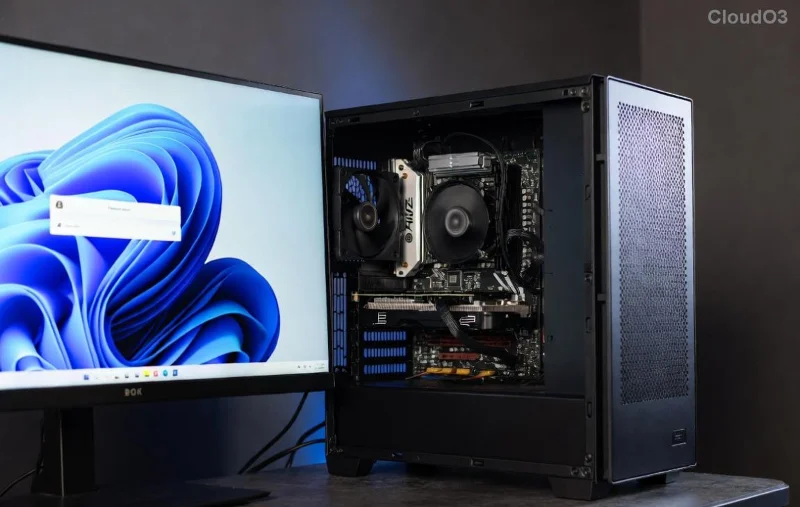
Misconfigured power plans are a top culprit for unwanted hibernation. Head to Settings > System > Power & sleep (or search for "Power Options" in the Start menu). Ensure hibernation is enabled only if you want it—toggle it off via Command Prompt with powercfg /hibernate off if needed.
Outdated drivers, especially for graphics or chipset, can trigger this error. Update them through Device Manager or your manufacturer's tool (e.g., GeForce Experience for NVIDIA). For the latest Windows 11/10 stability, run Windows Update to grab the most recent power management patches.
| Common Driver to Update |
Why It Matters |
How to Update |
| Graphics Driver |
Handles power states during idle |
Device Manager > Display adapters > Right-click > Update |
| Chipset Driver |
Manages system power transitions |
Manufacturer site (e.g., Intel/AMD download page) |
| BIOS/UEFI Firmware |
Controls low-level power features |
PC maker's support page—update cautiously! |
These tweaks often resolve the issue without deeper intervention. Test your system after changes; if the error persists, we're onto the next steps. You're making great progress—keep going!
Step 3: Diagnose Hardware Issues
Hardware glitches can force hibernation as a safety measure. Start with the basics:
- 👆 Power Supply Check: Ensure your PSU meets your system's needs. Use tools like HWMonitor to monitor voltage stability.
- Overheating Scan: Run a stress test with Prime95 or FurMark. Clean dust from fans and reapply thermal paste if temps exceed 80°C.
- RAM Test: Faulty memory can cause instability. Boot into Windows Memory Diagnostic (search in Start menu) for a quick scan.
If you're on a laptop, inspect the battery health via powercfg /batteryreport in Command Prompt. For desktops, reseat components like RAM and GPU to rule out loose connections.
![Hardware diagnostic tools checking system temperatures and power]()
Addressing hardware early prevents escalation. Many users report full resolution after a simple clean or reseat—imagine the relief of a stable, quiet PC!
Step 4: Advanced Fixes for Persistent Errors
If basic steps don't cut it, go deeper. Run the System File Checker with sfc /scannow in an elevated Command Prompt to repair corrupted files. Follow up with DISM /Online /Cleanup-Image /RestoreHealth for a thorough system health check.
For power-related woes, reset power plans: powercfg -restoredefaultschemes. If hibernation files are corrupted (hiberfil.sys on your C: drive), disable and re-enable hibernation to rebuild them.
Pro Tip: If you're dealing with a recent Windows update causing this, check for rollbacks or known issues on Microsoft Support. Their forums are goldmines for user-tested solutions.
Preventing Future "The System Has Hibernated" Errors
Once fixed, prevention is key. Schedule regular maintenance: Update drivers monthly, monitor temps with software like Core Temp, and avoid overloading your PSU. Customize power plans for your usage—longer idle times for desktops, balanced for laptops.
Consider enabling Fast Startup (in Power Options) for quicker boots, but disable if it conflicts with hibernation. By staying proactive, you'll minimize logs cluttering your Event Viewer and enjoy a more reliable system.
Final Thoughts: Reclaim Your PC's Stability
Congratulations on tackling the "The System Has Hibernated" error head-on! With these steps, you've armed yourself against power hiccups and ensured smoother sailing. If issues linger, professional diagnostics might be next— but most cases resolve here. Your PC thanks you, and so do we for sticking with it. Got questions or a success story? Drop a comment below—we're here to help. Stay powered up! 💪