Imagine turning complex software processes into simple, shareable guides without needing fancy editing software. That's the magic of Windows 11 Steps Recorder, a built-in tool that's perfect for anyone creating tutorials. Whether you're a teacher, IT pro, or hobbyist, this feature—also known as Problem Steps Recorder (PSR)—captures your screen actions with screenshots and annotations, making it a breeze to explain steps. In this guide, we'll dive into how to use Windows 11 Steps Recorder for tutorials, so you can produce polished content that keeps your audience hooked. Let's get started! 😊
What is Windows 11 Steps Recorder and Why Use It for Tutorials?
Windows 11 Steps Recorder is a lightweight, native tool in Windows that records your on-screen actions as a series of images with text descriptions. Unlike full video recorders, it focuses on step-by-step snapshots, which are ideal for creating tutorials because they're easy to read, lightweight to share, and don't require playback software. It's been a staple since Windows 7, but in the latest Windows 11 updates, it remains reliable and user-friendly.
Why choose it? It's free, no downloads needed, and produces files (MHTML format) that open in any browser. Perfect for troubleshooting guides, how-tos, or training materials. Plus, it adds automatic comments like "Clicked on [button]" to make your tutorials crystal clear. Ready to unlock its potential? Let's explore the setup.
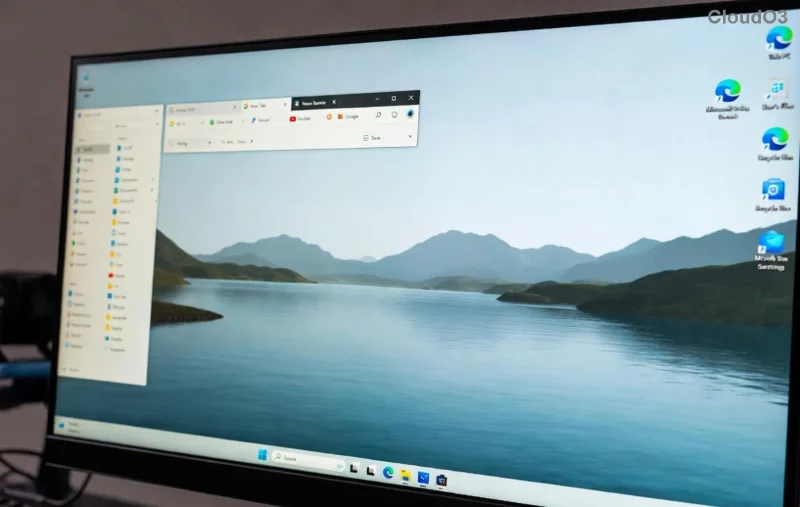
Step-by-Step: How to Launch and Use Windows 11 Steps Recorder
Getting started is as simple as a quick search. Follow these steps to fire up the tool and begin recording tutorials like a pro.
- 1️⃣ Open the Tool: Press the Windows key, type "Steps Recorder", and hit Enter. Or, search for "PSR" in the Start menu. The app window pops up with options to start recording.
- 2️⃣ Start Recording: Click "Start Record". A small toolbar appears—minimize it if needed. Now, perform the actions you want to tutorialize, like navigating apps or settings.
- 3️⃣ Add Annotations: While recording, right-click the toolbar to add comments. This is gold for tutorials—explain why a step matters, e.g., "This boosts performance!"
- 4️⃣ Pause and Stop: Use the pause button for breaks, then hit "Stop Record" when done. The tool saves everything automatically as "steps.html" on your desktop.
Pro tip: If you're on a touch device, it works seamlessly too. The output file is an interactive HTML document—click through steps to see screenshots expand. This keeps your Windows 11 tutorials engaging without overwhelming file sizes.
Customizing Your Recordings for Professional Tutorials
To elevate your Steps Recorder output from basic to brilliant, tweak settings before hitting record. In the main window, click "Settings" to adjust:
- Number of screenshots: Default is every action, but limit to 100 for longer tutorials to avoid clutter.
- Enable/disable mouse pointer highlighting: Great for pointing out clicks in visual guides.
- Choose save location: Default to Documents for easy access.
For creating tutorials, experiment with these. Record a sample process, like setting up email in Outlook, and review the file. Edit the MHTML in Notepad if needed—add bold text or links for extra flair. This customization ensures your guides feel personal and helpful, encouraging readers to follow along.
Real-World Examples: Using Steps Recorder for Different Tutorials
Let's apply this to scenarios you'll love. Suppose you're teaching a friend to update drivers:
| Step |
Action in Steps Recorder |
Tutorial Tip |
| 1. Open Device Manager |
Record search and click |
Add comment: "Search 'Device Manager' in Start menu" |
| 2. Right-click device |
Highlight with annotation |
Explain: "Select 'Update driver' to fix issues" |
| 3. Choose search method |
Pause for emphasis |
Tip: "Automatic search is safest for beginners" |
This table-style breakdown mirrors what Steps Recorder generates, making it easy to replicate. For software demos, like Excel shortcuts, the tool captures keystrokes perfectly. Share via email or embed in blogs—viewers appreciate the clarity, reducing support queries. 🚀
![Example output from Windows 11 Steps Recorder tutorial]()
Tips and Tricks to Make Your Tutorials Shine with Steps Recorder
To keep readers glued, optimize your Windows 11 Steps Recorder workflow:
- Keep It Concise: Aim for 10-15 steps per tutorial. Long recordings can overwhelm—split into parts if needed.
- Enhance Readability: After recording, open the MHTML in Edge and add headings or colors using browser dev tools. It's a quick hack for pro looks.
- Combine with Other Tools: Pair with Snipping Tool for extra images. For video fans, export steps to PowerPoint for narrated versions.
- Troubleshoot Common Issues: If recordings fail, ensure UAC isn't blocking—run as admin. On multi-monitor setups, select the right screen in settings.
These tweaks transform raw recordings into must-read tutorials. Imagine the satisfaction of feedback like "This guide saved my day!"—that's the reward of using this underrated gem.
Sharing and Best Practices for Your Steps Recorder Tutorials
Once created, sharing is effortless. Email the MHTML file, upload to OneDrive, or convert to PDF using online tools. For websites, embed the HTML directly—it's responsive on mobile too.
Best practices? Always test on another device to ensure screenshots render well. Add a cover note: "Follow these steps in order for best results." This builds trust and keeps engagement high. If you're diving deeper into Windows tools, explore built-in features like the Snipping Tool next—it's a natural companion for richer tutorials.
With Windows 11 Steps Recorder, you're equipped to create impactful guides that educate and inspire. Start recording today, and watch your tutorials come alive. Got a favorite use case? Share in the comments below—we'd love to hear! 👏
For more on Windows features, check out Microsoft's official documentation: Steps Recorder Guide.