Are you tired of frustrating lag and low frame rates ruining your gaming sessions? Imagine diving into your favorite titles with buttery-smooth better gaming FPS that keeps you immersed and ahead of the competition. Windows 11 is packed with powerful features to elevate your gaming experience, but getting the most out of it requires smart setup. In this guide, we'll walk you through proven steps to optimize Windows 11 for gaming, helping you squeeze every bit of performance from your PC. Let's turn your rig into a gaming beast! 🚀
Why Windows 11 is a Gamer's Dream (When Optimized Right)
Windows 11 brings cutting-edge tech like DirectStorage for faster load times and Auto HDR for stunning visuals. But out-of-the-box settings can sometimes throttle your gaming FPS, especially if you're on mid-range hardware. The good news? Simple tweaks can deliver noticeable boosts—up to 20-30% in some cases—without breaking the bank. We'll focus on actionable steps that prioritize Windows 11 gaming setup for maximum impact. Stick around; by the end, you'll be gaming like a pro.
Step 1: Update Windows 11 and Drivers for Peak Performance
Start with the basics—nothing tanks better gaming FPS like outdated software. Head to Settings > Windows Update and click "Check for updates." Install everything, including optional ones for gaming improvements. Windows 11's latest updates refine CPU scheduling and GPU handling, ensuring your games run efficiently.
Next, drivers are your secret weapon. Use the built-in Device Manager or download the latest from official sources:
- Graphics Drivers: For NVIDIA, grab GeForce Experience; AMD users, use Radeon Software; Intel, the Arc Control app. These include game-ready optimizations that can spike your FPS in titles like Cyberpunk 2077.
- Chipset and Audio Drivers: Update via your motherboard manufacturer's site (e.g., ASUS, MSI) to avoid compatibility hiccups.
Pro Tip: Enable automatic updates in these tools to stay ahead. This alone can increase FPS on Windows 11 by resolving bottlenecks you didn't even know existed. Feeling empowered yet? Let's keep the momentum going!
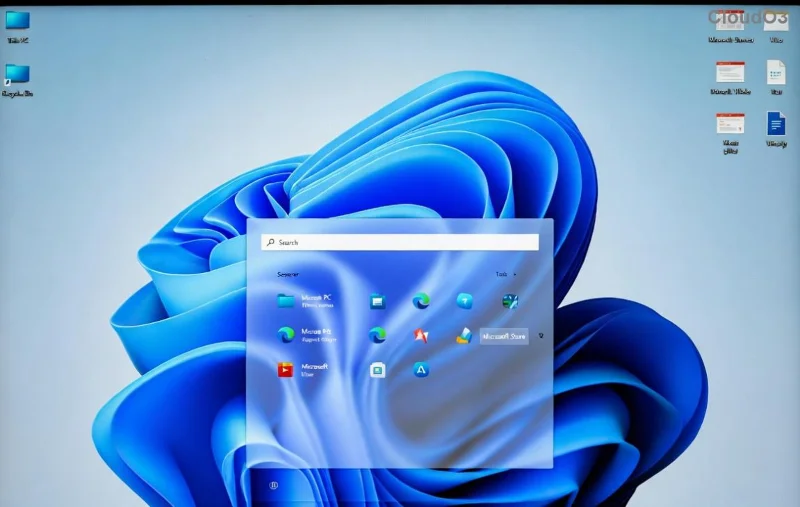
Step 2: Enable Game Mode and Optimize Power Settings
Windows 11's Game Mode is a game-changer—it prioritizes your games by suspending background tasks like notifications and updates. To turn it on:
- Go to Settings > Gaming > Game Mode.
- Toggle it to "On."
- For extra oomph, open Game Bar (Win + G) during play and ensure Performance widgets are active.
Power settings are crucial too. Laptops and desktops often default to balanced modes that cap performance. Switch to High Performance:
| Setting |
How to Access |
Gaming Benefit |
| Power Plan |
Settings > System > Power & Battery > Power Mode |
Unlocks full CPU/GPU speed for higher FPS |
| Ultimate Performance |
Search "Power Options" in Start Menu |
Reduces latency in demanding games |
| Disable Sleep/Hibernation |
Power Options > Change Plan Settings |
Prevents interruptions during long sessions |
These tweaks ensure your system doesn't throttle during intense moments, giving you that edge in competitive play. Imagine nailing those headshots without stutter—pure bliss! 😎
Step 3: Tweak Visual Effects and Storage for Snappier Gameplay
Windows 11's fancy animations look great but eat into gaming performance. Dial them back:
- Search for "Performance Options" in the Start Menu.
- Select "Adjust for best performance" or customize to keep essentials like font smoothing.
- In Settings > System > About > Advanced System Settings, prioritize performance over appearance.
Storage matters big time. Enable DirectStorage for lightning-fast asset loading:
- Ensure your NVMe SSD is set up (SATA HDDs won't cut it fully).
- Update your GPU drivers to support it—NVIDIA RTX 30-series and above shine here.
- Move games to SSD via Steam/Epic libraries for reduced load times and stable FPS.
Bonus: Run Storage Sense (Settings > System > Storage) to clear junk files. Your games will load faster, letting you jump in without the wait. Ready for more? We're building your ultimate setup!
![Gaming Performance Tweaks in Windows 11 Settings]()
Step 4: Manage Background Processes and Hardware Tweaks
Background apps are FPS killers. Use Task Manager (Ctrl + Shift + Esc) to end non-essentials:
- Disable startup items: Task Manager > Startup tab > Disable bloatware like OneDrive if unused.
- Limit browser tabs and antivirus scans during gaming—schedule them instead.
For hardware lovers, overclocking via tools like MSI Afterburner can push better gaming FPS, but monitor temps to avoid crashes. If you're on a budget, ensure good airflow and 16GB+ RAM—Windows 11 loves it for multitasking.
Don't forget Xbox integration: Link your account in Settings > Accounts > Windows Hello for seamless Game Pass access with optimized overlays.
Advanced Tips: Fine-Tune for Specific Games
Tailor settings per game using the Graphics Settings in Windows 11 (Settings > System > Display > Graphics). Set high-performance modes for titles like Fortnite or Valorant. For ray-tracing heavy games, enable Auto HDR (Settings > System > Display > HDR) to enhance visuals without FPS dips on compatible hardware.
If you're into esports, consider third-party tools like Razer Cortex for automated boosts. Always test with benchmarks like 3DMark to measure your increase FPS on Windows 11.
Common Pitfalls to Avoid and Final Thoughts
Steer clear of over-optimizing—too many tweaks can cause instability. Restart after changes and monitor with tools like HWMonitor. If issues persist, check for overheating or malware.
Congratulations! You've now mastered the Windows 11 gaming setup for unbeatable better gaming FPS. Your sessions will feel smoother, more responsive, and downright addictive. Dive back into your games and notice the difference—share your wins in the comments below. What's your go-to title? Let's keep the conversation going! 🎮
For more in-depth driver advice, visit NVIDIA's official site or AMD's support page.