Home
» Horoscope
»
Chinese Tiger Zodiac: Birth Years, Five Elements, Traits, Compatibility, and Luck
Chinese Tiger Zodiac: Birth Years, Five Elements, Traits, Compatibility, and Luck
Is the Tiger your Chinese zodiac sign? The Tiger is the third animal in the traditional 12-year Chinese zodiac cycle, associated with the earthly branch Yin (寅). Recent Tiger years include 1950, 1962, 1974, 1986, 1998, 2010, and 2022; the next is 2034. However, those Gregorian years are only a starting point: if your birthday falls in January or February, you must check the date of Chinese New Year before deciding your animal and element.
A striped tiger stands on a moss-covered rock in a sunlit forest, reflecting the strength and alertness traditionally associated with the Chinese Tiger zodiac.
Which years are the Year of the Tiger?
The animal sign repeats every 12 years. The combination of animal and birth-year element repeats every 60 years. For readers who already know their date is after that year's Lunar New Year, this table identifies the standard Tiger year and its corresponding element.
Why a January birthday may not be a Tiger birthday
Chinese zodiac birth years commonly start on Lunar New Year, not January 1. For example, the Water Tiger year began on February 1, 2022, so someone born January 20, 2022, belongs to the preceding Ox year under this convention. The Metal Tiger year began on February 14, 2010, and the Earth Tiger year began on January 28, 1998. The next Wood Tiger year starts on February 19, 2034.
What to do: Check the full birthday against the Hong Kong Observatory’s Gregorian–lunar calendar tables instead of relying on the four-digit birth year alone. Some Four Pillars (BaZi) schools change the year at Li Chun (Start of Spring) rather than Lunar New Year; that is a different calculation convention, not an error in the calendar. The Observatory’s calendar explanation makes this distinction.
What does the Tiger symbolize in Chinese culture?
The Tiger has long represented bravery, authority, vigilance, and protection. Historical imagery reaches well beyond birthday horoscopes: the animal appears on ancient ritual objects, military symbols, and protective household art. The Metropolitan Museum of Art’s Year of the Tiger exhibition documents these uses, while the British Museum’s account of talismanic tigers explains why tiger imagery was associated with courage and warding off danger.
In zodiac storytelling, that symbolism becomes a personality archetype. It does not establish that everyone born in a Tiger year behaves alike. Treat these descriptions as a way to reflect on tendencies, not as psychological diagnoses or predictions.
Chinese Tiger personality: strengths and blind spots
A traditional Tiger profile emphasizes initiative, self-confidence, loyalty, spontaneity, and a willingness to defend others. People who recognize themselves in that picture may enjoy making the first move, challenging stagnant routines, or taking responsibility when situations become uncertain.
The shadow side of the archetype is equally important: enthusiasm can turn into impatience; independence can make collaboration harder; and courage without preparation can become needless risk. The useful question is not “Am I destined to be impulsive?” but “Where would better pacing improve my decisions?”
At your best: pair bold ideas with a specific plan and measurable milestones.
Under pressure: ask one clarifying question before reacting to disagreement.
In teams: make room for quieter voices before committing to a direction.
In relationships: distinguish healthy personal space from avoiding difficult conversations.
The Five Elements: Wood, Fire, Earth, Metal, and Water Tigers
The Chinese Five Elements, also called Wu Xing, describe five interacting phases rather than five modern chemical elements. In the zodiac’s 60-year stem–branch cycle, a Tiger year takes one of five birth-year elements. These are year elements; they should not be confused with the Tiger earthly branch’s fixed Wood association or with the more detailed element calculations used in BaZi charts.
Wood Tiger — 1914, 1974, 2034
Traditional readings emphasize growth, vision, and collective purpose. A Wood Tiger might be depicted as an energetic organizer who wants everyone to move forward together. The practical counterbalance is to invite feedback before turning a promising concept into a commitment.
Fire Tiger — 1926, 1986, 2046
Fire is associated in traditional interpretations with visibility, passion, and strong motivation. A Fire Tiger may be portrayed as especially expressive and action-oriented. An actionable check is to build a cooling-off period into major purchases, arguments, or career decisions.
Earth Tiger — 1938, 1998, 2058
Earth is commonly read as adding steadiness, practicality, and responsibility to the Tiger’s drive. A useful focus is to preserve ambition while testing assumptions with evidence and a realistic timeline.
Metal Tiger — 1950, 2010, 2070
Metal adds themes of resolve, discipline, and clear standards in traditional interpretations. The corresponding caution is rigidity: define which principles are essential and where a compromise would lead to a better outcome.
Water Tiger — 1962, 2022, 2082
Water is associated with adaptability, listening, and flexible thinking. This interpretation balances the Tiger’s directness with sensitivity to context. A practical step is to put that flexibility to work through negotiation, learning, or mentoring.
These are cultural descriptions, not a method that can scientifically infer temperament from the year of birth. For a focused reading, connect this overview to separate Wood Tiger, Fire Tiger, Earth Tiger, Metal Tiger, and Water Tiger guides.
Tiger compatibility in love, friendship, and family
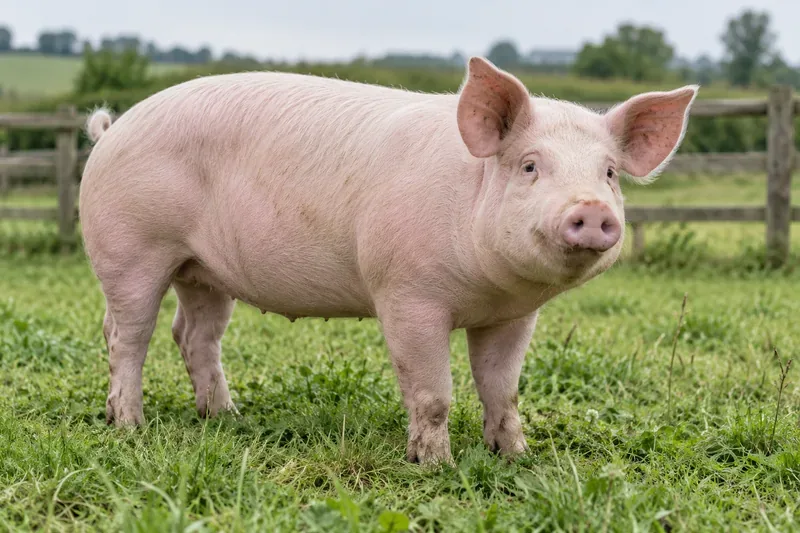
Traditional branch-based compatibility commonly places Tiger, Horse, and Dog in the same three-harmony group. It also pairs Tiger and Pig in a six-harmony relationship. The Tiger–Monkey pair is traditionally described as a clash. The animal-to-branch correspondences and Tiger–Horse–Dog grouping are reflected in the Princeton University Art Museum’s zodiac figures record.
Traditional pairing
How it is usually read
A more useful real-life test
Tiger + Horse
Shared drive and enthusiasm
Can both partners respect each other’s independence?
Tiger + Dog
Loyalty and aligned convictions
Can they disagree without making it a loyalty test?
Tiger + Pig
Complementary warmth and support
Do both people communicate needs clearly?
Tiger + Monkey
Potential rivalry or competing styles
Can they collaborate without turning differences into contests?
Common misunderstanding: a “challenging” zodiac match is not a reason to reject a person, and a “harmonious” match does not guarantee success. Communication, respect, shared values, and safety are more meaningful relationship indicators than animal signs. Read a dedicated Tiger compatibility guide for symbolic pairings, then make real decisions based on the actual relationship.
Love and relationships for the Tiger
The Tiger archetype values excitement and sincerity but can become restless when a relationship feels overly controlled. Its healthiest expression is direct communication without pressure. For dating, explain what autonomy means to you; for long-term partnerships, plan a regular conversation about shared responsibilities and individual goals. A meaningful relationship does not require two people to have matching zodiac animals.
Careers and work styles associated with the Tiger
Career astrology often associates Tigers with leadership, entrepreneurship, advocacy, competitive roles, creative production, and assignments requiring quick decisions. Those are symbolic affinities, not evidence that a Tiger will excel in a particular profession. Training, opportunity, interests, and workplace conditions matter far more.
If you enjoy the Tiger qualities of initiative and courage, apply them in ways an employer or client can evaluate: volunteer to lead a clearly scoped project, document the risks, ask teammates for input, and assess the results afterward. If you prefer quiet, technical, or supportive work, the Tiger label should not make you feel compelled to become a public-facing leader.
Money and luck: practical meaning behind the symbols
Traditional Tiger-themed lucky colors, numbers, directions, and dates vary among folk calendars and astrology schools. There is no single authoritative, scientifically validated list that makes a transaction or event more likely to succeed. Decorative tiger motifs can be meaningful expressions of identity or cultural heritage, but they cannot replace budgeting or risk management.
Try this instead: define a savings target, create an emergency buffer suited to your circumstances, and evaluate investments on their costs and risks. If you enjoy choosing an auspicious date for a celebration, treat it as a personal or family tradition rather than financial protection.
What does 2027 mean for people born in a Tiger year?
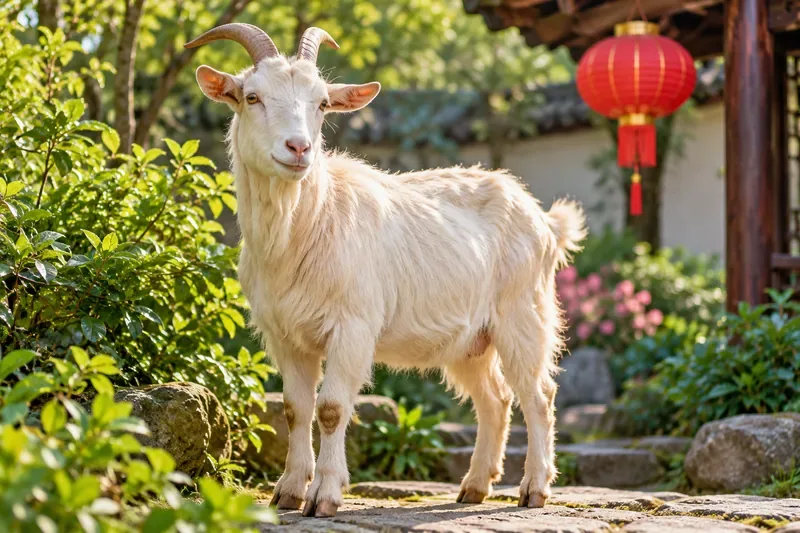
2027 is the Year of the Fire Goat (also called Sheep or Ram in English translations), beginning on February 6, 2027, according to the Hong Kong Observatory’s 2027 calendar. It is not another Tiger year. There is no verifiable evidence that a Goat year by itself causes a particular outcome for Tigers. The suggestions below are an explicitly traditional, entertainment-oriented reflection paired with practical planning—not a forecast of actual events.
Love: emphasize listening and compromise when your preferred pace differs from someone else’s. Schedule conversations rather than assuming agreement.
Career: balance a desire for decisive action with team coordination. Choose one skill or project to develop through the year.
Money: avoid treating “lucky” dates as investment signals. Review recurring expenses and keep high-risk decisions within a predetermined limit.
Health: use a consistent routine for sleep, movement, and recovery; consult a qualified clinician about medical concerns rather than relying on a horoscope.
Favorable periods: different systems propose different lucky months; no universal Tiger-specific 2027 period can be verified. Mark personal milestones and the dates that actually matter to your goals.
For more context, pair this page with a 2027 Fire Goat year overview, a 2027 Tiger horoscope, and the birth-year guide matching your element. A birth-year-only horoscope is also less detailed than a complete Four Pillars chart, and neither should be used as a guarantee.
Frequently asked questions
Is 2022 a Water Tiger year?
Yes. Under the Lunar New Year convention, the Water Tiger year began February 1, 2022. Someone born in January 2022 should check the preceding zodiac year.
Is 2034 the next Year of the Tiger?
Yes. The next Tiger year begins February 19, 2034, under the commonly used Lunar New Year boundary; its year element is Wood.
Is the Tiger always a Wood sign?
The Tiger earthly branch is traditionally associated with Wood, but each Tiger birth year also has a rotating element of Wood, Fire, Earth, Metal, or Water. These refer to different layers of the traditional system.
What is the best Chinese zodiac match for a Tiger?
Traditional readings highlight Horse and Dog in the same harmony group and Pig as a paired harmony sign. Actual compatibility depends on how two people treat each other, not their birth years.
Can I determine my Chinese zodiac from my birth year alone?
Not safely if you were born around Lunar New Year. Use your full birth date and a calendar conversion source; also specify whether you mean Lunar New Year or the Li Chun boundary used by some astrological schools.
Bottom line: use the correct calendar cutoff to identify your Tiger year and element, enjoy the symbolism on its own terms, and rely on observable behavior and informed choices for relationships, work, and money.