More UK retirees than ever are choosing Portugal for its mild climate, affordable lifestyle, high quality of life and straightforward residency pathways. This practical guide explains current visa options, realistic living costs, healthcare, tax on UK pensions and step-by-step advice to help you decide if retiring in Portugal is right for you.
🏝️ Why Portugal is Popular with UK Retirees
Portugal consistently ranks among the best countries for retirement thanks to its 300 days of sunshine each year, beautiful coastline, safe towns and welcoming attitude toward British residents. English is widely spoken in the Algarve, Lisbon and Cascais, making the transition easier for UK nationals.
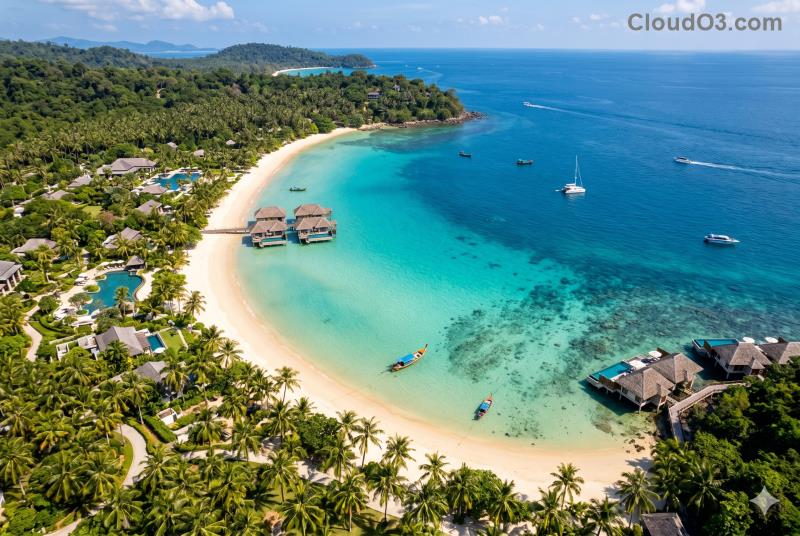
The country offers a high quality of life at a lower cost than the UK, excellent fresh food and wine, and easy flights back to Britain. Many retirees settle in the Algarve for its golf courses and beaches, while others prefer the quieter Silver Coast or vibrant cities.
Portugal also provides access to the rest of Europe with low-cost travel, making it an ideal base for active retirees who want to explore without long-haul flights.
🛂 Current Visa Options for UK Citizens
Following Brexit, UK citizens need a visa to live in Portugal long-term. The most suitable route for retirees is the D7 Passive Income Visa (also known as the Retirement Visa).
Key current requirements typically include:
- Proof of stable passive income (pension, investments, rental income)
- Minimum monthly income starting from approximately €820 for a single person (amounts updated regularly – always check current rules)
- Private health insurance meeting Portuguese standards
- Proof of accommodation in Portugal
- Clean criminal record
After five years of legal residence you can apply for permanent residency or Portuguese citizenship. The process involves applying from the UK, attending a consulate interview, then completing formalities in Portugal.
Always verify the latest information directly with the Portuguese Embassy in London or a licensed immigration advisor, as rules can change.
💰 Cost of Living in Portugal: Realistic Estimates
One of the biggest attractions is the lower cost of living compared with the UK. A couple can live comfortably on €1,600–€2,800 per month depending on location and lifestyle. Lisbon and Cascais are more expensive, while smaller towns in the Algarve or central Portugal offer better value.
| Expense |
Single Person |
Couple (Moderate Lifestyle) |
| Rent (1-2 bedroom apartment) |
€550 – €950 |
€700 – €1,300 |
| Food & groceries |
€250 – €350 |
€400 – €550 |
| Utilities (electricity, water, internet) |
€90 – €140 |
€110 – €170 |
| Healthcare & insurance |
€60 – €150 |
€120 – €250 |
| Transport & local travel |
€50 – €90 |
€80 – €140 |
| Total Monthly Estimate |
€1,000 – €1,700 |
€1,600 – €2,800 |
These figures are estimates only. Actual costs depend on your lifestyle, chosen town, property ownership versus renting, and exchange rates. Property purchase is popular – expect €180,000–€350,000 for a decent apartment in many retiree-friendly areas.

🏥 Healthcare and Insurance in Portugal
Portugal has an excellent public healthcare system (SNS). Once you become a legal resident with your NIF number and local address, you can register with a health centre and access subsidised care.
Most new retirees purchase private health insurance for the first few years to speed up access to specialists and reduce waiting times. Monthly premiums typically range from €50 to €150 per person depending on age and coverage level.
UK retirees should understand that the NHS does not cover treatment in Portugal. A comprehensive travel or expat health policy is essential until you are fully integrated into the Portuguese system. Always read policy terms carefully and seek advice from regulated insurance providers.
📌 Tax on UK Pensions and Financial Considerations
Portugal has a double taxation agreement with the UK. Many UK state pensions can be received in Portugal, and under current rules some retirees benefit from favourable tax treatment, particularly if they qualify for the Non-Habitual Resident (NHR) tax regime (check if still available under latest guidance).
Private pensions may be taxed differently. It is essential to get specialist cross-border tax advice before moving. Portugal does not charge inheritance tax between spouses or direct descendants in many cases – another attractive feature for retirees.
Important: This is not tax or financial advice. Consult a qualified cross-border tax advisor and the relevant government departments for personalised guidance based on your situation.
✅ Pros and Cons of Retiring in Portugal
| Pros |
Cons |
| ✓ Mild climate and 300+ sunny days |
✗ Bureaucracy can be slow |
| ✓ Lower cost of living than UK |
✗ Learning Portuguese helps outside tourist areas |
| ✓ High-quality fresh food and wine |
✗ Popular areas have seen rising property prices |
| ✓ Good healthcare and safety |
✗ Summers in some regions can be very hot |
| ✓ Easy flights to UK (2–3 hours) |
✗ Public transport limited outside main cities |
| ✓ English widely spoken in retiree areas |
✗ Must meet income thresholds for visa |
📋 Step-by-Step Guide to Retiring in Portugal
- Research phase – Visit Portugal for extended stays (up to 90 days visa-free) to test different areas.
- Sort your finances – Speak to a tax advisor about your UK pension and savings.
- Arrange health insurance – Obtain a policy that meets Portuguese visa requirements.
- Apply for the D7 visa – Submit documents at the Portuguese consulate in the UK.
- Move and register – Get your NIF tax number, open a Portuguese bank account, and register your residence.
- Apply for residency card – Complete SEF/AIMA formalities within the required timeframe.
Many retirees choose the Algarve for its established British community and amenities, while others prefer the quieter lifestyle in the Alentejo or near Porto.
💡 Budget Retirement Tips for Portugal
If you want to retire in Portugal on a tighter budget, consider these practical tips:
- Choose smaller inland towns such as Silves, Loulé or towns on the Silver Coast where rents are lower.
- Buy a property rather than rent to eliminate housing costs after the mortgage is paid.
- Shop at local markets and cook at home – Portuguese produce is excellent value.
- Use low-cost airlines for family visits instead of peak holiday periods.
- Learn basic Portuguese to access cheaper local services and integrate faster.
Many couples comfortably manage on €1,800–€2,200 per month in non-touristy areas while still enjoying a high standard of living.
❓ Frequently Asked Questions
1. What is the best visa for UK retirees wanting to live in Portugal?
The D7 Passive Income Visa is currently the most suitable route for people living on UK pensions or investment income. Requirements focus on stable monthly income, accommodation and health insurance.
2. How much money do I need per month to retire comfortably in Portugal?
Most UK couples live well on €1,800–€2,800 per month. Costs are significantly lower outside Lisbon and the central Algarve. Always allow a buffer for unexpected expenses.
3. Will my UK pension be taxed in Portugal?
Under the UK-Portugal double tax agreement, UK state pensions are usually taxable only in Portugal. Private pensions have different rules. Professional tax advice is strongly recommended.
4. Can I access the NHS if I retire in Portugal?
No. Once you become resident in Portugal you should register with the local health system. Private insurance is advisable during the transition period.
5. Is it easy to make friends as a British retiree in Portugal?
Yes, particularly in the Algarve and Lisbon where there are large established British communities, social clubs, and English-speaking activities.
6. Which areas are best for British retirees?
The Algarve remains the most popular due to its climate, airports and amenities. The Silver Coast (between Lisbon and Porto) offers a quieter, more affordable lifestyle with beautiful beaches.
Conclusion: Is Portugal Right for Your Retirement?
Portugal offers UK retirees an attractive combination of pleasant climate, reasonable costs, good healthcare and a straightforward residency route. While every person’s situation is different, the country continues to deliver one of the highest quality retirements available in Europe.
Ready to explore your Portugal retirement options?
Take time to visit different regions, speak with qualified immigration and tax professionals, and create a personalised plan that matches your income, health needs and lifestyle goals.
Start planning your move today – the Portuguese lifestyle could be closer than you think.
This article is for information purposes only and does not constitute legal, tax or financial advice. Rules and costs change. Always check the latest official guidance from Portuguese authorities, the UK government and licensed professionals before making any decisions.