Imagine transforming your next Microsoft Teams meeting from a monotonous monologue into dynamic, interactive sessions where every participant shines. That's the magic of Breakout Rooms in Microsoft Teams! 👏 Whether you're a teacher fostering group discussions, a manager running workshops, or a team lead sparking creativity, mastering creating Breakout Rooms in Microsoft Teams is your secret weapon for unbeatable engagement.
This step-by-step guide cuts through the clutter, delivering precise, up-to-date instructions based on the latest Microsoft Teams features. No fluff—just actionable steps to get you started in minutes. Ready to level up your meetings? Let's dive in! ⭐
Why Use Breakout Rooms in Microsoft Teams? Quick Wins for Better Meetings
Before we jump into the how-to, here's why Breakout Rooms are a game-changer:
- Boost Interaction: Small groups mean more voices heard. 😊
- Customization: Auto-assign, manual picks, or by groups—your call.
- Time-Saver: Rotate rooms, set timers, and reconvene effortlessly.
- Inclusivity: Perfect for large meetings (up to 50 rooms, 200 participants per room).
Pro tip: Use them for brainstorming, role-playing, or Q&A drills. Your attendees will thank you! Now, onto the step-by-step magic. 👆
Prerequisites: Who Can Create Breakout Rooms in Microsoft Teams?
Only meeting organizers or co-organizers with the right permissions can create rooms. Ensure:
| Requirement |
Details |
| Account Type |
Teams for work/school (not personal) |
| License |
Most plans include it; check Microsoft Docs |
| Meeting Size |
Up to 300 participants supported |
Step-by-Step: Creating Breakout Rooms in Microsoft Teams
Follow these exact steps during an ongoing Microsoft Teams meeting. (Can't create pre-meeting? Start your call first!)
Step 1: Start or Join Your Meeting
- Open Microsoft Teams desktop, web, or mobile app.
- Schedule or start an instant meeting.
- Invite participants and ensure you're the organizer.
Once everyone's in, spot the toolbar at the top. Ready? 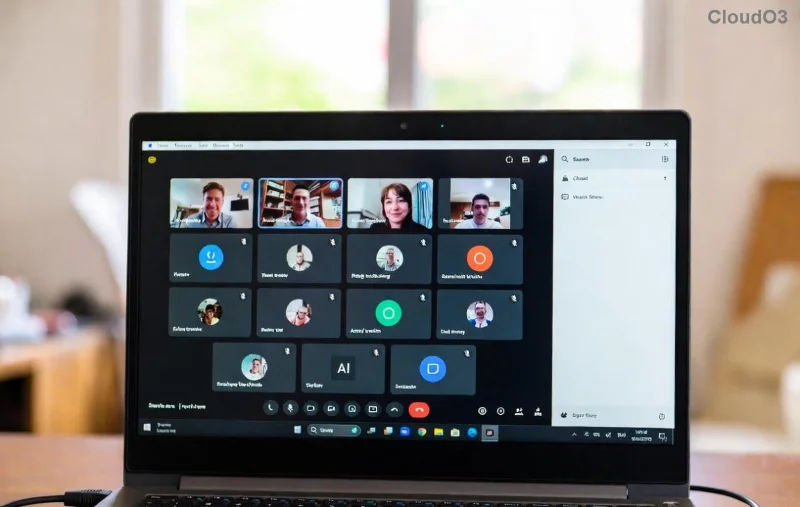
Step 2: Access the Breakout Rooms Feature
- Click the Breakout rooms icon (it looks like a grid of rooms) in the meeting toolbar. If hidden, click More actions (⋯).
- Select Create. Boom—rooms are born! 🎉
Step 3: Configure Your Rooms
Decide on number of rooms (2-50) and assignment method:
- Automatically: Teams distributes evenly.
- Manually: Drag-and-drop participants.
- From groups: Pre-defined Teams groups.
Adjust as needed. Preview looks like this: ![Breakout Rooms configuration panel in Microsoft Teams]()
Step 4: Assign Participants
- Drag names into rooms or let auto-assign handle it.
- Add yourself to a room? Check Move myself.
- Want equal sizes? Teams suggests balances. 👍
Step 5: Launch and Manage Rooms
- Hit Add room if needed, then Start.
- Participants get notified—watch them auto-join!
- Monitor from the main room with these controls:
![Breakout Rooms management dashboard in Teams]()
Step 6: Advanced Management During Breakouts
Stay in control:
| Action |
How-To |
| Send announcements |
Click Announce to breakout rooms |
| Rotate participants |
Recreate or Swap |
| Set timer |
Enable countdown in room settings |
| End all rooms |
Close rooms—everyone returns! |
Pro Tips for Microsoft Teams Breakout Rooms Success 🚀
Make your sessions unforgettable:
- Pre-Plan: Test in a practice meeting.
- Timers Rule: Set 10-15 min per room for focus. ⏰
- Mix It Up: Rotate midway for fresh perspectives.
- Permissions: Co-organizers can help manage.
- Mobile Users: Full support—everyone joins seamlessly.
- Troubleshoot: No icon? Update Teams or check licenses. 😎
Bonus: Integrate with polls or whiteboards for hybrid magic!
Common Pitfalls and Fixes
- Issue: Rooms not appearing? Fix: Desktop app preferred; restart if glitchy.
- Issue: Participants can't join? Fix: Ensure they're signed in correctly.
- Large Groups: Limit to 7-10 per room for best vibes.
Ready to Transform Your Next Meeting?
Congrats—you're now a Breakout Rooms in Microsoft Teams pro! 👏 Implement these steps today, and watch engagement soar. Got questions or a killer use case? Drop a comment below—we're all ears. Share this guide to help your network level up too!
For the official deep dive, visit Microsoft's Breakout Rooms Guide.