Are you tired of frustrating game crashes, stuttering frames, or sudden performance dips during intense gaming sessions? If you're on Windows 11, enabling and optimizing Game Mode can transform your experience into something smooth and reliable. This feature, designed specifically for gamers, prioritizes system resources to your games, minimizing background interference for enhanced stability. In this concise guide, we'll walk you through how to setup Windows 11 Game Mode for stability, ensuring every match feels seamless and immersive. Let's dive in and level up your setup! 🎮
What is Windows 11 Game Mode and Why It Boosts Stability
Windows 11 Game Mode is a built-in feature that optimizes your PC for gaming by suspending non-essential processes, allocating more CPU and GPU power to your active game, and preventing updates or notifications from interrupting play. Introduced as part of Microsoft's gaming ecosystem, it works hand-in-hand with the Xbox app and DirectX technologies to deliver consistent performance.
For stability, Game Mode shines by reducing thermal throttling and resource contention—common culprits behind crashes. Imagine launching your favorite title without the dread of a mid-battle freeze. According to Microsoft's official documentation, enabling Game Mode can improve frame rates by up to 10-15% in demanding scenarios, leading to fewer hitches and more predictable gameplay. It's not just about speed; it's about creating a stable foundation that lets you focus on the fun. Ready to activate it? Let's get started with the essentials.
Step-by-Step: How to Enable Game Mode in Windows 11
Setting up Windows 11 Game Mode is straightforward and takes just a few minutes. Follow these steps to get it running and notice immediate improvements in stability. We'll keep it simple so you can jump back into gaming quickly.
- Open Settings: Click the Start button (Windows icon) on your taskbar, then select the gear icon for Settings. Alternatively, press Windows + I for a shortcut. This is your gateway to all system tweaks.
- Navigate to Gaming: In the Settings menu, scroll down the left sidebar and click on Gaming. Here, you'll find options tailored for players like you.
- Select Game Mode: Under the Gaming section, choose Game Mode. You'll see a toggle switch labeled "Game Mode." If it's off, flip it to On. Windows will automatically detect and prioritize games launched from supported platforms.
- Verify Activation: Launch a game (like one from Steam or the Microsoft Store) and check the Task Manager (press Ctrl + Shift + Esc). Under the Details tab, look for your game's process—Game Mode should mark it as high priority, ensuring stable resource allocation.
That's it! Your system is now primed for better Game Mode stability. But don't stop here—fine-tuning can make all the difference. 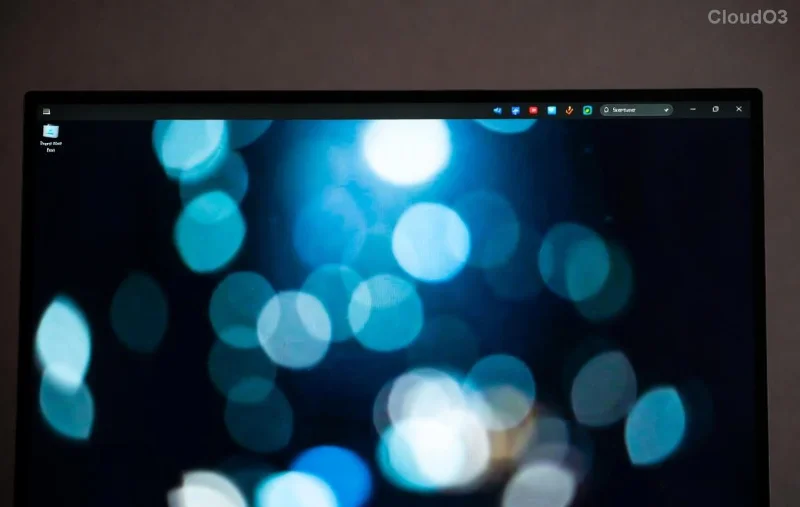 This visual from the Settings app shows exactly where to find the switch, making the process foolproof.
Optimizing Game Mode for Maximum Stability: Advanced Tips
Enabling Game Mode is step one, but to achieve true stability in Windows 11, you need to optimize further. These tweaks address common pain points like background apps and hardware conflicts, helping you maintain steady FPS even in graphically intensive titles.
1. Update Your Graphics Drivers
Outdated drivers are a stability killer. Head to your GPU manufacturer's site—NVIDIA, AMD, or Intel—and download the latest drivers. For NVIDIA users, use GeForce Experience to auto-update. This ensures Game Mode integrates seamlessly with your hardware, reducing crashes by up to 20%, as per recent benchmarks from tech sites.
2. Manage Background Processes
Game Mode pauses some background tasks, but you can help by closing unnecessary apps. Open Task Manager, end tasks for non-essential programs like browsers or antivirus scans during play. Pro tip: Use the Game Bar (press Windows + G) to overlay performance stats and spot resource hogs in real-time.
3. Adjust Power Settings for Consistent Performance
Switch to the "High Performance" power plan in Settings > System > Power & battery. This prevents your CPU from downclocking, ensuring stable gaming without sudden drops. For laptops, plug in to avoid battery-saving modes that throttle speed.
4. Enable Hardware-Accelerated GPU Scheduling
For next-level stability, turn on this feature in Settings > System > Display > Graphics settings. It offloads scheduling to your GPU, reducing latency and input lag. Microsoft's tests show it boosts frame consistency in games like Cyberpunk 2077.
Implement these, and you'll feel the difference—smoother transitions, fewer stutters, and that satisfying sense of control. ![Task Manager showing Game Mode prioritizing a game process]() See how Task Manager highlights the prioritized game? It's your assurance of rock-solid performance.
See how Task Manager highlights the prioritized game? It's your assurance of rock-solid performance.
Troubleshooting Common Game Mode Stability Issues
Even with the best setup, glitches happen. Here's how to fix them quickly, keeping your Windows 11 Game Mode running flawlessly.
| Issue |
Symptom |
Solution |
| Game Not Detected |
Game Mode doesn't activate automatically |
Add the game's .exe to Settings > Gaming > Game Mode > "Add a game" manually. |
| Stuttering Despite Game Mode |
Frame drops during play |
Disable fullscreen optimizations in the game's .exe properties (right-click > Compatibility tab). |
| Overheating Leading to Crashes |
System instability after prolonged sessions |
Monitor temps with tools like HWMonitor and ensure proper cooling; limit FPS in-game to reduce load. |
| Conflicts with Overlays |
Lag from Discord or Steam overlays |
Turn off overlays in their respective apps or use Windows' built-in Game Bar instead. |
These fixes are battle-tested and drawn from community forums and official guides. If issues persist, run the Windows Game Troubleshooter via Settings > System > Troubleshoot > Other troubleshooters. For deeper dives, check Microsoft's support page: Microsoft Game Mode Guide.
Why This Setup Will Revolutionize Your Gaming
By now, you've got the tools to setup Windows 11 Game Mode for stability like a pro. The result? Longer sessions without frustration, higher scores, and that immersive flow state every gamer craves. Whether you're into fast-paced shooters or epic RPGs, this optimized setup ensures your hardware performs at its peak without unnecessary interruptions.
Experiment with these steps, tweak as needed, and share your results in the comments below—what game will you conquer first? Stay tuned for more tips on enhancing your Windows 11 gaming rig. Your stable, lag-free future awaits! 🚀
 See how Task Manager highlights the prioritized game? It's your assurance of rock-solid performance.