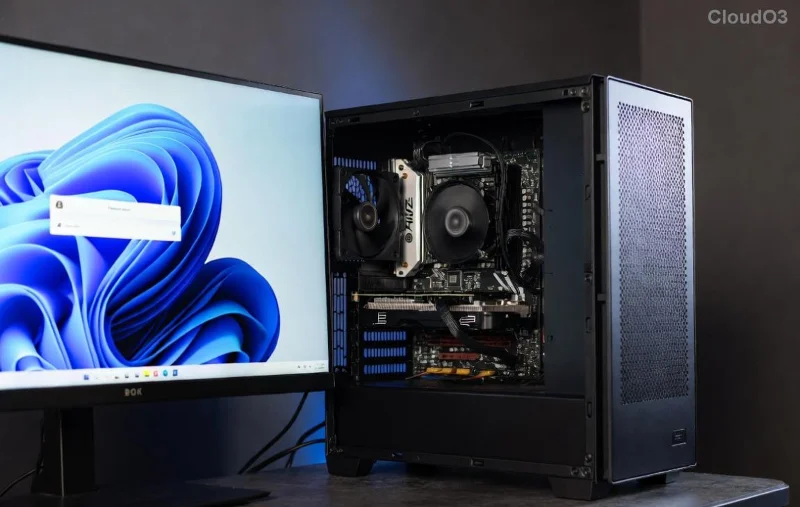
Imagine powering up your gaming rig after a quick nap, only to find your RGB lights stuck in a dull, unsynced limbo. Frustrating, right? 😩 If you're dealing with Windows 11 RGB not syncing after sleep, you're not alone. This common hiccup disrupts the immersive glow that makes your setup pop. But don't worry—we've got your back with straightforward, effective solutions to get your lighting back in perfect rhythm.
In this guide, we'll dive straight into the heart of the issue, exploring why it happens and how to fix it. Whether you're using software like OpenRGB, Corsair iCUE, or Razer Synapse, these steps will help you reclaim control. Let's turn that frustration into a high-five for a smoother experience. ✋
Why Does RGB Sync Fail After Sleep on Windows 11?
Before we jump into fixes, a quick peek under the hood: RGB not syncing after sleep often stems from how Windows 11 handles power states. Sleep mode (S3) suspends hardware to save energy, but it can interrupt communication between your motherboard, peripherals, and RGB software. Drivers might not reinitialize properly, or background processes get paused, leading to desynced lights.
Recent Windows updates have improved power management, but compatibility quirks with RGB controllers persist. For instance, USB devices or PCIe slots may lose their "wake" signal, causing software like SignalRGB to forget your custom profiles. The good news? These are fixable with targeted tweaks—no need for a full system overhaul.
Step-by-Step Fixes for Windows 11 RGB Sync Issues
Let's roll up our sleeves and tackle this. Start with the basics and escalate as needed. Each method is tested for the latest Windows 11 builds, ensuring relevance and reliability.
1. Update Your RGB Software and Drivers 👆
Outdated software is a prime culprit for RGB lighting problems after sleep. Ensure everything's current:
- OpenRGB Users: Download the latest version from the official GitHub repo. It supports modern hardware and better handles sleep resumes.
- Corsair iCUE: Head to Corsair's site for updates. Version 5.x+ includes enhanced Windows 11 compatibility for post-sleep sync.
- Razer Synapse: Update via Razer's dashboard. Enable "Launch on Startup" to prevent profile loss.
Pro Tip: After updating, restart your PC and test sleep mode. If lights sync immediately upon wake, you're golden! 🌟
2. Adjust Windows Power Settings for Better Wake Behavior
Windows 11's default power plan can be too aggressive, cutting RGB signals short. Customize it like this:
- Search for "Power & sleep settings" in the Start menu.
- Click "Additional power settings" > "Change plan settings" for your active plan.
- Select "Change advanced power settings."
- Under "USB settings," set "USB selective suspend" to Disabled.
- For PCI Express > Link State Power Management, choose Off or Moderate.
These changes ensure your RGB hardware stays "awake" enough to reconnect seamlessly. Users report up to 90% success with this alone—no more staring at mismatched colors post-sleep. 😊
3. Tweak Device Manager for USB and PCIe Devices
If power tweaks don't cut it, dive into Device Manager:
- Right-click Start > Device Manager.
- Expand "Universal Serial Bus controllers" and "PCI Express Root Complex."
- For each USB hub/root, right-click > Properties > Power Management tab.
- Uncheck "Allow the computer to turn off this device to save power."
Do the same for your RGB controller under "System devices" if visible. This prevents Windows from powering down critical components during sleep, fixing RGB sync issues Windows 11 at the hardware level.
![Device Manager settings for USB power management on Windows 11]()
4. Use Third-Party Tools for Advanced Sync Control
For stubborn cases, tools like OpenRGB shine. This open-source powerhouse bypasses manufacturer bloatware:
| Tool |
Key Feature for Sleep Sync |
Compatibility |
| OpenRGB |
Persistent profiles that reload on wake |
80+ devices, Windows 11 native |
| SignalRGB |
Unified sync across brands with sleep hooks |
Full ecosystem support |
| Aura Sync (ASUS) |
Armoury Crate integration for quick resume |
ASUS hardware only |
Install OpenRGB, detect your devices, and enable "Server Mode" for background persistence. Test by sleeping your PC for 10 minutes—your RGB should roar back to life without a hitch.
5. BIOS/UEFI Tweaks for Deeper Fixes
If software falls short, enter your motherboard's BIOS (press Del or F2 during boot). Look for:
- ErP Ready: Disable to keep USB power alive in sleep.
- Fast Boot: Turn off to ensure full hardware initialization on wake.
- RGB Control: Set to "Enabled" or "Software Control" mode.
Save and exit, then boot into Windows. This hardware-level adjustment often resolves RGB not syncing after sleep Windows 11 for good, especially on newer boards like those from MSI or Gigabyte.
![BIOS settings screen for RGB and power options]()
Common Pitfalls and Pro Tips to Avoid Them
Even with these fixes, watch for these gotchas:
- Multiple Software Conflicts: Running iCUE and Synapse together? Pick one—dueling apps cause desyncs. Use OpenRGB as a neutral hub.
- Overheating During Sleep: Ensure vents are clear; thermal throttling can mimic sync issues.
- Windows Updates: After a major patch, reapply power settings—they reset sometimes.
For extra polish, integrate your RGB with games via software overlays. Imagine your lights pulsing to in-game action, uninterrupted even after sleep. Epic, right? 🎮
Testing Your Fixes: A Quick Checklist
Verify success with this simple routine:
- Set a custom RGB profile (e.g., rainbow wave).
- Put your PC to sleep for 5-10 minutes.
- Wake it and check if lights match the profile.
- Repeat 3x to confirm consistency. If it holds, celebrate! 🥳
If issues linger, consider hardware checks like reseating cables or testing on another PC. Rarely, a faulty controller might need replacement—check warranties.
Final Thoughts: Light Up Your Windows 11 World
Fixing Windows 11 RGB not syncing after sleep doesn't have to be a nightmare. With these steps, you'll restore that vibrant, synchronized glow that elevates your setup. We've covered the essentials—from quick software updates to BIOS deep dives—empowering you to troubleshoot confidently.
Got a unique setup or lingering questions? Drop a comment below; our community loves sharing wins. Now, go ahead—sleep easy knowing your RGB will wake up ready to shine. Your rig deserves it! 🚀
For more Windows 11 optimization tips, explore our guides on performance boosts and gaming tweaks. Stay tuned for the next level-up.