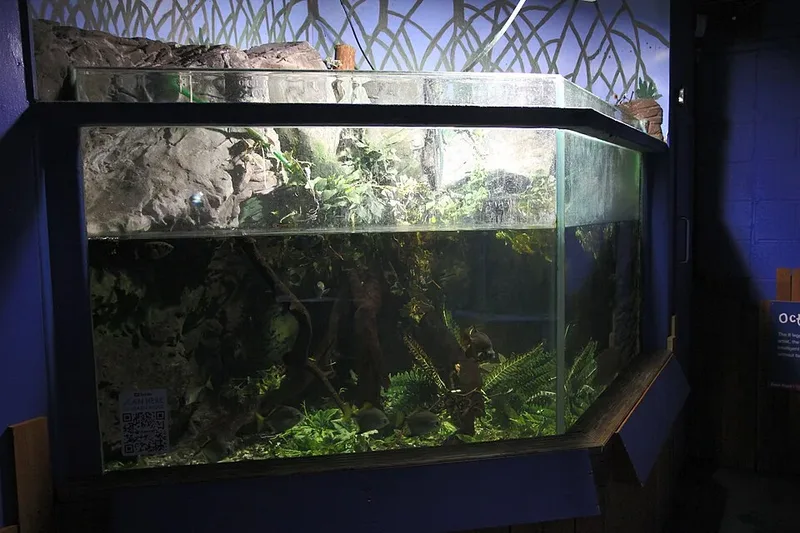
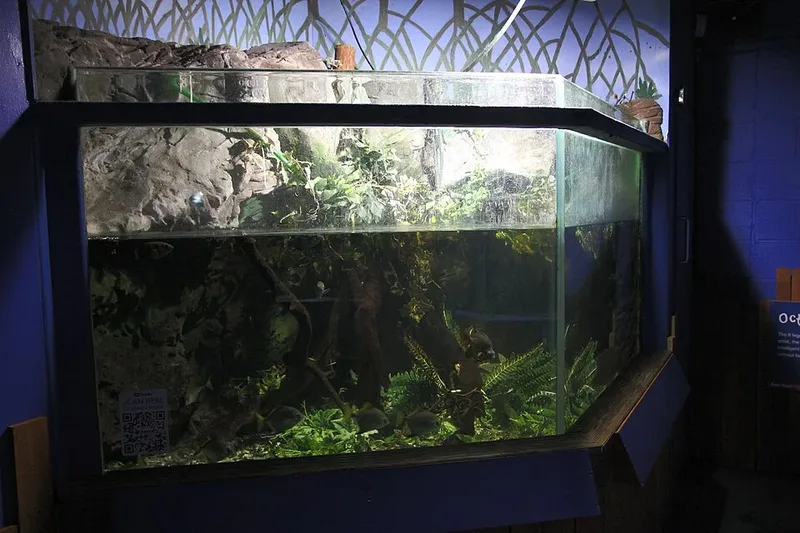
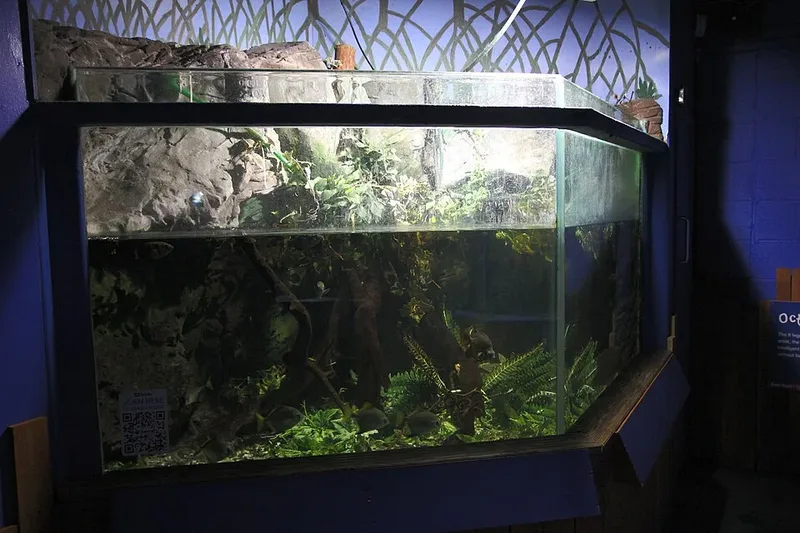
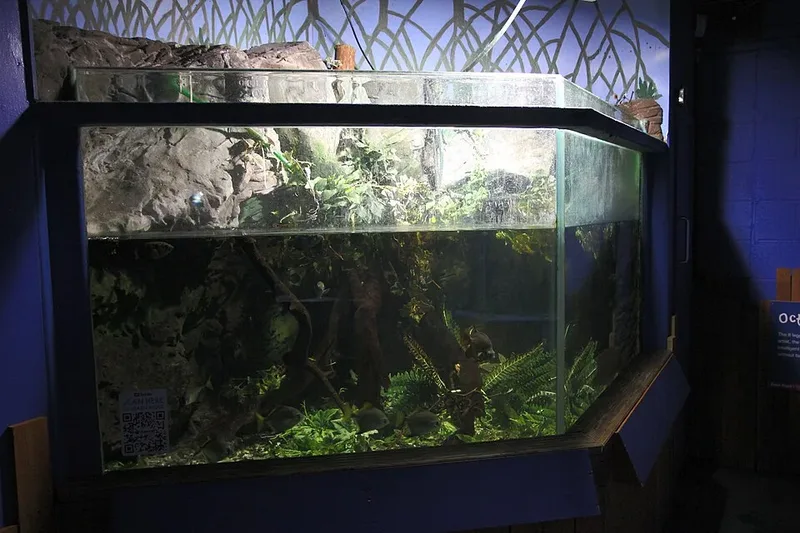
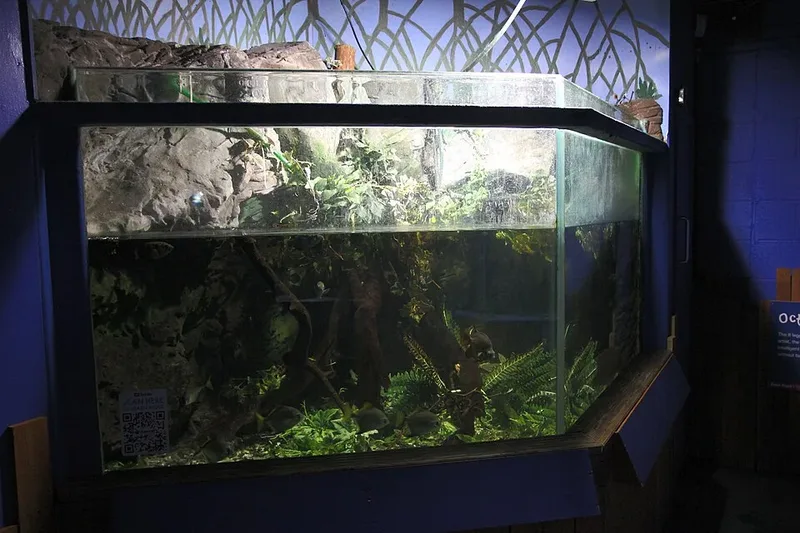
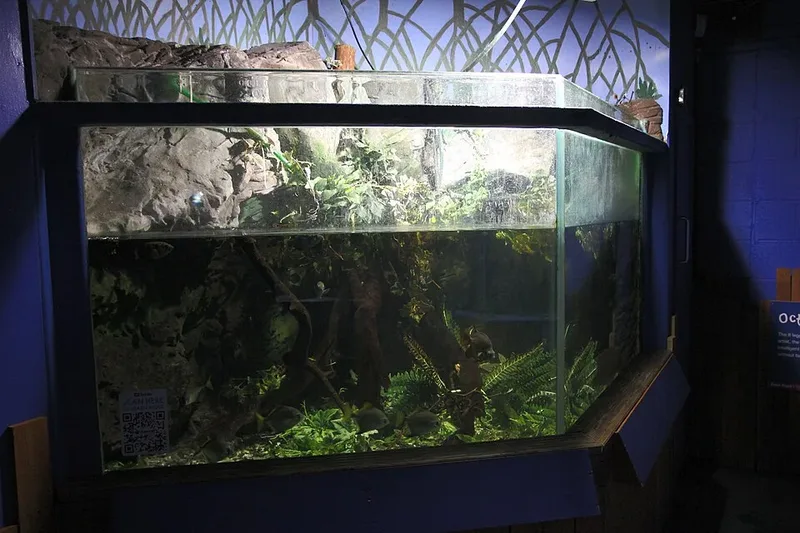
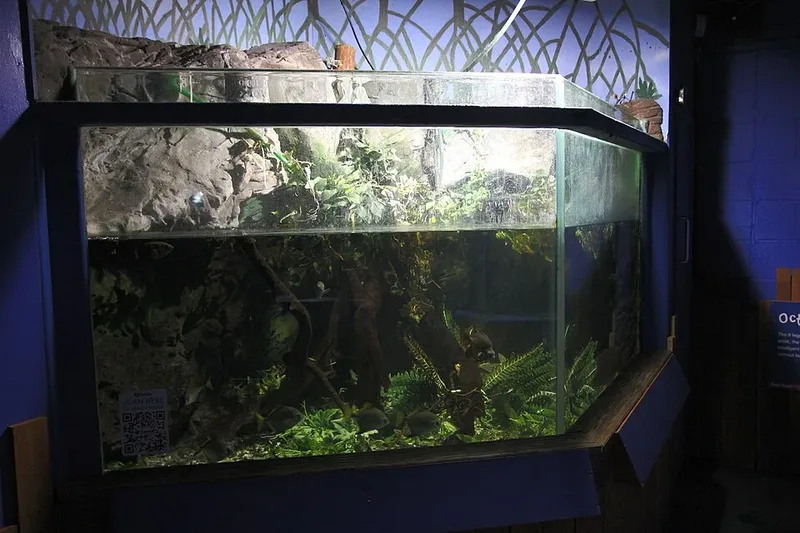
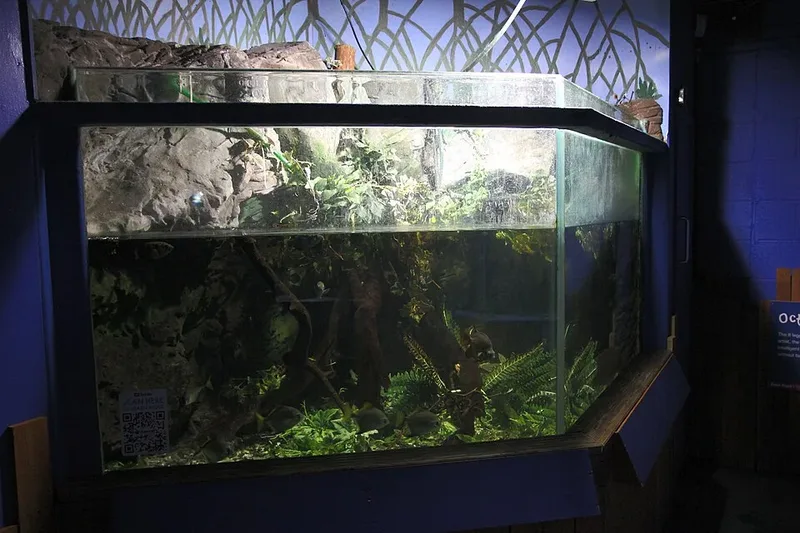
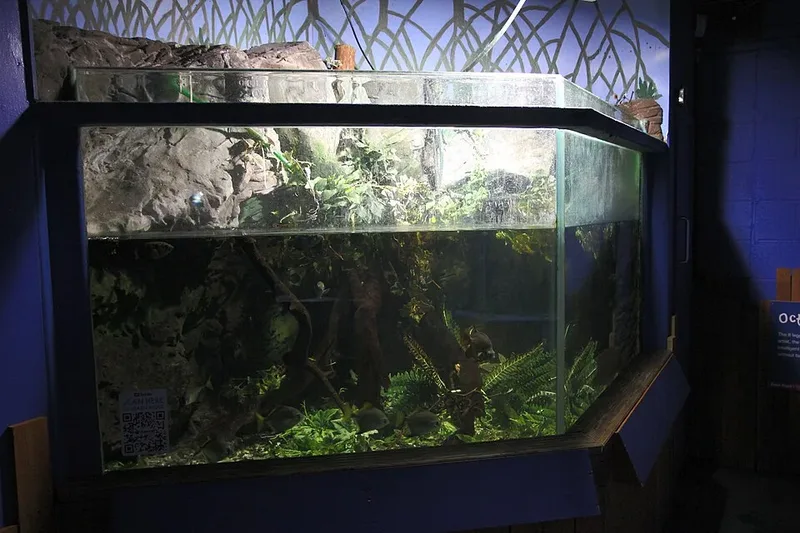
CO2 Regulator Bubble Counter Not Working: Setup
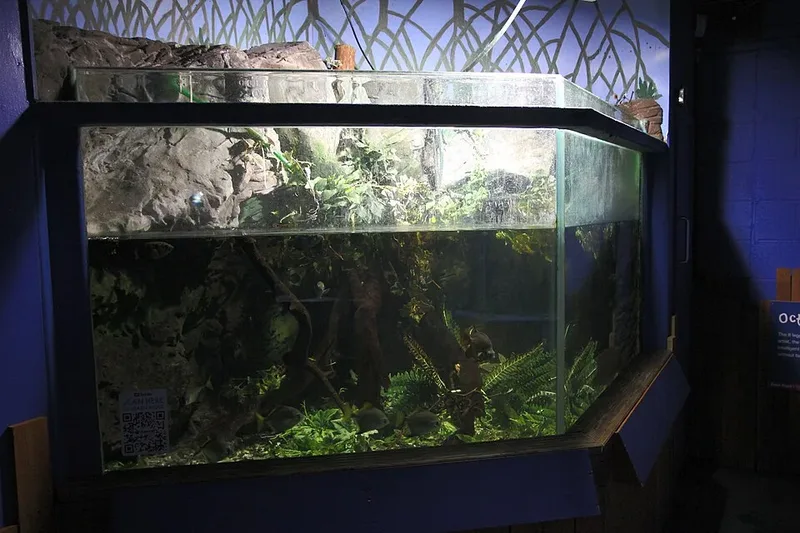
Fix an aquarium co2 regulator bubble counter that stays still, empties, or bubbles unevenly. Check assembly, leaks, pressure, tubing, and safe CO2 flow.
If Android Auto keeps disconnecting 2025, the screen may connect and then drop out, or repeatedly switch between connected and disconnected. The most common cause is a worn, charge-only, or unreliable USB cable that cannot maintain a data connection.
Android Auto depends on a steady data link between the phone and the car. With a wired setup, charging can continue even when the cable’s data connection is failing; with a wireless setup, Bluetooth helps start the connection while Wi-Fi carries much of the data. A disconnect can therefore come from the cable, port, phone software, car system, or wireless interference.
| Possible cause | Typical symptom | Quick test |
|---|---|---|
| USB cable or port | Disconnects when moved or over bumps | Try a short, known-good data cable and another port |
| Phone settings | Stops after the screen locks or app switches | Check Android Auto permissions and battery access |
| Wireless connection | Wired works, wireless drops | Test wired, then remove and pair the phone again |
For a wired connection, test with a short, good-quality USB cable that supports data, not just charging. Connect directly to the car’s Android Auto USB port; avoid hubs, adapters, and extension cables while troubleshooting. If the car has more than one USB port, check the manual or port label to identify the one that supports phone data.
With the car parked, gently check whether the connection drops when the cable is moved at either end. If a different cable stays connected during the same drive, the original cable was likely the cause. Inspect the phone’s port for debris, but do not insert metal tools or force anything into it.
Restart the phone, then restart the car’s infotainment system using the vehicle’s documented procedure. Some systems restart when the car is turned off and the driver’s door is opened; others have a restart option or a different procedure, so check the vehicle manual. Reconnect after both devices have fully restarted. A stable connection afterward suggests a temporary software or session problem.
On current Android versions, open Settings > Apps > Android Auto and review Permissions. Allow the permissions Android Auto requests for features you use, such as phone, contacts, microphone, or location. Menu labels can vary by phone maker and version; use Settings search for “Android Auto” or “permissions” if needed.
Also open the app’s battery settings and remove any restriction that prevents it from running in the background, if your phone offers that control. Reconnect and test with the screen locked. If it now stays connected, a permission or background-use restriction may have been interrupting the session.
Open Settings > Apps > Android Auto > Storage & cache, then tap Clear cache. The exact labels may vary by device. Clear the cache first; avoid Clear storage unless you are prepared to set up the app again, since that can remove app data and preferences.
Reconnect and check whether the disconnects stop. Clearing the cache removes temporary files without being the same as deleting the app’s stored data. If the problem continues, move on to the phone and car software checks.
Check Settings > System > Software update on the phone, or search Settings for “system update.” Also update Android Auto and Google Play services through Google Play, where updates are available. For the car, check its settings or owner’s manual for infotainment software updates; some updates are handled by the dealer or vehicle maker.
Install available updates, restart, and test again. If the issue began immediately after an update, note the phone and car software versions when contacting support; do not install unofficial firmware or downgrade system software as a first troubleshooting step.
If you use wireless Android Auto, first test a wired connection if the car supports it. If wired stays connected, remove the saved pairing from both sides: on the phone, open Settings > Connected devices and forget the car’s Bluetooth connection; in the car’s Bluetooth or phone menu, remove the phone. Labels vary, so check the car’s menu or manual.
Pair the devices again while parked and follow the prompts on both screens. Keep Bluetooth and Wi-Fi enabled on the phone. If re-pairing restores a steady wireless connection, the saved pairing was likely stale; if only wired works, investigate the car’s wireless setup or phone compatibility.
On the phone, open Settings > Connected devices > Connection preferences > Android Auto, then look for previously connected cars and remove the affected car if listed. The path varies by Android version. In the car, remove old phone profiles using its Bluetooth or phone settings, then connect only the phone you are testing.
Try another compatible phone in the same car, or try your phone in another compatible car, if available. If several phones disconnect in one vehicle, the car’s USB port or infotainment system becomes more likely; if your phone disconnects in multiple cars, focus on the phone, cable, or its settings.
A bump can shift a loose plug or expose a damaged cable or port. Try a different data cable and check whether the connection stays stable with the phone secured and the cable relaxed.
Charging does not prove that the cable’s data connection is working. Test with another data-capable cable and the car’s supported USB port; also check whether the phone’s port is loose or obstructed.
Clearing cache removes temporary files and is different from clearing storage or app data. Start with the cache option; clearing storage may reset app data and require you to set up connections again.
Work through the cable, restart, settings, and pairing checks in order, testing after each change so you can identify what helped. If the connection still drops, record whether wired or wireless fails and contact the vehicle maker or phone support with your phone model and infotainment system details.
Photo: Marek Ślusarczyk (Tupungato) Photo portfolio / CC BY 3.0 (Wikimedia Commons)
Fix an aquarium co2 regulator bubble counter that stays still, empties, or bubbles unevenly. Check assembly, leaks, pressure, tubing, and safe CO2 flow.
Fix an aquarium ato float switch stuck by checking buildup, movement, wiring, and controller status, then add safe ATO limits to reduce overflow risk.
Fix reef tank dosing pump calibration with a measured three-point check, tubing inspection, priming, controller steps, and a safe verification run.
Fix apex controller not connecting to wifi by checking AquaBus communication, network compatibility, signal, and Fusion status with practical steps you can try today.
Fix tractive not charging red light issues by checking the charger, contacts, power source, and battery condition, with practical tests to identify the cause.
Fix a tractive tracker not connected to network issue by checking coverage, charging, SIM status, and LTE compatibility before contacting Tractive support.
Fix a petlibro feeder not dispensing by checking food flow, portion settings, the motor, and app connection, with safe steps to confirm the cause.
Fix a Petlibro feeder camera icon that keeps flashing: check Wi-Fi, power, app status, and setup steps to bring the camera back online today.
Petlibro feeder won t connect to wifi? Check your model’s Wi-Fi band, router settings, app permissions, and pairing mode with these practical fixes.
Fix the litter robot 4 pinch detect error by checking the waste drawer, cleaning pinch contacts, reseating the bonnet, and safely testing the cycle.