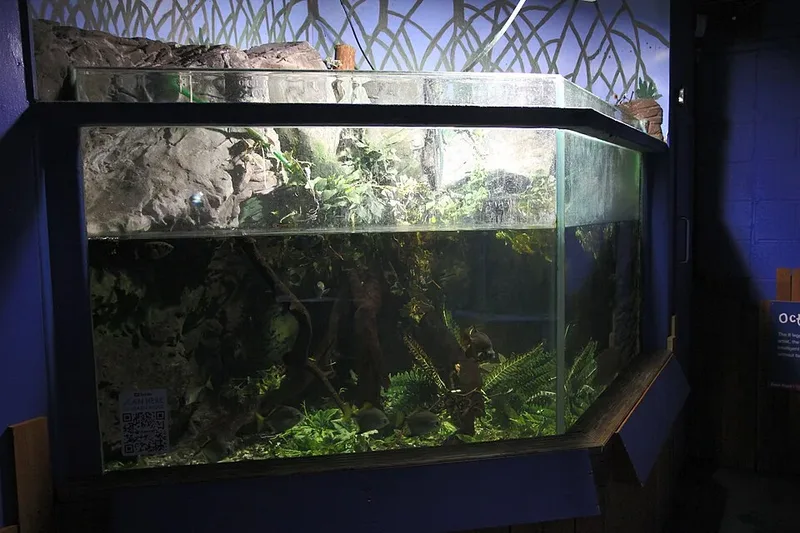
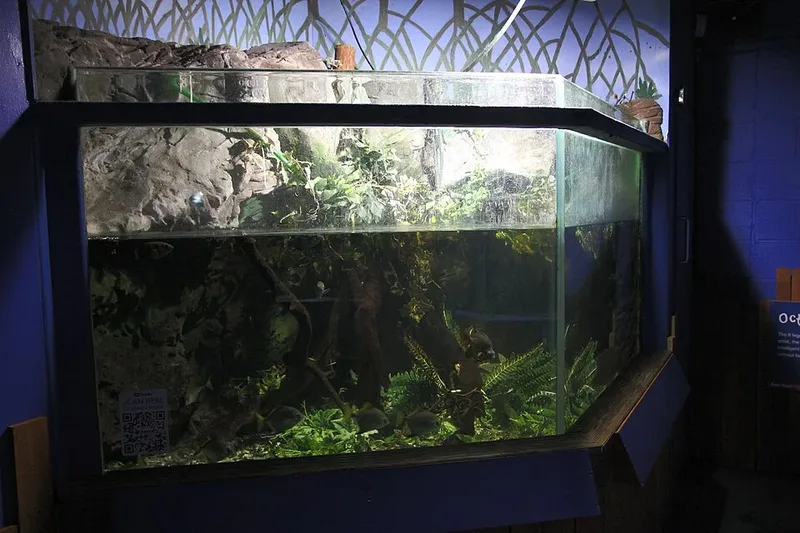
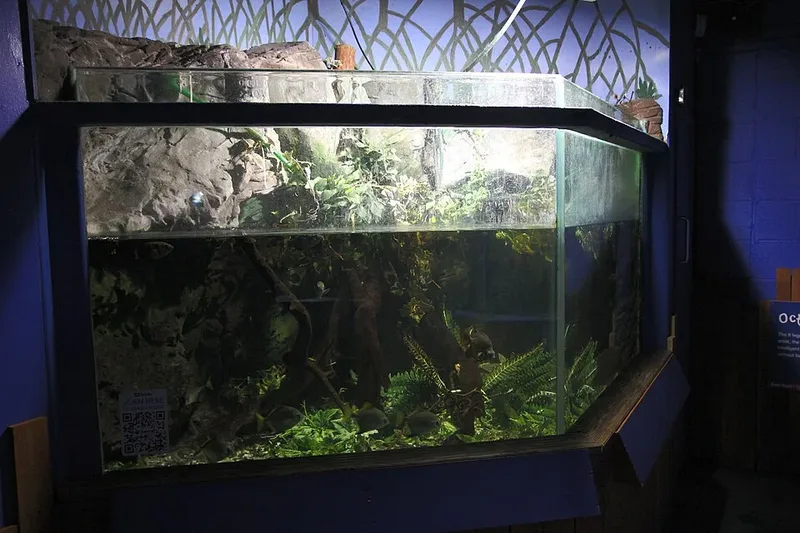
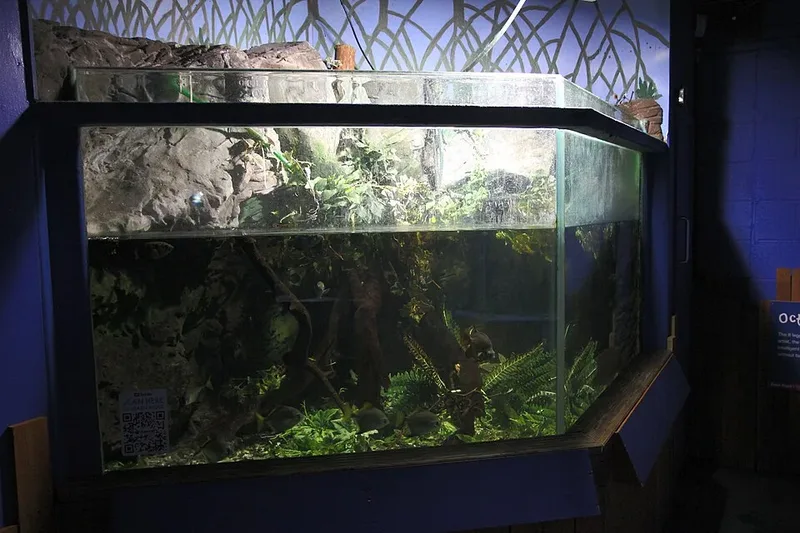
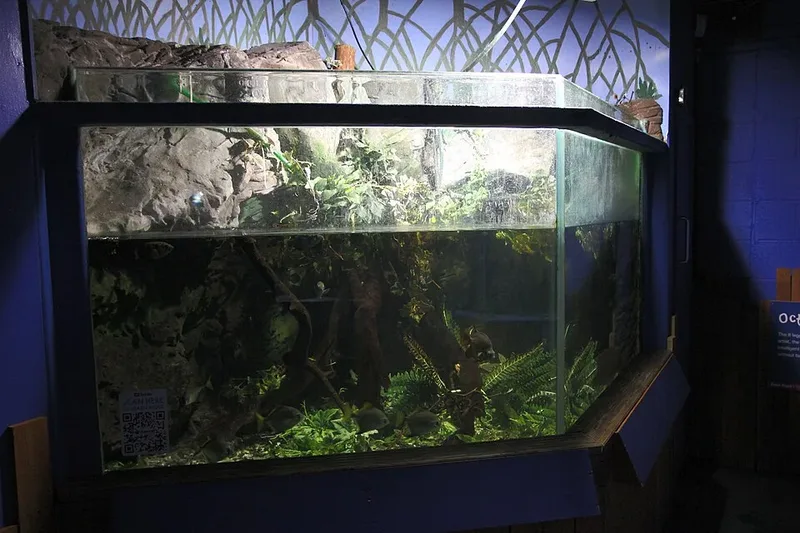
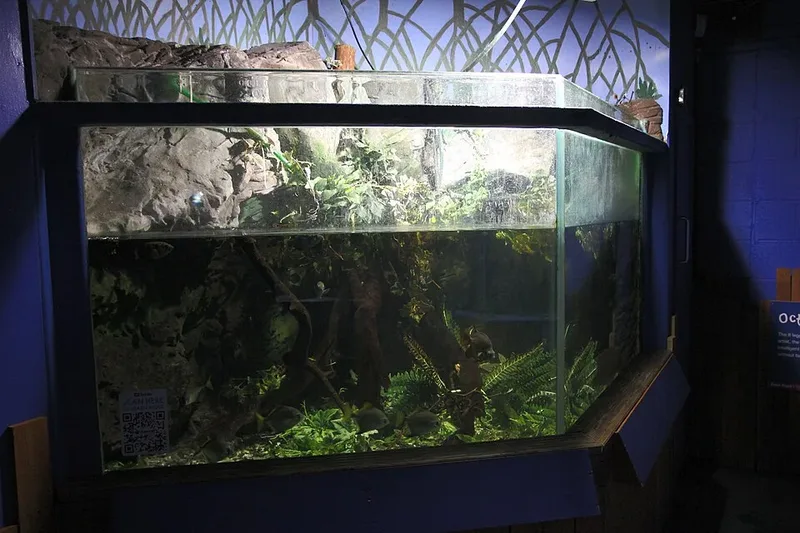
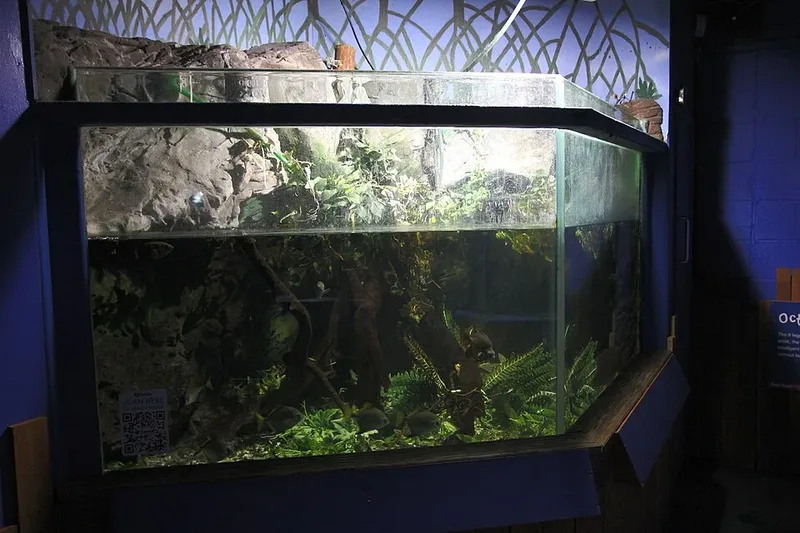
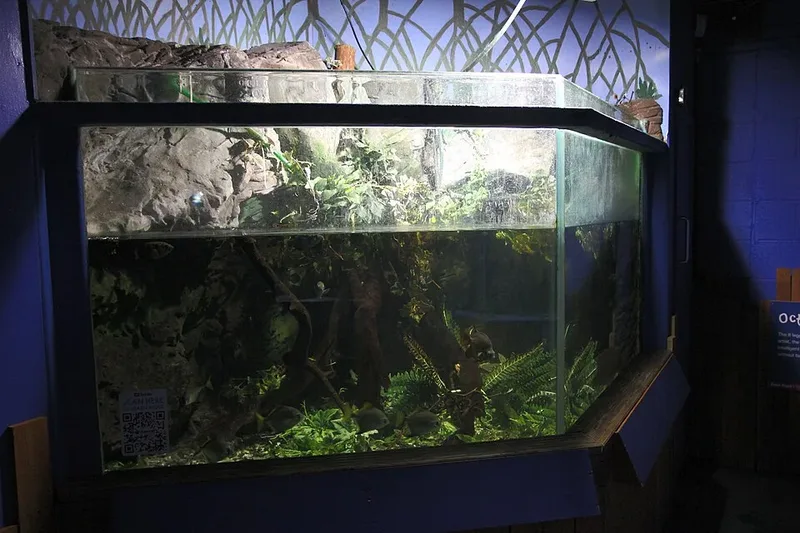
CO2 Regulator Bubble Counter Not Working: Setup
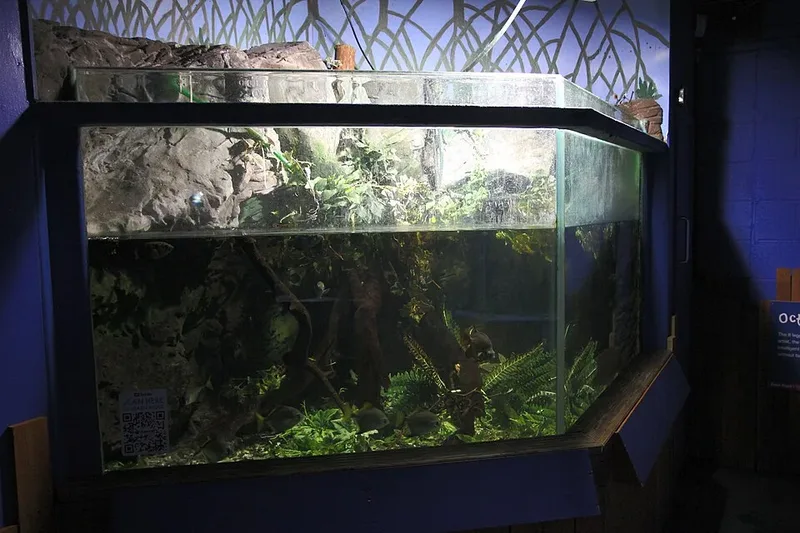
Fix an aquarium co2 regulator bubble counter that stays still, empties, or bubbles unevenly. Check assembly, leaks, pressure, tubing, and safe CO2 flow.
If the Litter-Robot 4 stops mid-cycle and reports a pinch detect error, the drawer may remain partly open or the unit may refuse to cycle. The most common real cause is debris or litter residue on the metal pinch-detect contacts, which can make the safety circuit think the contacts are touching.
The pinch-detect circuit is a safety feature near the waste drawer opening. It monitors two metal contacts; when the circuit registers a pinch condition, the robot stops to prevent the globe from continuing to rotate. Litter dust, corrosion, a poorly seated drawer, or a loose connection can interrupt normal operation.
Unplug the Litter-Robot 4 before reaching into the waste opening or removing panels. Keep hands and tools clear of the globe and pinch area while the unit is powered. If the globe is stuck in an unusual position, do not force it; first remove the drawer and bonnet only as described in the unit’s user guide.
Pull out the waste drawer, empty it, and check that the bag is flat and not folded over the drawer rim. Reinsert the drawer fully so it sits squarely beneath the opening, then reconnect power. A successful startup without the warning, followed by a normal cycle, points to drawer or liner interference.
With power disconnected and the drawer removed, locate the two metal pinch-detect contacts at the waste opening. Wipe them and the surrounding area with a dry, lint-free cloth. If residue remains, use a lightly damp cloth, then dry everything completely before restoring power. Do not spray cleaner into the base or bend the contacts. If the warning clears and remains gone through a cycle, contamination was likely the cause.
Look for contacts that are visibly bent, loose, pitted, or covered by stubborn buildup. Do not pry or adjust them: the safety circuit depends on reliable contact. If you see damage or corrosion, stop using the unit and contact Whisker support for the correct repair guidance. A persistent error after cleaning and reseating suggests a hardware or connection issue.
Confirm the bonnet is installed and latched evenly, and that no litter, liner, or foreign object is caught near the waste opening or globe. Remove loose debris without pushing it into the base. Reconnect power and run a cycle using the unit’s control panel. If the robot completes the cycle without stopping, a displaced part or obstruction may have triggered the detection.
After reassembly, plug the unit directly into a working outlet and allow it to start. If the warning remains, switch the unit off with the power button, unplug it briefly, then reconnect and restart. Avoid repeated restarts if the same error returns. The confirming result is one full cycle with no pinch warning; a brief clearing followed by another stop means the underlying issue remains.
In the Whisker app, open the Litter-Robot 4 device page and review any displayed alert or troubleshooting prompt; labels and available details can vary by app version. Do not apply an unrelated reset or change a setting to bypass the safety feature. If cleaning, drawer alignment, and a restart do not resolve the warning, share the app alert, when it occurs, and what you inspected with Whisker support.
| Possible cause | Typical symptom | Quick test |
|---|---|---|
| Dirty or damp contacts | Error returns near the waste opening | Clean and fully dry the contacts, then cycle |
| Drawer or liner misaligned | Warning after replacing a bag | Reseat the empty drawer with liner below its rim |
| Damaged or corroded contact | Error persists after cleaning | Visual inspection only; request service if damaged |
Dust or residue on the contacts is a common cause, but drawer alignment, moisture, or damaged contacts can also trigger the warning. Clean and dry the contacts, reseat the drawer, and observe a complete cycle.
Do not bypass the warning or reach into the unit while it is powered. If the error returns, stop cycling and contact Whisker support, especially if a contact looks damaged.
They are metal contacts at the waste drawer opening on the base. Remove the drawer with the unit unplugged and consult the user guide if you are unsure which parts are the contacts.
The most useful first steps are to clean and dry the contacts, then make sure the drawer and liner sit correctly. If the warning still appears after a careful restart, leave the safety feature intact and contact Whisker support for inspection.
Photo: Tim Sheerman-Chase / CC BY 2.0 (Wikimedia Commons)
Fix an aquarium co2 regulator bubble counter that stays still, empties, or bubbles unevenly. Check assembly, leaks, pressure, tubing, and safe CO2 flow.
Fix an aquarium ato float switch stuck by checking buildup, movement, wiring, and controller status, then add safe ATO limits to reduce overflow risk.
Fix reef tank dosing pump calibration with a measured three-point check, tubing inspection, priming, controller steps, and a safe verification run.
Fix apex controller not connecting to wifi by checking AquaBus communication, network compatibility, signal, and Fusion status with practical steps you can try today.
Fix tractive not charging red light issues by checking the charger, contacts, power source, and battery condition, with practical tests to identify the cause.
Fix a tractive tracker not connected to network issue by checking coverage, charging, SIM status, and LTE compatibility before contacting Tractive support.
Fix a petlibro feeder not dispensing by checking food flow, portion settings, the motor, and app connection, with safe steps to confirm the cause.
Fix a Petlibro feeder camera icon that keeps flashing: check Wi-Fi, power, app status, and setup steps to bring the camera back online today.
Petlibro feeder won t connect to wifi? Check your model’s Wi-Fi band, router settings, app permissions, and pairing mode with these practical fixes.
Fix the litter robot 4 pinch detect error by checking the waste drawer, cleaning pinch contacts, reseating the bonnet, and safely testing the cycle.