CO2 Regulator Bubble Counter Not Working: Setup
Fix an aquarium co2 regulator bubble counter that stays still, empties, or bubbles unevenly. Check assembly, leaks, pressure, tubing, and safe CO2 flow.
If your aquarium co2 regulator bubble counter is not bubbling, the most common cause is a leak or loose connection between the counter and the diffuser. A counter that bubbles unevenly or loses its liquid can also point to incorrect assembly or unstable regulator pressure.
The bubble counter only shows gas passing through its chamber; it does not measure dissolved CO2 in the aquarium. Gas may escape at a fitting, fail to overcome resistance in the diffuser, or fluctuate because the regulator is not delivering steady working pressure. A counter can also appear inactive if the solenoid is closed or the system is not running.
Check that the cylinder valve is open, the regulator is powered if required, and the solenoid is energized during the controller’s scheduled CO2 period. On an aquarium controller such as an Apex, open the output or outlet settings and inspect the schedule and current outlet state; menu labels vary by model and software version. If the outlet is off, use the controller’s documented manual or test mode briefly to confirm whether the solenoid opens. Restore the normal schedule afterward.
With the CO2 supply off, inspect the counter’s instructions and fill it to the indicated level with the specified liquid. Do not assume every model uses the same fluid or fill line. Mount the counter upright if its manufacturer specifies that orientation, then check for cracked housing, a loose cap, or a worn seal. A stable liquid level with the unit assembled correctly rules out a simple fill or mounting issue.
Follow the gas line from regulator to bubble counter, then to the aquarium. Look for pinched tubing, loose push-fit connections, and a check valve installed backward; follow the arrow or flow marking on the valve. The arrow should point toward the aquarium when that is how the valve is designed. Correcting a kink or reversed valve should restore flow without changing regulator settings.
Turn off CO2 before reseating any fitting. Reconnect the tubing squarely and tighten threaded fittings only as their manufacturer directs; overtightening can damage seals. Apply a leak-detection solution intended for the fittings, or soapy water where appropriate, to external joints and look for growing bubbles. Never submerge an energized regulator or electrical solenoid. A joint that stays bubble-free during a cautious pressure check is less likely to be the cause.
Check the regulator gauges and confirm the cylinder is not empty, using the gauge behavior and supplier guidance for your cylinder type. Compare the working-pressure setting with the diffuser and regulator manufacturers’ recommendations. Do not raise pressure sharply just to force bubbles: excessive pressure can damage equipment or cause an unsafe CO2 release. If the output pressure cannot hold steady, or the regulator behaves abnormally, shut the system down and consult its manual or supplier.
With the CO2 off, inspect the diffuser for blockage, buildup, or a damaged connection. Follow the diffuser maker’s cleaning instructions; do not use a needle or chemical that could damage its membrane. If the manufacturer permits a brief flow check with the diffuser disconnected, direct the line safely away from people and animals and avoid releasing CO2 into a small enclosed space. Flow at the line but not through the diffuser suggests a clogged diffuser or pressure mismatch.
Restore the system and watch the counter for several minutes. A consistent stream indicates gas is passing, but it does not prove the aquarium has a safe or correct CO2 concentration. Use your established aquarium monitoring method and watch livestock for distress; turn CO2 off and increase surface agitation if animals gasp or behave abnormally. Make small adjustments only, following the equipment and livestock guidance.
| Likely cause | Typical symptom | Quick test |
|---|---|---|
| Closed solenoid or schedule | No bubbles during expected operation | Check controller outlet state and schedule |
| Reversed check valve or kink | No flow or flow stops downstream | Trace line direction and straighten tubing |
| Loose connection or leak | Unsteady bubbles or pressure loss | Inspect external joints with leak solution |
| Blocked diffuser | Counter bubbles but little tank diffusion | Inspect and clean per diffuser instructions |
First check whether the solenoid is on and the controller schedule is active. Then inspect the check valve direction, tubing, leaks, and regulator pressure. Change one item at a time so you can tell what restored flow.
It may be overfilled, tilted, leaking at its cap, or experiencing pressure that pushes liquid into the line. Turn off the CO2, check the manufacturer’s fill line and mounting instructions, and inspect seals before restarting.
Only adjust pressure within the regulator and diffuser manufacturers’ recommendations. A bubble counter that will not flow may have a leak, blocked diffuser, or closed valve, and raising pressure can create equipment or livestock risks.
A working counter confirms gas flow through that point, not safe CO2 levels in the aquarium. If these checks do not restore steady flow, shut the system off and contact the regulator or diffuser manufacturer with your model details and observations.
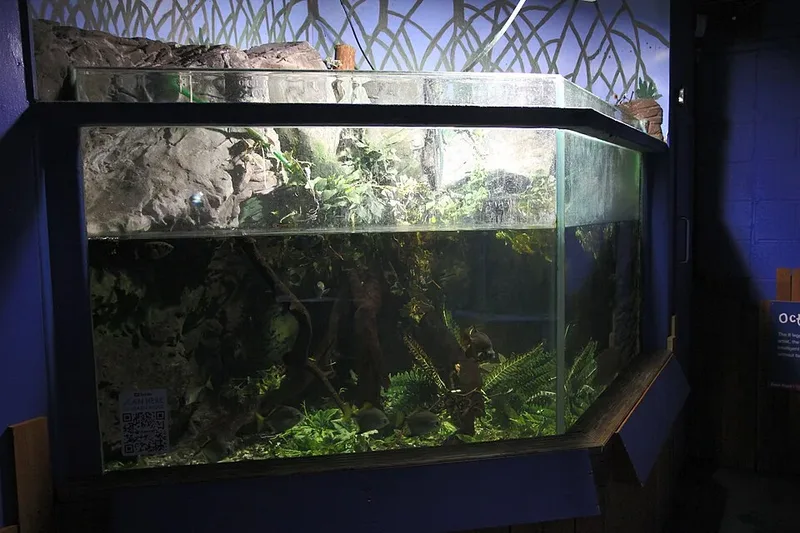
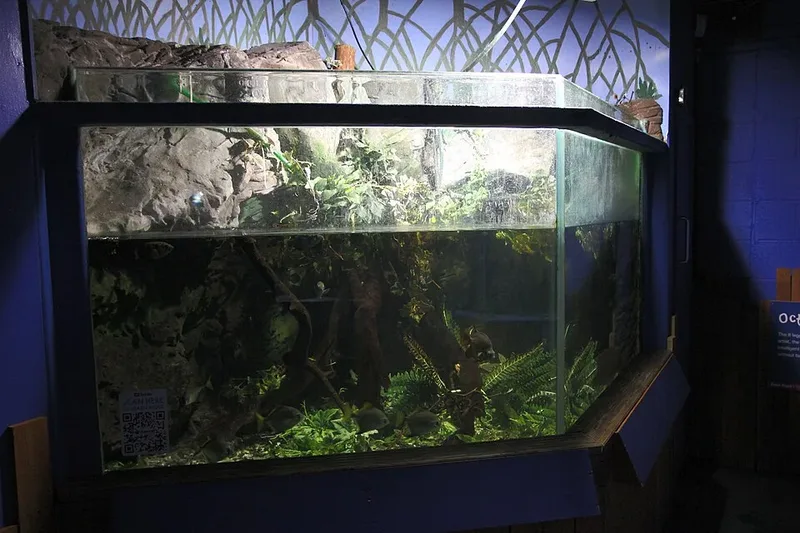
Photo: Tim Sheerman-Chase / CC BY 2.0 (Wikimedia Commons)
Fix an aquarium co2 regulator bubble counter that stays still, empties, or bubbles unevenly. Check assembly, leaks, pressure, tubing, and safe CO2 flow.
Fix an aquarium ato float switch stuck by checking buildup, movement, wiring, and controller status, then add safe ATO limits to reduce overflow risk.
Fix reef tank dosing pump calibration with a measured three-point check, tubing inspection, priming, controller steps, and a safe verification run.
Fix apex controller not connecting to wifi by checking AquaBus communication, network compatibility, signal, and Fusion status with practical steps you can try today.
Fix tractive not charging red light issues by checking the charger, contacts, power source, and battery condition, with practical tests to identify the cause.
Fix a tractive tracker not connected to network issue by checking coverage, charging, SIM status, and LTE compatibility before contacting Tractive support.
Fix a petlibro feeder not dispensing by checking food flow, portion settings, the motor, and app connection, with safe steps to confirm the cause.
Fix a Petlibro feeder camera icon that keeps flashing: check Wi-Fi, power, app status, and setup steps to bring the camera back online today.
Petlibro feeder won t connect to wifi? Check your model’s Wi-Fi band, router settings, app permissions, and pairing mode with these practical fixes.
Fix the litter robot 4 pinch detect error by checking the waste drawer, cleaning pinch contacts, reseating the bonnet, and safely testing the cycle.