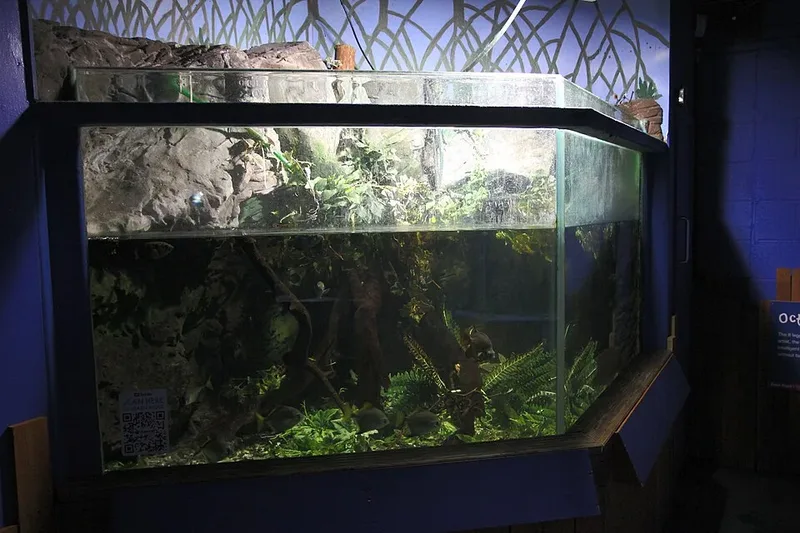
CO2 Regulator Bubble Counter Not Working: Setup
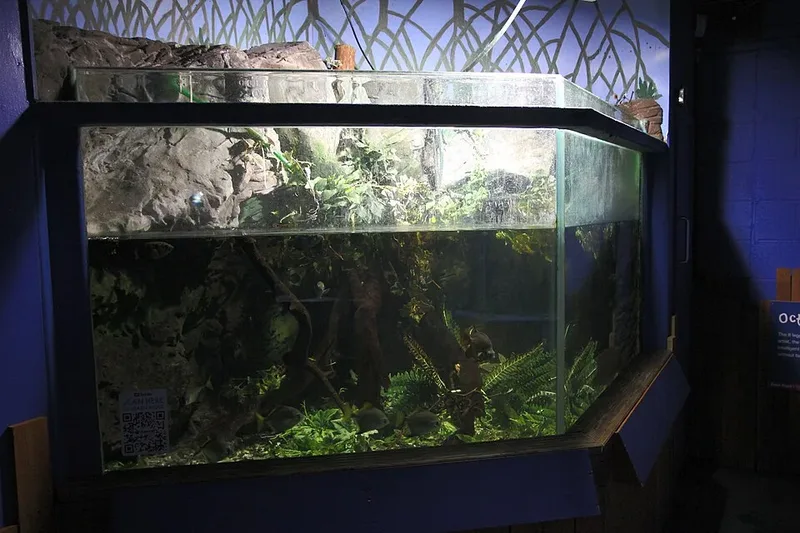
Fix an aquarium co2 regulator bubble counter that stays still, empties, or bubbles unevenly. Check assembly, leaks, pressure, tubing, and safe CO2 flow.
If your Baofeng UV-5R shows a signal but you hear no audio, or stays silent on a known active channel, the most common cause is a squelch setting that is too high for the signal. A loose or poorly matched antenna is another frequent culprit. Work through these checks in order, starting with the radio’s simplest controls.
The UV-5R opens its speaker only when the received signal meets its squelch threshold. Programming differences can also make the radio listen on a different frequency or tone than the transmitting station. A bad antenna connection or local interference can weaken or mask an otherwise receivable signal.
Press MENU, enter the squelch setting shown as SQL on many UV-5R versions, and reduce it to a low level; check your model’s menu for the exact item number. Press MENU to confirm, then exit and listen on a frequency where activity is expected. If you now hear hiss or a weak station, the receiver is working and the previous threshold was too high. Restore a higher setting if constant noise becomes distracting.
Press VFO/MR to select frequency mode, choose the upper or lower display line with the band key, and enter the known frequency using the keypad. Check that the displayed frequency is in the correct band and that you are monitoring the line you programmed. If a known nearby transmission becomes audible on the correct line, the problem was channel selection or programming rather than a failed receiver.
Use a local repeater or another station whose frequency and activity you can verify, and listen at a reasonable distance with the radio held upright. Do not use the transmit button to test reception. If the radio hears a strong nearby signal but not a distant one, reception may be limited by coverage, terrain, or antenna performance; if it hears nothing even with squelch low, continue with the hardware and configuration checks.
Turn the radio off, unscrew the antenna, and inspect the connector and antenna base for looseness, dirt, cracks, or bent parts. Reattach it finger-tight without forcing it, then try the known signal again. A damaged antenna can sometimes still receive strong local stations, so improvement with a known-good antenna rated for the radio’s band is a useful comparison. Avoid transmitting with an antenna that may be damaged.
A receive tone can make a correctly tuned signal seem absent because the radio keeps the speaker muted until it detects the configured tone. On the selected channel, open the tone settings and check R-CTCS or R-DCS, if present; temporarily turn receive tone decoding off for a listening test. Also compare the channel’s receive frequency with a trusted local repeater listing. A matching signal heard with tone decoding disabled points to a tone mismatch; restore the correct tone if required.
If you use CHIRP, read the radio’s image and inspect the affected memory row before writing changes. Verify the receive frequency, duplex setting, offset, and receive tone against a reliable source; check the radio model selection and programming cable connection if the image appears unexpected. After writing a corrected channel, select that memory and test it. Hearing the expected station confirms the stored channel settings were the issue.
Move away from computers, USB hubs, switching power supplies, and active transmitters, then repeat the same listening test. RTL-SDR receivers and SDR# do not normally stop a UV-5R from receiving by themselves, but a nearby computer or SDR setup can radiate noise or overload a receiver when a strong signal is present. If reception returns after moving the radio or switching off nearby electronics, investigate the noisy device or increase separation.
| Cause | Symptom | Quick test |
|---|---|---|
| Squelch too high | Weak signals are silent | Lower SQL and listen for hiss |
| Receive tone mismatch | Frequency seems right, speaker stays muted | Temporarily disable receive tone decoding |
| Antenna or connector issue | Short range or reception changes when handled | Reseat and compare with a known-good antenna |
| Local interference | Reception improves away from electronics | Move away from the computer or power supply |
The signal indication does not guarantee the audio gate has opened. Lower squelch and check whether receive CTCSS or DCS decoding is enabled; a tone mismatch can mute audio even when the frequency is correct.
The repeater may require a different transmit setup, but its output frequency must still be monitored correctly. Verify the receive frequency, selected channel, and any receive tone against a trusted listing, and test while the repeater is active.
They do not change the UV-5R’s settings, but nearby electronics or strong RF signals can cause interference or receiver overload. Repeat the test farther from the SDR, computer, and USB equipment to see whether reception improves.
For baofeng uv 5r not receiving, the fastest checks are lowering squelch, confirming the receive frequency and tone, and reseating the antenna. If a known strong signal is still inaudible after those checks, compare with a known-good antenna and consult a radio technician or the seller about possible hardware failure.
Photo: Jebulon / CC0 (Wikimedia Commons)
Fix an aquarium co2 regulator bubble counter that stays still, empties, or bubbles unevenly. Check assembly, leaks, pressure, tubing, and safe CO2 flow.
Fix an aquarium ato float switch stuck by checking buildup, movement, wiring, and controller status, then add safe ATO limits to reduce overflow risk.
Fix reef tank dosing pump calibration with a measured three-point check, tubing inspection, priming, controller steps, and a safe verification run.
Fix apex controller not connecting to wifi by checking AquaBus communication, network compatibility, signal, and Fusion status with practical steps you can try today.
Fix tractive not charging red light issues by checking the charger, contacts, power source, and battery condition, with practical tests to identify the cause.
Fix a tractive tracker not connected to network issue by checking coverage, charging, SIM status, and LTE compatibility before contacting Tractive support.
Fix a petlibro feeder not dispensing by checking food flow, portion settings, the motor, and app connection, with safe steps to confirm the cause.
Fix a Petlibro feeder camera icon that keeps flashing: check Wi-Fi, power, app status, and setup steps to bring the camera back online today.
Petlibro feeder won t connect to wifi? Check your model’s Wi-Fi band, router settings, app permissions, and pairing mode with these practical fixes.
Fix the litter robot 4 pinch detect error by checking the waste drawer, cleaning pinch contacts, reseating the bonnet, and safely testing the cycle.