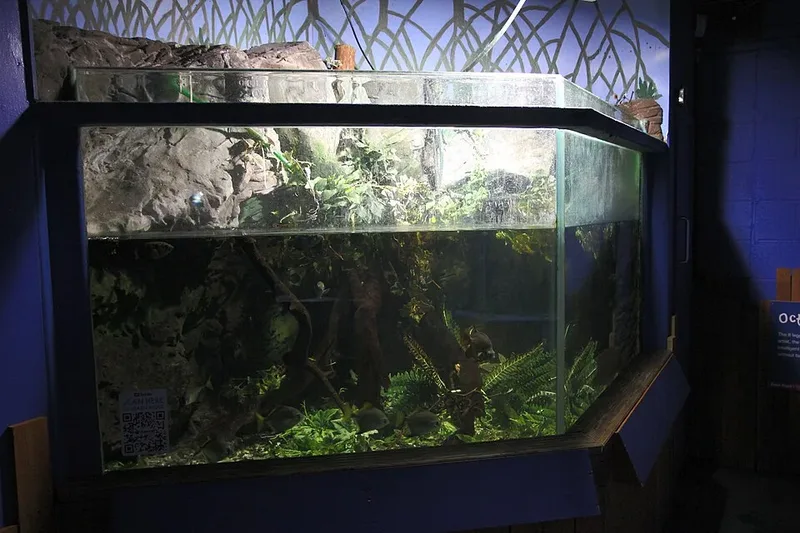
CO2 Regulator Bubble Counter Not Working: Setup
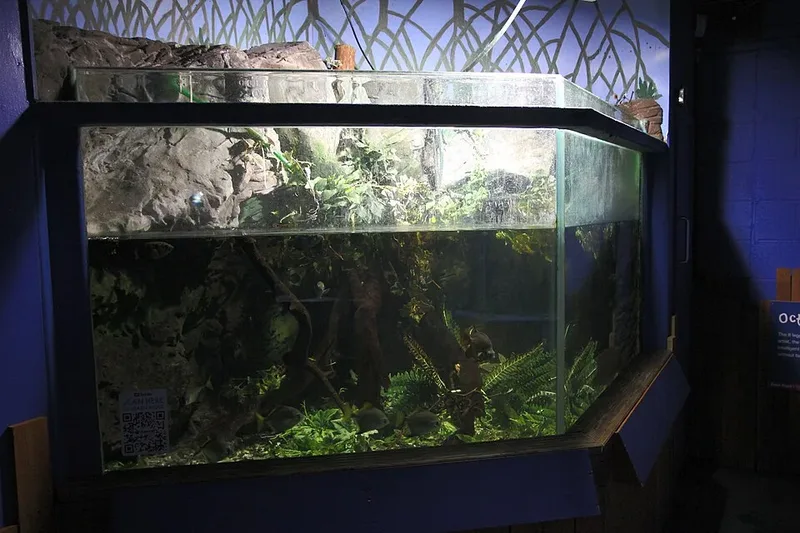
Fix an aquarium co2 regulator bubble counter that stays still, empties, or bubbles unevenly. Check assembly, leaks, pressure, tubing, and safe CO2 flow.
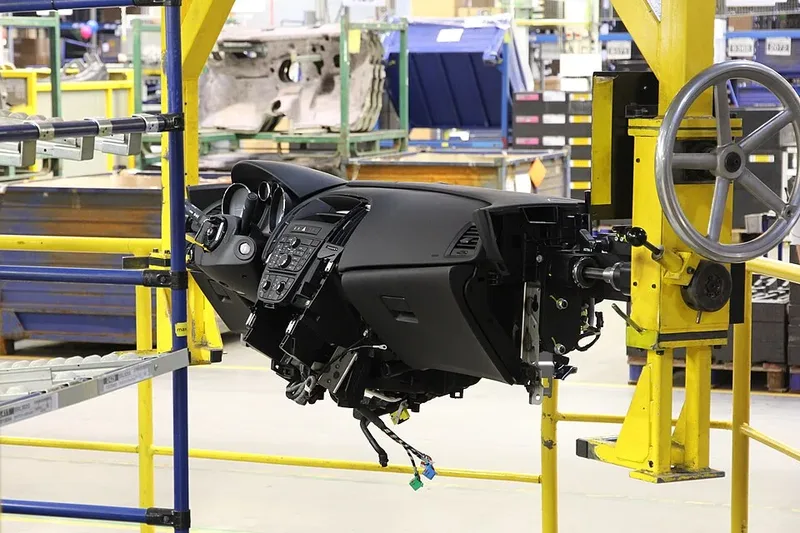
If FORScan detects your adapter but displays “Unable to connect to vehicle,” the forscan unable to connect to vehicle error usually means the vehicle is not responding to the adapter. The most common cause is that the ignition is in Accessory mode instead of ON or Run; a manual HS/MS-CAN switch left in the wrong position is another frequent cause.
Connecting to an adapter and connecting to a vehicle are separate steps. FORScan may communicate with the laptop or phone successfully while receiving no response from the vehicle’s control modules. Start with the basic checks before changing software settings.
Use the sequence below, stopping when FORScan identifies the vehicle or begins reading its modules. Exact prompts and settings can vary by platform and version.
With the adapter plugged into the vehicle, turn the ignition to ON or Run so the dashboard warning lights come on. Do not rely on Accessory mode, which may power the radio without waking the modules FORScan needs. On a push-button vehicle, follow the owner’s manual for entering ignition-on mode without starting the engine. If FORScan now identifies the vehicle, the ignition state was the problem. Keep the engine off unless your vehicle’s instructions or a specific procedure require otherwise, and avoid leaving ignition on longer than needed.
If your adapter has a physical HS/MS-CAN switch, put it in HS-CAN before starting the connection. FORScan needs to reach the vehicle’s powertrain control module on HS-CAN during initial communication. After that, FORScan may prompt you to move the switch to MS-CAN to read additional modules. Follow the prompt rather than guessing. If your adapter switches buses automatically, do not look for a physical switch; confirm that the adapter is intended to support FORScan and your vehicle.
Turn the ignition off, unplug the adapter, then firmly reconnect it to the vehicle’s OBD-II port. Check that it sits straight and does not feel loose. Use a light to look for debris, bent pins, or visible damage on the vehicle connector and adapter. Do not force a connector or probe the pins with metal tools. If a gentle reseat restores communication, poor contact was likely. If the connector is damaged, stop and have the port inspected before using the adapter again.
On FORScan for Windows, open the connection or adapter settings from the program’s settings area and select the detected communication adapter. Names and menu placement vary by version. If you use a USB adapter, check Windows Device Manager under “Ports (COM & LPT)” to see whether it appears and note its COM port; then choose the matching port in FORScan if the program offers manual selection. For Bluetooth or Wi-Fi, pair or connect the adapter through your device’s normal settings first, then select the resulting adapter in FORScan. A successful adapter connection confirms this part is working, but the vehicle still needs to respond.
Close other OBD-II apps on the phone or computer, and disconnect any second device that might be using the adapter. Many adapters allow only one active connection at a time. For Bluetooth, check your phone or computer’s Bluetooth settings and make sure it is connected to the intended adapter. For Wi-Fi adapters, connect to the adapter’s network if the manufacturer requires it; doing so may temporarily interrupt internet access. Reopen FORScan and try again. If the vehicle connects after other apps are closed, they were likely holding the adapter session.
If the ignition, switch, port, and connection selection check out, isolate which side is failing. Try your adapter with another supported vehicle, or try a compatible, known-good adapter with your vehicle. Use an adapter supported by FORScan and suitable for the vehicle and platform you’re using. If the original adapter fails on another vehicle but the known-good adapter works on yours, replace or troubleshoot the original adapter. If two working adapters fail on the same vehicle, inspect the vehicle’s diagnostic port, wiring, and any aftermarket equipment connected to the vehicle networks.
Close FORScan fully, turn the ignition off briefly, then turn it back to ON or Run and open FORScan again. Reconnect using the adapter you confirmed in the settings. If the vehicle profile appears stale or the connection repeatedly stops at the same point, look for the profile or cache management option available in your version and refresh it only if you are comfortable recreating the vehicle profile. A fresh identification or module scan confirms the connection has progressed. Menu names differ between FORScan for Windows and FORScan Lite, so check your version’s menu rather than following a path from another platform.
These quick tests help narrow down the cause:
| Possible cause | What you may notice | Quick test |
|---|---|---|
| Ignition in Accessory | Adapter connects, vehicle does not | Switch to ON or Run and retry |
| Manual bus switch misplaced | Connection fails before vehicle identification | Set HS/MS switch to HS-CAN before connecting |
| Loose port contact | Connection changes when adapter moves | Reseat it and inspect the connector |
| Adapter in use elsewhere | FORScan cannot establish a clean session | Close other OBD apps and disconnect other devices |
The computer or phone can communicate with the adapter even when the vehicle’s modules are not responding. Turn the ignition to ON or Run, check the adapter’s HS-CAN switch position if it has one, and reseat the adapter in the diagnostic port.
For initial connection, set a manual switch to HS-CAN. If FORScan asks you to change buses later, follow its prompt; the vehicle and scan determine whether MS-CAN is needed.
Yes. Some low-quality or faulty adapters may connect to the computer but fail to communicate reliably with the vehicle. Check that your adapter is supported for your FORScan platform and vehicle, and compare with a known-good adapter if the basic checks do not help.
In most cases, setting the ignition to ON or Run and correcting a manual HS/MS-CAN switch position restores communication. If FORScan still cannot identify the vehicle after checking the adapter and port, test with a compatible adapter and contact FORScan support or a qualified technician with your vehicle and adapter details.
Photo: Marek Ślusarczyk (Tupungato) Photo portfolio / CC BY 3.0 (Wikimedia Commons)
Fix an aquarium co2 regulator bubble counter that stays still, empties, or bubbles unevenly. Check assembly, leaks, pressure, tubing, and safe CO2 flow.
Fix an aquarium ato float switch stuck by checking buildup, movement, wiring, and controller status, then add safe ATO limits to reduce overflow risk.
Fix reef tank dosing pump calibration with a measured three-point check, tubing inspection, priming, controller steps, and a safe verification run.
Fix apex controller not connecting to wifi by checking AquaBus communication, network compatibility, signal, and Fusion status with practical steps you can try today.
Fix tractive not charging red light issues by checking the charger, contacts, power source, and battery condition, with practical tests to identify the cause.
Fix a tractive tracker not connected to network issue by checking coverage, charging, SIM status, and LTE compatibility before contacting Tractive support.
Fix a petlibro feeder not dispensing by checking food flow, portion settings, the motor, and app connection, with safe steps to confirm the cause.
Fix a Petlibro feeder camera icon that keeps flashing: check Wi-Fi, power, app status, and setup steps to bring the camera back online today.
Petlibro feeder won t connect to wifi? Check your model’s Wi-Fi band, router settings, app permissions, and pairing mode with these practical fixes.
Fix the litter robot 4 pinch detect error by checking the waste drawer, cleaning pinch contacts, reseating the bonnet, and safely testing the cycle.