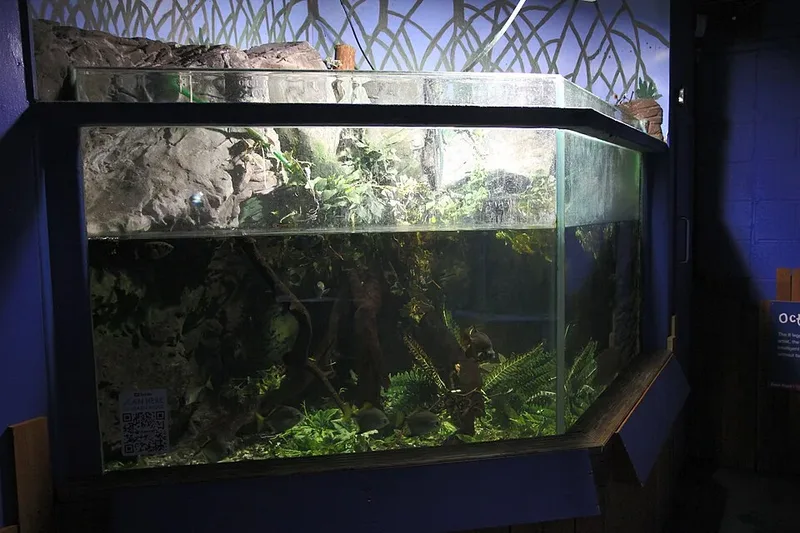
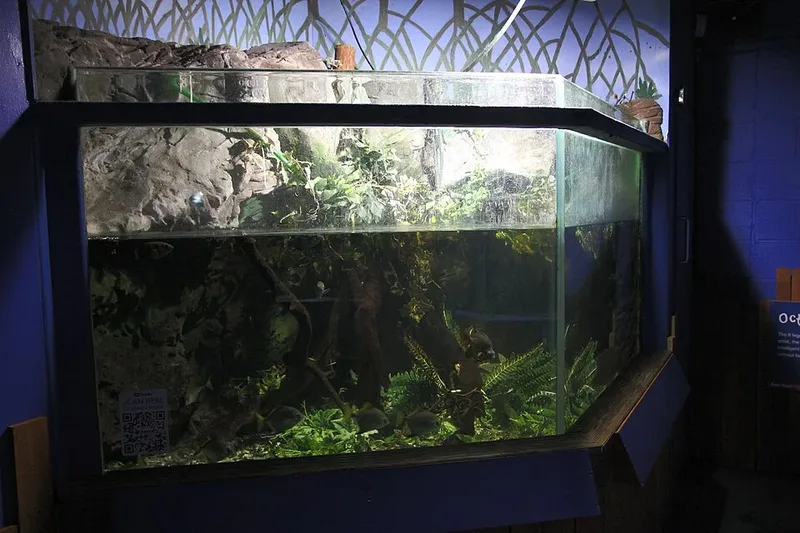
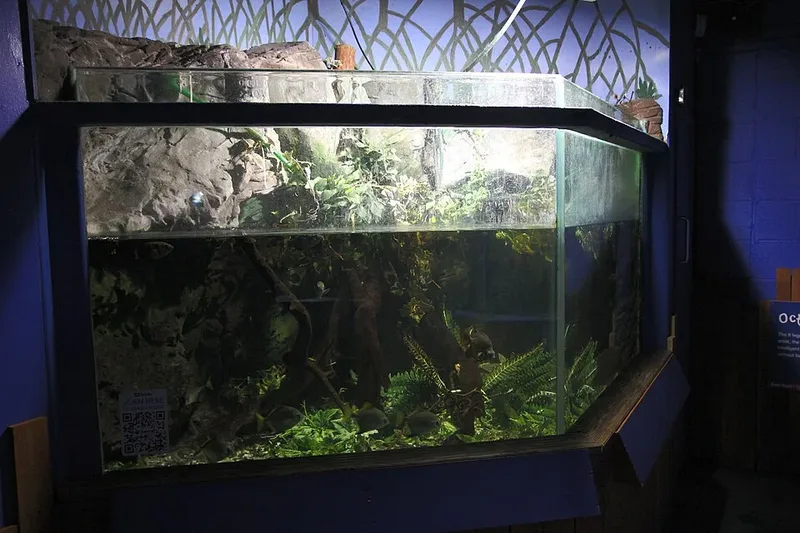
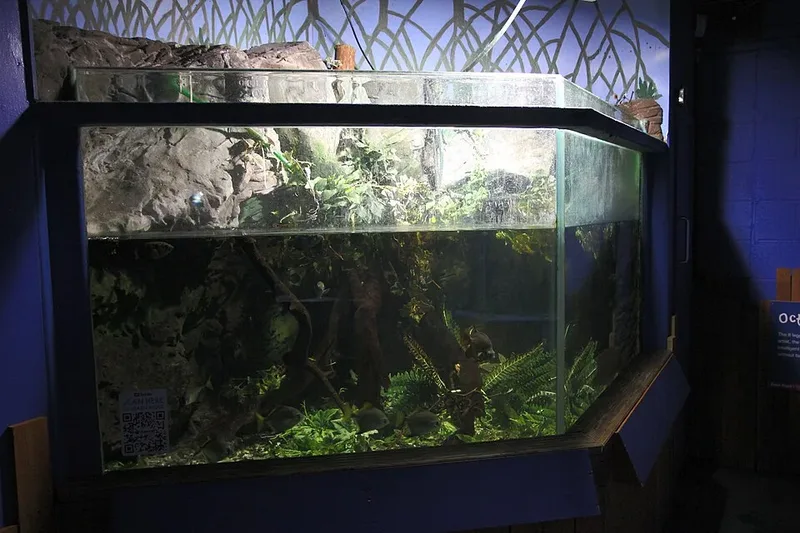
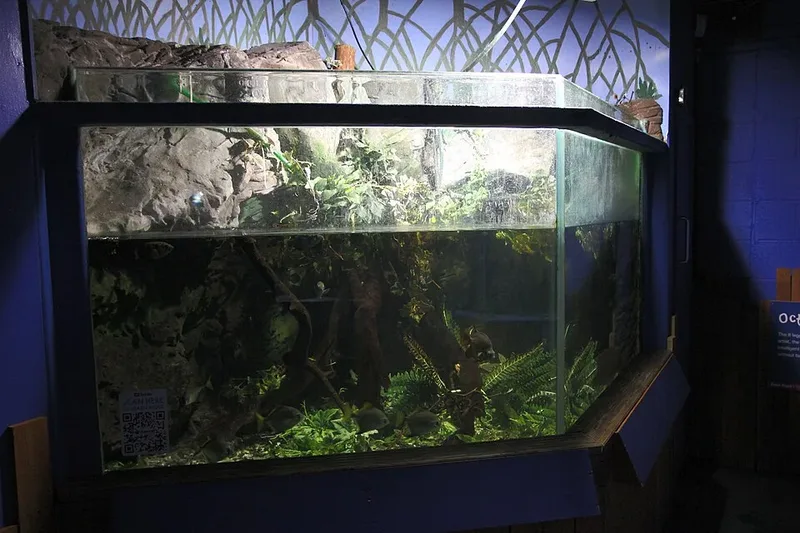
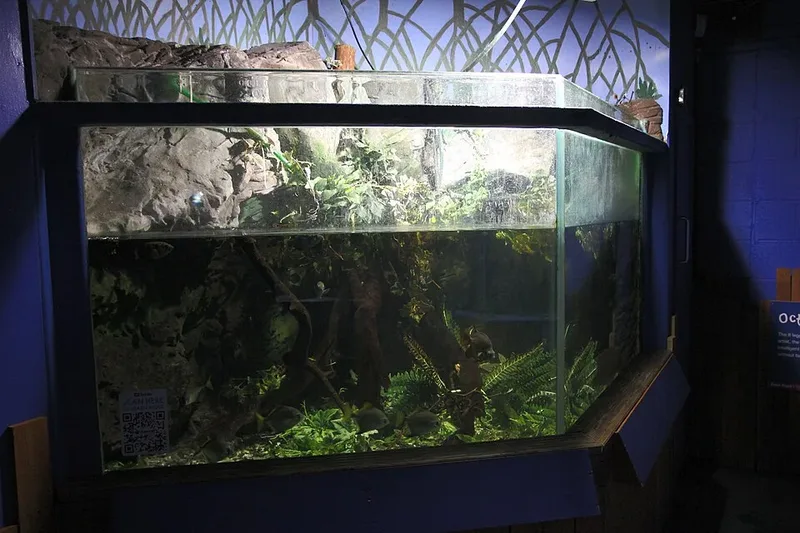
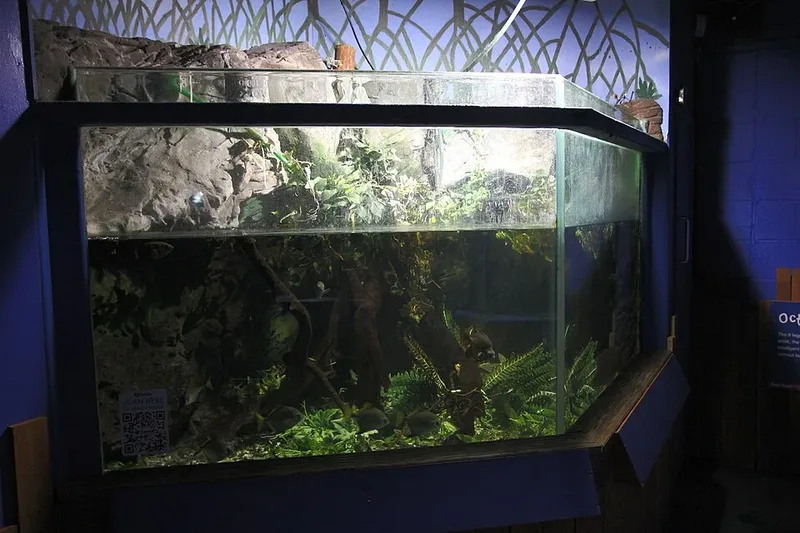
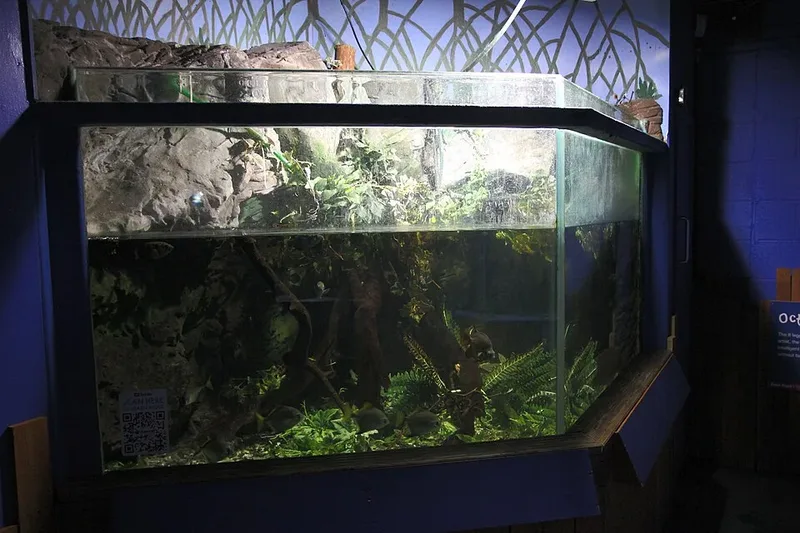
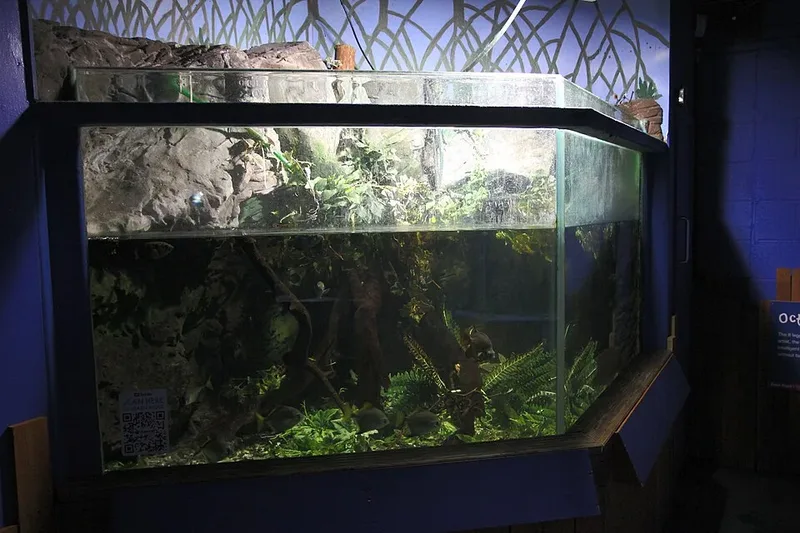
CO2 Regulator Bubble Counter Not Working: Setup
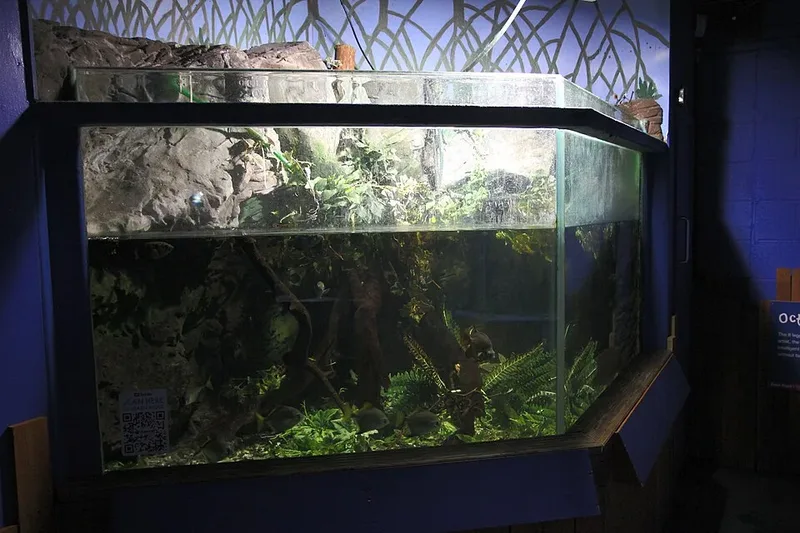
Fix an aquarium co2 regulator bubble counter that stays still, empties, or bubbles unevenly. Check assembly, leaks, pressure, tubing, and safe CO2 flow.
If your FoxESS inverter is showing Error 14, it may stop charging or discharging the battery, or pause power conversion. The most common cause is a grid-voltage or grid-frequency condition outside the limits configured for your inverter; the meaning of Error 14 can vary by model and firmware, so confirm it in your model’s manual or FoxESS app before changing settings.
Grid-connected inverters monitor the AC supply and stop or limit operation when measured conditions do not meet their protection settings. A battery or communication issue can also produce a related fault or prevent recovery, but do not assume the code means the same thing on every FoxESS model.
Open the FoxESS app or web portal and check the inverter’s alarm details and event history. Compare the exact code and wording with the manual for your inverter model and firmware, or ask your installer to confirm it. If the event names grid voltage or frequency, follow the grid checks below; if it names the battery, prioritize the battery and communication checks. A matching description and timestamp confirm you are troubleshooting the right condition.
In the monitoring app, look at the current inverter status and the event time. If Error 14 cleared by itself, note whether it coincided with a local outage, flickering lights, or other equipment restarting. If it remains active, check whether the home has utility power and whether the inverter’s AC isolator or breaker appears tripped. Do not repeatedly reset a breaker that trips again. A stable supply with the alarm cleared points to a temporary grid event; a persistent alarm needs further checks.
Without removing covers, check that the external AC isolator and any battery DC isolator are in their normal operating positions, and look for visible damage, heat, or a burning smell. Do not open the inverter, handle exposed conductors, or operate equipment that is wet or damaged. Follow the shutdown and restart sequence in your model’s manual; it can differ by system. If an isolator is off or a breaker has tripped, contact your installer before restoring power if you do not know why it changed. A stable status after the approved restart is evidence the interruption may have cleared.
Use the FoxESS monitoring screen to review the available grid voltage and frequency readings, along with when the alarm began. Compare them with the operating limits specified for your model and region; do not change grid-protection settings to force operation. If readings repeatedly approach or exceed the documented limits, share the timestamps and readings with your installer or electricity provider. Normal, steady readings after the alarm disappears support a temporary supply issue; repeated excursions call for a qualified investigation.
In the monitoring app, check whether the battery appears online and whether its state of charge is visible. Look for a battery alarm, a communication warning, or a value that is missing or stale. Check only external connectors or indicators that your manual says are user-accessible; never unplug battery wiring while the system is energized. A live battery reading without a battery alarm makes a grid-side cause more likely. An offline battery or its own warning points to a battery, cable, or configuration issue for your installer to diagnose.
Review the battery type and operating mode shown in the app or inverter interface, and compare them with the battery manufacturer’s instructions and your installer’s commissioning record. If the system uses a third-party LiFePO4 battery, such as a compatible Victron setup, confirm the exact FoxESS configuration with the installer rather than selecting a similar-looking profile. EcoFlow, Bluetti, and Anker SOLIX portable power stations are not automatically compatible with a grid-tied FoxESS battery input. A matching, documented battery configuration helps rule out a settings mismatch.
Save a screenshot of the alarm, the event time, current grid readings, battery status, inverter model, and firmware shown in the app. Include whether the error returns after the manual-approved restart and whether other household circuits lost power. These details help distinguish a utility-side fluctuation from an inverter connection or battery issue. If the display shows heat damage, smell, unusual sound, or repeated breaker trips, stop troubleshooting and contact a qualified installer promptly.
| Possible cause | Typical clue | Quick test |
|---|---|---|
| Grid fluctuation | Alarm follows an outage or unstable supply | Review event time and current grid readings |
| AC isolation or supply interruption | Inverter reports no stable grid connection | Check external isolator and breaker position |
| Battery communication or settings | Battery status is offline or a separate warning appears | Check app status and documented configuration |
The meaning depends on the inverter model and firmware, so check the exact alarm wording in the FoxESS app and the model’s manual. Grid voltage or frequency is a common area to investigate, but verify before acting.
First follow the reset or restart procedure in your model’s manual, and only operate accessible controls you are qualified to use. If the alarm returns, do not keep resetting it or alter grid-protection settings; give the event details to your installer.
A battery fault or communication problem can stop normal operation, though Error 14’s exact meaning is model-dependent. Check whether the battery is online and whether it reports its own alarm, then have the installer verify compatibility and settings.
Start with the model-specific alarm description, then use the event history and live readings to separate a grid issue from a battery problem. If Error 14 persists or returns, send your installer the screenshots and readings and ask them to check the grid connection and commissioned battery settings.
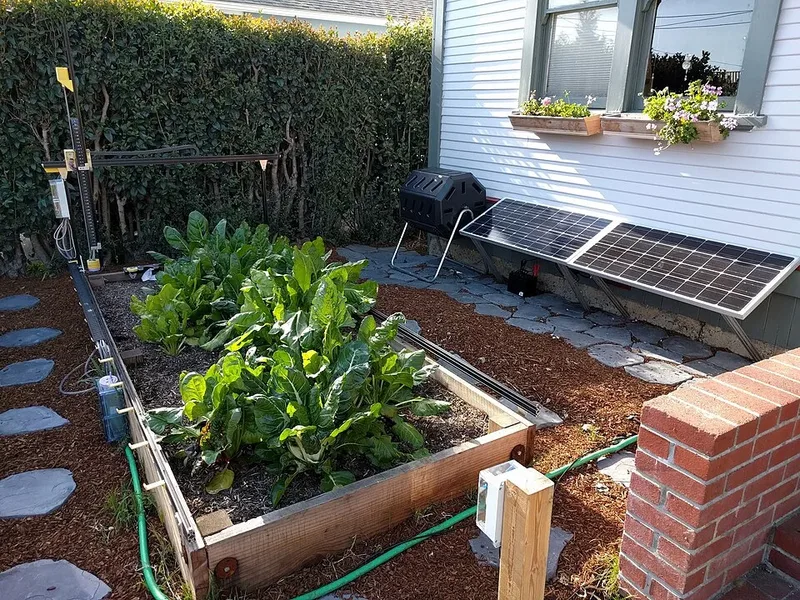
Photo: FarmBot / CC BY 4.0 (Wikimedia Commons)
Fix an aquarium co2 regulator bubble counter that stays still, empties, or bubbles unevenly. Check assembly, leaks, pressure, tubing, and safe CO2 flow.
Fix an aquarium ato float switch stuck by checking buildup, movement, wiring, and controller status, then add safe ATO limits to reduce overflow risk.
Fix reef tank dosing pump calibration with a measured three-point check, tubing inspection, priming, controller steps, and a safe verification run.
Fix apex controller not connecting to wifi by checking AquaBus communication, network compatibility, signal, and Fusion status with practical steps you can try today.
Fix tractive not charging red light issues by checking the charger, contacts, power source, and battery condition, with practical tests to identify the cause.
Fix a tractive tracker not connected to network issue by checking coverage, charging, SIM status, and LTE compatibility before contacting Tractive support.
Fix a petlibro feeder not dispensing by checking food flow, portion settings, the motor, and app connection, with safe steps to confirm the cause.
Fix a Petlibro feeder camera icon that keeps flashing: check Wi-Fi, power, app status, and setup steps to bring the camera back online today.
Petlibro feeder won t connect to wifi? Check your model’s Wi-Fi band, router settings, app permissions, and pairing mode with these practical fixes.
Fix the litter robot 4 pinch detect error by checking the waste drawer, cleaning pinch contacts, reseating the bonnet, and safely testing the cycle.