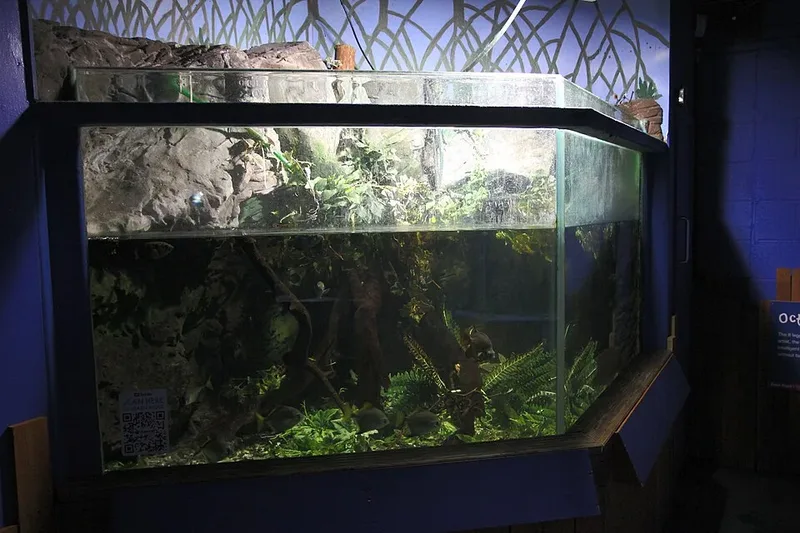
CO2 Regulator Bubble Counter Not Working: Setup
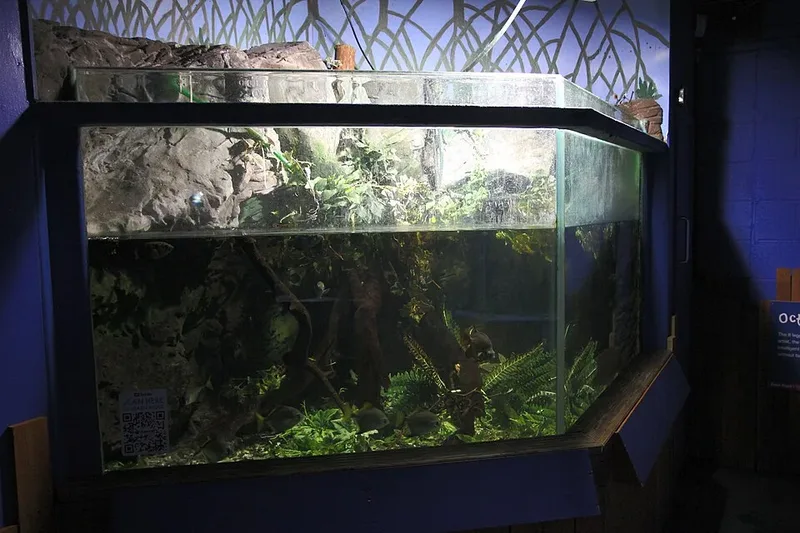
Fix an aquarium co2 regulator bubble counter that stays still, empties, or bubbles unevenly. Check assembly, leaks, pressure, tubing, and safe CO2 flow.
If Frigate is not deleting old recordings, disk use can keep rising even when the retention period looks correct. The most common cause is that recordings are configured to be retained longer than expected, or are set to retain continuously rather than only for motion or alerts.
Frigate applies retention rules by recording type and review category; the timeline you expect may not match the rules that actually apply. Cleanup also depends on Frigate being able to write to its media storage and its maintenance process running.
Open Frigate's configuration file, commonly config.yml, and inspect the record section. Review retain and its mode, plus any events settings such as retain and pre_capture or post_capture. On current versions, consult the configuration reference for your installed version because available options and defaults can vary. A shorter intended retention period and the appropriate mode should be visible after you save and reload the configuration.
Look under cameras: for each camera's record: section. A camera-level setting can override the global policy, so compare its retention values and mode with the global record: block. If the camera is keeping footage longer than the global setting, correcting the override should make its future recordings follow the intended period.
In Frigate's Review view, compare older continuous footage with alert or detection recordings. The UI labels may vary by version. A large amount of continuous footage points to continuous retention; a large event archive points to event retention. Use this check before changing a rule so you shorten the policy responsible for the space, rather than removing useful event history.
Confirm that Frigate's configured media path is mounted to the expected disk and has free space. In Docker, inspect the container's volume mapping in your Compose file or run docker inspect frigate and review the mounts. On the host, check the target filesystem with df -h on Linux. The mount path and available capacity should match your intended storage; a missing mount can leave recordings on the system disk.
Verify that the user running Frigate can write to and remove files in the media directory. On Linux, inspect the directory with ls -ld /path/to/media; check ownership and permissions against your container's configured user. Also check the host's disk and filesystem health. A writable directory and healthy filesystem help confirm that Frigate can manage recordings normally.
Review Frigate's logs in the UI or with docker logs frigate. Look around startup and maintenance activity for storage, database, or permission errors. Resolve an error that names the media path or database, then restart or reload only as appropriate for your deployment. A clean log and continued reduction in old files after the retention window are signs that maintenance is operating.
Higher camera bitrates, more cameras, and continuous recording use more space. Estimate daily storage from the actual recording size over a representative day, then compare it with the disk capacity and retention duration. Reduce bitrate, record less continuously, or shorten retention if the estimate exceeds available space. After the change, check disk usage over the next retention cycle to confirm it levels off.
| Cause | Symptom | Quick test |
|---|---|---|
| Continuous retention | Old footage exists between events | Compare record.retain.mode with the intended policy |
| Camera override | Only some cameras retain too much | Compare each camera's record block with the global one |
| Wrong or unwritable mount | Disk fills unexpectedly or recordings fail | Check Docker mounts, host free space, and directory permissions |
First check the retention mode and duration for continuous recordings and events. Camera-level overrides, storage mount problems, and permission errors can also explain why footage remains or cleanup cannot complete.
Retention changes govern cleanup as Frigate processes its recordings; they may not make disk usage drop at once. Check the logs and storage over time, and avoid manually deleting files while Frigate is running because that can leave its database out of sync.
Use Frigate's supported UI or documented cleanup procedure for your version when available. Avoid removing files directly from the media directory unless the documentation for your version explains how to do it safely; back up important footage first.
When Frigate is not deleting old recordings, the retention rules, per-camera overrides, and media mount are the fastest checks to make today. If disk use still grows, save the relevant configuration and logs, then consult the documentation for your installed version or your deployment support channel.
Photo: Gzen92 / CC BY-SA 4.0 (Wikimedia Commons)
Fix an aquarium co2 regulator bubble counter that stays still, empties, or bubbles unevenly. Check assembly, leaks, pressure, tubing, and safe CO2 flow.
Fix an aquarium ato float switch stuck by checking buildup, movement, wiring, and controller status, then add safe ATO limits to reduce overflow risk.
Fix reef tank dosing pump calibration with a measured three-point check, tubing inspection, priming, controller steps, and a safe verification run.
Fix apex controller not connecting to wifi by checking AquaBus communication, network compatibility, signal, and Fusion status with practical steps you can try today.
Fix tractive not charging red light issues by checking the charger, contacts, power source, and battery condition, with practical tests to identify the cause.
Fix a tractive tracker not connected to network issue by checking coverage, charging, SIM status, and LTE compatibility before contacting Tractive support.
Fix a petlibro feeder not dispensing by checking food flow, portion settings, the motor, and app connection, with safe steps to confirm the cause.
Fix a Petlibro feeder camera icon that keeps flashing: check Wi-Fi, power, app status, and setup steps to bring the camera back online today.
Petlibro feeder won t connect to wifi? Check your model’s Wi-Fi band, router settings, app permissions, and pairing mode with these practical fixes.
Fix the litter robot 4 pinch detect error by checking the waste drawer, cleaning pinch contacts, reseating the bonnet, and safely testing the cycle.