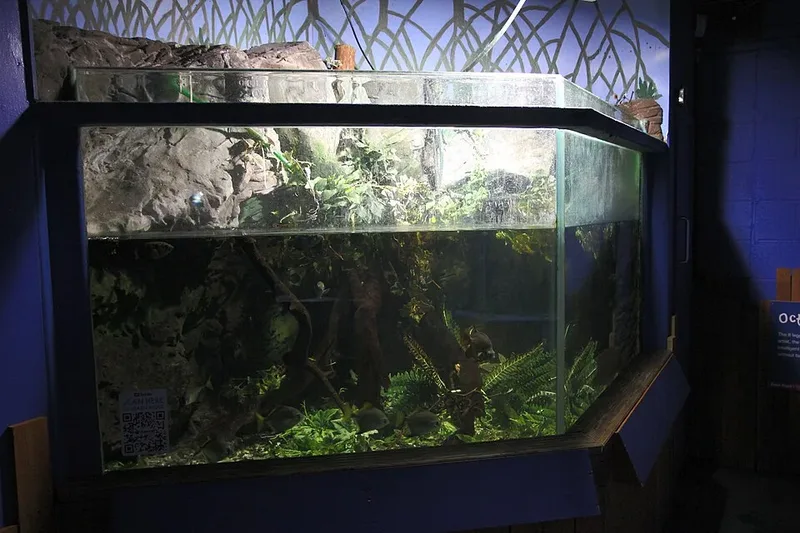
CO2 Regulator Bubble Counter Not Working: Setup
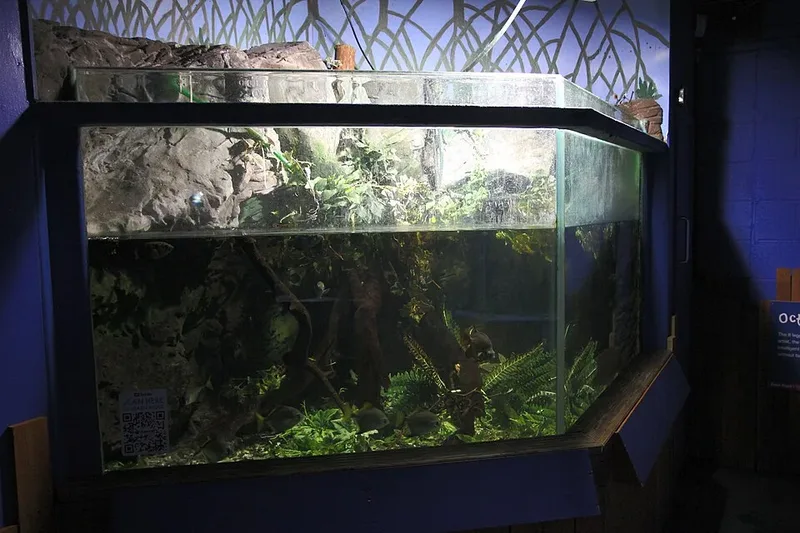
Fix an aquarium co2 regulator bubble counter that stays still, empties, or bubbles unevenly. Check assembly, leaks, pressure, tubing, and safe CO2 flow.
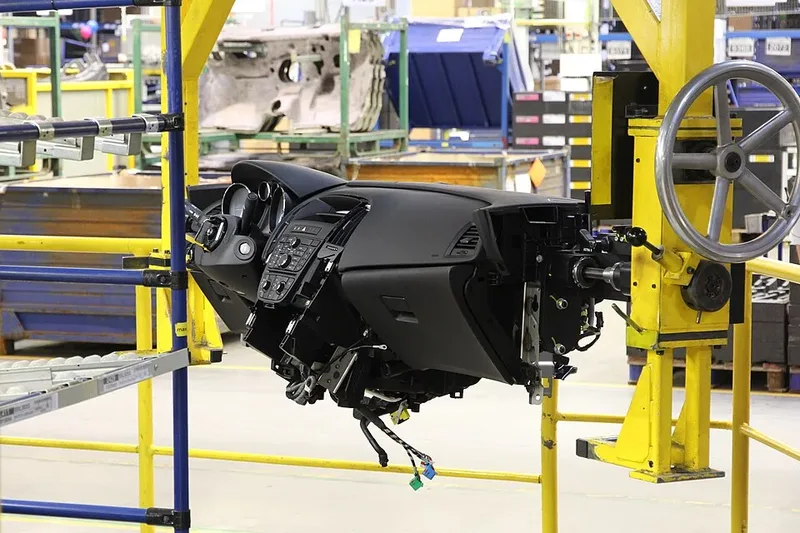
The honda crv tpms light keeps coming on most often because one or more tires are underinflated, commonly after a temperature drop or a slow leak. Set pressures while the tires are cold, using the driver-door-jamb label; adding air without checking for a leak can make the warning return.
Honda CR-V tire-pressure monitoring differs by model year and market. Many CR-Vs use an indirect system that estimates pressure from wheel-speed sensors and needs calibration after pressure or tire changes; some versions use direct pressure sensors in the wheels. The owner’s manual identifies the system and procedure for your vehicle.
| Likely cause | Typical symptom | Quick test |
|---|---|---|
| Low pressure or slow leak | Light returns after inflation or driving | Measure all tires cold; recheck the suspect tire later |
| Calibration needed | Pressure is correct, but warning follows tire service | Run the vehicle’s TPMS calibration procedure |
| Sensor or system fault | Warning flashes, stays on, or will not calibrate | Have a tire shop or Honda-capable scan tool inspect the system |
Park for several hours before measuring, or check before driving far. Use a reliable gauge on all four tires and compare each reading with the pressure on the driver’s door-jamb label, not the maximum pressure printed on the tire sidewall. Inflate or deflate to the vehicle label’s specification. A spare may also need checking if your model monitors it; consult the owner’s manual.
Inspect the tread for a nail or screw, the sidewalls for damage, and the valve stems for cracks or loose caps. Do not pull out an embedded object. If one tire is low again after correcting it, ask a tire shop to check for a puncture, leaking valve, or bead leak. A repeat drop confirms that inflation alone has not fixed the cause.
Cold weather lowers tire pressure, so a tire that was near the warning threshold may trigger the light overnight. Recheck all tires cold after the temperature changes and set them to the door-jamb specification. If the readings remain stable and the warning clears after the required calibration or drive, temperature-related pressure loss was likely; if one falls again, investigate a leak.
First set all tires to the specified cold pressure and confirm the tire sizes match the vehicle’s requirements. Depending on year and trim, calibration may be available through the vehicle’s settings display or a TPMS button. Look in the owner’s manual under tire pressure monitoring or TPMS calibration; follow the exact on-screen prompts for your model, then drive as instructed. A completed calibration and a warning that stays off are the confirming result. Do not calibrate with incorrect pressures.
If the light appeared after a rotation, replacement tires, or a wheel change, verify that all tires are the correct size and inflated properly. Indirect systems may need calibration after service. Direct systems may require compatible sensors and system relearning; the process varies by model. Ask the shop that performed the work to confirm sensor compatibility and complete the required relearn. A warning that clears and remains off after the correct procedure confirms the service issue was addressed.
A light that flashes at startup and then remains on can indicate a TPMS system fault on versions that use that warning pattern. Check the manual for your model’s indicator behavior. If pressures are correct but the warning persists or calibration will not complete, have a qualified shop read the TPMS system with compatible diagnostic equipment; a generic engine-code reader may not access it. The retrieved fault information can distinguish a sensor or communication problem from a pressure issue.
After correcting pressure and completing any required calibration, drive normally as the manual directs and watch for the warning. Measure the tires again when cold the next day, especially if one was notably low. Stable readings and no returning warning support a successful fix; a warning that returns means the underlying leak, sensor fault, or calibration issue still needs attention.
Lower temperatures can reduce tire pressure enough to trigger the warning. Check every tire cold and inflate to the driver-door-jamb specification. If one tire loses pressure again, have it checked for a leak.
Some CR-V versions require calibration after pressure changes, while others use a different system or procedure. Follow the owner’s manual for your year and trim, and calibrate only after setting the correct pressures. A reset does not repair a puncture or sensor fault.
Check tire pressures promptly and inspect for visible damage; a seriously low or damaged tire should not be driven on. If pressures are correct but the light stays on or flashes, arrange diagnosis soon because the monitoring system may not be able to warn you reliably.
The honda crv tpms light keeps coming on usually because pressure is low, a tire is leaking, calibration is needed, or a sensor system has a fault. If cold pressures are correct and the light returns, have a tire professional inspect for leaks and scan the TPMS before replacing parts.
Photo: Marek Ślusarczyk (Tupungato) Photo portfolio / CC BY 3.0 (Wikimedia Commons)
Fix an aquarium co2 regulator bubble counter that stays still, empties, or bubbles unevenly. Check assembly, leaks, pressure, tubing, and safe CO2 flow.
Fix an aquarium ato float switch stuck by checking buildup, movement, wiring, and controller status, then add safe ATO limits to reduce overflow risk.
Fix reef tank dosing pump calibration with a measured three-point check, tubing inspection, priming, controller steps, and a safe verification run.
Fix apex controller not connecting to wifi by checking AquaBus communication, network compatibility, signal, and Fusion status with practical steps you can try today.
Fix tractive not charging red light issues by checking the charger, contacts, power source, and battery condition, with practical tests to identify the cause.
Fix a tractive tracker not connected to network issue by checking coverage, charging, SIM status, and LTE compatibility before contacting Tractive support.
Fix a petlibro feeder not dispensing by checking food flow, portion settings, the motor, and app connection, with safe steps to confirm the cause.
Fix a Petlibro feeder camera icon that keeps flashing: check Wi-Fi, power, app status, and setup steps to bring the camera back online today.
Petlibro feeder won t connect to wifi? Check your model’s Wi-Fi band, router settings, app permissions, and pairing mode with these practical fixes.
Fix the litter robot 4 pinch detect error by checking the waste drawer, cleaning pinch contacts, reseating the bonnet, and safely testing the cycle.