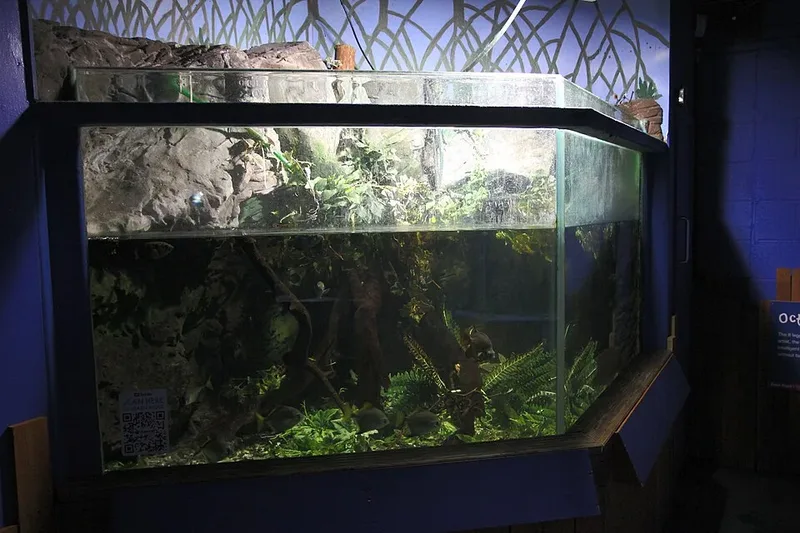
CO2 Regulator Bubble Counter Not Working: Setup
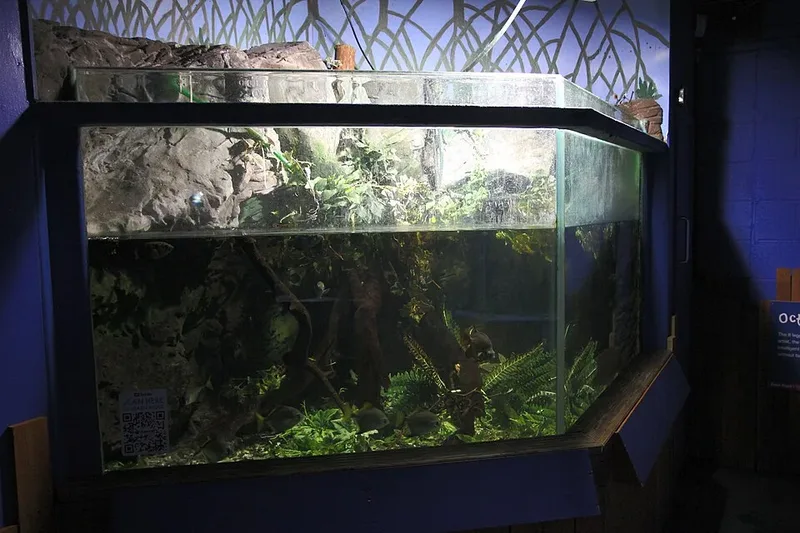
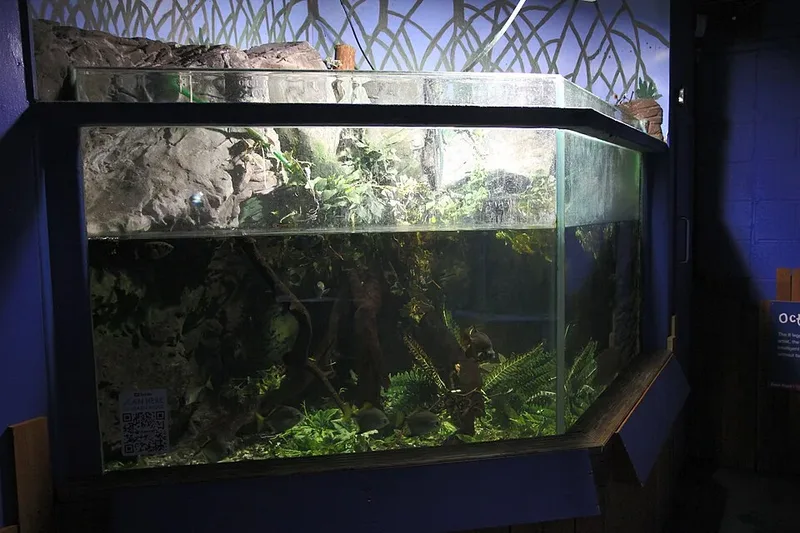
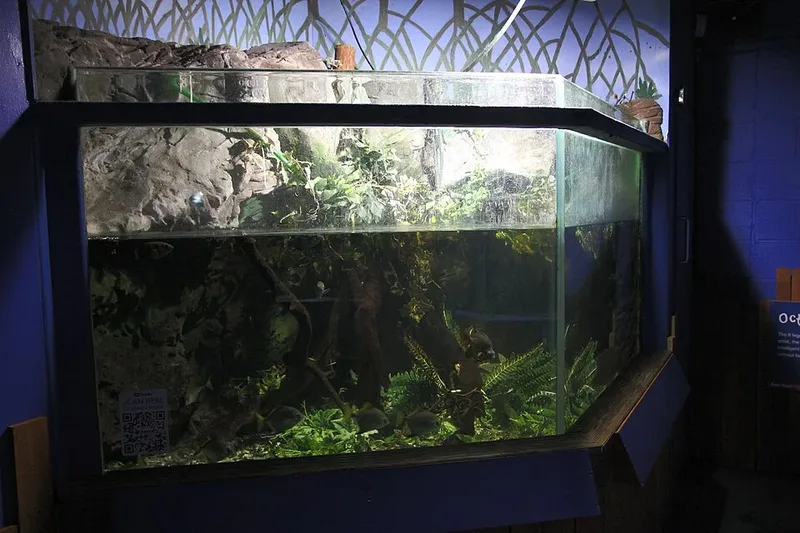
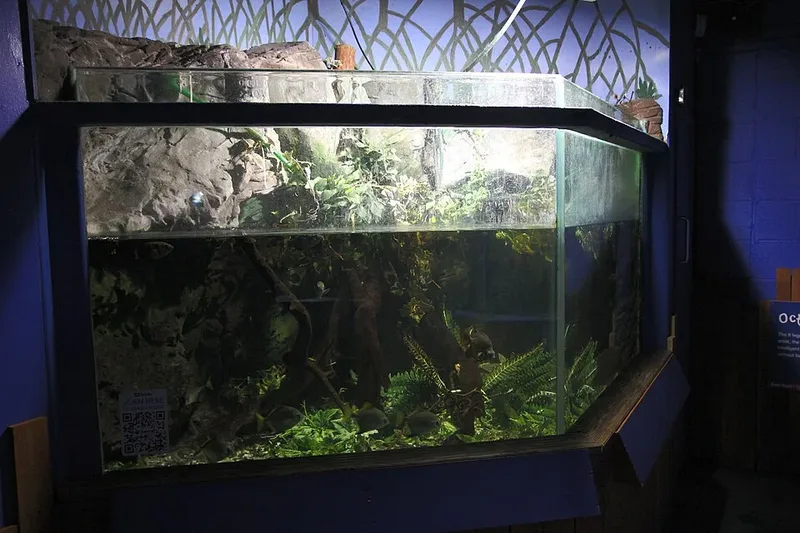
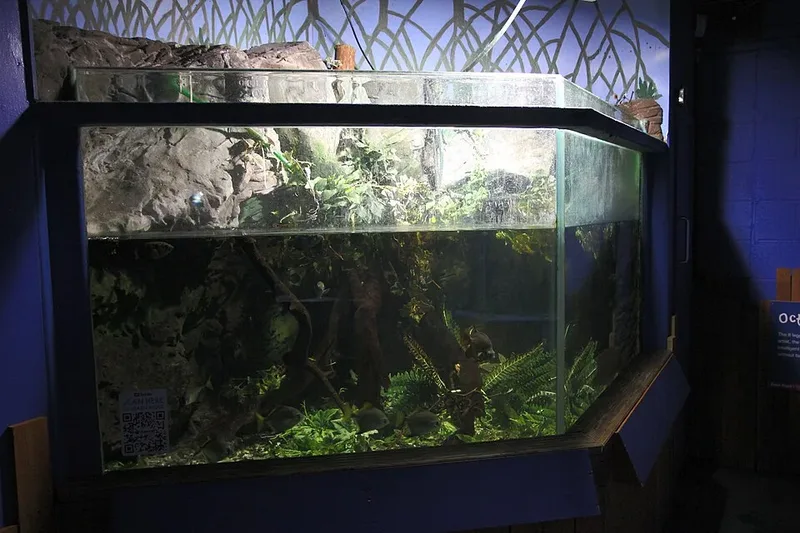
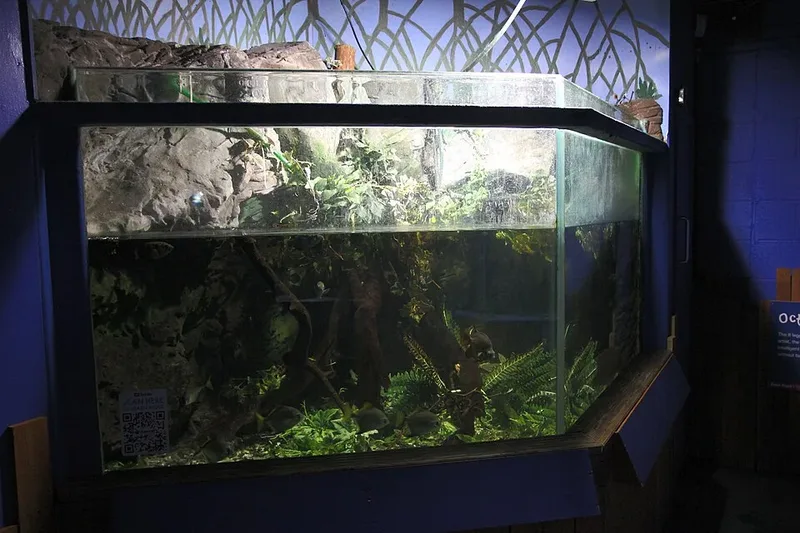
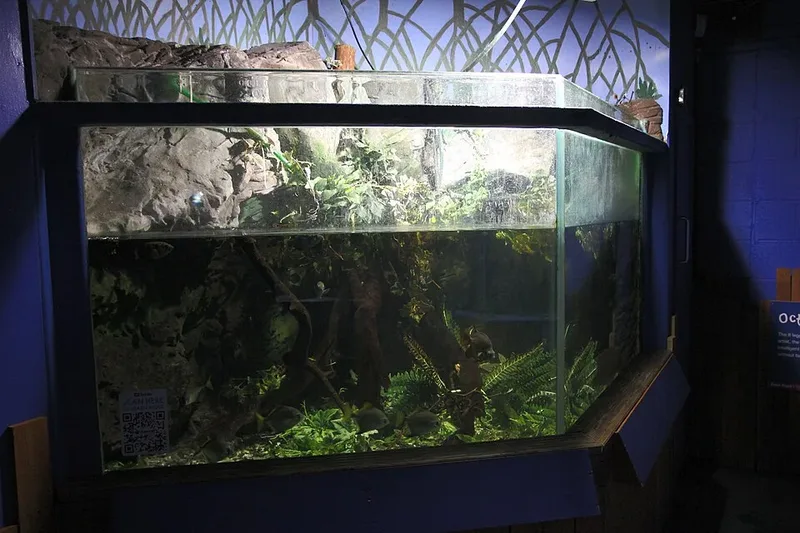
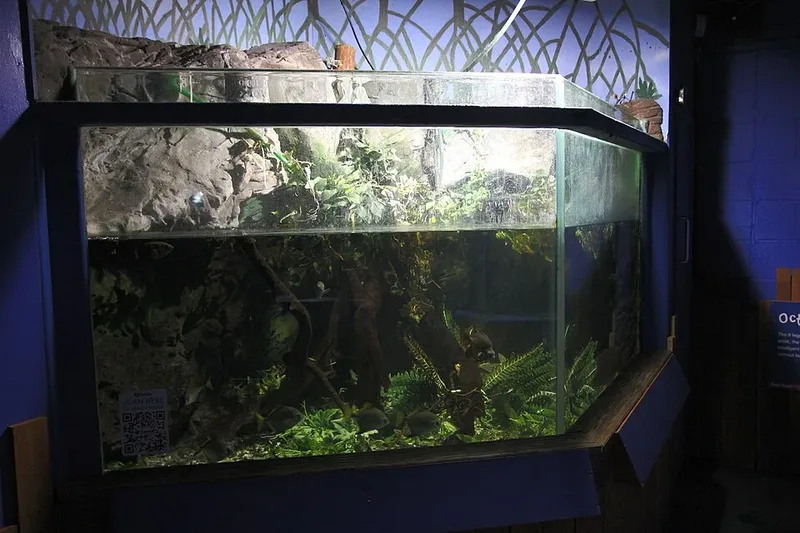
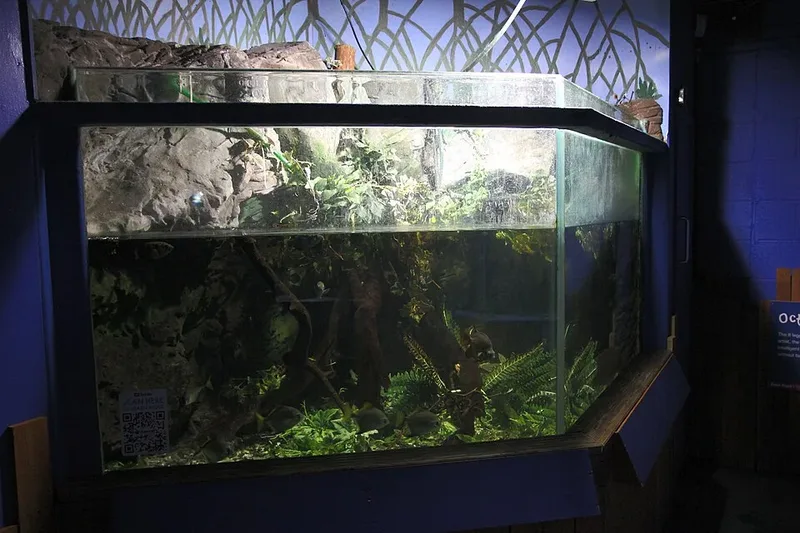
Fix an aquarium co2 regulator bubble counter that stays still, empties, or bubbles unevenly. Check assembly, leaks, pressure, tubing, and safe CO2 flow.
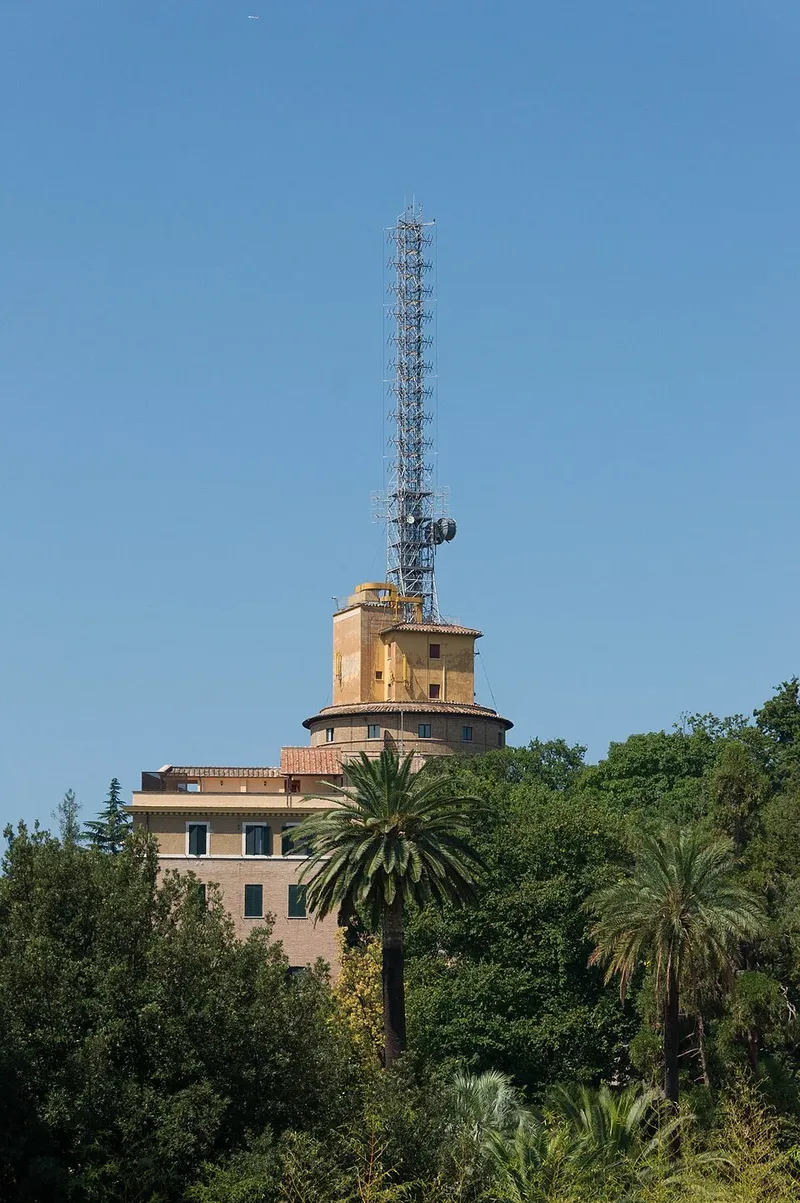
If your RTL-SDR is not detected, SDR software may show no device or fail to open the receiver. On Windows, the most common cause is a missing or incorrect WinUSB driver, often after another program or driver tool changed the device driver.
An RTL-SDR dongle needs both a working USB connection and a driver that the receiving application can use. Windows may recognize the hardware while SDR software still cannot access it.
Unplug the dongle, reconnect it directly to a computer USB port, and try a different port. Avoid hubs and extension cables while troubleshooting. Open Device Manager from the Windows Start menu and check Universal Serial Bus devices, Other devices, and Sound, video and game controllers. The dongle should appear when connected; if nothing changes, test it on another computer or with a known-good data cable if your setup uses one.
Exit SDR#, SDR++, and any other receiver application before testing again. Also close programs that may have opened the device in the background. Start just one SDR application and scan for devices. If the receiver appears after other software is closed, the issue was likely competing access rather than a missing driver.
Use Zadig only when the dongle is visible to Windows but your SDR application cannot open it. In Zadig, choose Options > List All Devices, then select the RTL-SDR device by its displayed name. Confirm the selected device carefully: applying a driver to the wrong USB device can disrupt that device. Choose WinUSB as the target driver and select Install Driver or Replace Driver, as shown in your version. Reopen the SDR application and check whether the receiver is listed.
In SDR#, open the source or device selection control and choose the RTL-SDR receiver, then start the device. In SDR++, select the RTL-SDR source in the source panel before starting reception. Names and controls vary by version, so look for the device or source selector rather than relying on an exact label. If the device is listed and starts, detection is fixed; if it is absent, continue with driver and USB checks.
If the dongle stopped working after a driver change, reopen Zadig and inspect the selected device and installed driver. Confirm that you targeted the RTL-SDR dongle, not a keyboard, mouse, or another USB device. If you accidentally changed another device’s driver, use Device Manager to update or roll back that device’s driver where available. Reinstall WinUSB for the receiver only if the SDR software requires it and the dongle is the selected device.
Test a port directly on the computer, preferably one that you know works for data. On a laptop, connect the power adapter during testing. In Device Manager, open the relevant USB Root Hub or USB hub’s Properties > Power Management tab, if present, and clear Allow the computer to turn off this device to save power. The tab may not appear on every system. Reconnect the dongle and see whether it remains listed during a receiver session.
Test whether the application can start the RTL-SDR before troubleshooting frequency, antenna, or signal settings. A lack of stations does not mean the dongle is undetected: it may be receiving with a poor antenna, wrong frequency, or unsuitable gain. If the software lists the receiver and starts it, detection is working even if you hear no audio or see no signals.
| Cause | Symptom | Quick test |
|---|---|---|
| Wrong or missing driver | Windows sees a device, SDR app does not | Check the selected device in Zadig |
| Bad port, cable, or hub | Device does not appear or disconnects | Connect directly to another port |
| Another app has the receiver open | Device appears but will not start | Close SDR apps and retry one at a time |
| No usable radio signal | Receiver starts but shows no stations | Check antenna and frequency separately |
On Windows, check whether the dongle appears in Device Manager and whether WinUSB is installed for the correct device. Close other SDR programs, then select the RTL-SDR source in SDR# and try again.
Many Windows setups use Zadig to install WinUSB so SDR software can access the dongle. Use it only when needed, and verify the selected USB device before changing its driver.
If the software starts the receiver, detection is working. Check the antenna connection, tuned frequency, gain, and whether a signal is available at your location.
Work through the USB connection, driver, and application checks in order; the key clue is whether Windows lists the receiver and whether the SDR program can start it. If rtl sdr not detected persists on another computer with a known-good port, check the dongle manufacturer’s support information or test the receiver for hardware failure.
Photo: Jebulon / CC0 (Wikimedia Commons)
Fix an aquarium co2 regulator bubble counter that stays still, empties, or bubbles unevenly. Check assembly, leaks, pressure, tubing, and safe CO2 flow.
Fix an aquarium ato float switch stuck by checking buildup, movement, wiring, and controller status, then add safe ATO limits to reduce overflow risk.
Fix reef tank dosing pump calibration with a measured three-point check, tubing inspection, priming, controller steps, and a safe verification run.
Fix apex controller not connecting to wifi by checking AquaBus communication, network compatibility, signal, and Fusion status with practical steps you can try today.
Fix tractive not charging red light issues by checking the charger, contacts, power source, and battery condition, with practical tests to identify the cause.
Fix a tractive tracker not connected to network issue by checking coverage, charging, SIM status, and LTE compatibility before contacting Tractive support.
Fix a petlibro feeder not dispensing by checking food flow, portion settings, the motor, and app connection, with safe steps to confirm the cause.
Fix a Petlibro feeder camera icon that keeps flashing: check Wi-Fi, power, app status, and setup steps to bring the camera back online today.
Petlibro feeder won t connect to wifi? Check your model’s Wi-Fi band, router settings, app permissions, and pairing mode with these practical fixes.
Fix the litter robot 4 pinch detect error by checking the waste drawer, cleaning pinch contacts, reseating the bonnet, and safely testing the cycle.