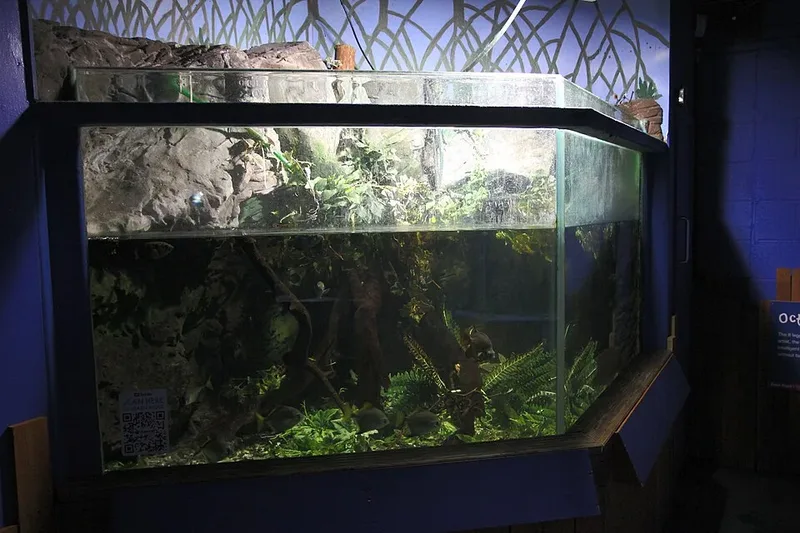
CO2 Regulator Bubble Counter Not Working: Setup
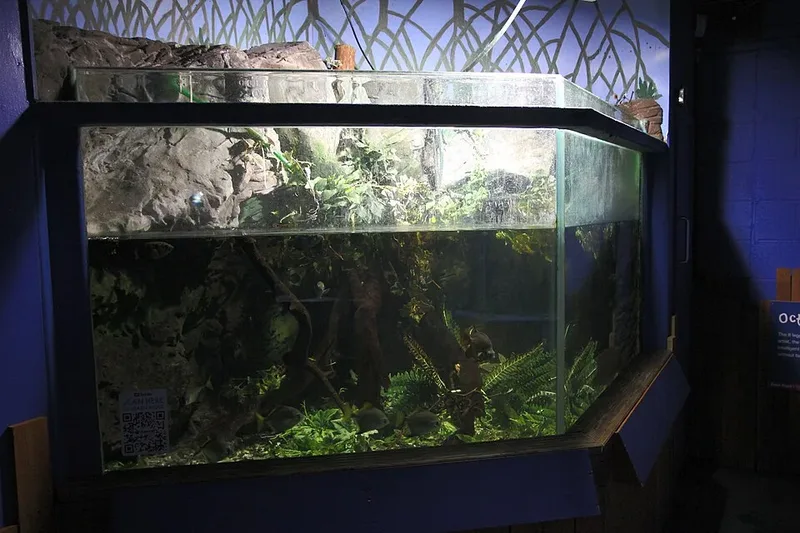
Fix an aquarium co2 regulator bubble counter that stays still, empties, or bubbles unevenly. Check assembly, leaks, pressure, tubing, and safe CO2 flow.
If WSJT-X hears FT8 signals but decodes nothing, the most common cause is an incorrect or unstable computer clock: FT8 depends on accurate timing. The search “wsjt not decoding ft8” often points to a timing or audio path problem, so check synchronization first, then confirm that live receiver audio reaches WSJT-X at a usable level.
FT8 signals are short, time-slotted transmissions that WSJT-X must receive as clean audio during the correct period. A visible waterfall alone does not prove the decoder is receiving valid audio.
Check the system time against a reliable internet time source and enable automatic time synchronization in your operating system’s date and time settings. If you use a dedicated time-sync program, confirm it reports synchronization rather than an error, and avoid running multiple clock-correction tools at once. Restart WSJT-X after correcting a clock that was substantially wrong; decoding on the next full FT8 period is a useful confirmation.
In WSJT-X, open File > Settings > Audio and inspect the input device. Select the device carrying receiver audio: this may be a USB audio interface, the radio’s USB audio device, or a virtual audio cable from SDR software. On Windows, also check Settings > System > Sound > Input and confirm that the same device shows activity while the receiver is tuned to a signal. A moving input meter confirms audio is reaching the computer, though it does not by itself confirm decoding.
With RTL-SDR and SDR# (SDRSharp), make sure the SDR is receiving the intended frequency and that its audio output is routed to the input selected in WSJT-X. If using a virtual cable, choose that cable as SDR#’s output and WSJT-X’s input; avoid selecting the computer microphone unless it is intentionally connected to receiver audio. For a transceiver, check the radio’s USB audio and operating-mode settings, and consult the manual for the correct data or USB audio route. The confirming test is continuous receiver audio in the selected operating-system input.
Open the operating system’s input properties or your SDR’s audio controls and watch the WSJT-X input level while a signal is present. Raise a very low level gradually; reduce a level that stays near maximum or sounds distorted. There is no single correct numerical level for every device, so use WSJT-X’s level indicator and avoid clipping. After adjusting, wait through a complete FT8 receive period and check whether decoded calls appear.
In WSJT-X, select Mode > FT8 and verify the displayed dial frequency matches the radio or SDR. Ensure the receiver is tuned to an active FT8 frequency for your band and region, and use USB or the radio’s appropriate data mode as specified by its manual. Keep the receiver passband wide enough to include the signals shown in the WSJT-X waterfall. If tones appear in the waterfall and remain within its displayed range, the tuning and passband are more likely to be correct.
Confirm Monitor is enabled and let WSJT-X receive through a full transmission period before judging the result. The waterfall should show narrow signal traces, and the frequency scale should cover the signals you expect to decode. If the waterfall is empty, revisit the input device and receiver audio path; if traces are visible but no decodes appear, check timing, mode, tuning, and input quality.
Strong nearby signals, computer-generated noise, or excessive receiver gain can hide weaker FT8 traces. Reduce SDR or radio RF gain if the display is crowded or broadly saturated, and temporarily disable unnecessary noise reduction or audio processing to compare results. Change one setting at a time and observe whether traces become clearer and decodes appear. If you use a Baofeng or another handheld, verify that the radio and interface actually provide a suitable receive-audio connection; a programming connection through CHIRP alone does not route audio into WSJT-X.
| Cause | Symptom | Quick test |
|---|---|---|
| Clock drift | Signals are visible but decodes are absent or inconsistent | Synchronize the computer clock, then observe a full receive period |
| Wrong audio input | Waterfall is blank or shows no changing signal traces | Watch the selected input meter while receiver audio is playing |
| Overload or distortion | Waterfall looks crowded, broad, or clipped | Lower input or receiver gain and compare the display |
A waterfall trace shows energy, but it does not guarantee accurate timing or clean audio at the decoder input. Check system clock synchronization, selected audio input, FT8 mode, and whether the tones are within the receive passband.
FT8 depends on transmissions starting in tightly timed periods, so the computer clock must stay close to UTC. Use automatic time synchronization or a trusted time-sync tool, and confirm it is actually synchronized rather than relying on the displayed clock alone.
An RTL-SDR setup can feed WSJT-X when SDR software routes receiver audio to the selected computer input. A Baofeng needs a suitable receive-audio connection and compatible interface; CHIRP programs radio settings but does not carry audio for decoding.
Work through clock, audio routing, level, and tuning checks in that order; the input meter and waterfall help locate where the signal path fails. If WSJT-X still produces no decodes, note your radio or SDR model, operating system, audio devices, and a screenshot of the waterfall, then compare the audio routing against the equipment manuals or ask an amateur-radio support community.
Photo: Jebulon / CC0 (Wikimedia Commons)
Fix an aquarium co2 regulator bubble counter that stays still, empties, or bubbles unevenly. Check assembly, leaks, pressure, tubing, and safe CO2 flow.
Fix an aquarium ato float switch stuck by checking buildup, movement, wiring, and controller status, then add safe ATO limits to reduce overflow risk.
Fix reef tank dosing pump calibration with a measured three-point check, tubing inspection, priming, controller steps, and a safe verification run.
Fix apex controller not connecting to wifi by checking AquaBus communication, network compatibility, signal, and Fusion status with practical steps you can try today.
Fix tractive not charging red light issues by checking the charger, contacts, power source, and battery condition, with practical tests to identify the cause.
Fix a tractive tracker not connected to network issue by checking coverage, charging, SIM status, and LTE compatibility before contacting Tractive support.
Fix a petlibro feeder not dispensing by checking food flow, portion settings, the motor, and app connection, with safe steps to confirm the cause.
Fix a Petlibro feeder camera icon that keeps flashing: check Wi-Fi, power, app status, and setup steps to bring the camera back online today.
Petlibro feeder won t connect to wifi? Check your model’s Wi-Fi band, router settings, app permissions, and pairing mode with these practical fixes.
Fix the litter robot 4 pinch detect error by checking the waste drawer, cleaning pinch contacts, reseating the bonnet, and safely testing the cycle.