Home
» Horoscope
»
April 2020 Chinese Zodiac: Metal Rat Traits and a 2027 Outlook
April 2020 Chinese Zodiac: Metal Rat Traits and a 2027 Outlook
Anyone born from April 1 through April 30, 2020, is a Metal Rat in the Chinese zodiac. Lunar New Year began on January 25, 2020, so April falls well after the annual boundary. The Hong Kong Observatory’s calendar labels 2020 the Geng-zi year of the Mouse; Geng-zi is commonly rendered as Metal Rat in the traditional stem-and-branch element system. This is a cultural calendar and interpretive tradition, not a scientific personality test.
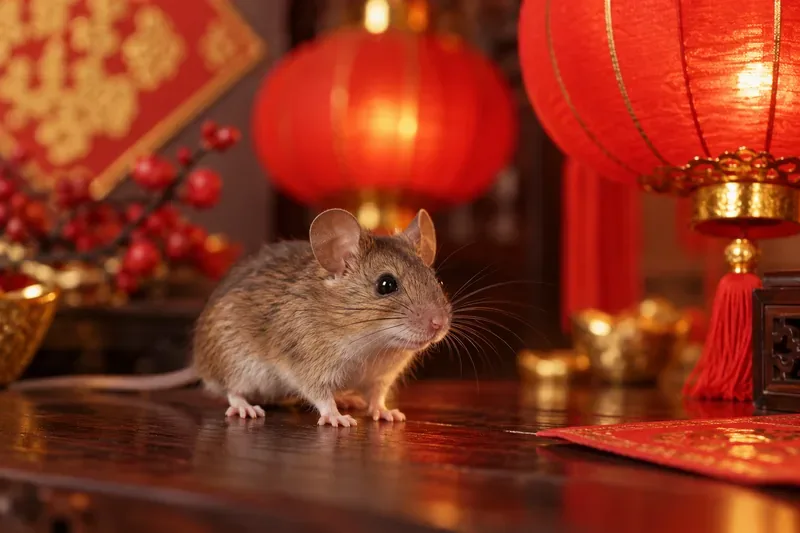
A rat beside red lanterns, evoking the animal sign assigned to April 2020 births.
What is the Chinese zodiac sign for April 2020?
April 2020 births share the same year sign: Rat, paired with the Metal element. The lunar-year boundary matters because Chinese zodiac years do not begin on January 1. For comparison, people born from January 1 through January 24, 2020, were still in the preceding Pig year under the Hong Kong Observatory’s lunar calendar; the Rat year began January 25. The next lunar year began February 12, 2021, making the Rat-year range January 25, 2020, through February 11, 2021.
Because April is wholly inside that range, no April date changes the year animal or element. If you are checking a birth near a Lunar New Year boundary, use the date and calendar convention for the birthplace rather than assigning a sign from the Gregorian year alone.
What does the Metal Rat sign traditionally mean?
The Rat is first in the 12-animal cycle. In traditional descriptions, Rat energy is associated with alertness, adaptability, curiosity, social intelligence, and resourcefulness. Metal is often interpreted as adding resolve, discipline, directness, and a strong preference for clear goals. Together, the combination is commonly described as observant and quick to organize, with a practical instinct for making the most of limited resources.
These are symbolic themes, not traits that every April 2020 child will have. A useful way to apply them is as prompts: Does the child enjoy exploring a new activity? Do they like a predictable plan, or do they adapt easily when plans change? Actual temperament develops through many influences, including family, health, culture, and experience.
Strengths and possible blind spots
Traditional strengths: noticing details, learning quickly, communicating needs, making connections, and finding workable alternatives.
Possible challenges: becoming overly cautious, trying to control uncertainty, holding on to resources too tightly, or moving so quickly that others need more time to catch up.
For a caregiver, the balanced takeaway is to encourage curiosity and planning while also making room for rest, sharing, and mistakes. The zodiac label should never be used to limit a child’s interests or explain away behavior that deserves attention on its own.
Who is the Rat traditionally compatible with?
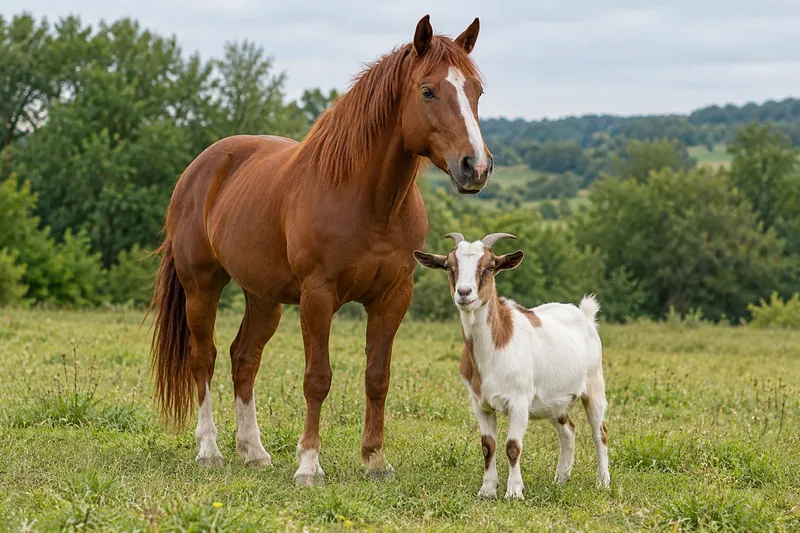
One common compatibility framework groups Rat, Dragon, and Monkey as a harmonious trio. The Ox is also often presented as a supportive match, while Horse is placed opposite Rat on the zodiac wheel and described as a more challenging pairing. The International Dunhuang Programme, a British Library and Dunhuang Academy learning resource, explains this wheel-based approach and notes that year signs are only one part of a fuller reading.
These pairings are traditional interpretations, not a reliable way to judge a real relationship. People born in a year associated with any animal can build caring friendships and partnerships. For adults using compatibility as a conversation starter, Rat–Dragon or Rat–Monkey symbolism can suggest shared energy and initiative; Rat–Ox can prompt a discussion about steadiness and planning; Rat–Horse can invite a conversation about different needs for pace and independence.
Traditional Rat descriptions often emphasize attentiveness and loyalty to a close circle. In adult relationships, that can be interpreted as showing care through checking in, remembering details, and planning for shared needs. The Metal influence may symbolize a preference for honesty and dependable commitments. A possible downside is expecting others to infer needs without saying them aloud, or treating every uncertainty as a problem that must be solved immediately.
For caregivers, the practical version is simple: model direct communication and reassurance. A horoscope cannot tell you how a child will form attachments or what kind of partner they may become. Their future relationships will depend on their own choices and circumstances.
What career and money themes are associated with a Metal Rat?
Astrology-based profiles often connect Rat qualities with roles that reward observation, communication, negotiation, research, logistics, or careful use of resources. Metal symbolism adds structure and persistence, so traditional descriptions may favor work where a person can set priorities and see progress. These themes are possibilities, not career recommendations or a prediction of success. A person’s abilities, education, interests, opportunity, and working conditions should guide real choices.
Likewise, “money luck” is not a reason to invest, borrow, or spend. The traditional Rat image is sometimes linked with resourcefulness and accumulation; a practical translation is to teach budgeting, comparison shopping, and saving toward a chosen goal. For a child, age-appropriate habits and family circumstances matter more than a forecast.
What are the Rat’s traditional lucky associations?
Lucky-symbol lists differ across sources and traditions. The Smithsonian’s National Postal Museum notes blue as one color said to be lucky for people born in a Rat year. It is best understood as a symbolic association: a blue notebook, artwork, or clothing choice can be personally meaningful, but it does not cause good fortune. Numbers and other lucky symbols are not consistent enough to present as universal facts, so this guide does not prescribe a number or promise a result.
2027 outlook for an April 2020 Metal Rat
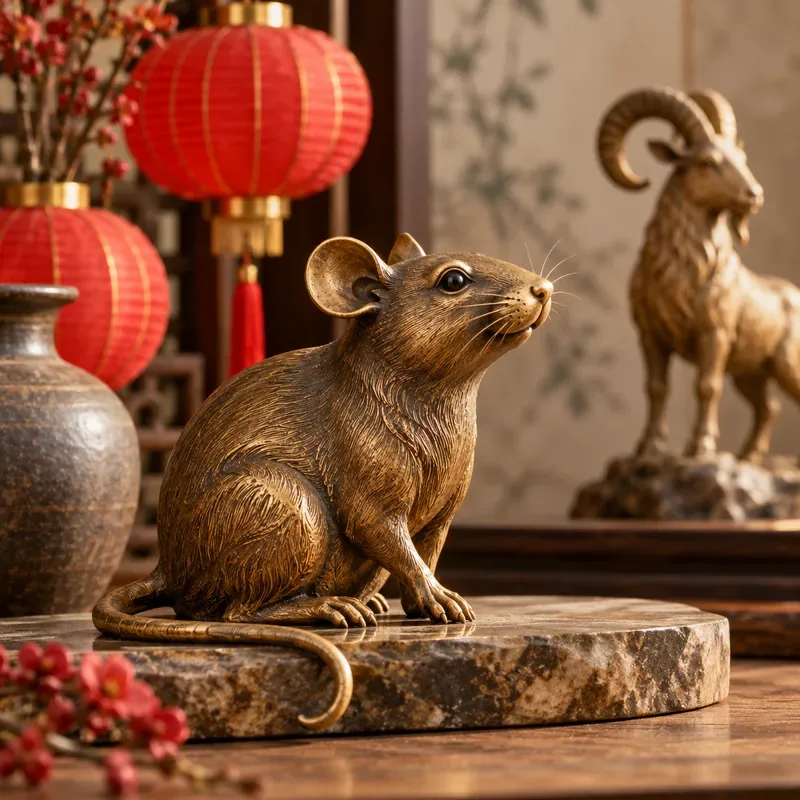
The Hong Kong Observatory’s official conversion table identifies 2027 as Ding-wei, the Year of the Goat (also called Sheep or Ram in some English references), beginning February 6, 2027. The first part of January and early February remains in the preceding lunar year. The following is a traditional, entertainment-style reading for a Rat child and their caregivers; it is not a forecast of events. In 2027, someone born in April 2020 turns seven by the Gregorian calendar.
Love and family
Use the Rat’s traditional emphasis on attention as a reminder to make space for one-on-one time and honest conversations. If family schedules are busy, predictable routines may help a child feel heard. This is a practical suggestion, not a claim that the Goat year will change family relationships.
School, activities, and future career interests
For a seven-year-old, “career” is better understood as curiosity and skill-building, not a path to choose. Offer age-appropriate chances to explore reading, building, music, sports, or teamwork. Let the child’s interest and wellbeing—not a zodiac prediction—determine what to continue.
Money
Keep financial decisions with responsible adults. A caregiver can make 2027 a useful year to teach simple habits such as saving part of gift money, distinguishing needs from wants, and discussing purchases without shame. Do not treat lucky colors, numbers, or horoscope timing as investment guidance.
Health
No zodiac sign can diagnose or predict a health outcome. Support ordinary wellbeing with sleep, movement, balanced meals, preventive care, and a clinician’s advice when needed. If a concern arises, respond to the child’s actual symptoms rather than a horoscope.
Favorable periods and practical cautions
Rather than inventing lucky dates, use the start of the school year, a new activity, or a family planning weekend as favorable checkpoints for setting small goals. Traditional Rat–Goat readings may describe different styles or priorities; in practice, patience and clear expectations are more useful than assuming conflict is inevitable. Avoid labeling the child as lucky, unlucky, stubborn, or destined for a particular outcome.