Home
» Horoscope
»
February 1991 Chinese Zodiac: Metal Horse or Metal Goat? 2027 Horoscope
February 1991 Chinese Zodiac: Metal Horse or Metal Goat? 2027 Horoscope
Quick answer: February 1991 has two Chinese zodiac signs because Lunar New Year fell on February 15, 1991. Birthdays from February 1 through 14 are in the Metal Horse year (Geng Wu, 庚午); birthdays from February 15 through 28 are in the Metal Goat year (Xin Wei, 辛未). Goat is also translated as Sheep or Ram. This guide uses the Lunar New Year boundary and treats personality descriptions, compatibility, lucky symbols, and the 2027 horoscope as cultural or entertainment interpretations—not guarantees.
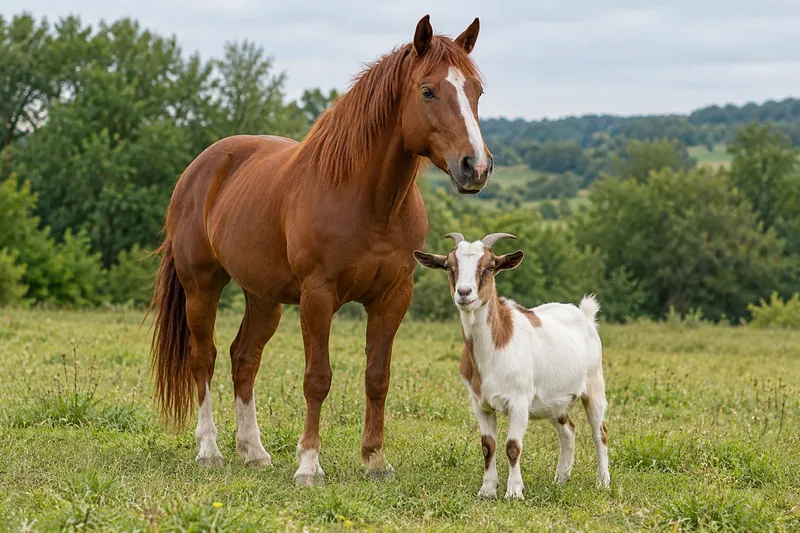
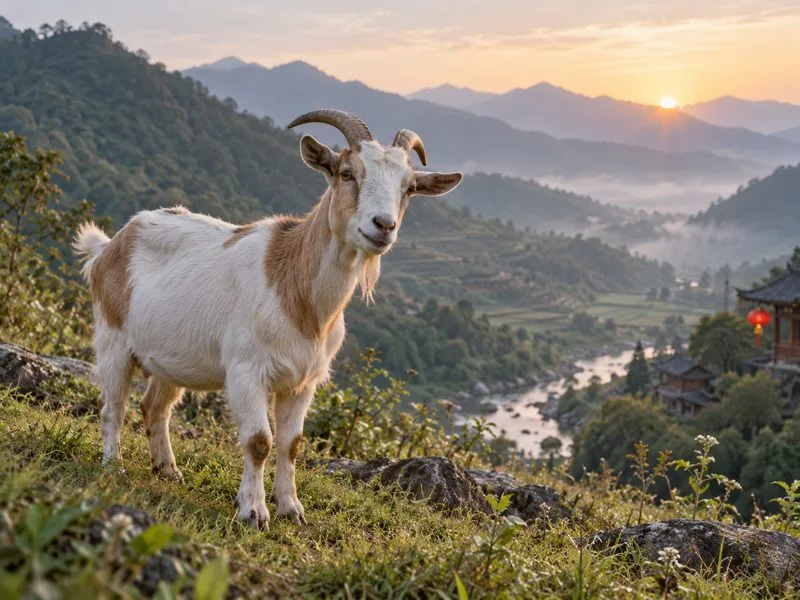
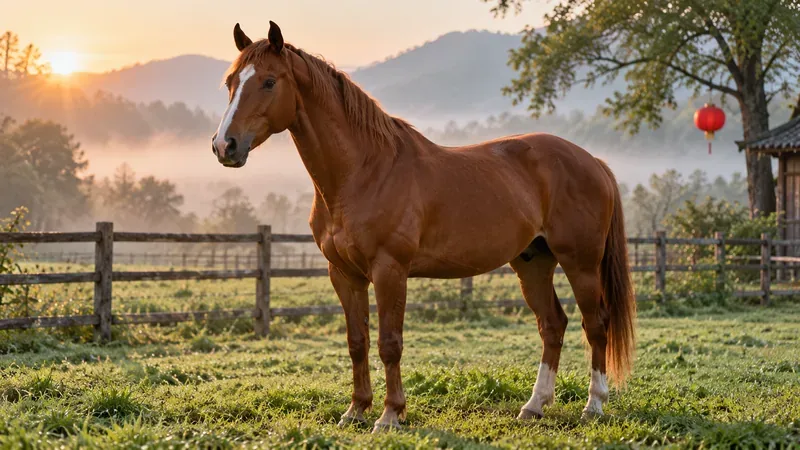
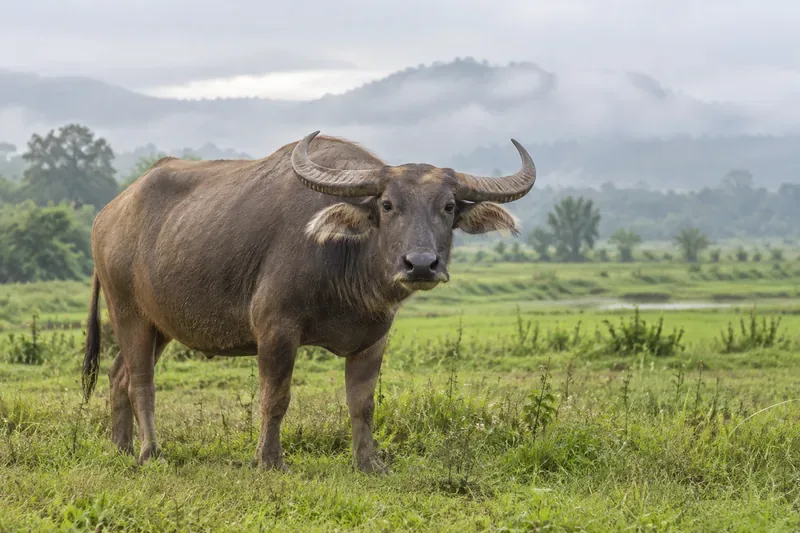
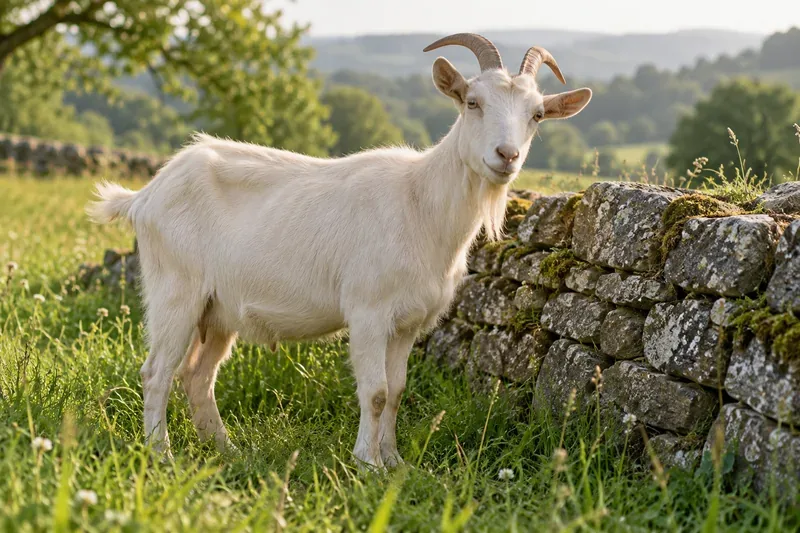
A horse and goat share a quiet meadow, reflecting the two Chinese zodiac signs that divide February 1991.
Start Here: Find Your February 1991 Sign
First, compare your Gregorian birthday with Lunar New Year. The Hong Kong Observatory’s conversion tables identify 1990 as Geng-Wu, the Year of the Horse, and 1991 as Xin-Wei, the Year of the Goat; the first day of the 1991 lunar year was February 15.
Gregorian birth date
Chinese zodiac sign
Traditional year name
February 1–14, 1991
Metal Horse
Geng Wu (庚午)
February 15–28, 1991
Metal Goat
Xin Wei (辛未)
Check the official 1990 calendar table and 1991 calendar table if you want to see the date mapping. Both date ranges have the Metal element under the stem-based method, but their animal signs differ.
A Simple Three-Step Check
Use your Gregorian birth date and confirm the year’s Lunar New Year date.
Compare the date with the cutoff. For February 1991, February 14 is still Horse; February 15 begins Goat.
Keep the calendar method consistent. A standard zodiac-year lookup needs the birth date; a full BaZi reading uses the year, month, day, and hour pillars and may follow a different boundary convention.
What “Metal Horse” and “Metal Goat” Mean
The traditional year label comes from a 60-year cycle that pairs a heavenly stem with an earthly branch. The stem contributes an element, while the branch supplies the animal. In Geng Wu, Geng is the Metal stem and Wu is the Horse branch. In Xin Wei, Xin is Metal and Wei is the Goat branch. Metal here is one of the Five Phases—Wood, Fire, Earth, Metal, and Water—not a reference to a person’s body or to Western astrology. This article uses the stem-based element naming; some calendars also apply a different Five-Element method to the full stem-branch pair and may show another element label. The Macao Post’s cultural note explains the distinction and identifies Xin-Wei 1991 as a Metal Goat under the stem-based method. The Observatory explains the stem-and-branch cycle in its Chinese calendar guide, and the Macao Post Goat-year note describes the element-naming approaches.
A boundary note for early-February birthdays: Some BaZi, or Four Pillars, readings change the year at Li Chun (“Spring Commences”), a solar term, rather than at Lunar New Year. The 1991 Observatory table lists Spring Commences on February 4 and Lunar New Year on February 15, so a reader using that other method may assign a different year sign to some February 4–14 births. This article follows the Lunar New Year method requested here. If you consult a BaZi practitioner, ask which calendar boundary they use.
Metal Horse: Personality, Strengths, and Challenges
Traditional Horse descriptions emphasize energy, independence, sociability, and a preference for movement over waiting. The Metal layer is commonly read as adding resolve, ambition, and firmer standards. A Metal Horse may enjoy taking initiative, speaking plainly, and working toward a visible goal.
Strengths: decisive, adaptable, persuasive, resilient, and comfortable taking ownership.
Possible challenges: impatience, restlessness, overcommitment, or resistance to close supervision. Directness can sound harsher than intended.
For a beginner, treat these traits as prompts for reflection rather than a personality test. The useful question is whether independence helps you deliver—or makes it harder to coordinate with people who share the work.
Metal Goat: Personality, Strengths, and Challenges
Traditional Goat readings often highlight thoughtfulness, creativity, sensitivity to atmosphere, and a desire for cooperation. The Metal stem adds a more resolute or exacting note in some interpretations: a Metal Goat may be gentle in manner while holding firm standards about quality, loyalty, or fairness.
Strengths: considerate, observant, patient, imaginative, dependable, and skilled at making a group feel included.
Possible challenges: avoiding a difficult conversation, second-guessing a choice, or giving too much to keep the peace. High standards can turn into perfectionism.
A practical balance is to state preferences early. Cooperation works better when it includes clear limits, credit for your work, and time to make decisions.
Love Style and Compatibility
Metal Horse in love: often described as expressive, warm, and drawn to an honest relationship that leaves room for independence. Reliability matters, but so does a sense of shared adventure. A useful caution is to talk through a disagreement before deciding that space means rejection.
Metal Goat in love: often described as devoted, attentive, and sensitive to a partner’s tone and needs. Security and kindness matter more than grand gestures. A useful caution is not to expect a partner to guess what you need; say it directly before resentment builds.
In common compatibility traditions, Horse is often paired with Tiger and Dog, while Goat is often paired with Rabbit and Pig. Some systems also call Horse and Goat a harmonious pairing. Tables differ, and no birth-year match can determine how a real relationship will work. Shared values, communication, and how two people repair conflict are better guides than a zodiac label. The China Culture portal’s zodiac overview presents one version of these folk pairings.
Career Tendencies and Lucky Associations
Horse tendencies: Horse symbolism often fits work with variety, autonomy, communication, or fast-moving goals—such as project leadership, sales, entrepreneurship, or field work. Set priorities and handoffs clearly so enthusiasm does not turn into too many unfinished commitments.
Goat tendencies: Goat symbolism often fits creative work, teaching, design, service, coordination, or roles that reward care and craft. A stable team can bring out those strengths; clear deadlines and ownership help prevent quiet overwork.
Popular lucky lists commonly associate Horse with numbers 2, 3, and 7, and Goat with 2 and 7. Color lists vary: Horse lists may use green or yellow, while Goat lists may use red, purple, or green. Goat also appears in the traditional blessing “Goat of Great Fortune,” a wordplay motif discussed in the Macao Post cultural note linked above. Because the birth-year element adds another interpretive layer, there is no single official lucky-number or color set for every Metal Horse or Metal Goat. Use these symbols for cultural interest or celebration, not to choose investments, treatment, or major life decisions.
2027 Horoscope for February 1991 Birthdays
The Hong Kong Observatory’s 2027 conversion table identifies a Ding-Wei Year of the Goat, with Lunar New Year on February 6, 2027. Under the stem-based Five-Element method, Ding is Fire, so this is commonly called the Fire Goat year; Goat may also be translated as Sheep or Ram. The Gregorian year does not switch zodiac signs on January 1, so this outlook uses the Fire Goat period beginning February 6. See the Observatory’s 2027 Gregorian-Lunar calendar and the Macao Post note explaining that Ding corresponds to Fire.
The forecast below is a light traditional reading, not a factual prediction. Read the column matching your birthday range.
Area
Metal Horse February 1–14
Metal Goat February 15–28
Love
Use directness to build trust, but make space for a partner’s pace. Singles may benefit from steady conversation over a rushed commitment.
Be caring without carrying every emotional task. Set expectations clearly, especially around time, family, and shared plans.
Career
Collaboration can help turn initiative into visible progress. Confirm scope and deadlines before taking on extra work.
Creative or team-based work may feel meaningful. Ask for clear ownership and recognition so cooperation does not become invisible labor.
Money
Pause before impulse spending or a high-pressure opportunity. A simple savings target can keep plans grounded.
Keep generosity within a planned budget. Review recurring costs and avoid agreeing to financial commitments just to prevent awkwardness.
Health
Protect rest and recovery when a busy schedule tempts you to push through fatigue.
Keep regular routines and make room for stress relief rather than absorbing everyone else’s concerns.
Favorable Periods and Practical Cautions
As broad planning windows—not almanac-certified lucky dates—use late February through April to agree on priorities and reconnect with collaborators, June through August to present completed work or take on a well-scoped project, and September through November to review budgets, duties, and long-term plans. These periods are reflective prompts, not guarantees of success.
For a Metal Horse, the main caution is speed: do not make an irreversible choice before checking the details. For a Metal Goat, it is over-accommodation: do not say yes automatically when the cost is too high. A person born under the Goat in February 1991 will also be in a Goat year in 2027, though the element changes from Metal to Fire. Some folk customs treat a person’s own-animal year as a time for extra care or protective traditions; it does not mean that misfortune is certain. The Lam Museum of Anthropology at Wake Forest describes this as one cultural belief in its Chinese zodiac explainer.
The date cutoffs and year names are checked against the Hong Kong Observatory’s 1990 table, 1991 table, and 2027 table. Its calendar guide explains why Lunar New Year and Spring Commences can be used as different year boundaries. The Macao Post source discusses alternate Five-Element naming methods and traditional Goat symbolism. The Lam Museum of Anthropology’s zodiac explainer gives context for animal-year folklore. Personality, compatibility, and lucky-symbol descriptions above summarize popular cultural interpretations; traditions and published lists vary.