Ever clicked on an ancient website only to face rendering glitches, broken forms, or endless errors? You're not alone! Many older websites built for Internet Explorer still linger online, refusing to play nice with modern browsers. Enter IE Mode in Microsoft Edge – Microsoft's genius solution that emulates the classic IE11 engine right inside Edge. No more switching browsers or dusty VMs. In this guide, we'll show you exactly how to enable IE Mode in Microsoft Edge, add sites, and troubleshoot like a pro. Let's revive those relics effortlessly! 🚀
What is IE Mode and Why Do You Need It?
IE Mode in Microsoft Edge lets you load websites using the Trident rendering engine from IE11, ensuring pixel-perfect compatibility for legacy apps and sites. Perfect for enterprise tools, government portals, or vintage forums that crash in Chromium-based browsers. According to Microsoft's official documentation, it's the recommended path forward as IE retires, keeping your workflow uninterrupted.
Benefits? Lightning-fast setup, seamless tab-switching, and automatic site detection. Ready to dive in? Follow these foolproof steps! ⭐
Prerequisites Before Enabling IE Mode
- ✅ Microsoft Edge version 80 or later (latest stable recommended).
- ✅ Windows 10 or 11 (IE Mode isn't available on macOS or Linux).
- ✅ Admin rights for advanced tweaks (optional).
Step-by-Step: How to Enable IE Mode in Microsoft Edge
Enabling IE Mode takes under 2 minutes. Here's the simplest method via Settings:
- 1️⃣ Open Microsoft Edge and type
edge://settings/defaultBrowserin the address bar. Hit Enter. - 2️⃣ Scroll to the "Internet Explorer compatibility" section. Toggle on "Allow sites to be reloaded in Internet Explorer mode".
- 3️⃣ Set your preferred reload frequency: "Only once per session" for most users, or "Every time" for strict compatibility.
- 4️⃣ Click "Restart" when prompted. Edge will relaunch with IE Mode active! 🎉
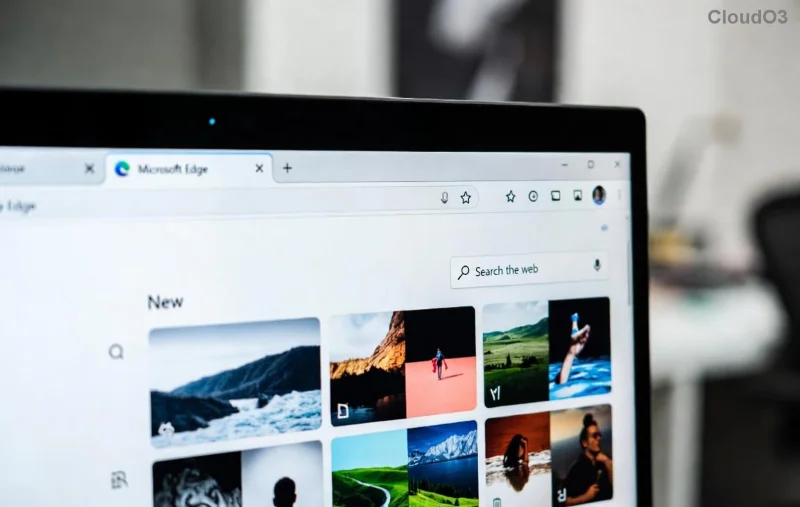
Pro tip: Test it by visiting a known legacy site like an old intranet. Edge auto-detects and offers an IE reload icon in the address bar. Click it to switch modes instantly.
How to Add Specific Older Websites to IE Mode List
Want permanent IE Mode for favorites? Customize the sites list:
- 1️⃣ Go to
edge://settings/defaultBrowseragain. - 2️⃣ Under "Internet Explorer mode pages," click "Add."
- 3️⃣ Enter the URL (e.g., *.legacybank.com) and choose reload frequency. Save!
- 4️⃣ Restart Edge. Those sites now default to IE Mode. 🔄

For bulk imports, download a template from Microsoft and upload your CSV. Enterprise admins love this!
Troubleshooting IE Mode Issues: Quick Fixes Table
Hit a snag? Our handy table has solutions:
| Issue | Fix |
|---|---|
| IE Mode toggle grayed out | Update Edge or check Group Policy restrictions (gpedit.msc > Edge policies). |
| Sites not reloading in IE | Clear cache (edge://settings/clearBrowserData) and verify URL in sites list. |
| Performance lag | Limit IE pages list to essentials; use "Once per session." |
| No IE icon appears | Force via F12 Developer Tools > Reload in IE mode. |
Advanced: Group Policy and Registry for Power Users
IT pros, enforce IE Mode org-wide:
- Download Edge Enterprise policies.
- Open gpedit.msc > Computer Configuration > Administrative Templates > Microsoft Edge.
- Enable "Configure Internet Explorer integration" and set policies. Restart! 💪
Registry tweak (use cautiously): Add DWORD InternetExplorerIntegrationLevel = 1 under HKLM\SOFTWARE\Policies\Microsoft\Edge.
Wrap-Up: Breathe New Life into Older Websites
Congrats! You've mastered how to enable IE Mode in Microsoft Edge. Legacy sites now load flawlessly, saving you headaches and hours. Bookmark this for quick reference, experiment with your tricky sites, and share your wins below. What's your go-to legacy app? Drop a comment – let's keep the conversation going! 👏
Stay tuned for more Edge tips to supercharge your browsing. Edge evolves fast – IE Mode ensures nothing gets left behind.