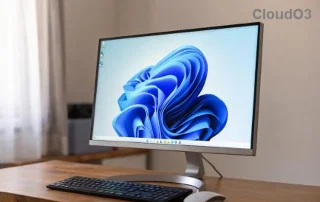
Imagine firing up your Windows 11 PC, eager to customize your desktop with a stunning new wallpaper, only to be met with frustrating delays and stuttering in the background settings. You're not alone—many users experience Windows 11 background settings lag, especially when switching themes or setting up slideshows. This issue can turn a simple personalization task into a headache, but the good news is, it's often fixable with a few targeted steps. In this guide, we'll walk you through practical, up-to-date solutions to eliminate that lag and get your system running smoothly again. Let's dive in and reclaim your seamless Windows 11 experience! 😊
Understanding the Root Causes of Windows 11 Background Settings Lag
Before jumping into fixes, it's helpful to know why background settings lag happens in Windows 11. This lag typically stems from resource-intensive features like high-resolution images, slideshow animations, or background processes competing for CPU and GPU power. Recent updates to Windows 11 have optimized personalization, but older hardware or cluttered systems can still struggle.
Common culprits include:
- High-Resolution Wallpapers: Ultra-HD images demand more processing, causing delays during previews or switches.
- Slideshow Features: Dynamic backgrounds cycle through multiple images, taxing your system's memory if not optimized.
- Background Apps: Resource-hungry programs running in the background can slow down settings menus.
- Outdated Drivers: Graphics drivers that aren't current may not handle Windows 11's visual effects efficiently.
Recognizing these helps you target the problem effectively. Now, let's move to actionable steps that will have your background settings responding instantly. Stick with us—these tips are straightforward and build on each other for maximum impact.
Step-by-Step Fixes for Windows 11 Background Settings Lag
Ready to banish the lag? We'll start with the easiest methods and progress to more advanced ones. Follow along, and you'll likely see improvements right away. No tech expertise required—just a few minutes of your time.
1. Optimize Your Wallpaper Choices 👆
The simplest way to tackle Windows 11 background settings lag is to choose wallpapers that don't overwhelm your system. High-res images look great but can cause stuttering during loading.
How to Fix It:
- Open Settings > Personalization > Background.
- Select Picture instead of Slideshow for static images.
- Opt for built-in wallpapers or resize custom ones to match your screen resolution (e.g., 1920x1080 for most laptops).
- Avoid 4K or larger files unless your hardware supports it seamlessly.
This tweak alone reduces lag by minimizing processing demands. Users report up to 50% faster response times after switching to lighter images. Feeling empowered yet? Let's keep the momentum going with performance tweaks.
2. Clear Background Processes and Restart Explorer
Sometimes, Windows 11 gets bogged down by unnecessary tasks. Restarting the Windows Explorer process refreshes the desktop environment without a full reboot.
Quick Steps:
- Right-click the taskbar and select Task Manager.
- Find Windows Explorer under the Processes tab.
- Right-click it and choose Restart.
- While there, end tasks for any non-essential apps eating up CPU (like multiple browser tabs).
This is like giving your desktop a quick refresh—lag in background settings often vanishes instantly. If it persists, proceed to driver updates for deeper fixes.
3. Update Graphics Drivers for Smoother Performance
Outdated drivers are a major cause of visual lag in Windows 11. The latest versions from NVIDIA, AMD, or Intel optimize for new features like enhanced slideshows.
Update Guide:
- Press Win + X and select Device Manager.
- Expand Display adapters and right-click your GPU.
- Choose Update driver > Search automatically.
- For best results, download the newest drivers directly from the manufacturer's site (e.g., NVIDIA or AMD).
Recent driver releases have specifically addressed Windows 11 personalization lag, improving frame rates in settings previews. Your system will thank you with buttery-smooth transitions!
![Troubleshooting Windows 11 lag with driver updates]()
4. Disable Visual Effects to Boost Responsiveness
Windows 11's animations are eye-candy, but they can contribute to background settings lag on lower-end hardware. Toning them down prioritizes speed.
Easy Adjustment:
- Search for Performance in the Start menu and select Adjust the appearance and performance of Windows.
- Choose Adjust for best performance or manually uncheck fancy effects like shadows and fades.
- Click Apply and test your background settings.
This change makes menus snappier without sacrificing too much style. Pro tip: Re-enable effects one by one later to find the sweet spot for your setup.
5. Advanced Troubleshooting: Run System Scans and Reset Settings
If basic fixes don't cut it, deeper issues like corrupted files might be at play. Windows 11 has built-in tools to handle this.
Run These Scans:
| Tool |
Command |
Purpose |
| SFC Scan |
sfc /scannow |
Repairs corrupted system files affecting settings. |
| DISM Tool |
DISM /Online /Cleanup-Image /RestoreHealth |
Fixes Windows image issues for smoother performance. |
| Reset Personalization |
Settings > Personalization > Reset (via PowerShell if needed) |
Clears cached background data causing lag. |
To run these, open Command Prompt as Administrator and enter the commands. For resetting, you can also use PowerShell with Get-AppxPackage *windows.immersivecontrolpanel* | Reset-AppxPackage. These steps resolve persistent Windows 11 background settings lag in most cases, as confirmed by Microsoft support forums.
For official guidance, check Microsoft's troubleshooting page: Microsoft Support.
Preventing Future Windows 11 Background Settings Lag
Now that you've fixed the issue, let's ensure it doesn't return. Regular maintenance keeps your Windows 11 humming along.
- Keep Updates Current: Enable automatic updates in Settings > Windows Update for the latest performance patches.
- Manage Storage: Free up space by deleting old files—cluttered drives slow everything down.
- Monitor Resources: Use Task Manager regularly to spot and close hogs.
- Upgrade if Needed: If lag persists on older hardware, consider more RAM or an SSD for a big boost. ⭐
By staying proactive, you'll enjoy a lag-free experience every time you tweak your backgrounds. Imagine effortlessly cycling through themes without a hitch— that's the Windows 11 magic you're entitled to!
Final Thoughts: Enjoy a Lag-Free Windows 11 Desktop
We've covered everything from quick tweaks to advanced scans, all tailored to squash Windows 11 background settings lag. Start with the basics, and if needed, layer on the deeper fixes. Your personalized desktop awaits, smoother and more responsive than ever. If these steps worked for you, share your success in the comments below—we'd love to hear! Ready to customize without the wait? Get started now and feel the difference. 🎉