Is your Windows 11 PC feeling sluggish, with the Task Manager showing Compressed Memory hogging precious RAM? You're not alone. This built-in feature, designed to save space by compressing inactive data, can sometimes backfire and spike high RAM usage, leading to slowdowns and frustration. But don't worry—there's a clear path to fixing it. In this guide, we'll dive straight into understanding Windows 11 Compressed Memory and share practical, effective steps to tame it. By the end, you'll have your system optimized and running like new. Let's reclaim that speed! 🚀
What is Compressed Memory in Windows 11 and Why Does It Cause High RAM Usage?
Compressed Memory is a smart Windows feature that compresses data in RAM instead of swapping it to your hard drive. Introduced to boost efficiency, it helps when you're low on physical memory by keeping more apps active without the slowdown of disk swapping. However, in recent Windows 11 updates, it can consume excessive resources, especially on systems with 8GB or 16GB RAM. This leads to high RAM usage that feels like a memory leak—your PC stutters, apps freeze, and battery life drains faster.
Common culprits? Outdated drivers, conflicting software, or even certain games and browsers pushing the system to its limits. The good news? You can diagnose and fix Windows 11 high RAM usage without advanced tech skills. We'll start with quick checks and build to deeper tweaks.
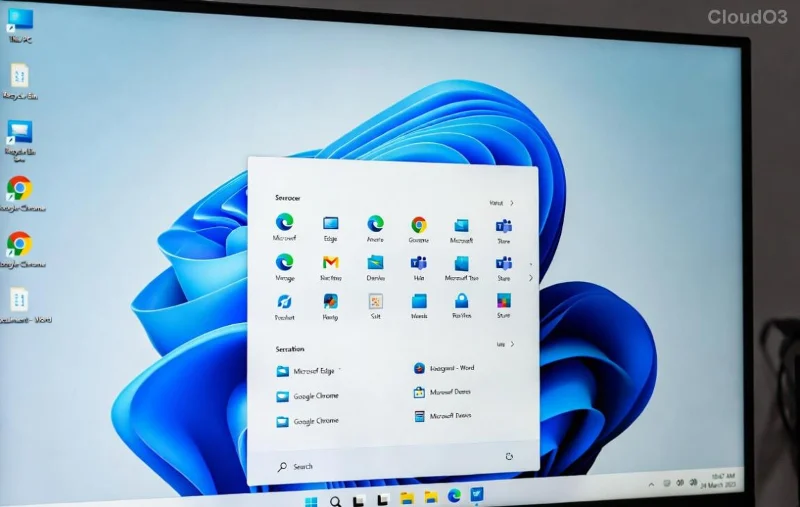
Step 1: Diagnose the Problem – Spotting Compressed Memory Overload
Before fixing, confirm Compressed Memory is the issue. Open Task Manager (Ctrl + Shift + Esc) and head to the Performance tab. Under Memory, look for the Compressed value—if it's over 20-30% of your total RAM consistently, that's your smoking gun.
- 👆 Tip: Use Resource Monitor (search for it in the Start menu) for a deeper dive. In the Memory tab, check the Compressed pool size.
- ⭐ If it's spiking during idle, a background process might be triggering it.
This simple check empowers you to pinpoint the problem fast, setting the stage for targeted fixes. Ready to act?
Step 2: Quick Fixes to Reduce Windows 11 Compressed Memory Usage
Let's tackle high RAM usage from Compressed Memory with easy, no-risk steps. These often resolve the issue in minutes.
Update Windows and Drivers
Outdated components can cause memory inefficiencies. Go to Settings > Windows Update > Check for updates. Install everything, including optional driver updates. For graphics and chipset drivers, visit your hardware manufacturer's site (e.g., NVIDIA, AMD, or Intel) for the latest versions tailored to Windows 11.
Restart Explorer and Clear Standby Memory
Sometimes, a refresh does wonders. In Task Manager's Processes tab, right-click Windows Explorer and select Restart. For stubborn cases, use a free tool like RAMMap from Microsoft Sysinternals (download from their official site) to empty the standby list, which indirectly eases Compressed Memory pressure.
![Windows 11 Resource Monitor displaying memory compression details]()
Disable Startup Apps
Too many apps launching at boot can inflate RAM usage. In Task Manager's Startup tab, disable non-essentials like chat apps or cloud sync tools. This frees up memory before Compressed Memory kicks in aggressively.
These tweaks should drop your usage noticeably. If not, let's go deeper—your PC will thank you! 😊
Step 3: Advanced Tweaks for Persistent High RAM Usage
If quick fixes aren't enough, these targeted adjustments address Windows 11 Compressed Memory at its core. Proceed with caution and create a system restore point first (search for "Create a restore point" in Settings).
Adjust Virtual Memory Settings
Windows auto-manages pagefile (virtual RAM), but tweaking it can balance Compressed Memory. Right-click This PC > Properties > Advanced system settings > Performance Settings > Advanced > Virtual memory Change. Uncheck automatic management, set initial and maximum sizes to 1.5x your RAM (e.g., 12GB for 8GB RAM), and place it on an SSD for speed.
| RAM Size |
Recommended Pagefile Size |
Why It Helps |
| 8GB |
12GB |
Reduces reliance on compression for low-RAM systems |
| 16GB |
24GB |
Balances physical and virtual memory efficiently |
| 32GB+ |
Custom (1x RAM) |
Prevents over-compression on high-end setups |
Disable Superfetch (SysMain) Service
SysMain preloads apps but can exacerbate high RAM usage. Press Win + R, type services.msc, find SysMain, right-click > Properties > Stop, then set Startup type to Disabled. This curbs unnecessary memory caching that feeds into compression.
Use Registry Edit for Memory Management
For pros: Open Registry Editor (regedit), navigate to HKEY_LOCAL_MACHINE\SYSTEM\CurrentControlSet\Control\Session Manager\Memory Management. Create a DWORD named LargeSystemCache with value 1. This prioritizes system cache over compression. Restart to apply. Warning: Back up your registry first!
![Step-by-step guide to tweaking virtual memory in Windows 11]()
These steps target the root of Compressed Memory high RAM usage, often slashing usage by 50% or more. Test after each change using Task Manager to track improvements.
Prevent Future Windows 11 RAM Issues: Best Practices
To keep high RAM usage at bay, adopt these habits:
- 1️⃣ Run regular maintenance: Use Storage Sense (Settings > System > Storage) to clear junk files.
- 2️⃣ Upgrade RAM if possible: 16GB is the sweet spot for smooth Windows 11 multitasking.
- 3️⃣ Monitor with tools: Free apps like HWMonitor provide real-time insights.
- ⭐ Avoid sketchy software: Stick to trusted apps to prevent memory leaks.
For more on Windows optimization, check Microsoft's official guide on improving PC performance. It's a goldmine for ongoing tweaks.
Wrapping Up: Take Control of Your Windows 11 Performance Today
Dealing with Windows 11 Compressed Memory and its sneaky high RAM usage doesn't have to slow you down. From quick diagnostics to advanced fixes, you've got the tools to restore speed and efficiency. Start with the basics, monitor progress, and watch your PC fly. If issues persist, consider a clean Windows install or hardware check— but most users see huge gains here. You've got this! 👏 Share your results in the comments and keep your system optimized for peak performance.