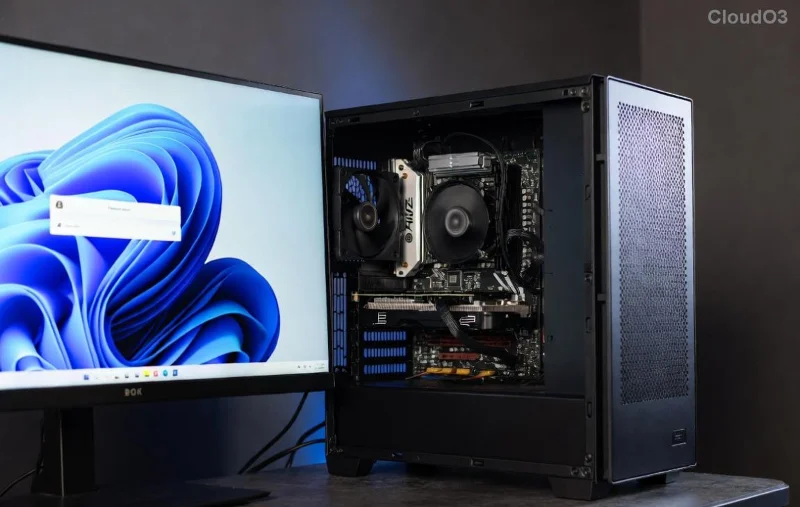
Encountering the dreaded Windows 11 "System Thread Exception Not Handled" Blue Screen of Death (BSOD) can be a real headache, halting your work and leaving you staring at a cryptic error message. 😩 Don't worry—this common issue often stems from driver conflicts, corrupted files, or hardware glitches, and it's fixable with the right steps. In this guide, we'll walk you through practical, up-to-date troubleshooting methods to resolve the System Thread Exception Not Handled error on Windows 11. By the end, you'll have your PC back up and running like new. Let's dive in and reclaim your productivity!
What Causes the "System Thread Exception Not Handled" Error in Windows 11?
The System Thread Exception Not Handled error (stop code 0x0000007E) indicates that a system thread generated an exception that the error handler couldn't resolve. This BSOD typically disrupts normal operations, forcing a restart. Common culprits include:
- Outdated or incompatible drivers: Especially graphics or network drivers from recent Windows 11 updates.
- Corrupted system files: Due to incomplete updates or malware.
- Hardware issues: Faulty RAM, overheating, or failing hard drives.
- Software conflicts: Third-party antivirus or overclocking tools interfering with kernel processes.
Understanding these triggers is key to targeted fixes. If you're seeing this error during boot or while gaming, stick around—we've got solutions tailored to Windows 11's latest builds.

Step-by-Step Troubleshooting for Windows 11 "System Thread Exception Not Handled"
We'll start with simple, non-invasive fixes and progress to advanced ones. Boot into Safe Mode first for stability—press F8 or Shift + Restart from the login screen to access it. Ready? Let's troubleshoot!
1. Update or Roll Back Drivers 👆
Driver issues are the #1 cause of this BSOD. Windows 11 auto-updates drivers, but glitches happen.
- Open Device Manager (search for it in the Start menu).
- Expand categories like Display Adapters or Network Adapters.
- Right-click suspicious devices (yellow exclamation marks) and select Update driver > Search automatically.
- If the error started after an update, right-click and choose Roll Back Driver.
For graphics drivers, visit NVIDIA, AMD, or Intel's site for the latest versions compatible with Windows 11. Pro tip: Use Display Driver Uninstaller (DDU) in Safe Mode for a clean reinstall—it's a game-changer for stubborn issues.
2. Run System File Checker and DISM Tools 🔧
Corrupted files can trigger exceptions. These built-in tools repair them effortlessly.
Open Command Prompt as Administrator (search "cmd" and run as admin):
DISM /Online /Cleanup-Image /RestoreHealth
Wait for it to finish (it pulls files from Windows Update), then run:
sfc /scannow
Restart and test. These commands are gold for maintaining Windows 11 integrity without third-party software.
3. Check for Hardware Problems 🛠️
Hardware faults like bad RAM often cause thread exceptions. Run these diagnostics:
- Memory Diagnostic: Search for "Windows Memory Diagnostic" and restart to scan RAM.
- CHKDSK: In admin Command Prompt, type
chkdsk C: /f /r and schedule for next boot.
- Monitor temperatures with tools like HWMonitor—overheating CPUs/GPUs can mimic this error.
If scans reveal errors, reseat RAM modules or consult a technician. For SSD/HDD issues, consider cloning your drive to a new one using free tools like Macrium Reflect.
![Step-by-step guide to running SFC scan on Windows 11]()
4. Update Windows 11 and Remove Conflicting Software
Ensure Windows 11 is fully updated: Go to Settings > Windows Update > Check for updates. Install any pending patches, as Microsoft frequently addresses BSOD bugs in cumulative updates.
Uninstall recent software via Settings > Apps > Apps & features. Common offenders? Overzealous antivirus (try disabling real-time protection temporarily) or VPNs. If you suspect malware, run a full scan with Windows Defender.
5. Advanced Fixes: Registry Tweaks and System Restore
If basics fail, try System Restore: Search for it and pick a restore point before the error began. It's like a time machine for your OS! ⚡
For registry issues (rare but possible), avoid manual edits unless experienced. Instead, use the blue screen troubleshooter in Settings > System > Troubleshoot > Other troubleshooters.
Still stuck? Boot from a Windows 11 installation USB and repair your installation—download the media creation tool from Microsoft's site for this.
![Hardware diagnostic tools for Windows 11 BSOD troubleshooting]()
Prevention Tips to Avoid Future "System Thread Exception" Errors
Once fixed, keep it that way:
| Prevention Step |
How to Implement |
Why It Helps |
| Regular Driver Updates |
Use Device Manager or manufacturer apps |
Prevents compatibility issues with Windows 11 updates |
| Enable Automatic Updates |
Settings > Windows Update > Advanced options |
Patches BSOD vulnerabilities quickly |
| Hardware Maintenance |
Clean dust, update BIOS |
Reduces overheating and failure risks |
| Backup Regularly |
Use OneDrive or external drives |
Quick recovery if errors recur |
Following these keeps your Windows 11 setup robust. Remember, consistency is key to error-free computing! 🎉
When to Seek Professional Help
If troubleshooting doesn't resolve the System Thread Exception Not Handled error, it might be deep hardware failure. Contact Microsoft Support via their official portal or a certified technician. For community insights, check forums like Microsoft Answers, but verify advice against official sources.
Wrapping up, fixing this BSOD is empowering— you've got the tools to handle it. If these steps worked for you, share your success in the comments below. Stay tuned for more Windows 11 tips to keep your tech life smooth. Your PC will thank you! 🚀