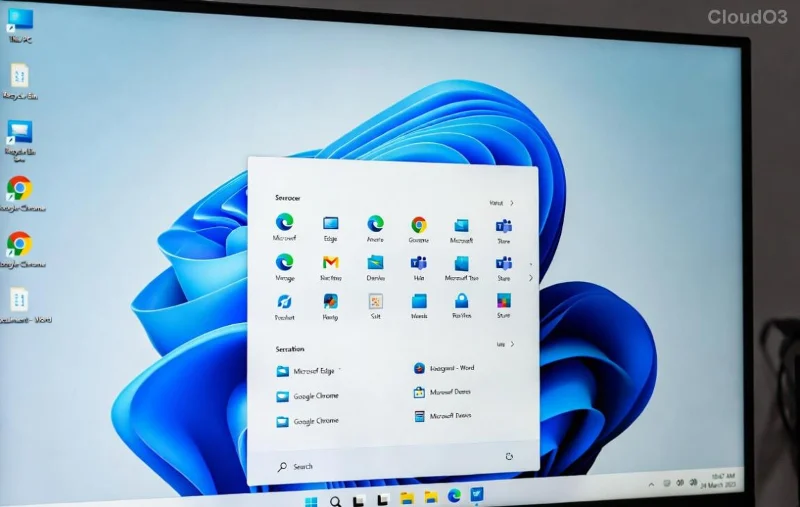
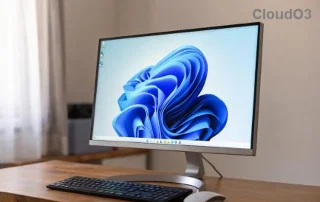
Imagine transforming your cluttered desk into a powerhouse of efficiency. With dual monitors on Windows 11, you can keep emails on one screen while diving deep into spreadsheets on another. It's not just a tech upgrade—it's a game-changer for work, gaming, or creative projects. If you're ready to level up your setup, this guide walks you through how to setup dual monitors on Windows 11 effortlessly. Let's dive in and make your workflow smoother than ever! 😊
Why Go for Dual Monitors on Windows 11?
Before we jump into the steps, let's talk benefits. Dual monitors expand your digital real estate, letting you multitask without constant Alt-Tabbing. Studies show productivity can soar by up to 42% with multiple displays. Whether you're coding, editing videos, or just browsing, Windows 11 handles it like a pro with its intuitive interface and latest display features.
Excited? Here's what you'll need:
- Two compatible monitors (HDMI, DisplayPort, or VGA ports).
- Cables to connect them (ensure they're high-quality to avoid signal issues).
- A Windows 11 PC with multiple video outputs (most modern GPUs support this).
- Optional: A docking station for cleaner cable management.
Step-by-Step: How to Setup Dual Monitors on Windows 11
Setting up dual monitors on Windows 11 is straightforward. Follow these numbered steps, and you'll be up and running in minutes. We'll use built-in tools—no extra software required.
- Connect Your Monitors 👆
Power off your PC for safety. Plug one end of your cable (HDMI or DisplayPort recommended for best quality) into your PC's graphics card port, and the other into your second monitor. Repeat for the first monitor if it's not built-in. Turn everything on. Windows 11 should detect the new display automatically. If not, proceed to the next step.
- Access Display Settings ⭐
Right-click on your desktop and select Display settings. Alternatively, press Windows key + I to open Settings, then go to System > Display. Here, you'll see a visual layout of your screens—drag the boxes to match their physical positions for intuitive mouse movement.
- Detect and Configure Displays
In the Display settings, scroll to the "Multiple displays" section. Click Detect if your second monitor isn't showing up. Once detected, choose your mode:
- Extend these displays: Best for productivity—treats both as one big desktop.
- Duplicate these displays: Mirrors the same content (great for presentations).
- Show only on 1 or 2: Use one monitor if needed.
Select Extend for the full dual-monitor experience.
- Adjust Resolution and Scale
For each display, click on it in the diagram and set the recommended resolution under "Display resolution." Windows 11 auto-suggests the best, but tweak if your monitors differ. Under "Scale," ensure both are set similarly (e.g., 100% or 125%) to avoid sizing mismatches. Hit Apply—your screens should refresh seamlessly!
- Set Primary Display and Orientation
Decide which monitor is your main one (e.g., for the taskbar). Select it in the diagram and check "Make this my main display." Rotate if needed via the Orientation dropdown (Landscape, Portrait, etc.). Pro tip: Align the tops of the monitor icons for smooth cursor transitions.
With these steps, your dual monitors Windows 11 setup is live! But wait—let's fine-tune for perfection.
Optimizing Your Dual Monitor Setup
Now that basics are covered, enhance your experience. Windows 11's Snap Layouts work wonders across monitors—hover over the maximize button to split screens effortlessly. For power users, enable FancyZones via Microsoft PowerToys (free from the Microsoft Store) to create custom window grids.
| Feature |
How It Helps Dual Monitors |
Quick Enable |
| Night Light |
Reduces eye strain on both screens |
Settings > System > Display > Night light |
| Taskbar on All Displays |
Access apps from any monitor |
Settings > Personalization > Taskbar > Multiple displays |
| HDR Support |
Vivid colors if your monitors support it |
Display settings > HDR |
These tweaks make setup second monitor Windows 11 feel premium. Imagine dragging windows fluidly between screens—pure bliss! 🎉
Troubleshooting Common Issues
Stumbled upon a snag? Don't worry—most Windows 11 multiple monitors hiccups are quick fixes.
- No Signal? ❌ Check cables and ports. Try a different cable or update your graphics drivers via Device Manager (right-click Start > Device Manager > Display adapters > Update driver).
- Blurry Text? Adjust scaling in Display settings. For mixed monitor sizes, set custom scaling percentages.
- One Monitor Black? Ensure it's set to Extend, not Duplicate. Restart your PC or run the Display Troubleshooter (Settings > System > Troubleshoot > Other troubleshooters).
- Performance Lag? Close background apps or check if your GPU supports dual outputs. For Intel/AMD/NVIDIA, download the latest drivers from their official sites:
NVIDIA Drivers,
AMD Support,
or
Intel Downloads.
![Troubleshooting dual monitor setup on Windows 11]()
If issues persist, Windows 11's built-in tools often resolve them. You're almost there—keep going!
Advanced Tips for Dual Monitor Mastery
Ready to go pro? For extend display Windows 11, try these:
- Keyboard Shortcuts: Win + Shift + Arrow keys to move windows between monitors. Win + P toggles display modes instantly.
- Wallpaper Across Screens: In Settings > Personalization > Background, choose "Span" to create a panoramic image.
- Gaming Setup: Use NVIDIA Surround or AMD Eyefinity for ultra-wide gaming across both monitors (if supported).
- Vertical Stacking: Rotate one monitor to portrait for reading docs—change orientation in Display settings.
These hacks turn your setup into a productivity beast. Feel the rush of seamless multitasking? That's the magic of dual monitors on Windows 11.
Final Thoughts: Elevate Your Workflow Today
Congrats—you've nailed how to setup dual monitors on Windows 11! This setup isn't just functional; it's empowering, giving you control over your digital space. Whether boosting work efficiency or immersing in entertainment, your enhanced workspace awaits. Dive back into your projects with renewed focus. Got questions? Experiment and share your wins in the comments below. Happy computing! 👏
Information based on the latest Windows 11 features as of 2026. For official updates, visit Microsoft Support.