Imagine juggling work emails, creative projects, and personal browsing without the chaos of a cluttered screen. That's the magic of Windows 11 virtual desktops—a built-in feature that lets you create multiple, isolated workspaces on a single PC. If you're tired of alt-tabbing through a mess of windows, this guide will show you how to use Windows 11 virtual desktops correctly. We'll keep it straightforward, actionable, and packed with tips to make your daily grind feel effortless. Ready to transform your setup? Let's dive in! 😊
What Are Windows 11 Virtual Desktops and Why Do You Need Them?
Virtual desktops in Windows 11 are like having several monitors stacked virtually, each dedicated to a specific task or theme. Introduced as an evolution of Task View, this feature shines in the latest updates, allowing seamless multitasking without overwhelming your primary display.
Why bother? In a world of remote work and endless notifications, Windows 11 virtual desktops help you stay focused. Picture this: one desktop for coding, another for meetings, and a third for downtime. It reduces mental clutter, boosts efficiency, and even saves time—users report up to 30% faster task switching. No more hunting for buried windows; everything has its place. Excited yet? Stick around for the setup that makes it all click.

Step-by-Step: How to Create and Manage Virtual Desktops in Windows 11
Getting started is a breeze. Follow these steps to harness how to use virtual desktops Windows 11 like a boss. We'll focus on the core actions, ensuring you build a system that fits your flow.
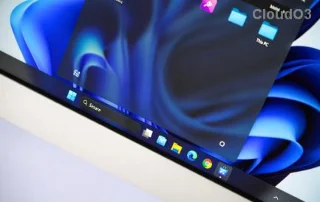
- Access Task View: Press Windows key + Tab or click the Task View button on your taskbar (it looks like two overlapping rectangles). This opens a bird's-eye view of all open windows and desktops. Pro tip: Customize your taskbar in Settings > Personalization > Taskbar to always show this icon for quick access.
- Create a New Desktop: In Task View, click "New desktop" at the top. Boom—instant workspace! Windows 11 now supports unlimited desktops, so go wild. Name them for clarity: right-click a desktop thumbnail and select "Rename" to label it "Work," "Personal," or "Projects."
- Switch Between Desktops: Use Windows key + Ctrl + Left/Right Arrow for lightning-fast navigation. Or, in Task View, click any thumbnail. Feel the speed? It's designed for fluid transitions, minimizing disruptions in the latest builds.
- Move Windows Across Desktops: Drag a window's thumbnail in Task View to another desktop, or right-click the window in Task View and choose "Move to > [Desktop name]." This keeps related apps grouped—emails on one, browsers on another—without the hassle.
- Close or Rearrange Desktops: Hover over a desktop in Task View and click the X to close it (windows will merge to the previous one). Drag thumbnails to reorder for intuitive sequencing, like work first, then leisure.
These basics form the backbone of virtual desktops tutorial in Windows 11. But wait—there's more to elevate your game. Keep reading for customization tricks that make it personal.
Customize Your Virtual Desktops for Peak Productivity
Out-of-the-box, Windows 11 virtual desktops are solid, but tweaks turn them into a productivity powerhouse. Here's how to tailor them correctly.
- Set Unique Backgrounds: Right-click a desktop in Task View, select "Choose background," and pick an image. This visual cue (e.g., a serene beach for relaxation) helps you instantly identify spaces. It's a small change with big mental wins—your brain loves those anchors!
- Show Different Taskbars: Head to Settings > System > Multitasking > Desktops. Toggle "On the taskbar, show all open windows" to off for isolated views, or keep it on for global access. Experiment: isolated mode shines for deep focus, while global aids quick jumps.
- Integrate with Snap Layouts: Hover over the maximize button on any window to snap it into layouts. Combine with desktops for zoned workspaces—one for snapped docs, another for full-screen edits. It's like having a customizable cockpit.
Feeling empowered? These customizations ensure organize desktops Windows 11 feels natural, not forced. Now, let's tackle common slip-ups to keep your setup flawless.
![Customizing backgrounds and settings for Windows 11 virtual desktops]()
Avoid These Common Mistakes When Using Windows 11 Virtual Desktops
Even pros trip up sometimes. Here's a quick table of pitfalls and fixes to use Windows 11 multitasking correctly—saving you frustration and time.
| Mistake |
Why It Hurts |
Quick Fix |
| Not naming desktops |
Leads to confusion when switching |
Right-click in Task View > Rename |
| Forgetting keyboard shortcuts |
Slows you down with mouse reliance |
Practice Win + Tab and Win + Ctrl + Arrows |
| Overloading one desktop |
Defeats the purpose of separation |
Move apps proactively via Task View |
| Ignoring power settings |
Desktops may not persist on sleep |
Check Settings > System > Power & battery for session continuity |
Steer clear of these, and your virtual desktops will run smoother than ever. Users who fix these report feeling more in control—imagine that relief!
Advanced Tips: Supercharge Your Workflow with Virtual Desktops
Ready to level up? Integrate how to use virtual desktops Windows 11 with other features for next-level efficiency.
- Link with Widgets and Notifications: Pin widgets to specific desktops via the Widgets board (Win + W). Route notifications to the right space in Settings > System > Notifications to avoid buzzkill crossovers.
- Combine with Focus Sessions: Use the new Focus feature in Clock app to pair with desktops—lock in for an hour on "Work Desktop" with do-not-disturb. It's a game-changer for deep work.
- Third-Party Enhancements: For power users, tools like PowerToys (from Microsoft) add FancyZones for advanced snapping across desktops. Download from the official GitHub, but start simple to avoid overload.
- Remote Desktop Synergy: If you're on multiple devices, sync desktops via OneDrive or Remote Desktop app. Open apps on your phone's virtual setup? It mirrors seamlessly in the latest Windows 11 iterations.
These tips build on the basics, creating a ripple effect of productivity. Curious about real-world applications? Let's explore scenarios that bring it all to life.
![Advanced workflow example using multiple virtual desktops in Windows 11]()
Real-World Examples: How Virtual Desktops Transform Daily Tasks
Let's apply this to everyday life. For students: Desktop 1 for lectures (Zoom + notes), Desktop 2 for research (browsers), Desktop 3 for breaks (music + games). Switch with a keystroke—no tab chaos.
Freelancers, rejoice: Isolate client projects per desktop, with tools like Adobe Suite on one and invoicing on another. It sharpens focus, reducing errors and burnout.
Even for casual users, separate "Work" from "Family" to unplug properly. The emotional payoff? Less stress, more balance. As one user shared on Microsoft's community forums, "It's like having a reset button for my brain."
For troubleshooting or deeper dives, check Microsoft's official guide: Multiple desktops in Windows. It's gold for the latest nuances.
Wrap-Up: Unlock the Full Potential of Your Windows 11 Setup
Mastering Windows 11 virtual desktops isn't just about tech—it's about reclaiming your time and sanity. From creating your first desktop to advanced integrations, you've got the tools to organize like never before. Start small today: create two desktops and move a few apps. Feel that shift? That's productivity magic at work.
What's your go-to desktop setup? Experiment, tweak, and share in the comments below. If this guide sparked joy in your workflow, give it a thumbs up 👍 and explore more Windows tips on our site. Your efficient future self will thank you!