Are you tired of your internet connection dropping or changing unpredictably? Setting up a static IP address in Windows 11 can be your game-changer. Unlike dynamic IPs that shift with every restart, a static IP stays fixed, ensuring seamless access to your devices, servers, or even printers on your home network. Whether you're a gamer needing low-latency stability or a professional optimizing your home office, this guide will walk you through how to setup Windows 11 static IP address with confidence. Let's dive in and make your network rock-solid! 🚀
What is a Static IP Address and Why Use It in Windows 11?
A static IP address is a permanent numerical label assigned to your device on a network, like 192.168.1.100. In contrast to DHCP-assigned dynamic IPs, static ones don't change, providing consistency that's crucial for port forwarding, remote access, or hosting services.
In the latest Windows 11 updates, Microsoft has refined network settings for easier management. Why bother? Imagine effortlessly accessing your NAS drive without IP hunting, or ensuring your security cameras stay online. It's a small tweak with big rewards—stable, predictable connectivity that saves time and frustration. Ready to unlock this? Let's get to the steps.
Prerequisites Before You Setup Windows 11 Static IP Address
Before jumping in, gather these essentials to avoid hiccups:
- Admin Access: You'll need administrator privileges on your Windows 11 PC.
- Network Details: Know your router's IP range (e.g., 192.168.1.x), subnet mask (usually 255.255.255.0), gateway (your router's IP, like 192.168.1.1), and DNS servers (e.g., 8.8.8.8 for Google DNS).
- Available IP: Pick an unused IP in your network to prevent conflicts. Use tools like ping in Command Prompt to check.
Pro Tip: Log into your router's admin panel (often at 192.168.1.1) to view connected devices and reserve your chosen IP there for extra security. This setup ensures your Windows 11 static IP plays nice with everything else. Feeling prepared? Great—time for the action!
Step-by-Step Guide: How to Setup Windows 11 Static IP Address
Configuring a static IP address in Windows 11 is straightforward via the modern Settings app or classic Control Panel. We'll cover both for flexibility. Follow these steps carefully, and you'll be set in under 10 minutes.
Method 1: Using Windows 11 Settings (Recommended for New Users)
This method leverages the intuitive interface of Windows 11's latest builds.
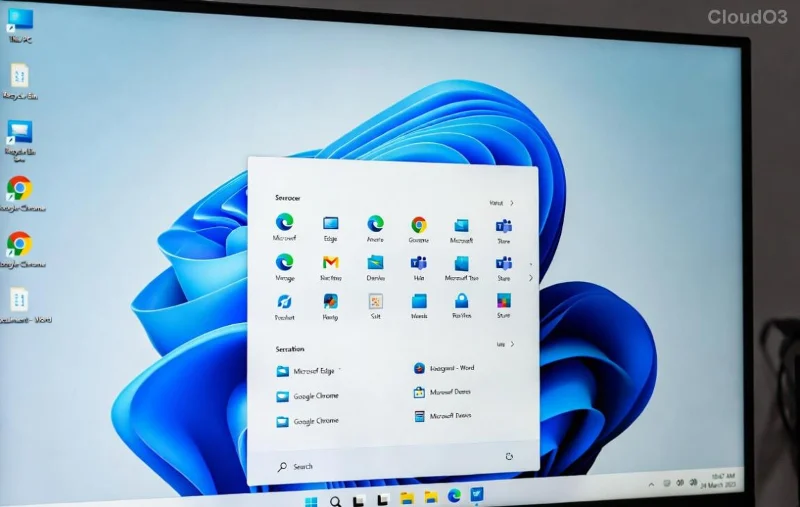
- Open Settings: Click the Start button (Windows icon) and select Settings (gear icon), or press Windows + I. 😊
- Navigate to Network: Go to Network & internet in the left sidebar.
- Select Your Connection: Click on your active network—Ethernet for wired or Wi-Fi for wireless.
- Edit IP Settings: Scroll to IP settings and click Edit next to IP assignment.
- Switch to Manual: Change from Automatic (DHCP) to Manual. Toggle IPv4 on (IPv6 optional unless needed).
- Enter Details: Input your chosen static IP, Subnet mask, Gateway, and Preferred DNS. For example:
- IP address: 192.168.1.50
- Subnet mask: 255.255.255.0
- Gateway: 192.168.1.1
- Preferred DNS: 8.8.8.8
- Alternate DNS: 8.8.4.4
- Save and Test: Hit Save. Restart your connection or PC, then verify with ipconfig in Command Prompt.
Voila! Your Windows 11 static IP address is live. If issues arise, double-check for typos—common pitfalls include mismatched subnet masks. 🎉
Method 2: Using Control Panel (For Advanced Customization)
For those who prefer the tried-and-true interface:
- Open Network Connections: Right-click Start > Device Manager, or search for "View network connections" in the Start menu.
- Access Properties: Right-click your connection (Ethernet or Wi-Fi) > Properties.
- Select IPv4: Highlight Internet Protocol Version 4 (TCP/IPv4) and click Properties.
- Configure Static IP: Choose Use the following IP address. Enter your IP, Subnet mask, Default gateway, and DNS servers as before.
- Apply Changes: Click OK > Close. Test connectivity by pinging your gateway (e.g.,
ping 192.168.1.1).
This method shines if you're tweaking multiple settings, like adding a secondary IP for virtual machines. Both ways align with Windows 11's current networking stack, ensuring compatibility with the newest features like Wi-Fi 7 support.
![Configuring Static IP in Windows 11 Settings]()
Quick Reference Table for Static IP Configuration
To make it even easier, here's a handy table summarizing key fields for your Windows 11 static IP setup:
| Field |
Example Value |
Description |
| IP Address |
192.168.1.50 |
Your fixed device address—choose outside DHCP range. |
| Subnet Mask |
255.255.255.0 |
Defines your local network segment. |
| Default Gateway |
192.168.1.1 |
Router's IP for internet access. |
| Preferred DNS |
8.8.8.8 |
Primary DNS server (Google's is reliable). |
| Alternate DNS |
8.8.4.4 |
Backup for failover. |
Use this as your cheat sheet—customize based on your router's specs. Accurate info here prevents most setup errors! 👍
![Testing Static IP Connection in Windows 11]()
Troubleshooting Common Issues When Setting Up Static IP in Windows 11
Even with perfect steps, glitches happen. Here's how to fix them swiftly:
- No Internet After Setup: Verify gateway and DNS entries. Flush DNS with
ipconfig /flushdns in an admin Command Prompt.
- IP Conflict Error: Your chosen IP is in use—scan the network with
arp -a and pick another. Reserve it in your router to lock it down. ⚠️
- Connection Drops on Restart: Ensure settings saved correctly; reboot your router too.
- Wi-Fi Specific Woes: In Windows 11, toggle airplane mode briefly to refresh the adapter.
For deeper dives, check Microsoft's official support: TCP/IP Settings Guide. These tips keep your static IP configuration in Windows 11 smooth sailing.
Advanced Tips to Optimize Your Windows 11 Static IP Setup
Once basic setup is done, level up:
- Multiple Devices: Assign unique static IPs to each for easy management—ideal for smart homes.
- Security Boost: Pair with Windows Firewall rules to protect your fixed address from unauthorized access.
- Remote Access: Use static IPs for secure VPN setups or RDP, enhancing productivity on the go.
- Monitoring Tools: Apps like Wireshark can help monitor traffic post-setup for performance tweaks.
These enhancements turn a simple config into a powerhouse network. Imagine the peace of mind—your devices always reachable, no more guesswork!
Conclusion: Secure Your Network Today with a Static IP in Windows 11
Setting up a static IP address in Windows 11 isn't just technical—it's empowering. You've now got the tools to create a reliable, efficient network that supports your digital life. Whether for work, play, or home automation, this change delivers stability you can count on. Try it now, test your setup, and feel the difference. Got questions? Drop a comment below—we're here to help you connect better! 🌟
Stay tuned for more Windows 11 tips to keep your system at peak performance.