Imagine streaming 8K videos without a single buffer, gaming online with zero lag, or transferring massive files in seconds. That's the promise of Wi-Fi 7, the latest wireless standard revolutionizing home and office networks. If you're upgrading to Windows 11 and want to harness this power, you're in the right place. This guide walks you through every step to set up Wi-Fi 7 on Windows 11, ensuring a smooth, frustration-free experience. Let's dive in and get you connected at speeds up to 46 Gbps! 🚀
What is Wi-Fi 7 and Why Upgrade on Windows 11?
Wi-Fi 7, also known as IEEE 802.11be, builds on previous standards like Wi-Fi 6 and 6E by offering wider channels (up to 320 MHz), multi-link operation (MLO) for simultaneous band usage, and enhanced efficiency for crowded networks. It's perfect for the multi-device households of today, reducing interference and boosting throughput.
On Windows 11, which receives ongoing updates for cutting-edge hardware support, Wi-Fi 7 integration means future-proofing your setup. Whether you're a remote worker needing stable video calls or a gamer chasing every frame, this connection elevates your digital life. Excited? Here's how to make it happen.
Prerequisites: What You Need for Wi-Fi 7 Connection on Windows 11
Before jumping into the setup, ensure your gear is ready. Skipping this can lead to headaches later. Here's a quick checklist:
- Compatible Hardware: A Wi-Fi 7-capable router (e.g., models from Netgear or TP-Link supporting 802.11be) and a PC with a Wi-Fi 7 adapter. Intel's BE200 or Qualcomm's FastConnect 7800 are top picks for Windows 11 laptops.
- Windows 11 Update: Your system should be running the latest version. Go to Settings > Windows Update > Check for updates to grab the newest drivers and features.
- Network Essentials: Stable internet from your ISP and admin access to your router.
Pro tip: If your current adapter isn't Wi-Fi 7-ready, consider a USB dongle or PCIe card. It's a small investment for massive gains. Ready to proceed? Let's configure that Wi-Fi 7 connection.
Step-by-Step: How to Set Up Wi-Fi 7 on Windows 11
Setting up Wi-Fi 7 is straightforward, thanks to Windows 11's intuitive interface. Follow these steps, and you'll be online in minutes. We'll cover both built-in and manual methods for flexibility.
Step 1: Install or Update Your Wi-Fi 7 Drivers
First things first—ensure your wireless adapter recognizes Wi-Fi 7.
- Open Device Manager by right-clicking the Start button and selecting it.
- Expand Network adapters and find your Wi-Fi device (e.g., Intel Wi-Fi 7 BE200).
- Right-click > Update driver > Search automatically. If no update appears, download the latest from the manufacturer's site, like Intel's official page.
Restart your PC after installation. This step is crucial for Windows 11 Wi-Fi 7 setup—it enables MLO and other advanced features.
Step 2: Configure Your Wi-Fi 7 Router
Your router is the backbone of Wi-Fi 7. Log in via its IP (usually 192.168.1.1) using a browser.
| Router Setting |
Recommended Configuration for Wi-Fi 7 |
Why It Matters |
| Enable Wi-Fi 7 Mode |
Set to 802.11be or Auto |
Activates full Wi-Fi 7 capabilities like 320 MHz channels |
| Band Selection |
Enable 2.4GHz, 5GHz, and 6GHz |
Allows MLO for seamless multi-band connectivity |
| Security |
WPA3-Personal or higher |
Secures your Wi-Fi 7 connection against threats |
| Channel Width |
160/320 MHz on 6GHz |
Maximizes speed for Windows 11 devices |
Save changes and reboot the router. If you're using a mesh system, ensure all nodes support Wi-Fi 7 for whole-home coverage.
![Windows 11 settings menu showing Wi-Fi network selection for Wi-Fi 7 connection]()
Step 3: Connect to Your Wi-Fi 7 Network in Windows 11
Now, link your PC to the network.
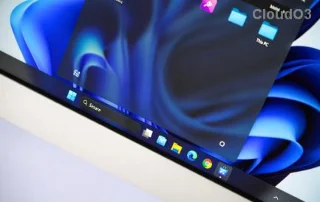
- Click the network icon in the taskbar (bottom-right).
- Select your Wi-Fi 7 SSID from the list. Look for the 6GHz band indicator if available.
- Enter the password and check "Connect automatically."
- For advanced setup, go to Settings > Network & Internet > Wi-Fi > Manage known networks. Edit to prioritize Wi-Fi 7 bands.
Test the connection by running a speed test on sites like Ookla Speedtest. You should see speeds far surpassing Wi-Fi 6!
Step 4: Optimize and Enable Advanced Wi-Fi 7 Features
To squeeze every bit of performance:
- MLO Activation: In Windows 11 settings, ensure "Let Windows manage this connection" is on. Update to the latest build for full MLO support.
- Power Management: In Device Manager, right-click your adapter > Properties > Power Management tab > Uncheck "Allow the computer to turn off this device."
- QoS Settings: On your router, prioritize traffic for gaming or streaming to maintain low latency.
These tweaks make your Wi-Fi 7 connection feel magical—smooth, responsive, and reliable. 😊
![Speed test results on Windows 11 displaying ultra-fast Wi-Fi 7 performance]()
Troubleshooting Common Windows 11 Wi-Fi 7 Setup Issues
Even with perfect hardware, glitches happen. Don't worry—most are easy fixes.
- No Wi-Fi 7 Network Visible: Restart router and PC. Ensure 6GHz is enabled (it requires clear line-of-sight). Update drivers again. ⚠️
- Slow Speeds: Check for interference from microwaves or thick walls. Switch to 6GHz band for cleaner signals.
- Connection Drops: Disable VPNs temporarily and run the Windows 11 Network Troubleshooter (Settings > System > Troubleshoot > Other troubleshooters).
- Driver Conflicts: Uninstall old drivers in Device Manager and reinstall fresh ones.
If issues persist, consult Microsoft's support forums or your hardware manual. With Wi-Fi 7, patience pays off—your network will thank you.
Benefits and Real-World Tips for Your Wi-Fi 7 on Windows 11
Beyond setup, Wi-Fi 7 transforms how you use Windows 11. Enjoy lag-free 4K/8K streaming on multiple devices, faster cloud backups, and AR/VR experiences without wires. For gamers, it's a game-changer—lower ping times mean more wins. 🎮
Tip: Position your router centrally and use the Windows 11 Wi-Fi analyzer (via Command Prompt: netsh wlan show profiles) to scan for optimal channels. As you explore, consider smart home integrations—Wi-Fi 7 handles IoT devices effortlessly.
Sticking with this guide ensures you're not just connected, but optimized. What's next? Dive into security best practices or explore mesh extensions to cover every corner of your space. Your ultra-fast future awaits!
Ready to experience the speed? Follow these steps today and feel the difference. Share your setup success in the comments below!