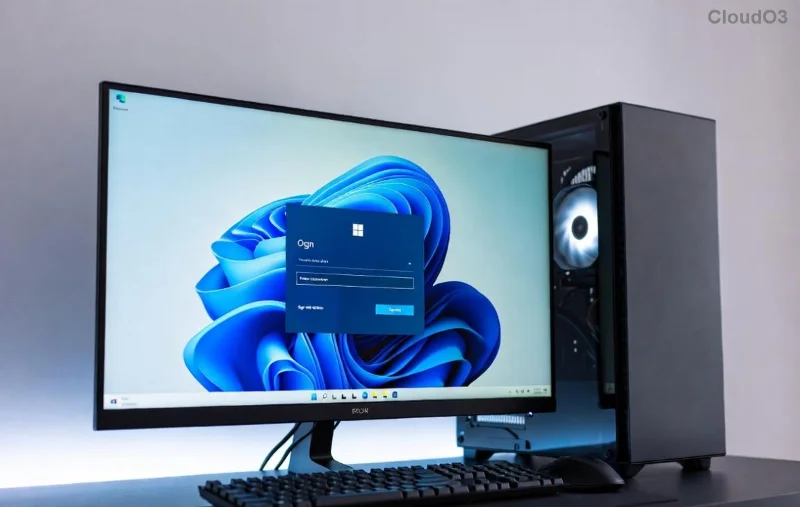
Is your Windows 11 monitor Hz stuck ruining your gaming sessions or slowing down your workflow? You're not alone. Many users face this frustrating issue where the refresh rate refuses to budge, leaving displays locked at lower settings like 60Hz instead of the smooth 144Hz or higher your hardware supports. But don't worry—this 2026 guide is here to help you troubleshoot and fix it quickly. We'll walk you through proven steps, from simple tweaks to advanced solutions, so you can enjoy buttery-smooth visuals again. Let's dive in and get your setup optimized! 🚀
Why Does the Monitor Hz Get Stuck on Windows 11?
Before we jump into fixes, understanding the root causes can save you time. The monitor Hz stuck problem often stems from driver glitches, outdated software, or compatibility hiccups in Windows 11. Recent updates have improved display handling, but they can sometimes lock refresh rates due to power settings, cable issues, or even third-party apps interfering with your GPU.
Common triggers include:
- Outdated Graphics Drivers: NVIDIA, AMD, or Intel drivers not aligning with the latest Windows 11 patches.
- Display Settings Mismatch: Windows overriding your monitor's native capabilities.
- Hardware Limitations: Faulty HDMI/DisplayPort cables or ports not supporting higher Hz.
- Power Management: Settings that throttle refresh rates to save energy.
Recognizing these helps you target the right fix. Stick with us—the solutions below are battle-tested for the newest Windows 11 builds in 2026.
Quick Fixes to Try First for Monitor Hz Stuck
Start with these easy steps to potentially resolve the Windows 11 monitor Hz stuck issue without diving deep into tech jargon. Most users see improvement here—fingers crossed for you! 😊
1. Restart and Basic Checks
Sometimes, a simple reboot clears temporary glitches. Power off your PC, unplug your monitor, wait 30 seconds, then reconnect everything. Boot up and check your refresh rate in Settings > System > Display > Advanced Display. If it's still stuck, move on.
2. Update Your Graphics Drivers
Outdated drivers are a top culprit. Head to Device Manager (right-click Start button > Device Manager), expand Display Adapters, right-click your GPU, and select Update Driver. For the best results, download the latest from official sources:
Install the 2026-compatible versions, restart, and test. This often unlocks higher Hz instantly.
3. Adjust Power Settings
Windows 11's power plans can cap refresh rates. Search for "Power & sleep settings" in the Start menu, then click Additional power settings. Choose High Performance mode, and under Change plan settings > Change advanced power settings, expand Display > Refresh rate for battery and plugged in—set to the highest available.
Pro Tip: If you're on a laptop, ensure it's plugged in during high-Hz use to avoid throttling. 🎯
Advanced Troubleshooting for Persistent Monitor Hz Issues
If quick fixes don't cut it, let's go deeper. These steps address stubborn monitor Hz stuck problems in Windows 11, ensuring compatibility with the latest 2026 updates.
4. Calibrate Display Settings Manually
Open Settings > System > Display. Scroll to Advanced display, and under Choose a refresh rate, select your desired Hz (e.g., 120Hz or 144Hz). If options are grayed out, it might be a resolution mismatch—try setting your display to native resolution first (usually 1920x1080 or 2560x1440 for most monitors).
For multi-monitor setups, disconnect extras temporarily to isolate the issue. Reconnect once fixed.
![Step-by-step guide to changing refresh rate in Windows 11]()
5. Use Graphics Control Panel
Your GPU software often overrides Windows settings. For NVIDIA, right-click desktop > NVIDIA Control Panel > Change Resolution > Customize (enable "Create Custom Resolutions" if needed) > Set refresh rate. AMD users: Radeon Software > Display > Custom Resolutions. Intel: Intel Graphics Command Center > Display > Custom Resolutions.
Apply changes and test in a game or video. This step has rescued many from Windows 11 refresh rate issues.
6. Check Hardware Connections
A weak link? Swap your HDMI or DisplayPort cable for a certified high-speed one (HDMI 2.1 for 4K@120Hz+). Ensure your monitor's input is set correctly via its OSD menu. If using adapters, ditch them—direct connections work best.
Still stuck? Run the built-in troubleshooter: Settings > System > Troubleshoot > Other troubleshooters > Hardware and Devices (if available in 2026 builds).
Table of Common Refresh Rates and Compatibility
To help you verify your setup, here's a quick reference table for monitor Hz options based on common hardware in 2026:
| Monitor Resolution |
Supported Hz (HDMI 2.0) |
Supported Hz (DisplayPort 1.4) |
Windows 11 Fix Tip |
| 1920x1080 (Full HD) |
Up to 144Hz |
Up to 240Hz |
Enable in Display Settings |
| 2560x1440 (QHD) |
Up to 120Hz |
Up to 144Hz |
Update GPU Drivers First |
| 3840x2160 (4K) |
Up to 60Hz |
Up to 120Hz |
Use High Performance Power Plan |
This table highlights why your monitor Hz might be stuck—mismatched cable or port? Now you know! ⭐
![Before and after fixing monitor Hz stuck on Windows 11]()
Prevent Future Windows 11 Monitor Hz Problems
Fixing is great, but prevention is better. Keep your system humming with these habits:
- Regular Updates: Enable automatic Windows 11 and driver updates to stay current with 2026 enhancements.
- Monitor Firmware: Check your manufacturer's site (e.g., Dell, ASUS) for firmware updates that improve Hz compatibility.
- Avoid Overclocking Pitfalls: If you're tweaking Hz beyond native, use tools like CRU (Custom Resolution Utility) cautiously—back up settings first.
- Test Periodically: Run benchmarks like UFO Test (browser-based) to ensure your refresh rate holds steady.
By following these, you'll minimize downtime and keep your display performing at peak. Imagine lag-free gaming or crisp video editing—it's within reach!
Final Thoughts: Reclaim Your Smooth Display Experience
Dealing with a monitor Hz stuck on Windows 11 can be a buzzkill, but with this 2026 guide, you're equipped to tackle it head-on. Start with the quick fixes, escalate if needed, and soon you'll be enjoying the full potential of your setup. If issues persist, consider hardware diagnostics or community forums like Reddit's r/Windows11 for tailored advice.
Have you fixed your refresh rate yet? Drop a comment below with your results—we love hearing success stories! 👏 Your smooth visuals await—go make it happen.