Imagine firing up your favorite movie on Windows 11, only to be met with dull colors and washed-out visuals because Dolby Vision refuses to activate. 😔 It's frustrating, especially when your setup screams high-definition glory. But don't worry— you're not alone, and there's a straightforward path to fixing this. In this guide, we'll dive straight into actionable solutions to get your Dolby Vision up and running, restoring that cinematic pop you've been missing. Let's turn those frowns upside down and make your screen shine! ✨
Why Is Dolby Vision Not Activating on Windows 11?
Before we jump into fixes, a quick understanding of the culprit can empower you. Dolby Vision is an advanced HDR (High Dynamic Range) technology that delivers brighter highlights, deeper blacks, and richer colors for a more lifelike experience. On Windows 11, activation issues often stem from driver glitches, incompatible hardware, or software conflicts. Recent updates have improved support, but quirks persist—especially with NVIDIA or AMD GPUs and certain displays.
Common triggers include:
- Outdated graphics drivers: Windows 11's latest builds demand up-to-date drivers for HDR features.
- Display settings mismatches: Your monitor or TV might not be set to Dolby Vision mode.
- App-specific limitations: Not all apps (like Netflix or Disney+) trigger it automatically on PC.
- Hardware compatibility: Ensure your setup supports Dolby Vision—check your GPU and display specs.
Armed with this knowledge, let's roll up our sleeves and fix it. Follow these steps in order for the best results. 👆
Step-by-Step Fix: Enable Dolby Vision on Windows 11
We'll start with the simplest tweaks and escalate to more advanced ones. Test Dolby Vision activation after each step using a compatible app or the built-in HDR calibration tool in Windows Settings.
1. Update Your Graphics Drivers
The foundation of any Dolby Vision fix is fresh drivers. Outdated ones are a top reason for non-activation.
- Right-click the Start button and select Device Manager.
- Expand Display adapters, right-click your GPU (e.g., NVIDIA GeForce), and choose Update driver > Search automatically.
- For optimal results, download the latest from the manufacturer's site:
- Restart your PC and check Settings > System > Display > HDR to see if Dolby Vision options appear.
Pro Tip: Enable Studio Drivers for NVIDIA if you're into content creation—they're tuned for HDR accuracy. After updating, your visuals should feel more vibrant right away! 🎉
2. Configure Windows 11 Display and HDR Settings
Windows 11 has robust HDR controls, but they need tweaking for Dolby Vision to kick in.
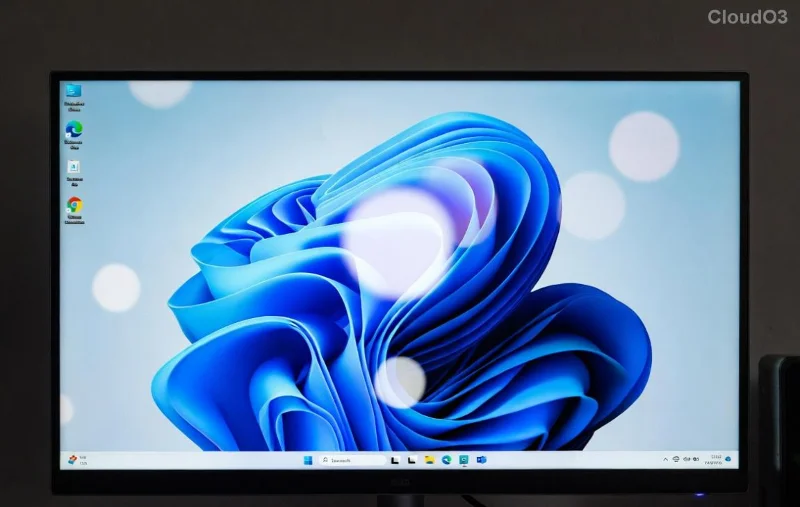
- Open Settings (Win + I) > System > Display.
- Scroll to HDR and toggle Use HDR on. If available, select Dolby Vision from the content type dropdown.
- Click HDR calibration and follow the on-screen wizard to fine-tune brightness and color.
- Under Multiple displays, ensure your primary display supports Dolby Vision (e.g., via HDMI 2.0+ or DisplayPort 1.4).
If Dolby Vision still doesn't activate, switch to your TV or monitor's menu and set the input to Dolby Vision mode manually. This often resolves signal mismatches.
3. Troubleshoot App and Content Compatibility
Not every app plays nice with Dolby Vision on PC. Here's how to ensure smooth playback:
| App |
Dolby Vision Support |
Fix if Not Activating |
| Netflix |
Yes (Windows app or Edge browser) |
Update app; ensure HDR is on in Windows; use Edge for best results. |
| Disney+ |
Yes (via Microsoft Store app) |
Sign out/in; check for app updates; verify content is DV-rated. |
| Plex |
Partial (server-side) |
Enable direct play in settings; update Plex Media Server. |
| Microsoft Movies & TV |
Yes |
Play a DV file; toggle HDR in app settings. |
For testing, grab a free Dolby Vision demo file from Dolby's site and play it via VLC or the Movies & TV app. If it activates here but not in streaming apps, the issue is app-specific—reinstall or update them.
![Streaming app interface on Windows 11 displaying Dolby Vision content with vibrant colors]()
4. Advanced Fixes for Stubborn Issues
If the basics don't cut it, try these deeper dives:
- Reset Graphics Settings: In NVIDIA Control Panel (right-click desktop), go to Display > Change Resolution > Apply > Use NVIDIA color settings, and set Output color format to RGB with full dynamic range.
- Disable Conflicting Software: Tools like f.lux or color filters can interfere—turn them off temporarily.
- Run Windows Troubleshooter: Settings > System > Troubleshoot > Other troubleshooters > Hardware and Devices. Let it scan for display issues.
- BIOS/UEFI Check: Boot into BIOS (usually Del or F2) and ensure integrated graphics aren't overriding your discrete GPU for display output.
- Clean Boot: Search for "msconfig," hide Microsoft services, disable third-party ones, and reboot to isolate software conflicts.
For hardware woes, verify compatibility: Dolby Vision needs a certified display (like LG OLEDs or Samsung QLEDs) and a GPU from the last few generations. If your setup is older, consider an upgrade for that wow factor.
![Graphics driver update screen on Windows 11, illustrating the driver installation process for Dolby Vision support]()
Testing and Verifying Your Dolby Vision Fix
Once applied, confirm success:
- Play Dolby Vision content and watch for the "Dolby Vision" logo or enhanced contrast.
- Use the Windows HDR gaming tool (Settings > System > Display > Graphics settings) to test.
- Monitor GPU usage in Task Manager—HDR should spike it slightly during playback.
If everything lights up, pat yourself on the back! 👏 Your Windows 11 setup is now primed for immersive entertainment.
Prevent Future Dolby Vision Activation Problems
To keep things smooth:
- Enable automatic driver updates via Device Manager or manufacturer apps.
- Stick to Windows 11's latest feature updates for ongoing HDR enhancements.
- Use high-quality HDMI cables (certified for 4K HDR) to avoid signal drops.
- Regularly calibrate your display for peak performance.
By staying proactive, you'll avoid those activation headaches and enjoy consistent, breathtaking visuals. If issues persist, community forums like Reddit's r/Windows11 or Microsoft's support can offer tailored advice.
Final Thoughts: Reclaim Your Cinematic Experience
Fixing Dolby Vision not activating on Windows 11 doesn't have to be a nightmare— with these steps, you're back to vivid, heart-pounding scenes in no time. Whether binge-watching series or gaming in HDR, your setup deserves to deliver the full spectacle. Got a success story or a tweak that worked for you? Drop it in the comments below—we'd love to hear how you unlocked those stunning visuals! 🚀
Ready to dive deeper? Explore our guides on optimizing Windows 11 for gaming or troubleshooting other display quirks to keep your PC performing at its best.