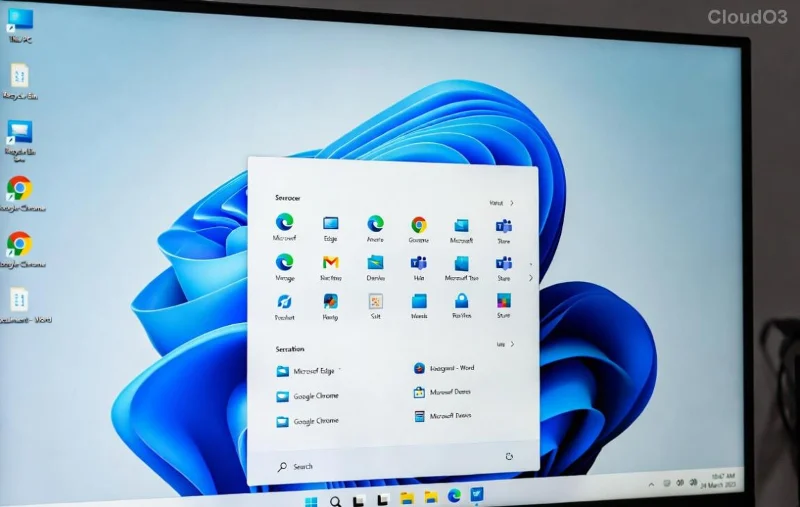
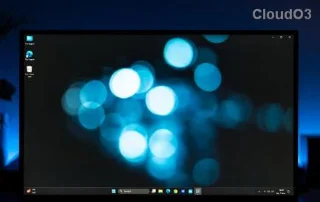
Imagine gliding through your workday or late-night gaming session without the harsh glare of a bright screen. That's the magic of Dark Mode in Windows 11. This feature isn't just a trend—it's a game-changer for eye comfort, battery life on laptops, and that sleek, modern vibe everyone loves. If you're tired of squinting at light themes, you're in the right place. We'll walk you through how to enable Dark Mode for all apps in Windows 11, making your entire system feel like a cozy digital haven.
Whether you're a tech newbie or a seasoned user, this guide is designed to be straightforward, empowering you to transform your PC in minutes. Let's dive in and flip the switch to darkness—your eyes will thank you! 🌙
Why Switch to Dark Mode in Windows 11? The Benefits That'll Hook You
Before we get to the how-to, let's talk perks. Dark Mode flips the script on traditional light interfaces by using dark backgrounds with light text. It's not just aesthetic; it's practical.
- 👁️ Eye Strain Relief: In dim lighting, bright screens can cause fatigue. Dark Mode reduces blue light exposure, making long sessions easier on your peepers.
- 🔋 Battery Savings: On OLED or high-contrast displays, dark pixels use less power, extending your laptop's life—perfect for on-the-go pros.
- ✨ Sleek Aesthetics: Windows 11's native dark theme looks stunning, with rounded corners and fluent design elements that feel fresh and immersive.
- 📱 Consistency Across Apps: Once enabled system-wide, most Microsoft Store apps, File Explorer, and even some third-party ones adapt automatically.
Excited yet? Studies from sources like the American Optometric Association highlight how reducing screen brightness impacts sleep and productivity positively. Now, let's make it happen.
Step-by-Step: How to Enable Dark Mode System-Wide in Windows 11
Enabling Dark Mode for all apps in Windows 11 is simpler than ever, thanks to the latest updates. We'll focus on the built-in Settings app—no downloads needed. Follow these steps, and you'll see the change instantly.
- 🖱️ Open Settings: Hit the Windows key + I, or click the Start button and select the gear icon. Quick and painless!
- 🎨 Navigate to Personalization: In the Settings menu, click Personalization on the left sidebar. This is your hub for customizing colors, themes, and more.
- 🌑 Select Colors: Scroll down and tap Colors. Here, you'll find options to tweak your visual style.
- 🔄 Choose Your Default App Mode: Under "Choose your mode," select Dark from the dropdown. This applies Dark Mode to apps that support it, like Settings itself, Microsoft Edge, and the new File Explorer.
- 📂 Enable Dark Mode for Windows Controls: Right below, in "Choose your default Windows mode," also pick Dark. This ensures system elements like taskbar, Start menu, and notifications go dark too.
- ✅ Apply and Enjoy: No restart required! Watch as your interface transforms. If some apps lag, toggle the option off and on to refresh.
Pro Tip: For even more control, explore Transparency effects in the same menu. Turning them on adds a subtle blur to dark elements, enhancing that premium feel without overwhelming your setup.
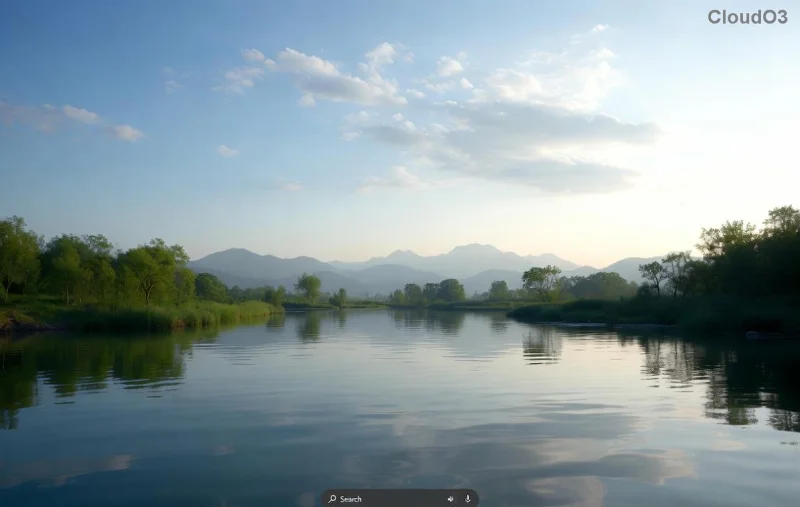
As you can see in this snapshot, the Colors page makes it crystal clear. Boom—your PC is now in Dark Mode glory!
Troubleshooting: What If Dark Mode Doesn't Apply to All Apps?
Not every app plays nice right away, but don't fret. Windows 11's system-wide Dark Mode covers most natives, but third-party apps might need tweaks. Here's how to ensure Dark Mode for all apps in Windows 11 sticks:
| Issue |
Solution |
Why It Works |
| Apps like Chrome or older software stay light |
Enable app-specific dark themes (e.g., in Chrome: Settings > Appearance > Theme > Dark) |
Forces compatibility without system changes |
| File Explorer or Taskbar not darkening |
Check for Windows updates via Settings > Windows Update |
Latest patches ensure full Dark Mode support |
| High contrast issues in low light |
Go to Ease of Access > High contrast themes and select a dark variant |
Enhances accessibility while maintaining style |
| Battery drain persists |
Combine with Night Light (Settings > System > Display) |
Warmer tones pair perfectly with dark interfaces |
If you're dealing with stubborn apps, a quick registry tweak can help advanced users force Dark Mode. But stick to official methods first—safety first! For deeper dives, check Microsoft's support docs in a new tab: Microsoft Dark Mode Guide.
![Windows 11 Apps in Dark Mode]()
Look at those apps shining in the dark! From Notepad to the Photos app, everything aligns beautifully once set up.
Advanced Tips: Customize and Optimize Your Dark Mode Experience
Ready to level up? Enabling Dark Mode for all apps in Windows 11 is just the start. Here are insider hacks to make it yours:
- ⭐ Custom Themes: In Personalization > Themes, download dark packs from the Microsoft Store for variety—think cosmic blacks or subtle grays.
- ⚙️ Third-Party Enhancers: Tools like Auto Dark Mode can sync with your system clock, auto-switching to light during the day. (Always download from trusted sources.)
- 📱 Sync with Devices: If you use a Microsoft account, your Dark Mode preference syncs across tablets and phones via OneDrive.
- 🛡️ Privacy Boost: Dark screens are less visible from angles, adding a layer of discretion in shared spaces.
Feeling inspired? Experiment with accent colors under Personalization > Colors to add pops of your favorite hue—blue for calm, green for energy. These tweaks keep things fresh and prevent monotony.
Final Thoughts: Embrace the Dark Side of Windows 11
Congrats—you've mastered how to enable Dark Mode for all apps in Windows 11! This simple switch not only looks amazing but genuinely improves your daily digital life. Whether you're coding late, browsing endlessly, or just chilling with media, Dark Mode delivers comfort and style.
Stick around our site for more Windows tips, like optimizing performance or hidden gems in the latest updates. What's your favorite dark-themed app? Drop a comment below—we'd love to hear! Until next time, keep your screens soothing. 😊