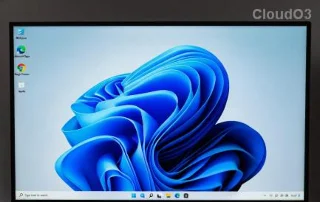
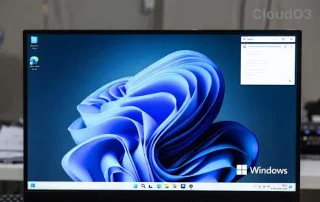
Imagine customizing your Windows 11 desktop with a stunning wallpaper that reflects your style, only to wake up and find it swapped back to that plain default blue. It's a common frustration for many users, but you're not alone. This issue can disrupt your workflow and dampen your computing vibe. In this guide, we'll dive straight into why does Windows 11 background revert to default and arm you with practical, up-to-date solutions to prevent it. By the end, you'll have your screen looking just right—without the headaches. Let's get started! 😊
Understanding the Core Reasons Behind the Reversion
The Windows 11 background reverting to default isn't random; it's often tied to system behaviors designed for stability or user error. Microsoft has refined these in recent updates, but glitches persist. Here's a breakdown of the most frequent culprits, based on the latest troubleshooting insights from official sources.
- 1️⃣ Sync Issues with Microsoft Account: If you're signed into a Microsoft account, wallpaper settings can sync across devices. A conflict during sync—perhaps from another PC or a cloud glitch—might force a reset to default. This is especially common after updates or when switching themes.
- 2️⃣ Power Settings and Sleep Mode: Windows 11's power-saving features sometimes revert customizations to conserve resources. For instance, slideshow backgrounds might fail to load after hibernation, defaulting to a solid color.
- 3️⃣ Corrupted Cache or Registry Errors: Over time, the thumbnail cache or registry entries for wallpapers can corrupt, causing Windows 11 wallpaper reset. This is more likely on systems with heavy multitasking or after installing third-party apps.
- 4️⃣ Updates and Feature Rollouts: Recent Windows 11 patches, like those enhancing personalization, can temporarily override settings. If an update introduces a new default theme, it might stick until you reapply your choice.
- 5️⃣ Multiple Monitor or Dynamic Desktop Conflicts: Using multiple displays or enabling dynamic wallpapers (like Windows Spotlight) can lead to mismatches, where one screen reverts while others stay put.
Recognizing these triggers is the first step to regaining control. Don't worry—the fixes below are straightforward and tested on the current Windows 11 builds. Stick with us, and you'll see results fast.
Step-by-Step Fixes: How to Stop Your Background from Reverting
Ready to reclaim your desktop? We'll walk through proven methods, starting with the simplest. These are drawn from Microsoft's support docs and community-verified solutions, ensuring they're reliable for the latest Windows 11 versions. Follow along, and you'll feel empowered to tweak your setup confidently.
Fix 1: Check and Adjust Personalization Sync
If sync is the villain, disabling it temporarily can help. Head to Settings > Accounts > Windows backup, and toggle off "Remember my preferences." Then, reapply your wallpaper via Settings > Personalization > Background. For a permanent fix:
- Open Settings (Win + I).
- Go to Accounts > Sync your settings.
- Turn off sync for "Theme" and "Wallpaper."
- Restart your PC and set your background again.
This often resolves why does Windows 11 background revert to default in synced environments. Pro tip: If you love syncing, ensure all devices have matching wallpapers to avoid conflicts.
Fix 2: Clear the Thumbnail Cache
A corrupted cache is a sneaky culprit. Clearing it refreshes your wallpaper options without losing files.
| Step |
Action |
Why It Helps |
| 1 |
Press Win + R, type cleanmgr, and hit Enter. |
Launches Disk Cleanup to target temporary files. |
| 2 |
Select your system drive (usually C:), then check "Thumbnails." |
Removes corrupted image caches. |
| 3 |
Click OK to clean, then restart. |
Forces a fresh cache rebuild. |
After this, your custom Windows 11 desktop background should hold steady. If issues persist, run the System File Checker: Open Command Prompt as admin and type sfc /scannow. It's like giving your system a quick health check! 👍
Fix 3: Tweak Power and Display Settings
Power modes can override visuals. To counter this:
- Go to Settings > System > Power & battery.
- Set "Screen and sleep" to longer intervals or disable auto-sleep for testing.
- In Personalization > Background, switch from slideshow to a single image if dynamic options are causing trouble.
For multiple monitors, right-click the desktop, select Personalize, and ensure each display's background is set individually. This prevents one screen's settings from affecting others.
![Customizing Windows 11 wallpaper settings]()
Fix 4: Update Windows and Troubleshoot Updates
Outdated systems are prone to bugs. Ensure you're on the latest build:
- Navigate to Settings > Windows Update.
- Click "Check for updates" and install any available.
- If a recent update caused the issue, use Recovery > Go back (if within 10 days) or reset personalization via Settings > System > Troubleshoot > Other troubleshooters > Windows Update.
Microsoft's ongoing refinements mean these steps are more effective than ever. For deeper dives, check their official guide: Microsoft Support on Desktop Backgrounds.
Advanced Tip: Registry Edit for Persistent Issues
If basics don't cut it, a quick registry tweak can lock in your wallpaper. Warning: Back up your registry first (search "regedit" and use File > Export).
- Open Registry Editor (Win + R, type
regedit).
- Navigate to
HKEY_CURRENT_USER\Control Panel\Desktop.
- Find "Wallpaper," set it to your image path (e.g., C:\Path\To\Image.jpg).
- Create a DWORD "TileWallpaper" and set to 0 for center/stretch.
- Restart Explorer via Task Manager (Ctrl + Shift + Esc > Processes > Restart).
This method ensures your Windows 11 background sticks, even after reboots. It's a bit technical, but rewarding for tech-savvy users.
Preventing Future Reversions: Pro Tips for a Stable Desktop
Now that you've fixed the issue, let's keep it that way. Use high-quality, supported image formats (JPEG or PNG under 4MB) for best compatibility. Avoid third-party wallpaper apps unless they're from trusted developers like Microsoft's Store. Regularly back up your personalization settings via Settings > Accounts > Windows backup to restore quickly if needed.
For dynamic lovers, Windows Spotlight is fantastic but can be finicky—stick to manual selections if stability is key. And remember, if you're on a domain-joined work PC, group policies might enforce defaults; chat with your IT admin for overrides.
Wrapping Up: Enjoy Your Personalized Windows 11 Experience
Dealing with a Windows 11 background reverting to default can be annoying, but with these targeted fixes, it's easily solvable. You've now got the tools to diagnose and prevent it, ensuring your desktop stays as unique as you are. If a specific step trips you up, drop a comment below—we're here to help refine your setup. Your perfect screen awaits—go make it happen! 🚀
Stay tuned for more Windows 11 tips to boost your productivity and style.