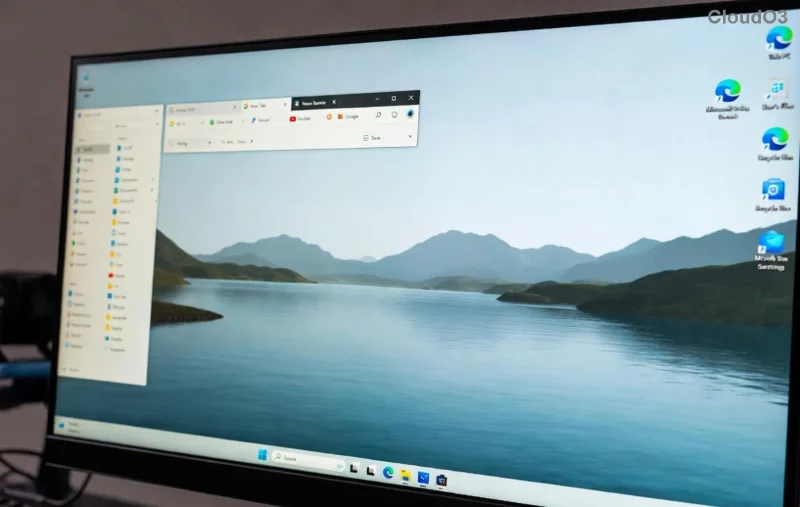
Imagine squinting at your screen because the Windows 11 brightness not working issue has dimmed your display to an frustrating low. 😩 Whether you're working late or enjoying a movie, a malfunctioning brightness control can ruin your day. But don't worry—I've been there, and these reliable solutions will have your screen shining bright again. In this guide, we'll tackle the most common causes and provide straightforward fixes, so you can focus on what matters. Let's dive in and brighten things up!
Why Is Brightness Not Working on Windows 11?
Before jumping into fixes, understanding the root causes can save you time. The brightness not working on Windows 11 problem often stems from outdated drivers, power settings glitches, or hardware conflicts. Recent Windows updates have improved display management, but they can sometimes disrupt brightness controls, especially on laptops or external monitors. Common culprits include:
- Outdated Graphics Drivers: Your GPU drivers might not be compatible with the latest Windows 11 features.
- Power Plan Misconfigurations: Settings that override manual brightness adjustments.
- Third-Party Software Conflicts: Apps like color management tools interfering with display controls.
- Hardware Issues: Faulty function keys or monitor connections.
Recognizing these helps you target the right fix. Ready to troubleshoot? Follow these steps in order—they're designed to be easy and effective, starting with the simplest.
Fix 1: Check Your Keyboard Shortcuts and Basic Controls
Sometimes, it's as simple as a overlooked shortcut. On most laptops, brightness keys are on the function row (F1-F12). Look for sun icons ☀️ and press Fn + that key to adjust.
- Press Windows key + A to open the Quick Settings panel.
- Locate the brightness slider and drag it up. If it doesn't respond, proceed to the next steps.
- Ensure your keyboard's Fn lock isn't enabled—toggle it if needed.
If sliders move but the screen doesn't change, it's likely a driver issue. This quick check resolves the problem for many users right away. Feeling hopeful? Let's move on to more robust solutions.
Fix 2: Update or Reinstall Graphics Drivers
Graphics drivers are the backbone of display functions in Windows 11. Outdated ones often cause brightness not working errors. Here's how to update them safely:
| Step |
Action |
Expected Outcome |
| 1 |
Right-click Start button > Device Manager. |
Opens hardware list. |
| 2 |
Expand "Display adapters" and right-click your GPU (e.g., Intel, NVIDIA, AMD). |
Select "Update driver." |
| 3 |
Choose "Search automatically for drivers." Restart if prompted. |
Installs latest compatible version. |
| 4 (If Needed) |
If no update, right-click > Uninstall device, then restart PC to auto-reinstall. |
Refreshes drivers from scratch. |
For NVIDIA or AMD users, visit their official sites for the newest drivers. This fix has helped countless users restore full brightness control in Windows 11. Pro tip: Run Windows Update first via Settings > Update & Security to catch any system-level patches.
![Device Manager showing graphics driver update in Windows 11]()
Fix 3: Adjust Power and Display Settings
Windows 11's power plans can lock brightness to save battery. Let's tweak them for better control:
- Go to Settings (Windows + I) > System > Display.
- Under "Brightness and color," ensure "Change brightness automatically when lighting changes" is off if it's causing issues.
- Head to Power & battery > Power mode, and select "Best performance" for testing.
- In Advanced power settings (search for it in Start), expand Display > Uncheck "Turn off display after" if it's interfering.
These adjustments often fix Windows 11 screen brightness issues without needing restarts. If you're on a laptop, plug it in—battery mode sometimes caps brightness. Great job sticking with it; you're halfway to a perfect display!
Fix 4: Run the Built-in Troubleshooters
Windows 11 has smart tools to diagnose brightness not working automatically. They're like a digital mechanic for your screen:
- Open Settings > System > Troubleshoot > Other troubleshooters.
- Run the "Hardware and Devices" and "Power" troubleshooters.
- Follow on-screen prompts—they'll scan and apply fixes.
This no-fuss method resolves software glitches in minutes. If it detects nothing, it might point to hardware—time for the next step.
![Windows 11 troubleshooter interface for display issues]()
Fix 5: Reset Windows 11 Display Settings or Use System Restore
If basics fail, reset display configs. For deeper issues, System Restore rolls back recent changes:
- For display reset: Settings > System > Display > Advanced display > Reset (if available).
- Search for "System Restore" in Start, select a restore point before the problem started, and follow through.
Backup important files first. This restores stability without losing data, fixing many Windows 11 brightness problems.
Advanced Fixes: When Nothing Else Works
For stubborn cases, try these:
- BIOS Update: Check your manufacturer's site (e.g., Dell, HP) for BIOS tweaks affecting displays. Proceed cautiously.
- External Monitor Test: Connect to another screen—if brightness works there, it's likely your primary display's hardware.
- SFC Scan: Open Command Prompt as admin, run
sfc /scannow to repair corrupted files.
If hardware is suspect, consult a technician. Most fix brightness Windows 11 scenarios are software-related, though.
Prevent Future Brightness Issues in Windows 11
To keep your screen vibrant:
- Enable automatic driver updates in Windows Update.
- Avoid untrusted third-party apps that tweak displays.
- Regularly clean vents to prevent overheating, which can affect brightness sensors.
By staying proactive, you'll minimize downtime. Your display should now be back to full glory—enjoy the clarity! 👏 If these steps worked for you, share in the comments below. For more Windows tips, stick around; we've got guides on everything from performance boosts to security tweaks.
References: For official guidance, check Microsoft's support pages on display troubleshooting.