01. Risposta rapida
La prospettiva più difendibile per il DXY al 2030 è quella di un andamento laterale con una lieve tendenza rialzista, non di una certezza permanente del dollaro re.
In breve, il dollaro statunitense potrebbe ancora rimanere forte entro il 2030, ma la versione più ottimistica dello scenario rialzista si scontra ora con una narrazione di diversificazione strutturale più credibile rispetto a quella dei decenni precedenti. L'ICE descrive il DXY come l'indice valutario più riconosciuto e scambiato al mondo, e questo status è ancora rilevante per la liquidità, la copertura e la segnalazione macroeconomica. Tuttavia, i dati del COFER del FMI relativi al quarto trimestre del 2025 mostrano che la quota del dollaro nelle riserve allocate è scesa al 56,77%, mentre l'euro si è attestato al 20,25% e il renminbi all'1,95% (COFER del FMI, 27 marzo 2026). Non si tratta di un crollo del dominio, bensì della prova di una graduale erosione interna di tale dominio.
Le attuali condizioni di mercato supportano entrambe le posizioni nel dibattito. L'indice nominale del dollaro statunitense (Nominal Broad US Dollar Index) della Federal Reserve si attestava a 118,3926 il 1° maggio 2026, a dimostrazione della storica solidità del dollaro in termini ponderati per gli scambi commerciali. Allo stesso tempo, le proiezioni dello staff della BCE di marzo 2026 hanno esplicitamente rivisto al ribasso la crescita dell'eurozona nel contesto del conflitto in Medio Oriente, dell'aumento dei prezzi dell'energia e delle persistenti sfide in termini di competitività. Questo è esattamente il tipo di contesto di crescita relativa e di rischio che può mantenere stabile l'indice DXY anche mentre i gestori delle riserve continuano a discutere di diversificazione. I dati disponibili suggeriscono quindi che la dinamica del dollaro a medio termine non sia unidimensionale. Si tratta di un braccio di ferro tra la relativa forza macroeconomica, la domanda geopolitica di beni rifugio e un dibattito lento ma persistente sulle alternative al sistema di riserva.
| Problema | Lettura basata sull'evidenza | Perché è importante |
|---|---|---|
| Dati storici | DXY rimane un punto di riferimento solido, ma la diversificazione delle riserve è reale | Il dollaro può rimanere dominante pur perdendo parte della sua quota strutturale |
| Condizioni attuali | Il dollaro si mantiene stabile su tutta la linea, mentre l'Europa resta fragile e il rischio geopolitico elevato. | Sostiene la domanda di beni rifugio e il sostegno al tasso relativo |
| Visione istituzionale | La divergenza e la frammentazione delle politiche contano più degli slogan sulla de-dollarizzazione. | Le previsioni dovrebbero essere basate su scenari, non binarie. |
| Miglior framework | Utilizzare un intervallo che bilanci la forza ciclica del dollaro con una graduale erosione strutturale. | Entrambe le forze possono coesistere fino al 2030. |
02. Contesto storico
L'indice DXY è forte perché le alternative rimangono imperfette, non perché il dollaro non debba affrontare alcuna sfida.
ICE osserva che l'USDX ha raggiunto un massimo di 164,72 nel febbraio 1985 e un minimo di 70,698 nel marzo 2008. Questa lunga oscillazione ci ricorda che il dollaro può dominare la finanza globale pur subendo ampie fluttuazioni cicliche. L'articolo di ICE sull'impennata del dollaro ha anche evidenziato un movimento da 89,32 nel gennaio 2021 a 114,24 nel settembre 2022. Questi episodi rafforzano una lezione fondamentale: il DXY è altamente sensibile alle divergenze di politica monetaria, alle tensioni globali e alla relativa debolezza delle alternative, in particolare dell'euro a causa del suo peso del 57,6%.
| Metrica | Ultima lettura ufficiale | Interpretazione |
|---|---|---|
| Indice generale del dollaro | 118.3926 il 1° maggio 2026 | Il dollaro rimane forte in termini ponderati per gli scambi commerciali. |
| Quota di riserva in USD | 56,77% nel quarto trimestre del 2025 | Rimane comunque dominante, ma al di sotto dei livelli del decennio precedente. |
| Quota di riserva dell'euro | 20,25% | La principale alternativa al DXY è ancora molto più piccola e attualmente macro-fragile |
| Azione di riserva del Renminbi | 1,95% | In lenta crescita, ma ancora ben lontano dal livello necessario per la sostituzione del sistema di riserva. |
03. Driver principali
Cinque forze influenzeranno probabilmente l'andamento di DXY fino al 2030.
1. Divergenza relativa delle politiche
Le previsioni di liquidità per il 2026 di JP Morgan Asset Management descrivono la divergenza delle politiche monetarie come un fattore determinante per i tassi a breve termine. Tale logica si applica direttamente all'indice DXY, poiché i differenziali dei tassi statunitensi rimangono un importante supporto quando l'Europa o il Giappone sono in ritardo.
2. Debolezza dell'area euro
Le proiezioni dello staff della BCE per marzo 2026 hanno rivisto al ribasso la crescita dell'area euro, evidenziando gli effetti del conflitto in Medio Oriente, le ipotesi più ottimistiche in materia di energia e le pressioni sulla competitività. Poiché l'euro ha un peso preponderante nell'indice DXY, un suo indebolimento può sostenere l'indice anche in presenza di fondamentali statunitensi imperfetti.
3. I BRICS e il dibattito sulla dedollarizzazione
Le dichiarazioni ufficiali dei BRICS del 2025 e dell'aprile 2026 hanno posto l'accento sull'utilizzo della valuta locale, sulle iniziative per i pagamenti transfrontalieri e su una rappresentanza più ampia al di là dell'asse Stati Uniti-Europa. I dati disponibili suggeriscono che si tratti più di una pressione strutturale a lungo termine che di un fattore scatenante immediato per il crollo dell'indice DXY, ma è comunque una realtà sufficientemente concreta da influenzare le strategie per il 2030.
4. Domanda di rifugio geopolitico
L'Europa orientale e il Medio Oriente continuano a essere importanti. Il rischio legato alla guerra può rafforzare il dollaro attraverso i flussi di capitali verso beni rifugio e le ricadute sui prezzi dell'energia, anche quando gli Stati Uniti stessi sono parte integrante del contesto geopolitico.
5. Credibilità fiscale e inerzia del sistema di riserva
Il dollaro continua a beneficiare della sua posizione di valuta dominante, della liquidità e della mancanza di un sostituto diretto. Tuttavia, le preoccupazioni fiscali a lungo termine e la frammentazione economica potrebbero nel tempo erodere la sua quota di mercato.
04. Previsioni istituzionali e opinioni degli analisti
L'inquadramento istituzionale sostiene la continua importanza del dollaro, ma non l'autocompiacimento.
Le analisi del FMI sulla predominanza del dollaro continuano a sostenere che il ruolo centrale del dollaro rimane intatto, pur in presenza di una graduale erosione. I dati della BRI sul turnover valutario del 2025 confermano lo stesso punto dal punto di vista del trading: il dollaro rimane profondamente radicato nella struttura del mercato globale. Nel frattempo, le previsioni macroeconomiche di BlackRock per il 2026 hanno iniziato l'anno con una posizione ribassista sul dollaro statunitense, evidenziando come le prospettive cicliche e di valutazione possano divergere da quelle strutturali del sistema di riserve. Le evidenze sono sufficientemente contrastanti da rendere più plausibile una prospettiva basata su un intervallo di oscillazione rispetto a un'affermazione del tipo "il dollaro regnerà per sempre" o "la dedollarizzazione è imminente".
| Fonte | Visualizza | Implicazioni per DXY |
|---|---|---|
| COFER del FMI / Blog del FMI | Il dollaro rimane dominante, ma la quota delle riserve continua a diminuire leggermente. | Sostiene la necessità di cautela strutturale, non il crollo immediato. |
| Fatturato BIS FX | Il dollaro rimane un elemento centrale nel mercato valutario globale. | Sostiene la continua rilevanza del punto di riferimento |
| BCE / Eurostat | L'Europa rimane ciclica e strutturalmente in difficoltà. | Sostiene l'indice DXY grazie alla relativa debolezza dell'euro. |
| BlackRock / JP Morgan AM | La divergenza e la frammentazione delle politiche restano fattori macroeconomici di primaria importanza. | Mantiene plausibili sia gli scenari rialzisti che quelli ribassisti. |
05. Toro, Orso e Caso Base
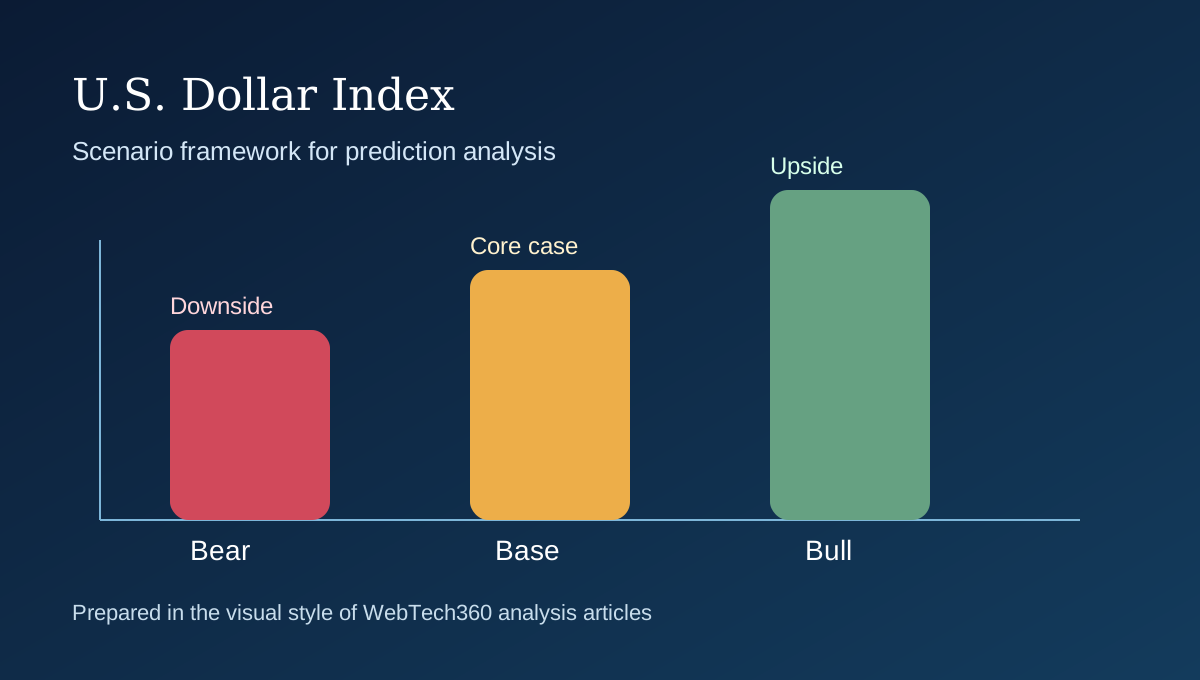
Come è costruita la gamma 2030 DXY
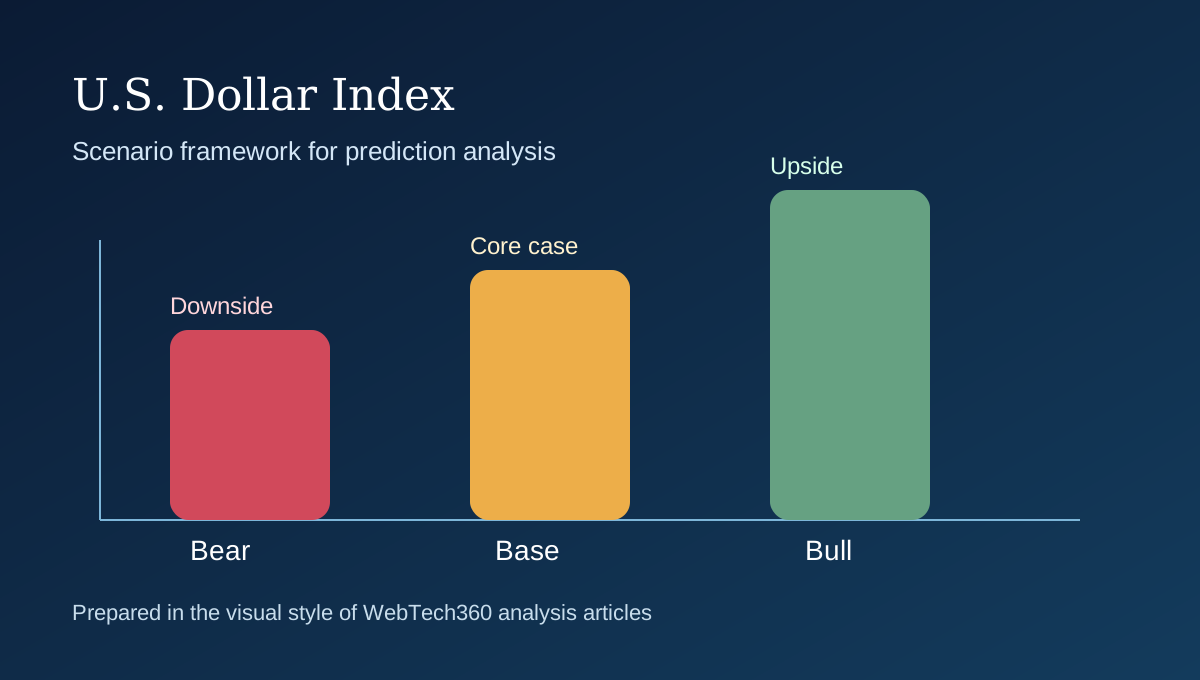
| Scenario | Intervallo 2030 | Condizioni richieste | Probabilità |
|---|---|---|---|
| Toro | 108-118 | L'Europa resta debole, la tensione geopolitica rimane elevata e i differenziali di tasso continuano a favorire gli Stati Uniti. | 25% |
| Base | 96-108 | Il dollaro rimane dominante, ma la diversificazione delle riserve e la convergenza parziale dei tassi limitano i potenziali rialzi. | 50% |
| Orso | 86-96 | La crescita al di fuori degli Stati Uniti migliora, le preoccupazioni fiscali statunitensi assumono maggiore importanza e la spinta alla diversificazione acquista credibilità. | 25% |
| Direzione | Probabilità | Commento |
|---|---|---|
| Più alto entro il 2030 | 35% | Molto probabilmente, se l'Europa rimarrà relativamente debole e la geopolitica continuerà a sostenere la domanda di beni rifugio, |
| Abbassamento entro il 2030 | 25% | Ciò richiederebbe un'erosione strutturale più convincente o una maggiore pressione sulla credibilità degli Stati Uniti. |
| Da laterale a misto | 40% | Plausibile perché il sostegno ciclico e la diversificazione strutturale possono coesistere |
06. Posizionamento degli investitori
Come diversi gruppi di investitori possono considerare un parametro di riferimento strutturalmente importante ma ciclico
| Tipo di investitore | Approccio prudente | Punti di controllo principali |
|---|---|---|
| L'investitore è già in profitto | Mantenere o ridurre tatticamente se la forza del rifugio sicuro è diventata eccessiva | Tassi di interesse, debolezza dell'euro e premio geopolitico |
| L'investitore è attualmente in perdita | Rivalutare se la prospettiva fosse basata sul sostegno ciclico dei tassi o su una tesi di lungo periodo relativa al sistema di riserve. | Divergenza di politica e dati sulle riserve |
| Investitore senza posizione | Attendi una ripresa o un'eventuale esposizione al rischio, piuttosto che inseguire i picchi di crisi. | Prospettive della BCE, sviluppi sui pagamenti dei BRICS e principali notizie fiscali statunitensi. |
| Commerciante | Utilizzare gli stop-loss e rispettare le inversioni basate sugli eventi. | Differenziali di rendimento, titoli di giornale sui conflitti e riunioni politiche |
| Investitore a lungo termine | Utilizzate il dollaro come strumento di allocazione macroeconomica, non come una scommessa permanente a senso unico. | Quota di riserva e alternative strutturali |
| Investitore che si copre dal rischio | Utilizzate strategie di copertura selettive se aumenta il rischio di frammentazione, ma evitate di pagare prezzi eccessivi per investimenti sicuri effettuati all'ultimo minuto. | Volatilità e stress inter-asset |
Conclusione: il DXY rimane uno dei benchmark macroeconomici più chiari per la divergenza delle politiche e le tensioni globali, ma le sue prospettive per il 2030 si inquadrano meglio come una lotta tra la forza ciclica del dollaro e la graduale erosione strutturale. Disclaimer: questo articolo è a scopo puramente informativo e di ricerca e non costituisce consulenza finanziaria.
07. FAQ
Domande frequenti
L'appartenenza ai BRICS implica automaticamente un calo dell'indice DXY?
No. Le iniziative ufficiali dei BRICS sono importanti nel lungo termine, ma il dollaro continua a beneficiare di un'elevata liquidità del mercato e della sua posizione consolidata.
Perché l'Europa è così importante per DXY?
Poiché l'euro rappresenta il 57,6% del peso dell'indice, la sua debolezza è uno dei fattori che più direttamente contribuiscono all'aumento del DXY.
Qual è la principale forza rialzista per DXY?
La persistente divergenza di politiche unita alla domanda geopolitica di beni rifugio rappresenta la combinazione rialzista più forte.
Quali fattori indebolirebbero maggiormente il dollaro?
Una crescita più pulita al di fuori degli Stati Uniti, rendimenti relativi più bassi negli Stati Uniti e una diversificazione più credibile al di fuori del dollaro indebolirebbero le prospettive.
Metodologia e invalidazione
Come interpretare questo schema DXY e cosa lo modificherebbe
Le evidenze in linea sono importanti perché le discussioni sul DXY possono facilmente degenerare in slogan. I dati stessi dell'ICE confermano che il DXY è ancora principalmente un paniere di mercati sviluppati, con l'euro che ne detiene il 57,6% del peso, motivo per cui la debolezza dell'eurozona può avere un impatto sproporzionato sull'indice di riferimento, anche quando il quadro generale del dollaro è più complesso ( metodologia ICE USDX ). Allo stesso tempo, i dati COFER del FMI mostrano ancora il dollaro come la principale valuta di riserva, mentre i dati sul turnover della BRI continuano a evidenziare il ruolo centrale della valuta nelle transazioni valutarie globali, sottolineando perché il declino strutturale del dollaro rimane un processo lento piuttosto che una transizione improvvisa ( COFER FMI Q4 2025 ; turnover valutario BIS 2025 ). Le proiezioni della BCE e i dati sulla crescita di Eurostat, nel frattempo, contribuiscono a spiegare perché la debolezza europea e la vulnerabilità energetica siano ancora rilevanti per qualsiasi previsione seria sul DXY ( proiezioni della BCE marzo 2026 ; PIL preliminare Eurostat Q1 2026 ).
Un articolo utile sul dollaro statunitense non dovrebbe ridurre ogni questione valutaria a un'unica operazione. Ciò è particolarmente importante per il DXY, poiché l'indice stesso è strutturalmente ristretto. L'ICE definisce l'indice del dollaro statunitense come un paniere di sei valute, calcolato con una media geometrica, in cui l'euro rappresenta il 57,6% del peso e il resto è distribuito tra yen, sterlina, dollaro canadese, corona svedese e franco svizzero. Questo significa che il DXY non è una misura completa del ruolo del dollaro nell'economia mondiale. È meglio intenderlo come un benchmark altamente liquido per la performance del dollaro rispetto a un paniere di valute dei mercati sviluppati storicamente rilevante. Per questo motivo, questi articoli combinano l'analisi specifica del DXY con dati ufficiali più ampi provenienti dall'indice generale del dollaro della Federal Reserve, dai dati sulle riserve del FMI, dalle statistiche sul turnover valutario della BRI, dalle proiezioni della BCE e dagli sviluppi geopolitici e dei BRICS.
Gli scenari descritti in questi articoli sono quindi condizionali piuttosto che deterministici. Un esito rialzista per il dollaro richiede in genere una combinazione di divergenza politica, relativa resilienza della crescita, inerzia del sistema di riserva, domanda di beni rifugio o rinnovata pressione sull'Europa e altre alternative. Un esito ribassista per il dollaro richiede una disinflazione più netta negli Stati Uniti con convergenza dei tassi, preoccupazioni sulla credibilità fiscale che prevalgano sulla domanda di beni rifugio, un miglioramento più ampio della crescita al di fuori degli Stati Uniti o un percorso di diversificazione a lungo termine più credibile che si allontani dal dollaro. I dati disponibili suggeriscono che il dollaro beneficia ancora di enormi vantaggi derivanti dalla sua posizione dominante. I dati COFER del FMI continuano a mostrare che il dollaro rimane la principale valuta di riserva e i dati sul turnover della BRI indicano ancora il ruolo centrale del dollaro nei mercati valutari globali. Tuttavia, gli stessi dati ufficiali mostrano anche una graduale erosione strutturale della quota di riserva del dollaro e un dibattito più ampio sui regolamenti in valuta locale, sui sistemi di pagamento transfrontalieri e sulla frammentazione.
Ecco perché le questioni politiche e geopolitiche sono importanti in un'analisi DXY. L'Europa orientale e il Medio Oriente influenzano il dollaro attraverso il sentiment di rischio, i prezzi dell'energia e i flussi di capitale. Le proiezioni dello staff della BCE di marzo 2026 indicano esplicitamente che la crescita dell'area euro è stata rivista al ribasso e le ipotesi sull'energia al rialzo a seguito del conflitto in Medio Oriente, mentre le comunicazioni ufficiali dei BRICS continuano a discutere dell'uso della valuta locale, dei pagamenti transfrontalieri e di una rappresentanza più ampia al di fuori dell'asse USA-Europa. Tutto ciò non significa che il dollaro stia per perdere il suo ruolo di valuta di riserva dominante. Significa però che una seria analisi per il 2030 o il 2035 deve valutare contemporaneamente sia il supporto ciclico sia l'erosione strutturale. Un benchmark può rimanere dominante e al contempo perdere gradualmente quote di mercato. Questi non sono esiti mutuamente esclusivi.
Il posizionamento degli investitori dipende fortemente anche dall'orizzonte temporale. Un trader potrebbe essere più interessato ai differenziali di rendimento, al rischio legato alle notizie economiche e ai flussi di capitali rifugio a breve termine. Un investitore a lungo termine dovrebbe invece preoccuparsi maggiormente dell'inerzia del sistema di riserve, della credibilità fiscale, della salute dell'Europa e del Giappone come alternative e se le iniziative di pagamento dei BRICS e del Sud del mondo rimarranno simboliche o acquisiranno un significato operativo. Chi è già in profitto grazie a una previsione di dollaro forte potrebbe razionalmente ridurre o coprire la propria posizione se il supporto dei tassi di interesse relativi si indebolisce. Chi non ha posizioni aperte potrebbe decidere che sia più sensato diversificare l'esposizione piuttosto che inseguire la forza dei beni rifugio dopo uno shock geopolitico. Si tratta di problemi decisionali diversi e lo stesso intervallo di previsione può implicare azioni prudenti differenti a seconda dell'obiettivo del lettore.
Cosa potrebbe invalidare una prospettiva positiva per il dollaro? I candidati più ovvi sarebbero un miglioramento generalizzato della crescita al di fuori degli Stati Uniti, trainato da un'area euro meno fragile, maggiori preoccupazioni fiscali negli Stati Uniti che prevalgano sulla domanda di beni rifugio, o la prova che i pagamenti transfrontalieri in valuta locale stiano diventando molto più significativi dal punto di vista operativo di quanto i mercati attualmente presumano. Cosa potrebbe invalidare uno scenario ribassista più forte? Un rinnovato stress geopolitico, una debolezza europea più evidente, rendimenti reali statunitensi più elevati o nuove prove che i gestori delle riserve continuino a preferire il dollaro nonostante la retorica sulla diversificazione, indebolirebbero tutti tale tesi al ribasso. Questa è la disciplina che gli investitori dovrebbero aspettarsi da qualsiasi articolo sul dollaro. La tesi dovrebbe essere falsificabile e dovrebbe spiegare quali prove indurrebbero l'autore a rivedere l'intervallo di oscillazione.
In termini pratici, il DXY rimane uno dei benchmark macroeconomici più utili al mondo proprio perché si colloca all'incrocio tra politica monetaria, geopolitica, gestione delle riserve e dispersione della crescita globale. Il mercato spesso considera il dollaro come permanentemente inattaccabile o permanentemente condannato. I dati disponibili suggeriscono che la risposta più realistica sia più sfumata: il dollaro può rimanere dominante per anni pur dovendo affrontare una lenta sfida strutturale. Questa è la logica alla base degli intervalli indicati in questi articoli, ed è anche il modo più difendibile per aggiornarli man mano che il contesto macroeconomico e geopolitico si evolve.
Riferimenti
Fonti
- ICE, Panoramica degli indici valutari
- Panoramica metodologica di ICE, USDX e DXY
- ICE, un dollaro statunitense in forte rialzo offre nuove opportunità
- FRED, Indice nominale del dollaro USA
- Rapporto sui dati del FMI, COFER Q4 2025
- Blog del FMI, Il predominio del dollaro nel sistema internazionale delle riserve: un aggiornamento
- FMI, Rapporto sul settore esterno 2025
- BIS, volume di scambi sul mercato OTC in valuta estera nell'aprile 2025
- Proiezioni macroeconomiche dello staff della BCE per l'area dell'euro, marzo 2026
- Eurostat, stima preliminare del PIL dell'area euro per il primo trimestre 2026
- BRICS Brasile, Sintesi della dichiarazione dei leader, luglio 2025
- BRICS, Dichiarazione del Presidente, 29 aprile 2026
- BlackRock, prospettive macroeconomiche globali per il 2026: pazienza
- JP Morgan AM, La divergenza di politiche rimodella il front-end