كيفية تنظيف علبة التقويم: روتين آمن وبسيط يجففها فعلاً

تعلم كيفية تنظيف علبة جهاز تقويم الأسنان باستخدام الصابون الخفيف والماء الفاتر، وتجفيفها بشكل صحيح، وتجنب الحرارة الضارة، ومعرفة متى يجب استبدال العلبة.
Internet privacy is a big issue in today’s world. Ensuring your security and privacy online helps to protect you and your devices from malicious parties. This is where private DNS comes in.
If you’re concerned about your online privacy and want to take steps to increase it, stick around to learn what private DNS is and how you can configure it on your devices.
Table of Contents
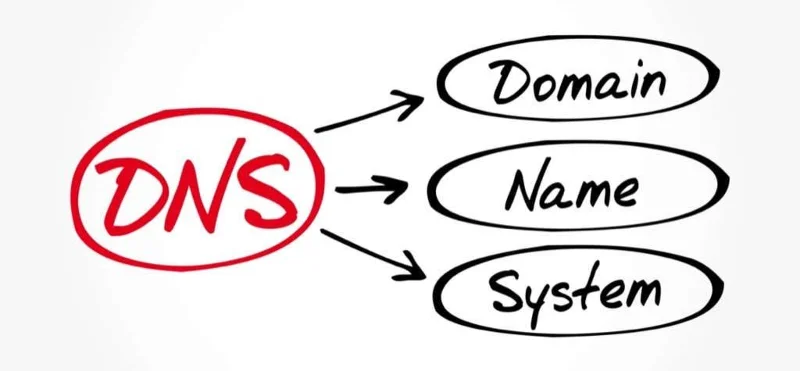
What Is DNS?
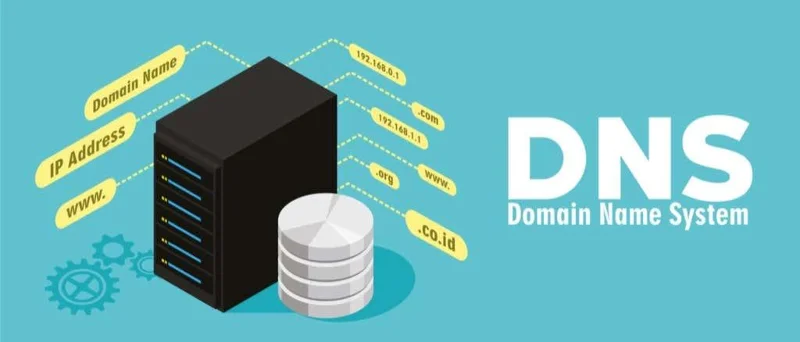
The Domain Name System (DNS) maps the web address that you search (otherwise called the URL or Unified Resource Locator) to a set of IP addresses so that packets are efficiently sent over the internet.
Generally, a DNS server will perform the translation from URL to IP. This process is called a DNS transaction, and these occur every time you visit a website, use particular applications, or communicate over specific platforms.
These transactions, like the domain names, are unencrypted. There aren’t any privacy mechanisms in place to protect the confidentiality of the transactions. This means that operators and others can easily see and log them, and this can be a serious problem when the information is a security or privacy risk.
Further, it can make you susceptible to particular forms of malicious cyberattacks (like man-in-the-middle attacks).
What Is Private DNS?
There are two new terms to understand private DNS: Transport Layer Security (TLS) and Hypertext Transfer Protocol Secure (HTTPS). These protocols encrypt any DNS queries sent out, and DNS over these protocols are referred to as DoH (DNS over HTTPS) and DoT (DNS over TLS).
Much of the malware, ransomware and data theft attacks rely on DNS security weaknesses. This is where private DNS comes in. DoT and DoH encrypt the communication between your network and the DNS server and prevent third parties from intercepting the data.
Some other privacy software you can use include a VPN and SmartDNS.
How Do You Use Private DNS?
The process will differ depending on your device/platform. To enable private DNS, you need to configure a DNS address on your device and have access to a third-party DNS server that includes DoT or DoH functionality.
Cloudflare offers a free private DNS service at 1.1.1.1 or 1.0.0.1 but logs some information, which you can read about here. This DNS resolver is completely free. Other free DNS options include OpenDNS, 1.1.1.1 with Warp, and Google.
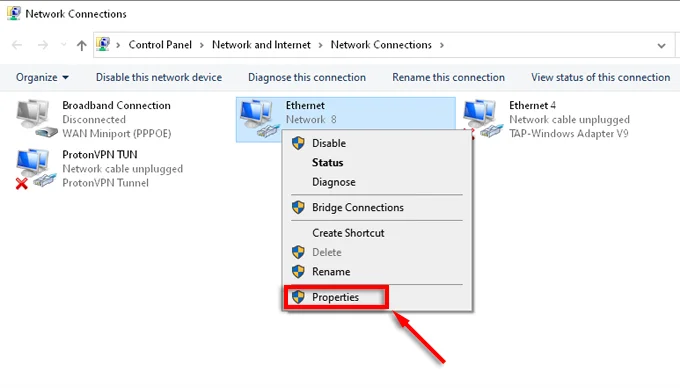
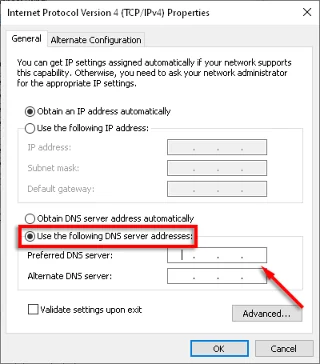
How to Enable Private DNS on Windows 10
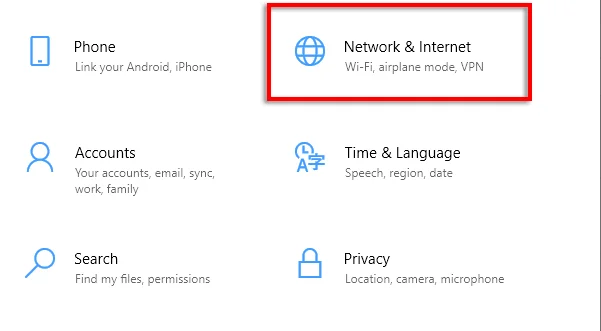
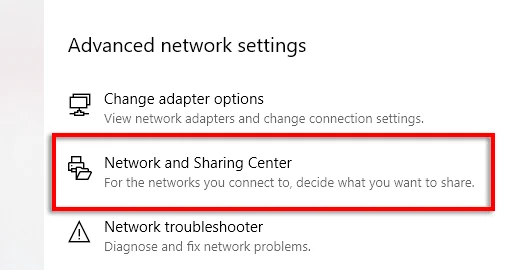
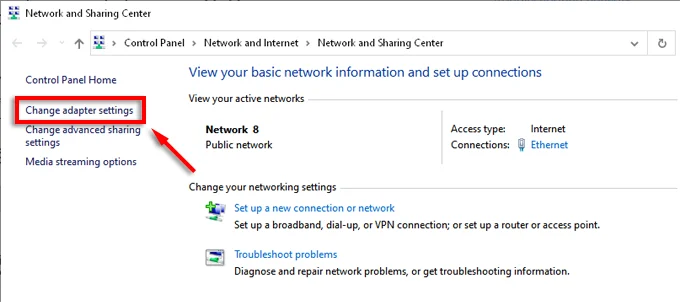
To use private DNS on Windows 10, follow the steps below:

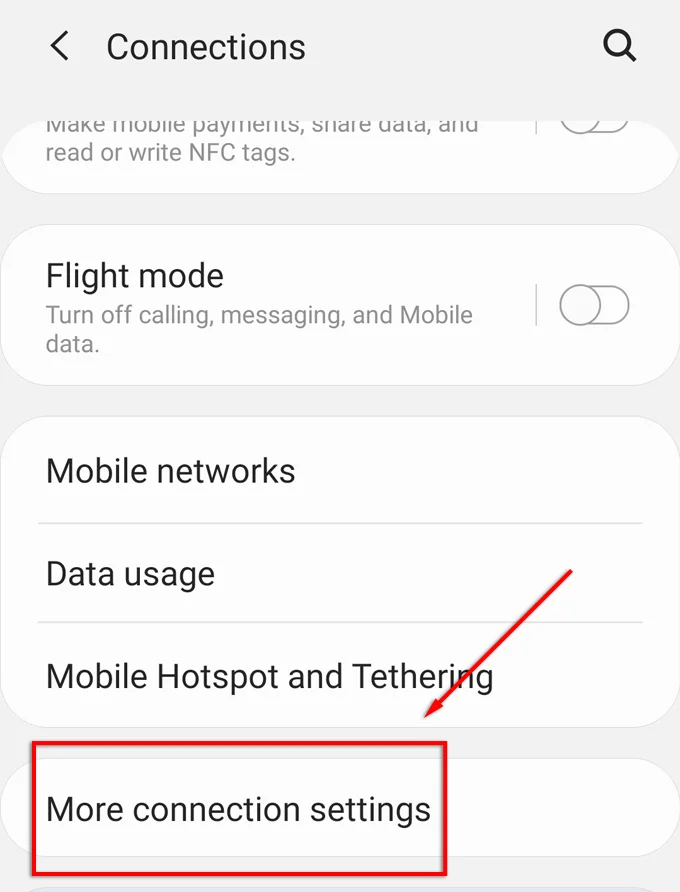
How to Enable Private DNS on Android
Google introduced support for DNS over TLS in Android 9, allowing you to use private DNS on your phone. To do this, you will need to have access to a private DNS server. Go to Settings.
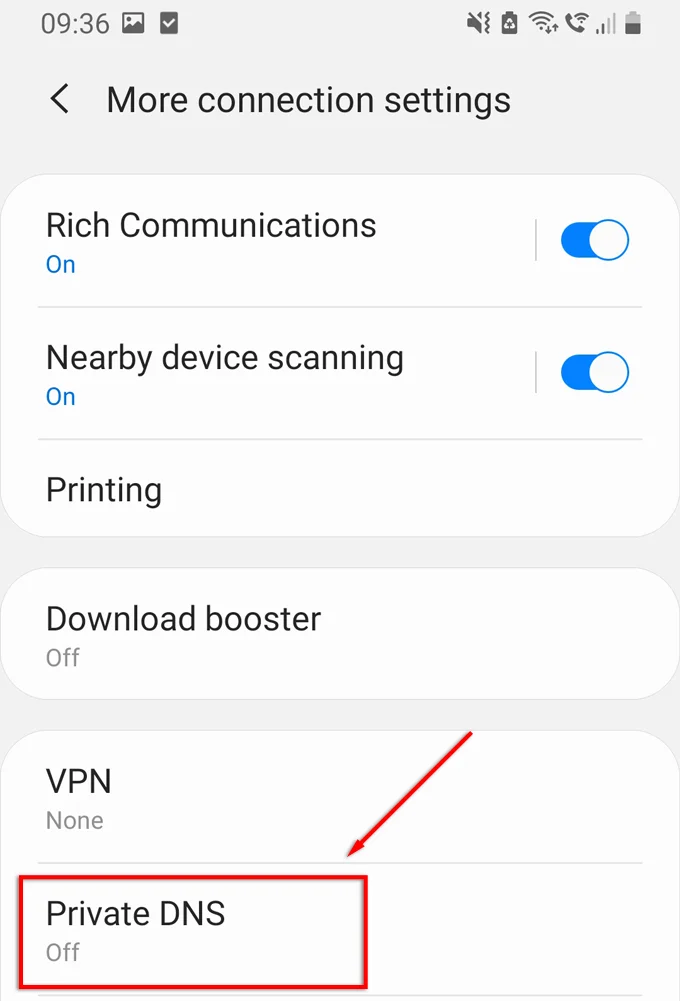
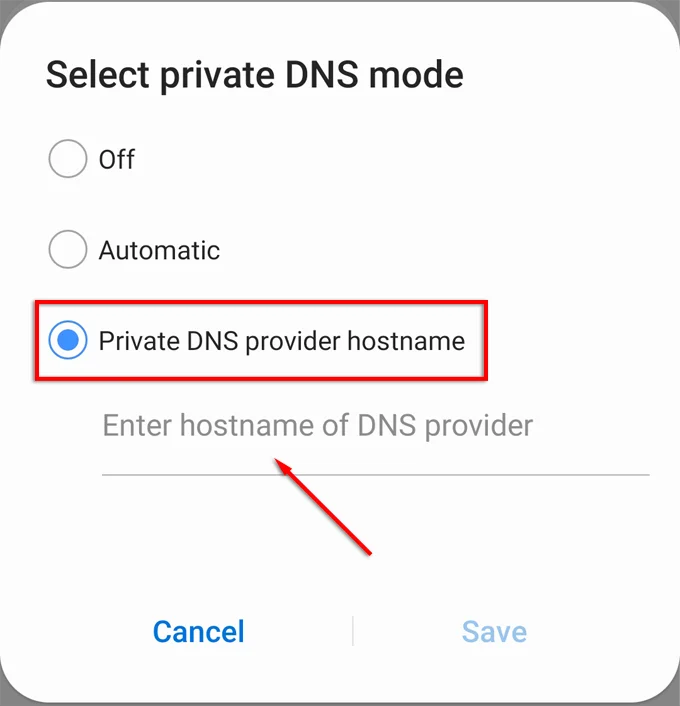
Note: If you’re using CloudFlare, the URL will be 1dot1dot1dot1.cloudfare-dns.com.
How to Enable Private DNS on a Mac
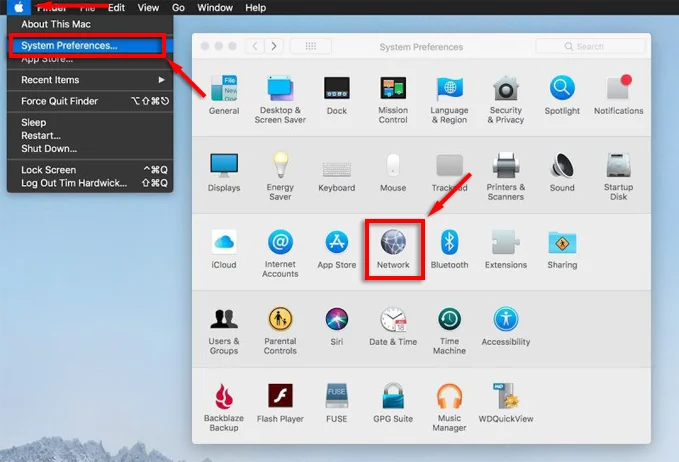
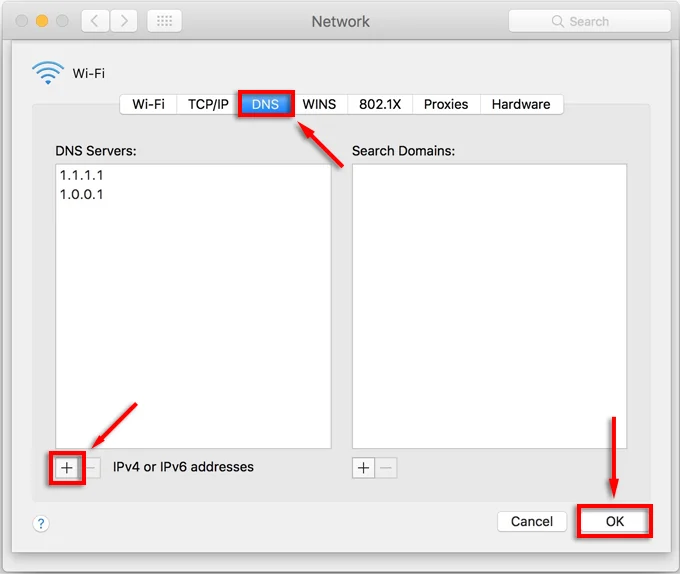
To enable private DNS on a Mac, do the following:
How to Enable Private DNS on an iPhone
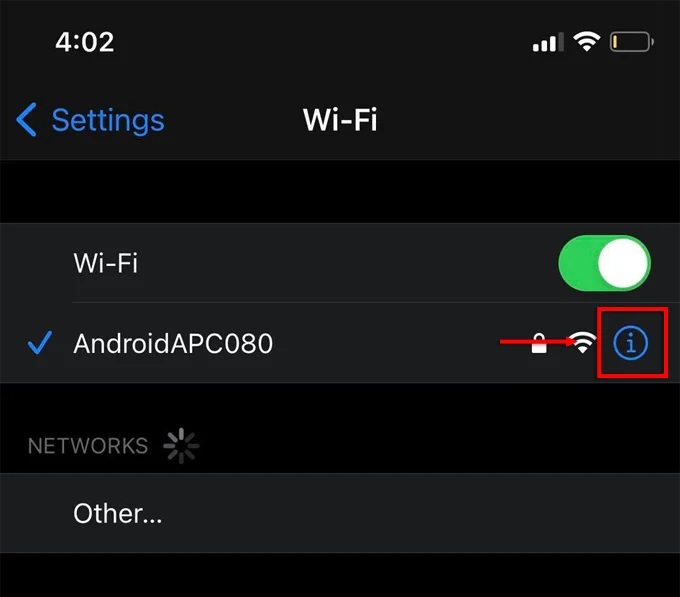
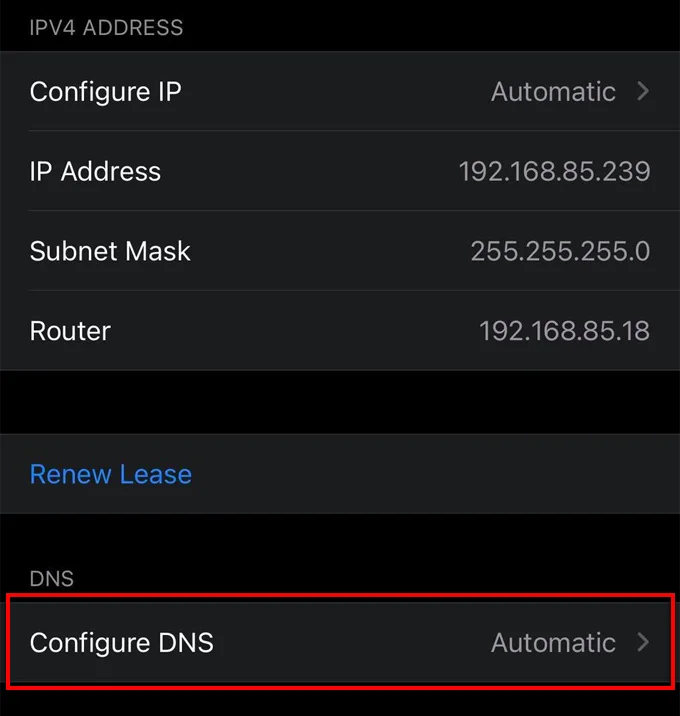
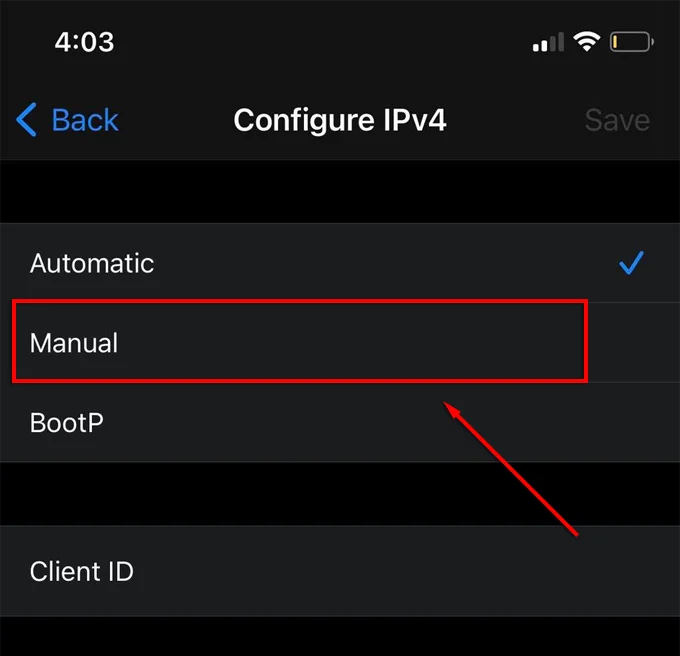
To use encrypted DNS on an iPhone follow the steps below:
CloudFlare’s 1.1.1.1: Faster & Safer Internet App
You can automatically set up a private DNS server on your Android. Apps like CloudFlare’s 1.1.1.1 Faster & Safer Internet will automatically configure your device to use the 1.1.1.1 DNS server. It is also available on iPhone. It’s called 1.1.1.1: Faster Internet in the Apple Store. It’s a free app that functions without ads.

Check and Validate the DNS
Setting up a private DNS is not necessarily secure by itself. Once you’ve set up an alternate DNS address it’s important to check it to ensure that your connection is safe. There are several online tools you can use to do this including Cloudfare’s own security check tool.
This will double-check that your DNS queries are encrypted, whether your browser is supporting encrypted Server Name Indication (SNI), whether your DNS resolver is using Domain Name System Security Extensions (DNSSEC), and which version of TLS is being used.
Internet Privacy
Public DNS is one of the most significant security concerns on the internet, and configuring private DNS can protect you and your devices from malicious actors on the internet.
Do you use private DNS? Let us know in the comments below.
تعلم كيفية تنظيف علبة جهاز تقويم الأسنان باستخدام الصابون الخفيف والماء الفاتر، وتجفيفها بشكل صحيح، وتجنب الحرارة الضارة، ومعرفة متى يجب استبدال العلبة.
تعلم كيفية فحص وصيانة فلتر هواء المحرك، ومتى يكون التنظيف مناسبًا، ومتى يكون الاستبدال أكثر أمانًا، وكيفية التحقق من إعادة التركيب بشكل صحيح.
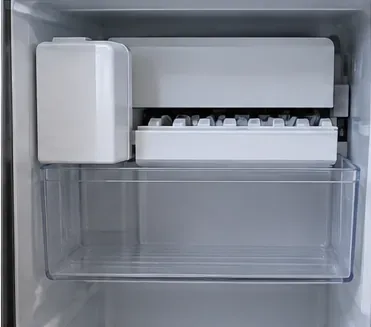
تعلم كيفية تنظيف صانع الثلج في المجمد بأمان، بما في ذلك حاوية الثلج، والأسطح التي يمكن الوصول إليها في صانع الثلج، وقناة التوزيع، والتجفيف، وإعادة التجميع، والأخطاء التي يجب تجنبها.
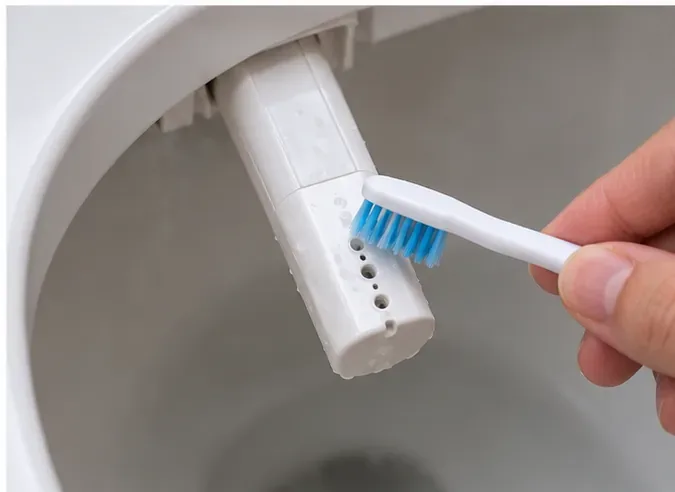
تعرف على كيفية تنظيف فوهة البيديه بأمان، وماذا تفعل خاصية التنظيف الذاتي حقًا، وكيفية التعامل مع تراكم المعادن، وأي المنظفات تعتمد على طرازك المحدد.
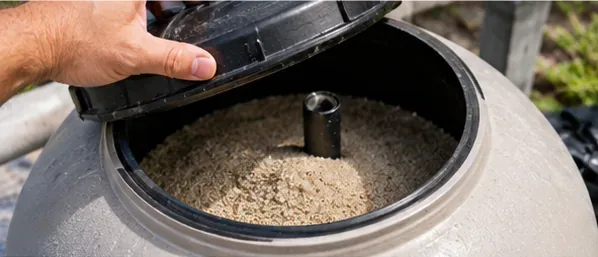
تعلم كيفية تنظيف مرشح رمل حمام السباحة بأمان، والحكم على ما إذا كانت عملية الغسيل العكسي ناجحة، ومعرفة متى يكون التنظيف العميق أو الإصلاح أو استخدام وسائط جديدة مبرراً.
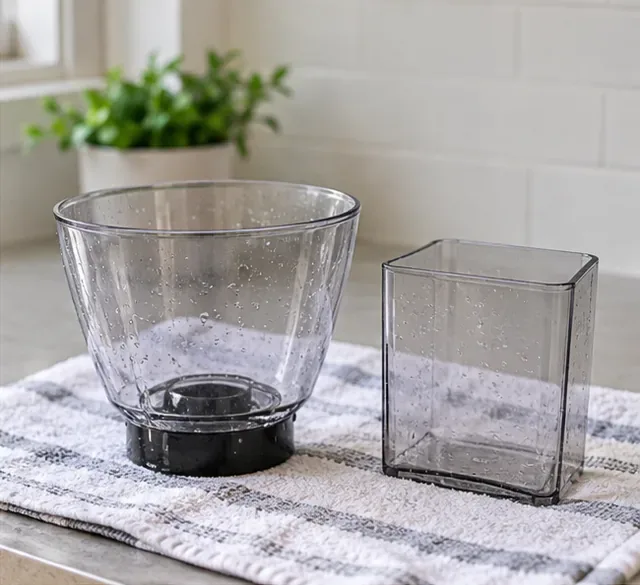
تعلم كيفية تنظيف مطحنة القهوة بأمان، بدءًا من تنظيف الشفرات بالفرشاة الجافة وحتى غسل الأجزاء القابلة للإزالة وإعادة التجميع والاختبار والعناية بشفرات المطحنة.
تعلم كيفية إزالة غراء الأظافر من الملابس بأمان، بدءًا من كشط الغراء الجاف وحتى استخدام الأسيتون بحذر، والغسيل، وفحص القماش قبل التجفيف.
Learn how to remove sticker residue from clothes safely, from cold treatment and pretreating to careful solvent use, washing, and air-drying.
تعلم كيفية تنظيف لوحة المفاتيح الميكانيكية بأمان، بما في ذلك أغطية المفاتيح القابلة للإزالة، والغبار، والأوساخ، والتجفيف، وإعادة التجميع، ومتى تتوقف وتتحقق من الدليل.
تعلم كيفية إزالة الغراء عن الملابس باستخدام طرق لطيفة أولاً، ومتى يجب اللجوء إلى الغراء الساخن أو الغراء الفائق، وكيفية فحص القماش قبل التجفيف.