Are we on the brink of a cancer treatment revolution? With Russia's emerging cancer vaccines and the advanced mRNA platforms from the US and Europe, the race to combat oncology is heating up. This article dives into a direct comparison, helping you understand the strengths, limitations, and future potential of these technologies. By the end, you'll grasp why these innovations matter and what they could mean for global health. Let's explore the key differences step by step. 🔍
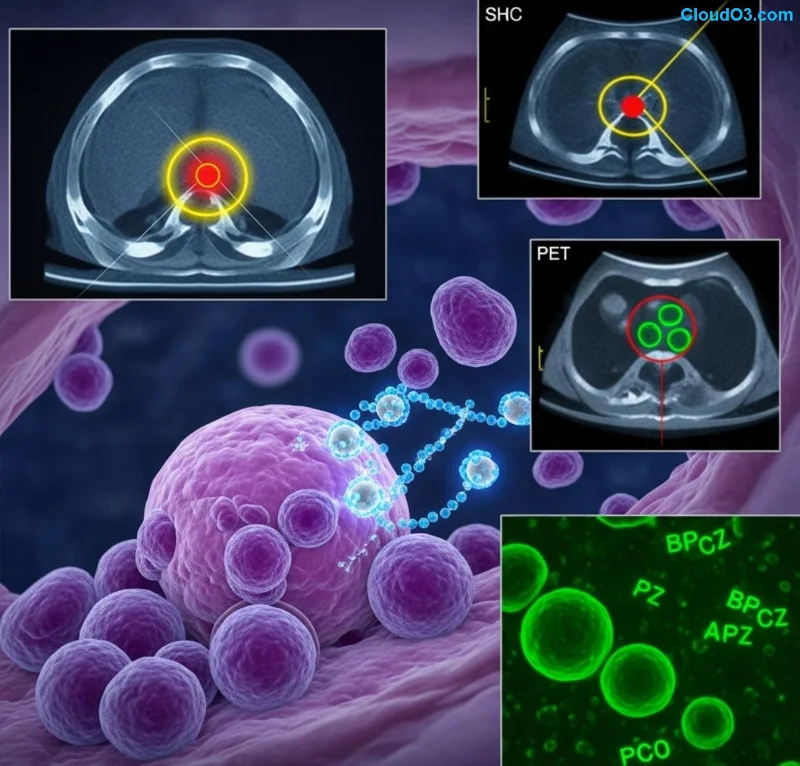
Understanding Russian Cancer Vaccine Technology
Russia has made strides in cancer vaccine development, primarily through institutions like the Gamaleya Research Institute. These vaccines often rely on viral vector platforms, similar to the Sputnik V COVID-19 vaccine. For instance, recent reports highlight experimental vaccines targeting specific cancers, such as melanoma and lung cancer, by stimulating the immune system to attack tumor cells. As of 2023, clinical trials have shown promising results in early phases, with one vaccine demonstrating tumor reduction in animal models and initial human tests.
Key advantages include cost-effectiveness and ease of production, making them accessible for widespread use. However, challenges persist, such as potential immune responses to the viral vectors themselves. 🌟 According to the latest data from the World Health Organization, Russia's approach emphasizes personalized medicine, tailoring vaccines to individual tumor profiles for better efficacy.
Diving into mRNA Technology from the US and Europe
On the other side, mRNA technology pioneered by US companies like Moderna and Pfizer-BioNTech (with strong European ties) has transformed cancer vaccine development. mRNA vaccines work by instructing cells to produce proteins that trigger an immune response against cancer cells. Recent breakthroughs, such as Moderna's mRNA-4157 for personalized cancer therapy, have entered phase 3 trials as of 2024, showing up to 44% reduction in disease recurrence for melanoma patients.
European contributions, notably from BioNTech in Germany, have accelerated this field through collaborations. The technology's flexibility allows for rapid adaptation to various cancer types, but it requires ultra-cold storage, which can limit accessibility in developing regions. A 2024 study in the New England Journal of Medicine praised mRNA's precision, noting fewer side effects compared to traditional therapies.
![mRNA Vaccine Development]()
Direct Comparison: Russian Cancer Vaccine vs. mRNA Technology
Now, let's get to the heart of the matter. How do these two approaches compare? We'll break it down into core aspects like mechanism, efficacy, safety, and accessibility to keep things focused and insightful.
| Aspect |
Russian Cancer Vaccine (Viral Vector-Based) |
mRNA Technology (US & Europe) |
| Mechanism |
Uses modified viruses to deliver genetic material, prompting immune activation. Simple and established. |
Delivers mRNA to cells, which then produce cancer-fighting proteins. Highly customizable but requires precise delivery. |
| Efficacy |
Early trials (2023-2024) show 30-50% tumor response rates in specific cancers, per Russian health reports. |
Phase 3 trials indicate up to 50% efficacy in preventing recurrence, with ongoing studies suggesting even higher rates for personalized treatments. |
| Safety |
Potential for viral vector-related side effects, like inflammation, but generally well-tolerated in trials. 👍 |
Low risk of severe reactions, with common issues like fatigue; mRNA's non-integrating nature reduces long-term risks. 👏 |
| Accessibility |
Lower production costs and room-temperature stability make it ideal for global distribution. Number 1 advantage for low-resource areas. |
Requires cold-chain logistics, increasing costs, but scalable manufacturing could address this in the future. Number 2 priority for tech advancement. |
| Development Speed |
Fast rollout possible due to existing infrastructure from COVID vaccines, but regulatory hurdles in the West. 🚀 |
Rapid prototyping with mRNA, as seen in COVID responses, but needs more clinical validation for cancer specifics. ⚡ |
This comparison reveals that while Russian cancer vaccine options might excel in affordability, mRNA technology from the US and Europe leads in customization and precision. For example, a 2024 review by the European Medicines Agency highlighted mRNA's potential to target multiple mutations simultaneously, giving it an edge in complex cancers. 😊
Why This Matters: Future Implications and What’s Next
As cancer remains a top global killer, understanding these technologies isn't just academic—it's life-changing. Russian cancer vaccine developments could democratize access, especially in emerging markets, while mRNA technology promises tailored solutions that might eradicate tumors more effectively. Recent news, like Russia's 2024 announcements on expanded trials, and US advancements in mRNA for pancreatic cancer, signal a competitive landscape driving innovation.
To keep you engaged, consider this: If you're interested in personalized health, mRNA might offer bespoke treatments, but for immediate, widespread impact, Russia's approach could be the game-changer. What do you think? Share your thoughts in the comments and explore related articles on oncology breakthroughs. 👉
![Future of Cancer Vaccines]()
Final Thoughts: Making an Informed Choice
In summary, both Russian cancer vaccine and mRNA technology from the US and Europe bring unique strengths to the table, with mRNA potentially leading in efficacy and Russia's vaccines shining in accessibility. Stay tuned for updates, as 2025 could bring FDA approvals and more global trials. This isn't just about science—it's about hope. If you found this useful, dive deeper into our resources or subscribe for the latest in medical tech. Thanks for reading! 🎉