2026年10月にニューヨーク市で植えるべきもの:ニンニク、球根、葉物野菜、そして週ごとのチェックリスト

2026年10月にニューヨーク市で庭づくりを計画しましょう。ニンニク、春咲き球根、耐寒性のある葉物野菜、室内ハーブ、霜対策、ニューヨーク州北部における週ごとの調整方法などを含めて説明します。
2022 年 1 月 5 日更新: Windows 11 (バージョン 21H2) は2021 年 10 月 5 日にリリースされました。これは、セキュリティと生産性を向上させ、エクスペリエンス全体をモダナイズするための新機能と拡張機能を導入した、次世代の Windows を表しています。
このリリースでは、スタート メニュー、タスクバー、設定、ファイル エクスプローラーの UI が大幅に変更されています。これには、角の丸み、フォントの更新、すべてのコンポーネントでの一貫したデザインが含まれます。
これは新しいバージョンですが、依然として Windows 10 テクノロジに基づいているため、アプリケーションとドライバーに対して同じ互換性が維持されます。ただし、今回はWindows 11によってシステム要件が増加し、多くのデバイスがアップグレードの機会を逃しています。
10 月 5 日、Microsoft はWindows 10 を既に実行している新しいデバイスでWindows 11 への無料アップグレードを提供し始めました。時間が経つにつれて、OS は、ハードウェアの適格性、信頼性メトリック、ハードウェアの使用年数、およびその他の要因に基づいて、より多くのコンピューターに拡張されます。その後、2022 年の後半には、互換性のあるデバイスで Windows 11 が完全に利用可能になります。
以前のリリースと同様に、Windows Update を通じて新しいバージョンを手動でダウンロードするよう通知されます。あなたが「シーカー」である場合は、Windows Update 設定の [更新プログラムの確認] ボタンをクリックし、[ダウンロードしてインストール] ボタンをクリックして、強制的にアップグレードすることができます。または、メディア作成ツールを使用して新しい更新プログラムをインストールし、インプレース アップグレードまたはクリーン インストールを実行することもできます。さらに、Installation Assistantを使用することも、ISO ファイルをダウンロードして、アップグレードに使用できるUSB ブータブル メディアを作成することもできます。
Windows 11 の新機能
再設計されたスタート メニューから、中央に配置されたタスクバー、アクション センター エクスペリエンス、新しいウィジェット、デスクトップ、ファイル エクスプローラー、オーバーホールされた設定アプリ、内部の改善など、Windows 11のすべての新機能をご紹介します。
新しい Windows 11 スタート メニュー
Windows 11 には、再設計されたスタート メニューが付属しており、ライブ タイルを廃止して、従来のアイコンと新しいミニマルなデザインを採用しています。メニューは、Windows 10X 向けの同社のデザインに基づいています。タスクバーの上に浮かび、丸みを帯びた角と半透明の素材を使用した新しい OS スタイルのデザインに従います。
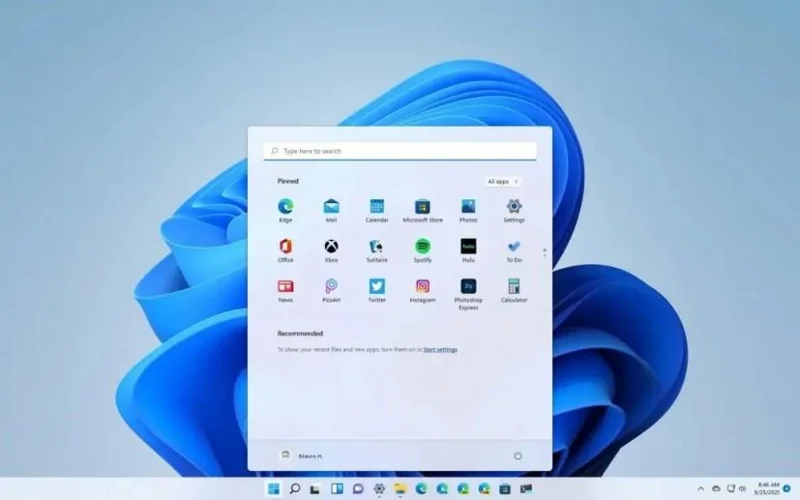
Windows 11 スタート メニュー
メニューは4つのセクションに分かれています。上部には、クリックするとすぐに Windows Search エクスペリエンスに切り替わる検索ボックスが含まれています。これは、 Windows 10のものと似ていますが、微調整が加えられています。
ピン留めされたセクションには、お気に入りのアプリがすべて含まれており、アプリを追加すると複数のページが表示されます。右上隅には、Windows 10 のリストのように機能する「すべてのアプリ」リストにアクセスするためのボタンがあります。
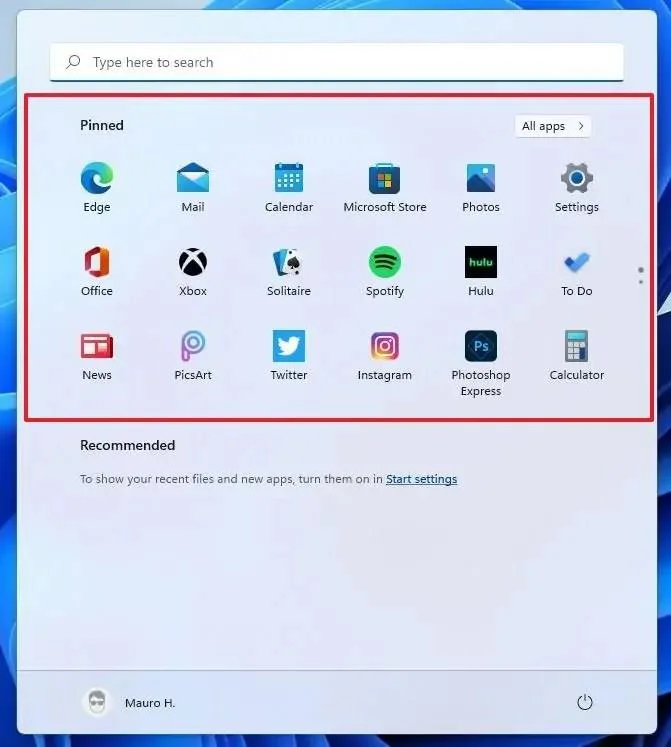
スタートメニューが固定されました
[スタート] メニューには、「タイムライン」のように機能する推奨セクションが含まれるようになり、ドキュメントやフォルダーの場所など、最もよく使用されるアイテムが表示されます。
最後に、下部には、アカウント設定の変更、ロック、サインアウト、およびユーザーの切り替えのオプションを含むプロファイル メニューがあります。右側には電源メニューがありますが、オプションはデバイスの機能によって異なります。残りのスペースには、ドキュメント、ダウンロード、設定などのフォルダーにすばやくアクセスできる場所があります。
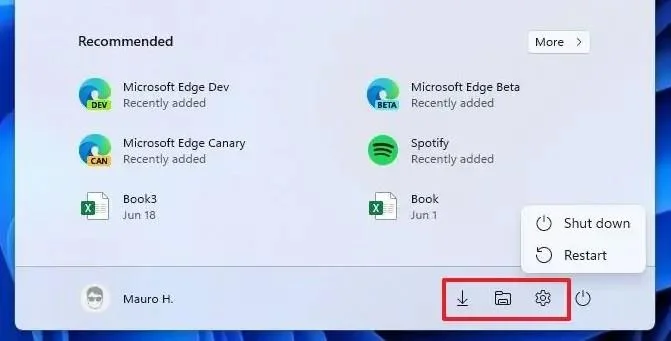
フォルダ アイテム
Windows 11 以降、[スタート] メニューは画面の中央に配置されますが、設定アプリを使用して左に配置できます。

タスクバーを中央左に配置
また、アプリを見つけて起動しやすくするために、メニューのエクスペリエンスのさまざまな側面をカスタマイズすることもできます. たとえば、アプリを右クリックして、「ピン留め」セクションで使用できるようにすることができます。
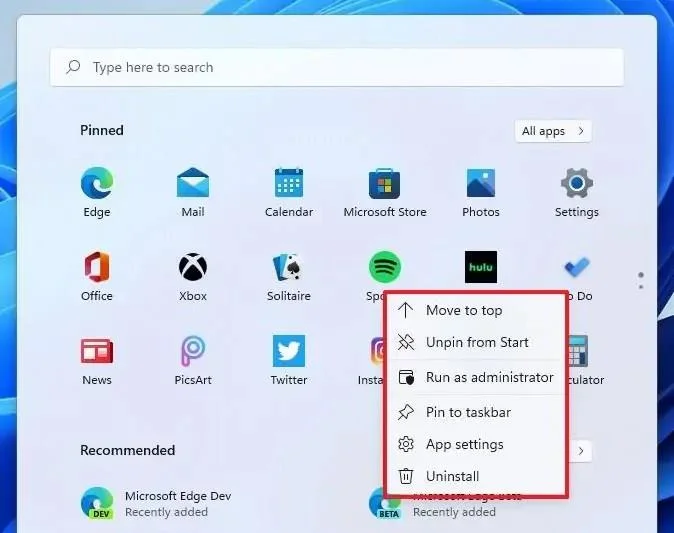
コンテキスト メニューを開始
項目をドラッグ アンド ドロップして、別のページに移動することもできます。または、アイテムを右クリックして、[先頭に移動] オプションを選択することもできます。また、コンテキスト メニューからスタートまたはタスクバーからアプリの固定を解除することもできます。
アプリを削除する必要がある場合、コンテキスト メニューには、新しいダイアログ デザインでアプリをアンインストールするオプションが含まれます。
「固定」セクションには複数のページがあるため、マウス ホイールを使用してスクロールするか、右側のドットを使用できます。
[推奨]セクションには、最近インストールされたアプリ、頻繁に使用されるアプリ、最近開いたファイルが表示されます。メニューのこのセクションに表示される内容は、スタート設定ページから決定できます。または、いつでも項目を右クリックしてオプションを選択し、リストから削除することができます。システムにさらに推奨事項がある場合は、 [詳細] ボタンが表示され、最近使用したすべてのファイルとアプリのリストが表示されます。
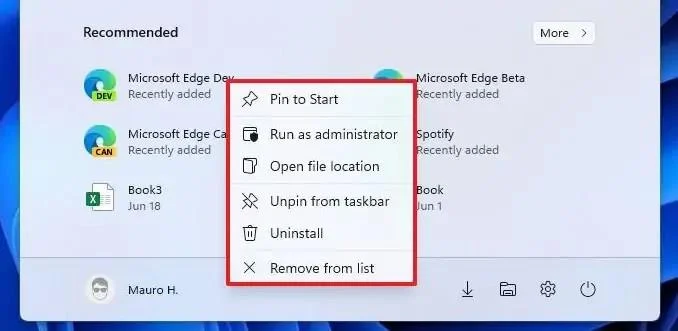
おすすめアイテムを削除
このセクションのアイテムを削除することはできますが、すべてのアイテムをクリアしようとすると、[ピン留め] セクションを展開してピン留めされたアプリをさらに表示する代わりに、領域が空で表示されます。
アイテムがスタートにピン留めされているがインストールされていない場合、クラシック メニューと同様に、クリックすると、アプリが Microsoft Store からインストールされるまで読み込みバーが表示されます。
新しいスタートには多くの良い点がありますが、メニューには従来のエクスペリエンスの多くの機能と柔軟性が欠けています. たとえば、新しいデザインの最も重要な変更点の 1 つは、ライブ タイルが利用できなくなったことです。その結果、サイズを変更するオプションもなくなりました。
全画面表示で [スタート] メニューを使用するオプションがなくなりました。マウスでメニューのサイズを変更することはできません。また、設定アプリでサイズを変更するオプションもありません。アプリをフォルダーにグループ化する機能はなくなり、デフォルトでは、インストールされたアプリと区別するのが難しい広告のようなアプリがいくつか付属しています.
また、[すべてのアプリ] リストで、[Windows 管理ツール] フォルダーが、コントロール パネルの [Windows ツール] ページを開く [Windows ツール] オプションに置き換えられました。このページは、Windows 管理ツール、Windows アクセサリ、Windows PowerShell、および Windows システム フォルダーで使用できるすべてのオプションを組み合わせたものです。
新しいタスクバー
似ているように見えるかもしれませんが、タスクバーは新しいものです。最初に気付くのは、タスクバーが画面の中央に配置されていることです。再設計されたエクスペリエンスには、新しい [スタート] ボタンと、検索、タスク ビュー、ウィジェット、チャットなどのいくつかの機能にアクセスするための新しいボタンも含まれています。

Windows 11 のタスクバー ボタン
タスクバー内のボタンを削除することはできませんが、タスクバーの設定ページから非表示にすることができます。
新しいデザインに加えて、タスクバーには、アプリのインストール、最大化、最小化、起動など、多くのアクションの新しいアニメーションがあります。また、起動時にアカウントが読み込まれると、アプリがバウンドする新しいアニメーションが表示されます。アプリ ボタンの下に、実行中のアプリのサイズを変更して、最小化または最大化された場所を示す丸型のインジケーターが表示されます。
Windows 11 では、タスクバーに優れた変更とあまり良くない変更があります。たとえば、エクスペリエンスはデフォルトで中央に配置されるようになりましたが、設定を変更して配置を左に変更することができます。
インターフェースは以前よりも少し縦長になり、ツールチップ、プレビュー、オーバーフロー メニュー、ボタンの上にカーソルを合わせるなどの要素は、丸みを帯びた角と素材を使用した新しいデザイン スタイルに従います。
アプリケーションに注意が必要な場合、点滅はより微妙になり、停止します。アプリに注意が必要であることを知らせる、明るい赤色と赤い丸薬アイコンが付いた新しいバックプレートがあります。
スナップ グループ
Windows 11 には、「スナップ グループ」などの新しいマルチタスキングの改善も含まれています。これは、画面にスナップされた一連のウィンドウに属するアプリをホバーして、スナップしたグループに切り替えることができる機能です。この機能は、複数のウィンドウで作業していて、突然別のアプリに切り替えた後、スナップされたウィンドウのグループに戻りたい場合に便利です。
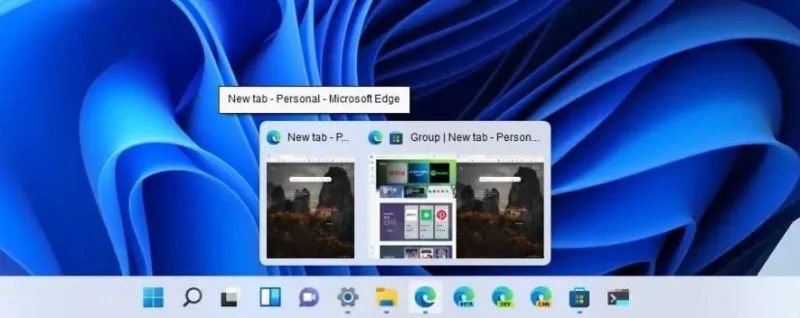
スナップ グループ
さらに、タスクバーには検索ボックスが含まれなくなりました。代わりに、Windows Search エクスペリエンスを開くための [検索] ボタンが表示されます。これは、Windows 10 で利用できるものと同じままです。
システムトレイの再設計
タスクバーには、関連するアイコンを 1 つのボタンにグループ化して新しい「通知センター」と「クイック設定」を開く再設計されたシステム トレイもあります。たとえば、ネットワーク、音量、バッテリー アイコンを含むグループをクリックすると、クイック設定フライアウトが開きます。
日時と通知アイコンをクリックすると、通知センターのフライアウトが開きます。
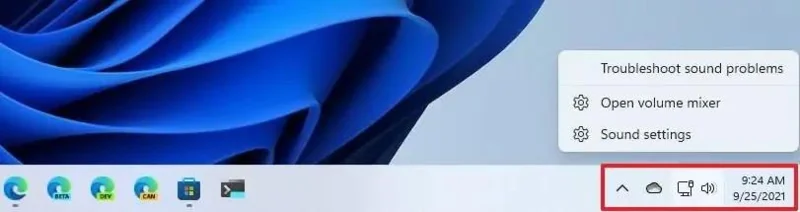
システムトレイ
各項目を右クリックしてコンテキスト メニューを開き、使用可能なさまざまなオプションにアクセスすることもできます。
メインのタスクバー コンテキスト メニューは Windows 11 から削除され、エクスペリエンスのさまざまな側面を構成できるタスクバー設定ページを開く単一のオプションに置き換えられました。
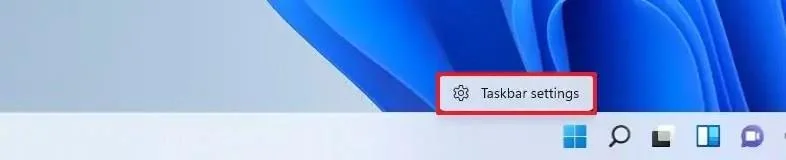
タスクバーのコンテキスト メニュー
設定ページでボタンを表示または非表示にしたり、システム トレイとコーナー オーバーフローに表示されるアイコンを制御したり、タスクバーの配置を変更したり、タスクバーの自動非表示を有効または無効にしたりできます。また、デスクトップの表示ボタンを非表示にするオプションもあります。
設計上の問題
エクスペリエンスを簡素化しようとしている一方で、Microsoft はタスクバーの柔軟性を低下させているようです。たとえば、インターフェイスは現在下部でロックされており、画面の上部、左側、または右側に移動することはできません。(タスクバーを再配置する場合は、回避策を使用する必要があります。)
アプリやファイルをドロップしてアイテムをタスクバーにピン留めすることはできなくなりました。
アプリケーションのラベルを表示する機能はなくなり、アイコン ビューのみが残ります。
アイコンのサイズを変更することも、タスクバーの高さを変更することもできなくなりました。
日付と時刻を非表示にするオプションがなくなり、通知センターを開いたときに時間が秒単位で表示されなくなりました。また、時刻はプライマリ ディスプレイにのみ表示されます。
最後に、ネットワーク、ボリューム、電源などのシステム アイコンをシステム トレイから非表示にすることはできなくなりました。
新しい通知センターとクイック設定
アクション センターは、Windows 11 では廃止されました。代わりに、「通知センター」と「クイック設定」を含む 2 つの新しいエクスペリエンスが提供されます。
通知センター
日時と通知が表示されたアイコンのグループをクリックするか、Windows キー + Nキーボード ショートカットを使用すると、通知センターが開きます。
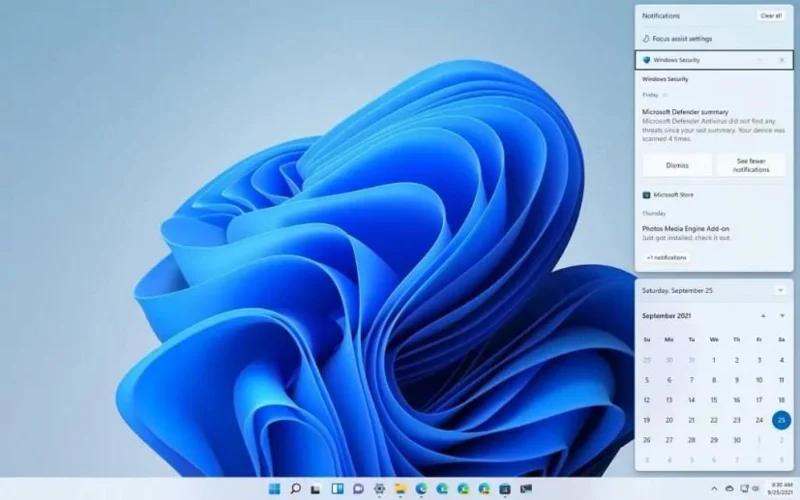
通知センター
インターフェイスは、丸みを帯びた角と半透明の素材を使用した新しいスタイルのデザインを使用する 2 つの積み重ねられたグループを備えています。
上部には、すべての通知が表示されます。インターフェイスは異なって見える場合がありますが、Windows 10 で見られるエクスペリエンスと同じように機能します。同じアプリから複数の通知がある場合、システムは最新のもののみを表示し、リセットを非表示にし、番号を知らせます。あなたが見ていないメッセージの。
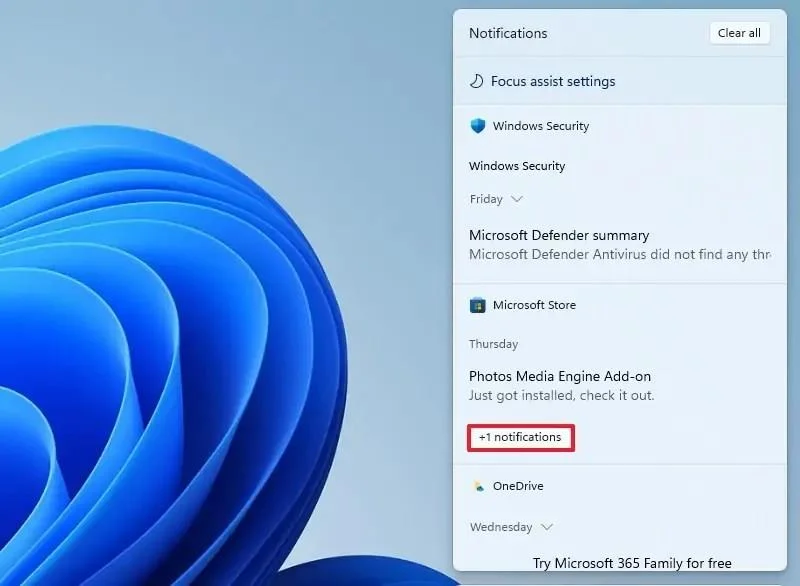
通知リスト
下部には、現在の日付が上部にあるカレンダーがありますが、時間はありません。以前のバージョンのカレンダーとは異なり、これは今後のイベントを表示せず、このインターフェイスから直接新しいイベントを作成することもできません.
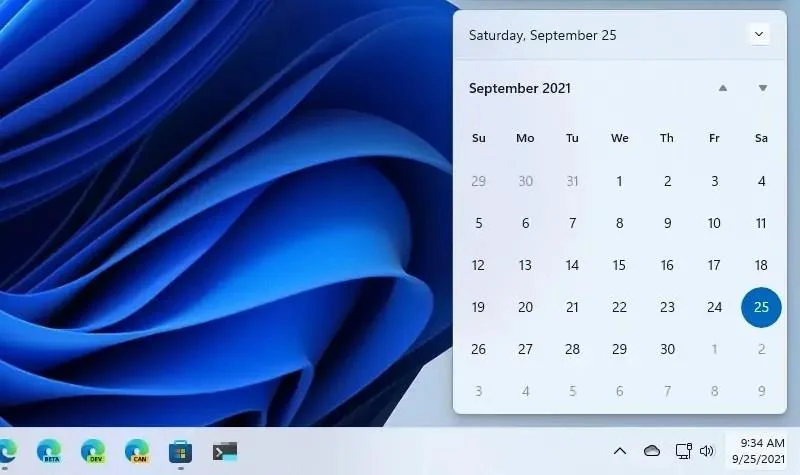
予定表のフライアウト
通知設定にアクセスする必要がある場合は、いつでも通知アイコンを右クリックして [通知設定] オプションを選択できます。または、上部にある [フォーカス アシスト設定] オプションをクリックすることもできます。
クイック設定
Windows 11 では、ネットワーク、ボリューム、および電源グループのアイコンをクリックするか、Windows キー + Aキーボード ショートカットを使用して、クイック設定を開くことができます。
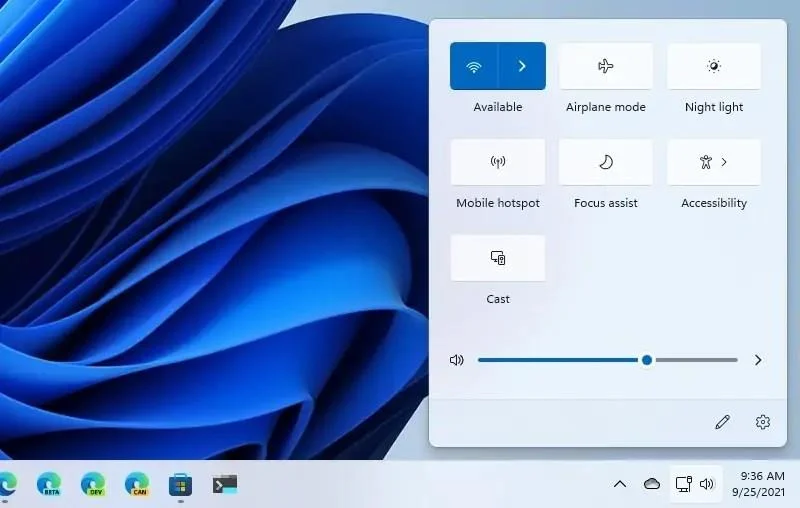
クイック設定
フライアウトを使用すると、Wi-Fi、Bluetooth、機内モード、バッテリー セーバー、フォーカス アシスト、アクセシビリティ、常夜灯、キャスト、キーボード レイアウト、モバイル ホットスポット、付近の共有、プロジェクトなどのクイック設定を制御できます。また、機能によっては、エクスペリエンスをさらに制御するオプションを含むサブメニューを開くことができます。たとえば、[アクセシビリティ] の横にあるボタンをクリックすると、拡大鏡、カラー フィルター、ナレーター、モノラル オーディオ、スティッキー キーを有効または無効にできます。
この機能が利用可能な場合は、明るさを制御したり、システムの音量を調整したりすることもできます。
インターフェイスには、バッテリー レベル、レイアウトに表示するアイテムを編集するオプション、設定アプリへのクイック アクセスも表示されます。
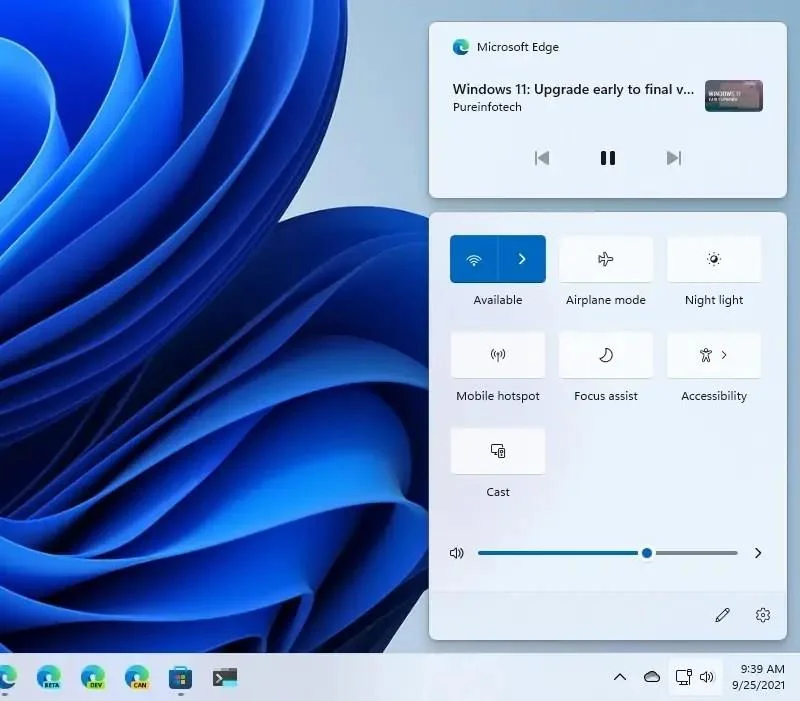
クイック設定のメディア コントロール
Windows 11 では、クイック設定フライアウトの上に、Google Chrome、 Microsoft Edge、またはサポートされているメディア アプリ でビデオを再生するときにメディア コントロールも表示されます。
Windows 11 ウィジェット機能
Windows 11 には、「ウィジェット」と呼ばれる機能が含まれています。これは、画面の左側からスライドインして、天気、ニュース、追跡、スポーツ、エンターテイメントなど、さまざまな種類の情報を提供する新しいインターフェイスです。
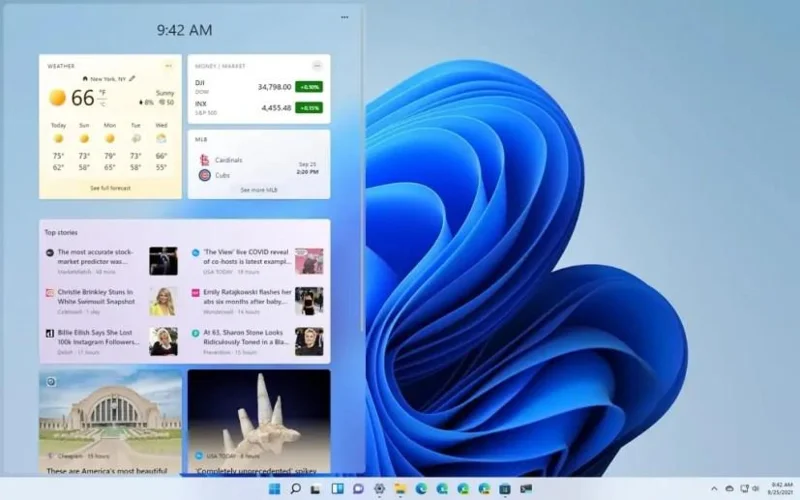
Windows 11 ウィジェット
このエクスペリエンスがおなじみのように見える場合、それは、これがWindows 10 で利用できる「ニュース & インタレスト」の進化版だからです。
タスクバーの専用ボタンまたはWindows キー + Wキーボード ショートカットを使用して、ウィジェットを開くことができます。タッチ対応デバイスでは、左端からスワイプしてエクスペリエンスを開くことができます。
インターフェイスは画面の一部を占め、時間、検索ボックス (Bing と Edge を使用) が含まれ、2 つの領域が表示されます。
個人用セクションでは、天気の表示、Microsoft To-Do リストの追跡、交通情報、Outlook カレンダー、スポーツなどのウィジェットを使用できます。
唯一の注意点は、Microsoft によって作成されたウィジェットしか見つからないことです。
右上隅の[設定]ボタンをクリックし、表示するアイテムを選択することで、いつでもウィジェットを追加または削除できます。
次に、AI によって強化され、好みに基づいてカスタマイズされたニュース セクションがあります。カードを再配置することはできませんが、右下隅にあるメニュー ボタンをクリックして、非表示にしたり、好きなように保存したり、後で使用するために保存したりできます。ストーリーが気に入らない場合は、右上の [このストーリーを非表示] ボタンをクリックして削除できます。
ニュース ウィジェットの多くの設定を変更することはできませんが、ウィジェット設定を開いてニュース フィードをパーソナライズし、興味を構成することができます。
これはクラウドを利用した機能であるため、Microsoft アカウントでサインインしている場合にのみ機能します。サインアウトすると、ウィジェット インターフェイスは空になります。
Windows 11 デスクトップの改善
Windows 11 では、「デスクトップ」は以前は「仮想デスクトップ」と呼ばれていたもので、複数の仮想デスクトップを作成して、ゲーム、学校、仕事などのさまざまな作業を分離できる機能です。
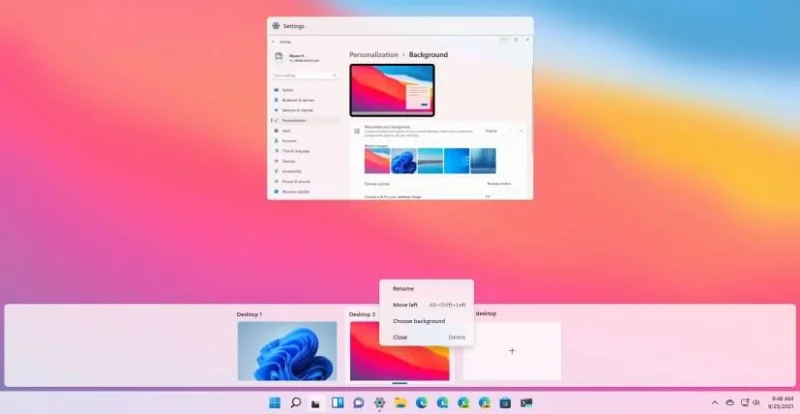
Windows 11 デスクトップ
この機能は以前とほぼ同じように機能しますが、エクスペリエンスは再設計されています。たとえば、タスクバーの[タスク ビュー] ボタンをクリックするか、Windows キー + Tabキーボード ショートカットを使用すると、画面の下部にデスクトップが表示されるようになります。以前と同様に、実行中のアプリケーションのリストは引き続き表示されますが、タイムラインは削除されたため利用できなくなります。
他のシステム エクスペリエンスと同様に、インターフェイスは、丸みを帯びた角と半透明の素材で設計された Windows 11 と同じ新しいスタイルに従います。
デスクトップでは、必要な数の仮想デスクトップを再編成、作成、およびカスタマイズできます。また、各スペースをより適切に区別するために、それぞれに異なる背景を設定できます。
背景画像を変更するには、デスクトップを右クリックし、[背景の選択] オプションを選択して [背景] 設定を開き、別の画像ファイルを選択します。
デスクトップのコンテキスト メニューには、デスクトップの位置を左または右に変更するオプションも含まれています。
新しいスナップ レイアウトとスナップ グループ
Windows 11 では、「スナップ アシスト」機能の一部として、「スナップ レイアウト」と「スナップ グループ」を含む 2 つの新しい改善点が導入され、画面上の複数のウィンドウの整理と操作が容易になります。
スナップ レイアウト
「スナップ レイアウト」は、ファイル エクスプローラーまたは他のアプリの最大化ボタンにカーソルを合わせると、さまざまなグリッドを使用して画面上のウィンドウをすばやくスナップするための視覚的な支援を提供する機能です。
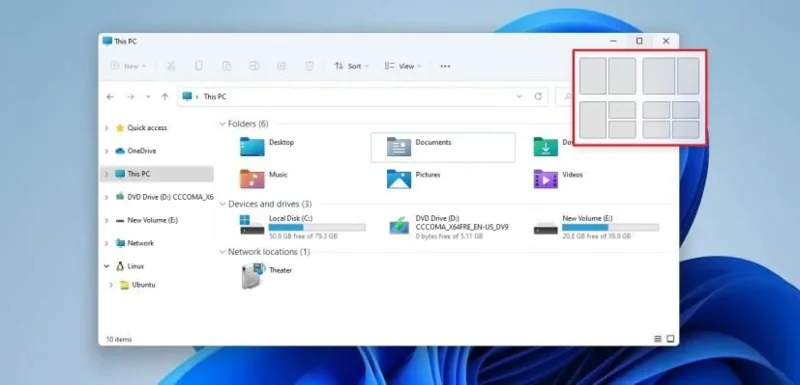
Windows 11 スナップ レイアウト
小さい画面では 4 つのスナップ レイアウトのセットが表示され、大きい画面では 6 つのレイアウトが表示されます。Windows キー + Zキーボード ショートカットを使用してスナップ レイアウト フライアウトを開くこともできます。
ポートレート モードでウィンドウを左右にスナップすると、スナップ アシストにより、1 つのウィンドウが上部に、もう 1 つのウィンドウが下部に配置されるようになりました。
スナップ グループ
「スナップ グループ」は、別のアプリに切り替えるときに、スナップされたウィンドウのグループにすばやく戻る方法です。たとえば、少なくとも 2 つのアプリをまとめることができます。次に、突然別のアプリに切り替えた場合は、タスクバーでこれらの開いているアプリのいずれかにカーソルを合わせてスナップ グループを見つけ、クリックして元に戻すことができます。
スナップ グループ
新しい音声入力アプリ
Windows 11 には、音声で入力するのに役立つ新しい音声入力アプリもあります。デフォルトではオフになっていますが、音声入力の設定から、またはWindows キー + Hキーボード ショートカットを使用して開くことができます。
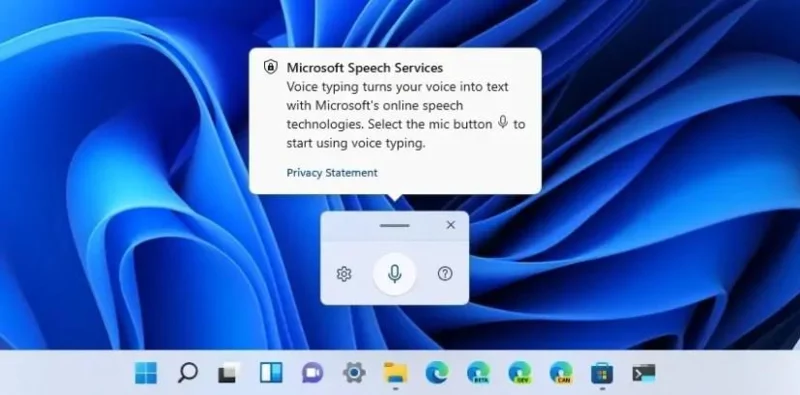
音声入力アプリ
新しいアプリは最新のインターフェイスを備えており、簡単です。入力を開始するためのマイク ボタンが含まれています。また、設定メニューを使用すると、エクスペリエンスをより速く起動し、自動句読点を使用するオプションを有効にする機能など、いくつかのオプションをカスタマイズできます.
新しい Windows 11 ファイル エクスプローラー アプリ
この新しいバージョンの Windows には、更新されたファイル エクスプローラー エクスペリエンスが付属しています。ただし、まったく新しいアプリケーションではありません。代わりに、これは同じアプリですが、インターフェースが更新されています。
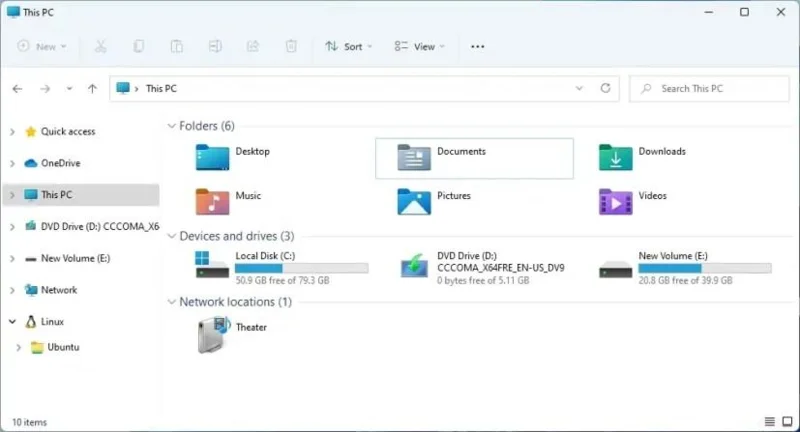
Windows 11 ファイル エクスプローラー
設計は、Microsoft が Windows 11 で推進しているスタイルに一致する新しい視覚要素、アニメーション、およびコントロールを含む Windows UI ライブラリ (WinUI) を使用して行われました。
コマンドバー
新しいファイル エクスプローラーは、リボン スタイルのメニューを廃止し、タイトル バーとメニューを新しいコマンド バーを含む統一されたインターフェイスに結合する新しいミニマリスト ヘッダーを採用しています。
コマンド バーには、切り取り、コピー、貼り付け、名前の変更、共有、削除など、さまざまなアクションを実行するためのすべての新しいコマンドが含まれています。今回は、アイコンにラベルがなくなりました。つまり、実行したいアクションを知るには、アイコンの形に頼る必要があります。
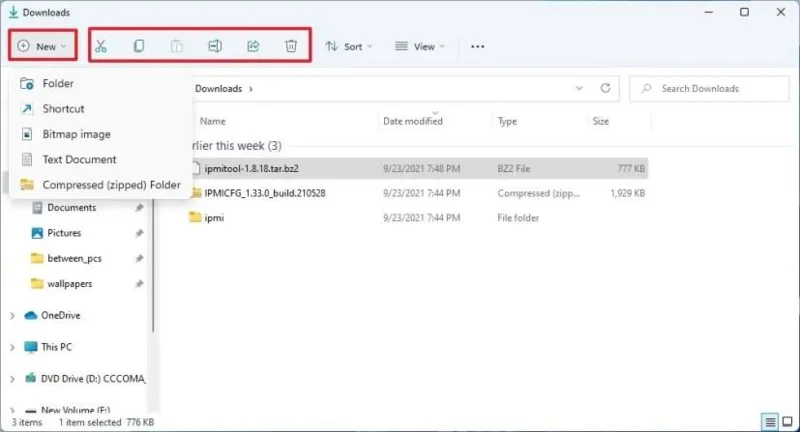
ファイル エクスプローラーのコマンド バー
また、新しいフォルダー、ショートカット、またはドキュメントを作成するためのすべての標準オプションを含む「新規」メニューに気付くでしょう。つまり、フォルダーを作成するための専用オプションがなくなったことを意味します。ただし、「Ctrl + Shift + N」キーボード ショートカットを使用して、新しいフォルダーをすばやく作成することはできます。
コマンド バーには、[並べ替えとグループのオプション]、[レイアウトと表示のオプション]、[詳細] などの 3 つの新しいメニューも含まれています。
[並べ替え ] メニューには、コンテンツを名前、変更日、種類などで並べ替えるオプションがあります。
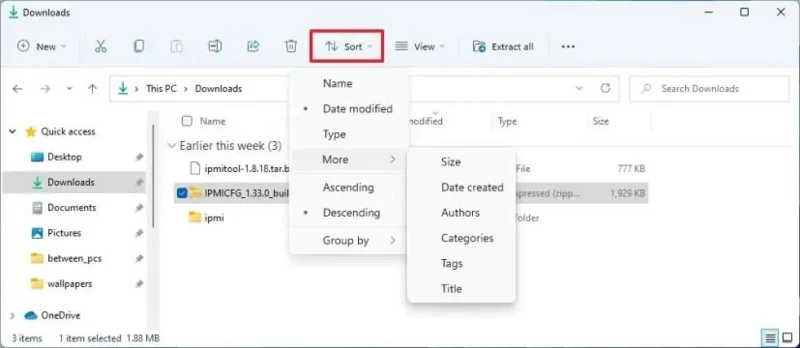
並べ替えメニュー
[表示] メニューには、特大、大、小、リスト、詳細、タイル、コンテンツなど、さまざまなサイズのファイルとフォルダーを表示できます。コンパクト ビューを有効にするオプションもここにあります。このメニューには、左ペイン ビューの管理、拡張機能の表示、または非表示の項目の表示を行うためのオプションがある[表示] サブメニューも含まれています。
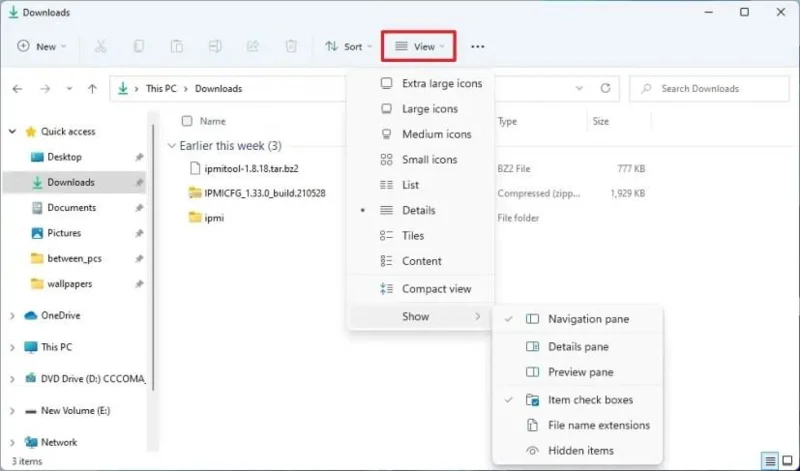
メニューを見る
次に、3つの点線は、選択のオプション、ZIPファイルに圧縮されたオプション、およびアプリ設定を管理するオプションを含む[もっと見る]メニューです.
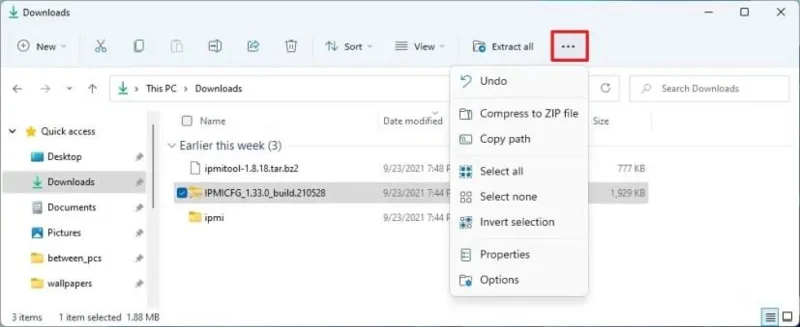
もっとメニューを見る
これらのメニューには、表示コンテンツに応じて異なるコマンドも表示されます。たとえば、「この PC」ページを表示している場合、「もっと見る」メニューにはネットワーク ドライブをマウントするオプションも含まれますが、「新規」メニューはグレー表示されます。
また、写真などのメディア ファイルを選択すると、従来のバージョンのアプリと同様に追加のコマンドが表示されます。
コンテキストメニュー
Windows 11 のファイル エクスプローラーには、新しいコンテキスト メニュー スタイルも導入されています。ファイルまたはフォルダを右クリックすると、このメニューが表示されます。コンテキスト メニューには、切り取り、コピー、名前の変更、共有、削除などの一般的なコマンドの行が含まれており、その下に、その特定のファイルで使用できるオプションがあります。
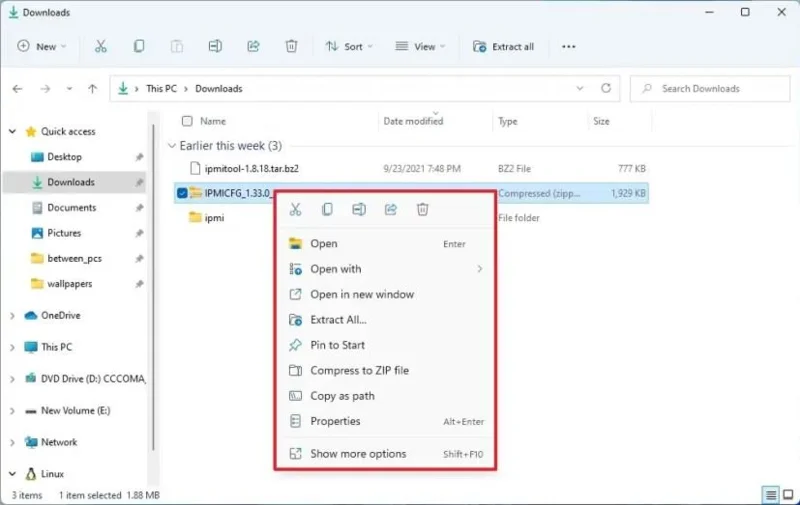
ファイル エクスプローラーのコンテキスト メニュー
Windows 11 の他の要素と同様に、コンテキスト メニューは、半透明の素材と丸みを帯びた角を持つ新しいデザイン言語に従います。新しいメニューでは利用できない古いオプションが必要な場合は、従来のメニューを引き続き利用できます。[その他のオプションを表示] をクリックするか、Shift + F10キーボード ショートカットを使用して、従来のビューにアクセスできます。
新しいコンテキスト メニューは、デスクトップ コンテキスト メニューを含め、Windows 11 全体で利用できます。
スクロール・バー
File Explorer has a new scrollbar that works the same as before, but it has a thinner design. In the left pane, you will also find a new Linux option. This entry has been designed to give you quick access to Linux files inside distros installed with the Windows Subsystem for Linux.
Share
In this new version, the “Share” interface is getting an update. On Windows 11, when you click the Share button, you will get a new UI with several improvements. For example, you will now see a preview of the items along with the option to enable “Nearby sharing” if it’s not enabled. If the contact you want to send the file or the app is not in the list, you now have an option to select a different app or look up your contacts.
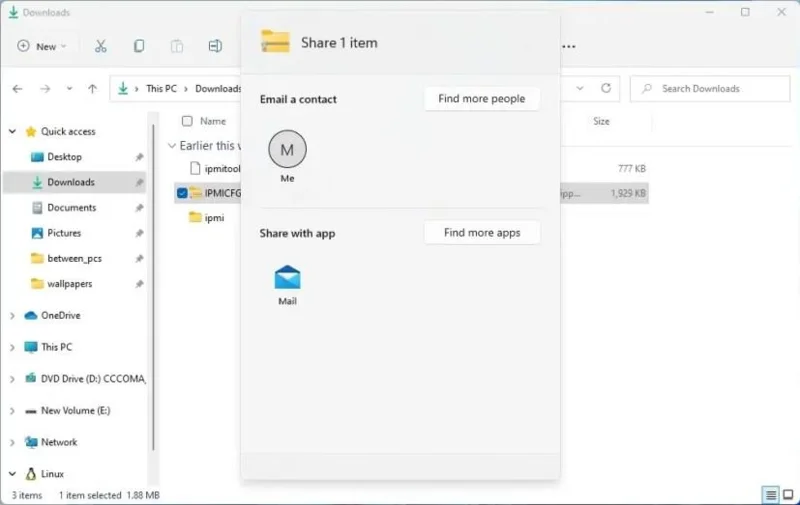
Share UI
New icon
Alongside the new interface, File Explorer also introduces new default icons with new styles, orientations, and colors.
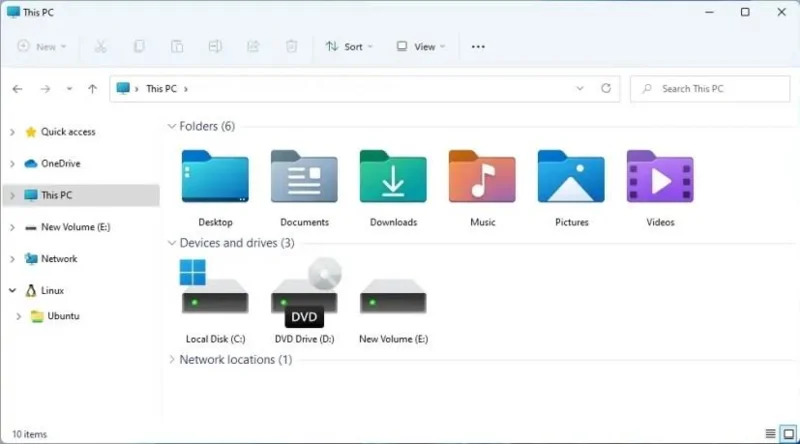
File Explorer new icons
Windows 11 includes new icons for pretty much every element in File Explorer, but the ones you will notice immediately are for the default folders (Desktop, Documents, Downloads, Music, and Pictures). There are three versions for the default folder icon. One shows when the folder is empty, another one slightly different that indicates that folder has files, and you will even find an updated version of the zip folder icon.
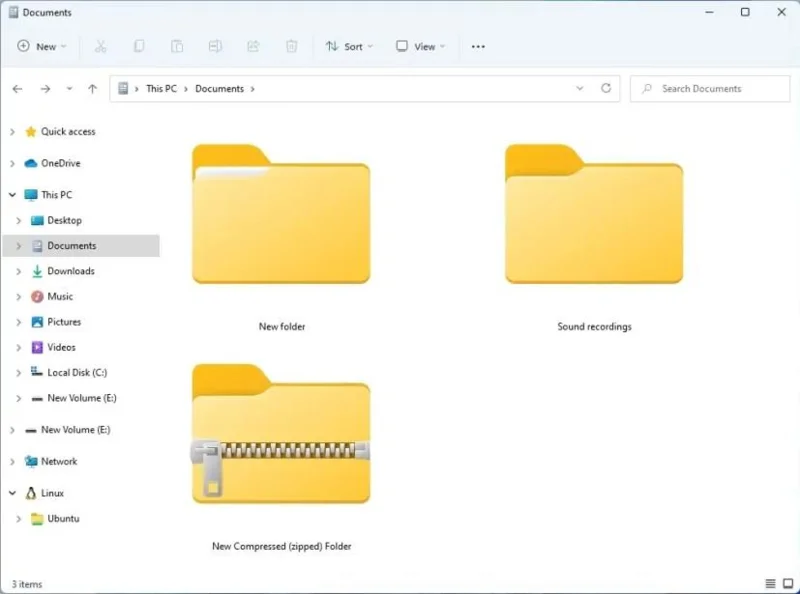
New folder icons
Microsoft has also made icons for other elements like the installation drive, secondary and network storage, This PC, Network, and there are new icons in the “Folder Options” settings.
While the new File Explorer includes many new visual changes, a lot of elements remain virtually unchanged. You will see this when changing settings, using the Format tool, or when trying to mount a network folder.
Other changes with File Explorer for Windows 11 include the “Run with PowerShell” option in the context menu for PowerShell scripts. You will now be able to extract all files from a zip folder that was previously set to online-only content in OneDrive. And when remaining content, it’s now possible to use the CTRL + Delete and CTRL + Backspace to delete words at a time and the CTRL + Left and Right arrow to move the cursor between words within the name.
Clipboard changes and features
Windows 11 introduces a new version of its Emoji Picker that integrates with the clipboard history and supports animated GIFs. This is, in addition, to support for additional languages, kaomoji, and symbols.
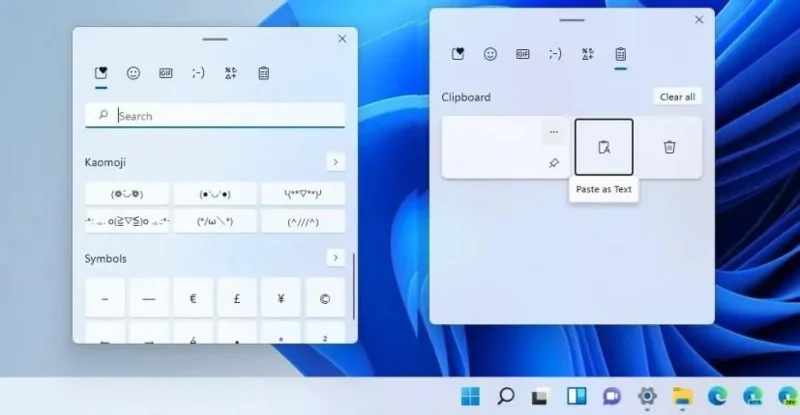
Windows 11 Clipboard UI
The new interface has a modern design using Fluent Design visual elements, such as blur and transparency, and it includes an inline search box to make it easier to discover emojis and animated GIFs.
Since the Emoji Picker is integrating the clipboard history interface, you can now insert emojis and copies from a single experience using the “Windows key + .” or “Windows key +;” or “Windows key + V” keyboard shortcuts.
Starting with this version, you will also find support for Emoji versions 12.1 and 13.0, which brings over 200 new glyphs, and now there are gender-neutral emoji designs.
Furthermore, the clipboard history interface includes options to pin, unpin, delete, paste as text, and individual sync entries.
Finally, if you use the Snipping Tool, when you use the Windows key + Shift + S keyboard shortcut, the capture will now be stored in the Clipboard to paste it on any folder to save the screenshot as a .png file.
Task Manager improvements
As part of the Task Manager improvements, Windows 11 now classifies and shows all the processes from Microsoft Edge. The classification is divided into several elements: Tabs, Browser processes (Browser, GPU Process, Crashpad), Utility plugins (Utility: Audio Service Extensions), and Dedicated & Service workers, and more.
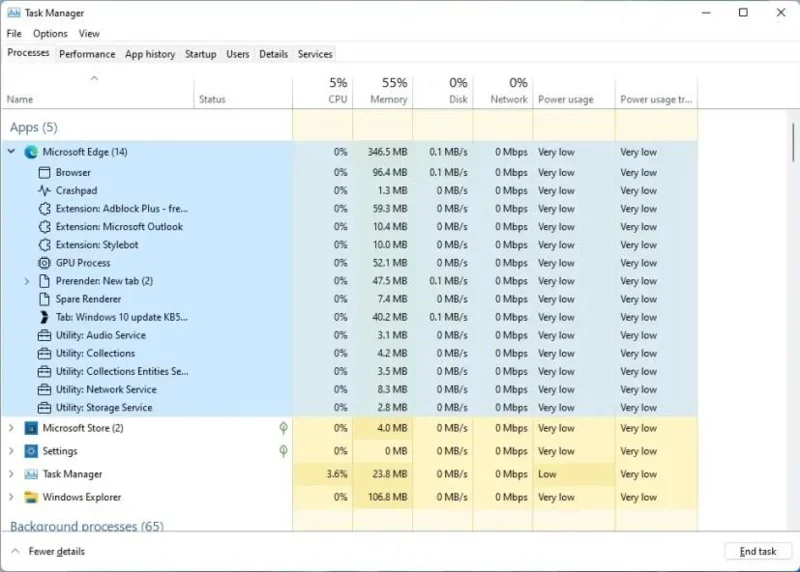
Task Manager Edge classification
You will also see that each process classification is described with an icon to make it easier to identify. If you are viewing a website tab in the processes, it will include the site icon.
Auto-HDR for gaming and DirectStorage
Windows 11 also comes with “Auto HDR for games,” a new feature that has been designed to improve the gaming experience by automatically converting compatible titles from standard-dynamic-range (SDR) to high-dynamic-range (HDR) to unlock the brighter and bolder colors available on compatible displays that use this technology for a more immersive and realistic experience.
Once you enable the feature, you will get a more immersive and realistic gaming experience with an increased range of color and luminance in more than 1000 DirectX 11 and DirectX 12 PC games.
Although this is one of the biggest features on Windows 11, it’s only supported on specific hardware, which means that you will need a monitor that supports HDR. You can use this guide to learn the steps to enable the feature.
DirectStorage is a new technology that allows games assets to load faster to the graphics card without bugging down the processor. In other words, this means faster load times and more detailed game worlds. (This feature will require the latest NVMe drives and optimization by the game developers.)
Also, Windows 11 now supports DirectX 12 Ultimate. DirectX 12 is the technology standard for creating and managing gaming, images, and multimedia (such as visual effects and audio effects) that run on Windows-based devices.
New Windows 11 Settings app
In addition to the new features and changes, Windows 11 also includes a new version of the Settings app. The new experience to customize the look and feel and configure system settings features a new redesigned interface, regroups and integrates new settings, ports more features from Control Panel, removes the homepage, and a lot more.
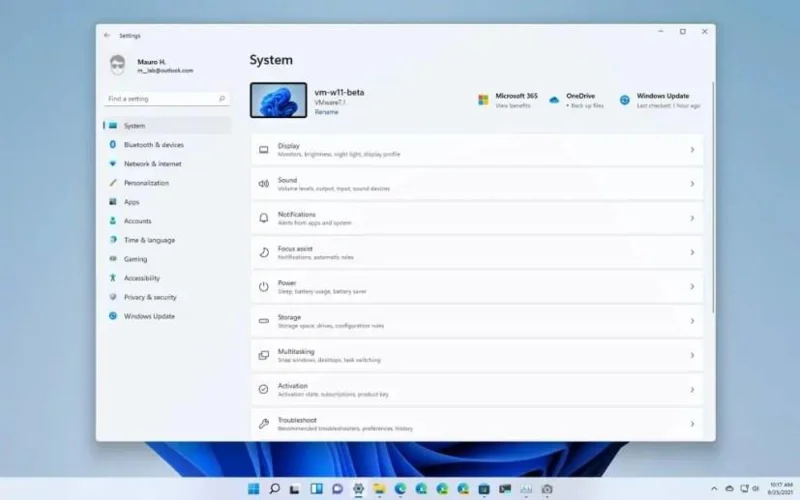
Windows 11 Settings app
As part of the new experience, the app includes rounded corners, a semi-transparent interface, and modern and colorful icons.
The navigation system is similar to the one available on Windows 10, but now there are more options, and the settings are grouped using different logic.
When you open Settings, you will notice that you are taken directly to the “System” section, and that’s because this version ditches the homepage.
Also, when you open a new section, the pages will be listed on the right side instead of the left.
As you drill down through the pages, at the top, you will find the new breadcrumbs that will indicate your current location in the app. You can click each breadcrumb to jump back to a previous page. The setting pages can also show hero controls for frequently used settings or a specific feature.
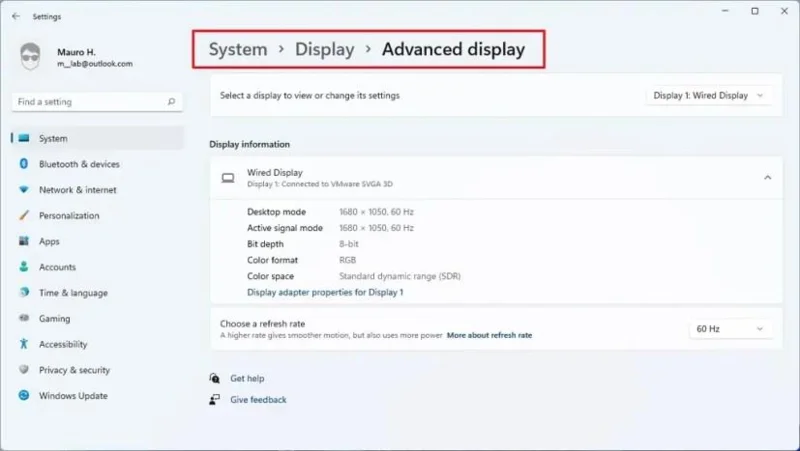
Settings breadcrumbs
Finally, the new Settings app can now recommend settings adjustments based on their current state.
System settings
The System section is the new default page when you open the Settings app. It now includes the pages to adjust many settings, including Display, Sound, Notifications, Focus assist, Power, Storage, Nearby sharing, as well as Multitasking, Activation, Troubleshoot, Recovery, Projecting to this PC, Remote Desktop, Clipboard, and About.
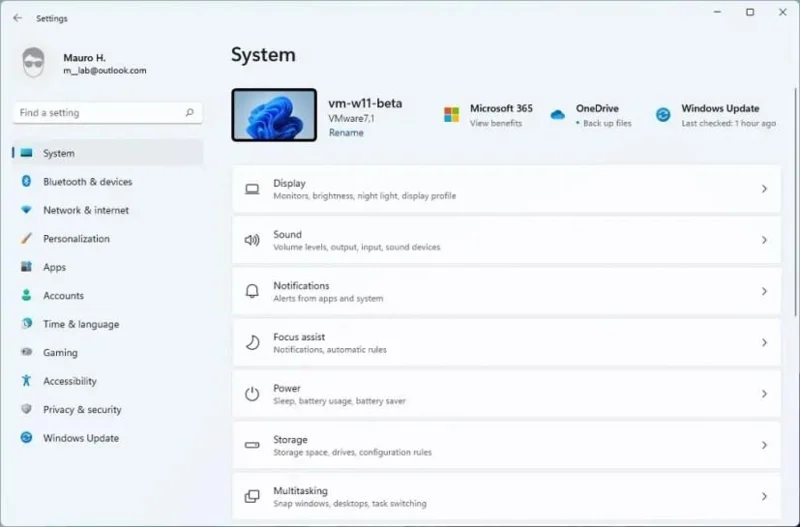
System section
Also, the hero controls in this section include desktop preview, device name, and option to rename the system, and you will find icons with the status of OneDrive and Windows Update.
Display
On the “Display” page, the Scale & layout section introduces new settings to remember window locations based on monitor connection and window locations based on monitor connection to improve the experience when working with more than one monitor.
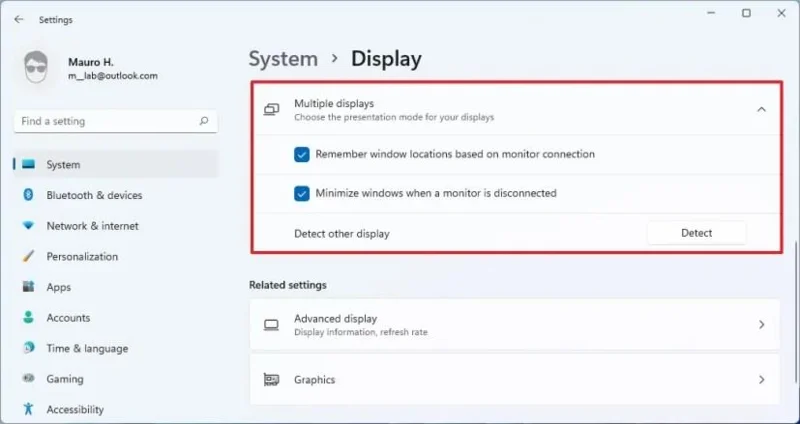
Multiple displays
These settings are part of a new experience on Windows 11 that allows you to restore apps automatically to their original location when reconnecting an external monitor.
You will notice a new “Automatically adjust contrast based on the display content to help improve battery” option, under the Brightness setting, to disable content adaptive brightness control (CABC) on Windows 11.
In the “Advanced display” page, there is a new option (Dynamic) to enable the new Dynamic Refresh Rate (DRR) feature in the refresh rate setting.
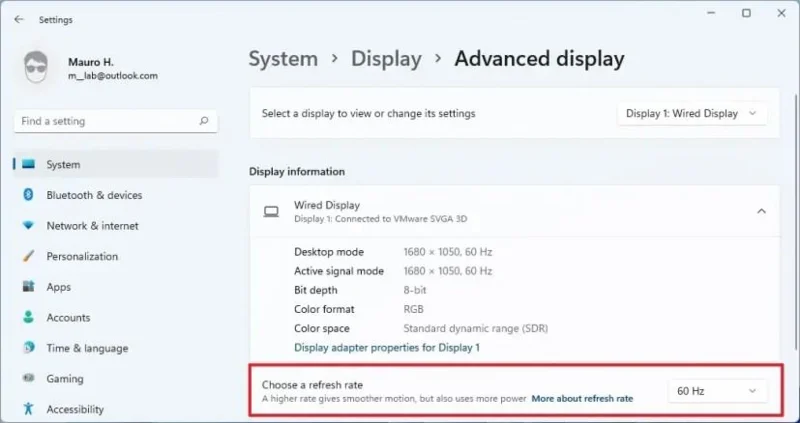
Dynamic refresh rate
If you choose this option, Windows will automatically lower or increase the display refresh rate to reduce the power consumption on supported hardware.
Also, if the display is certified as HDR, you will know this information on this page.
On the “Graphics” page, there is a new search box and list of apps you may want to customize.
Also, the Night light page is not getting new settings, but when turning the night light on or off manually through the Settings app or Action Center, the feature will now turn off immediately rather than using slow transition.
Sound
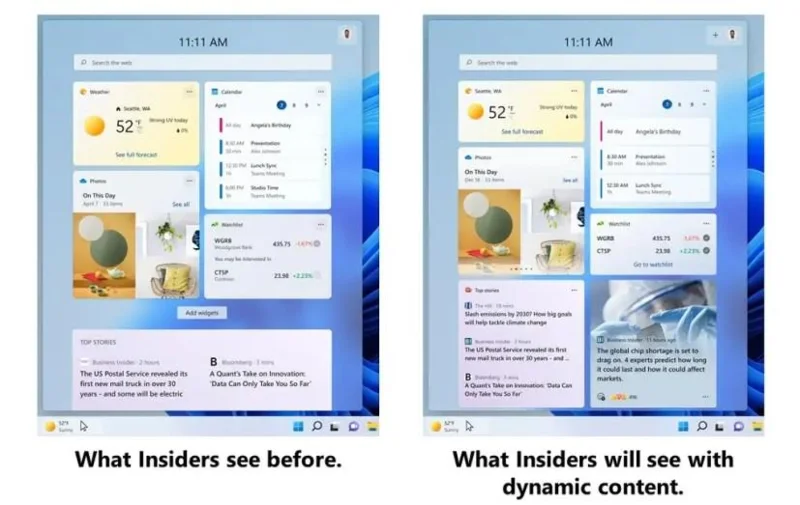
On the Sound page, you will find an option to enable mono audio for people with difficulty hearing, and there is an option to pair output devices quickly.
Mono audio
Under the “Advanced” section, you will find a new option to access all the sound devices, troubleshoot, and others.
The “App volume and devices preferences” page has become the “Volume mixer.” The page still has all the same settings, and it replaces the legacy Taskbar volume mixer menu.
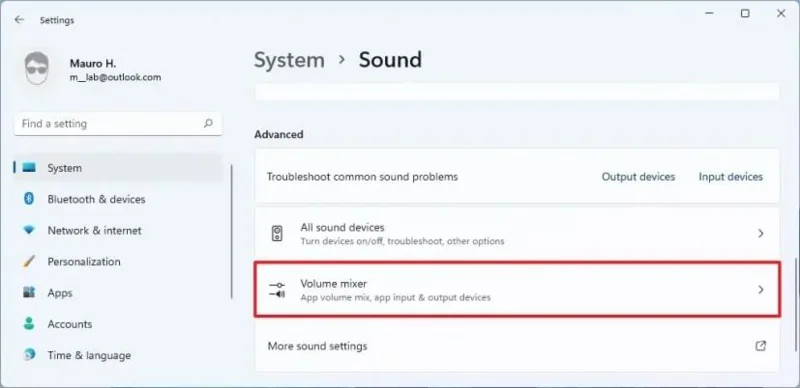
Windows 11 Volume mixer
The Properties page for devices has been redesigned with high-quality icons, driver information, and new settings.
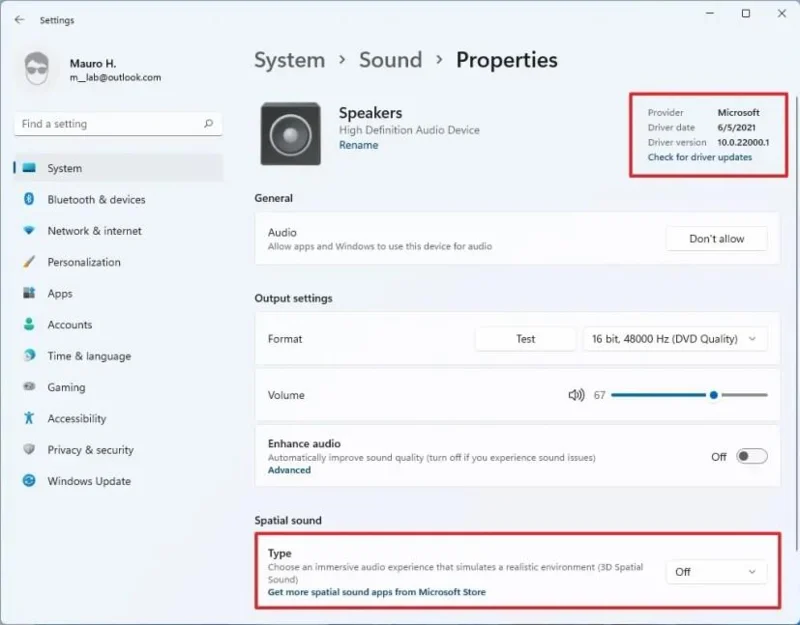
Sound properties
The Speakers page now houses permissions to allow or deny apps access to the output device. You can choose the audio format, adjust the volume, and enable Spatial sound. Also, you can now rename the device, see the driver information, and check for driver updates.
Notifications
On the Notifications page, you only have three settings, and there’s an option to access the “Focus assist” settings page.
Power & battery settings
The Power & battery page now displays the battery usage over time.
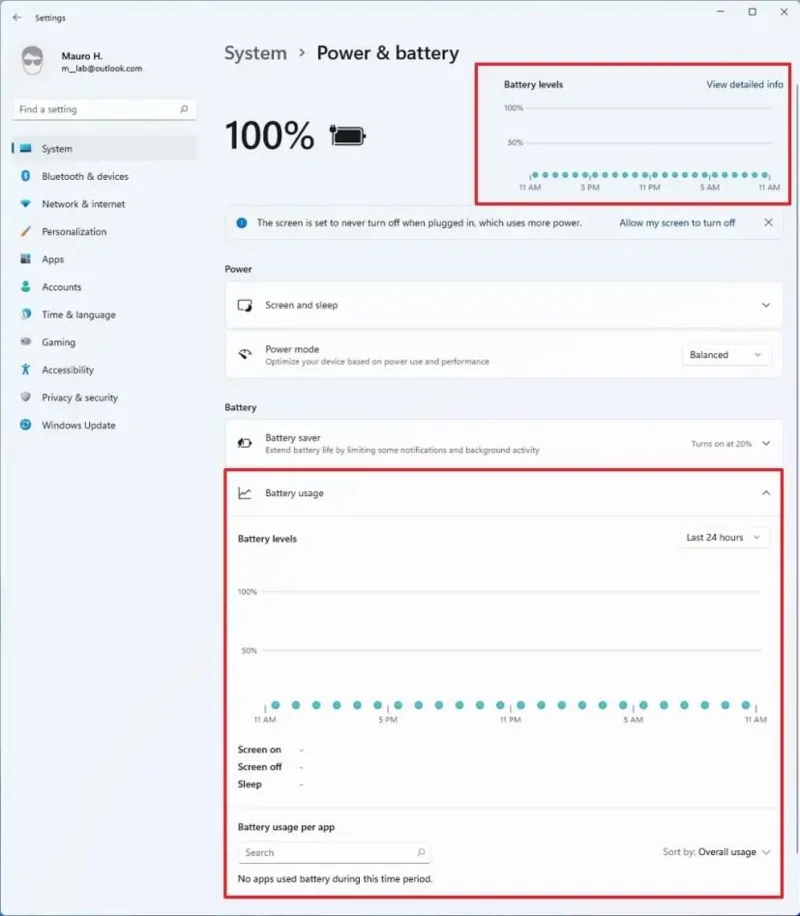
Power & battery settings
Storage
The Storage page has been updated with new features, and the information about the system drive is now front and center.
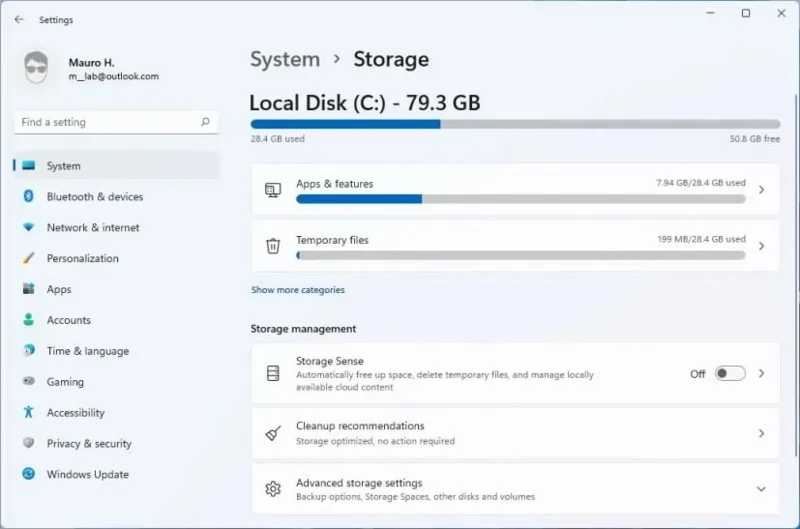
Windows 11 Storage settings
Storage sense is now located under the “Storage management” section. The only change on the Storage sense page is the new option to run the cleanup of temporary files automatically.
The Windows 11 Storage sense has a new feature known as Cleanup recommendations that shows how many large files and used files, synced files to the cloud, unused apps you can uninstall, and the temporary files you can delete to free up space.
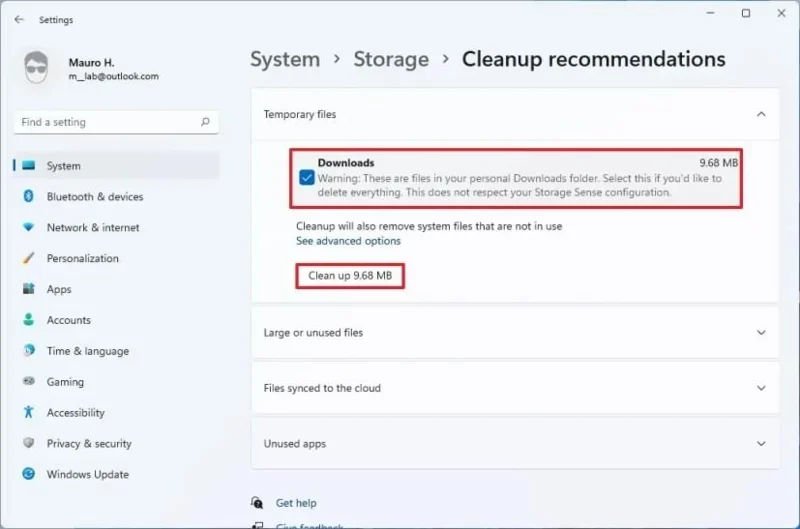
Cleanup recommendations
The feature is straightforward. You only need to select the items and click the “Clean up” button to free up additional space.
In the “Advanced storage settings” section on the main Storage page, you will find the new Disks & Volumes feature that replaces the legacy Disk Management experience.
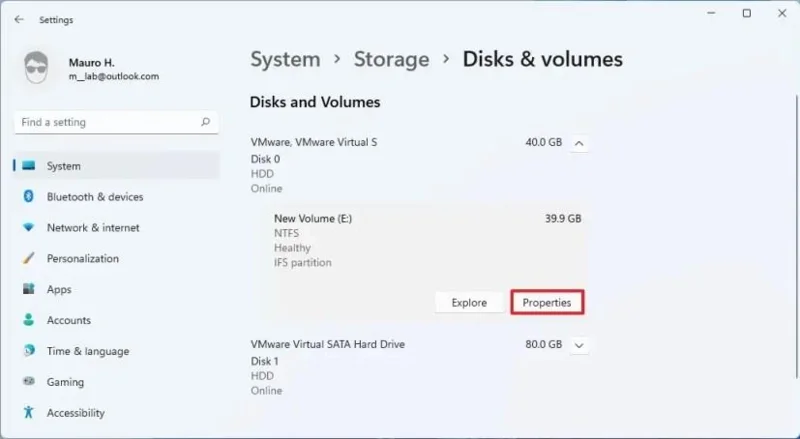
Disks and volumes
Windows already has a tool to manage disks and volumes, but it’s an old control panel experience. The new experience was built from the ground up with modern improvements and accessibility in mind. It also features better integration with features, such as Storage Spaces and the Storage breakdown page.
Like the legacy tool (which is still available), the new tool allows you to view all the drives connected to the device, and you can create, resize, format, and change letters for partitions.
On the page, the disk tool shows all the drives connected to the device with basic information, such as the disk number, media (SSD or HDD), and whether if the drive is online or offline.
You can select the drive and click the Properties button to give you additional information like name, identification, model, media, capacity, and type. You’ll also see the current status and the partition style (for example, GUID Partition Table “GPT”).
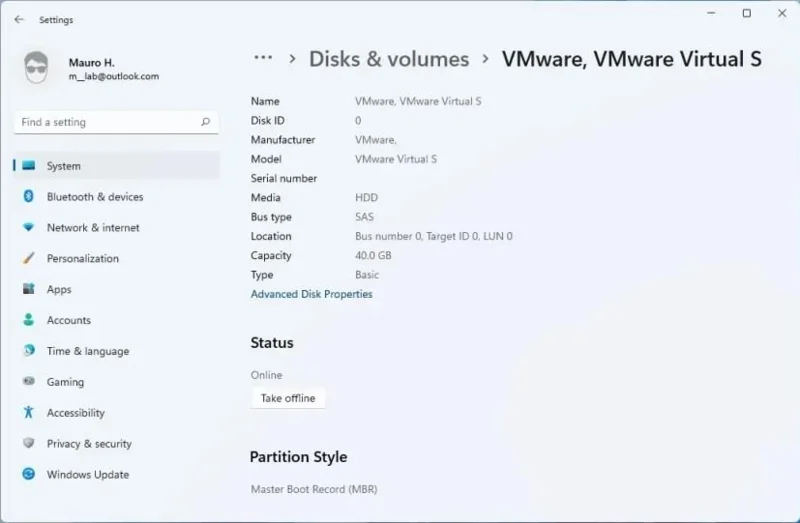
Hard drive information in Settings
The Advanced Disk Properties option opens the properties of the drive with the Control Panel.
While on the main page, if you expand the drive, you will see the list of partitions with rich details, including the file system, partition type, status, and more.
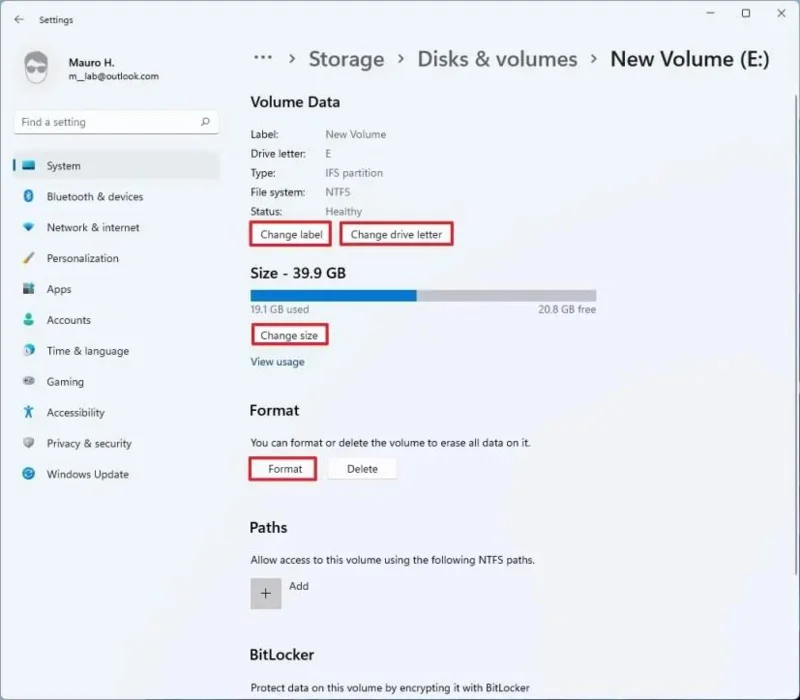
Settings partition info and tools
In addition, the experience includes a health monitor feature to keep tabs on the health of Non-Volatile Memory Express (NVMe) Solid-State Drives (SSDs).
If there is an issue with the drive, you will see a notification to view more details and access the drive to back up the data before it’s too late. The notification will open the drive page, where you can find more information, including the life remaining on the drive, temperature, and available space.
You can select each drive, and clicking the Properties button will access another page where you can change the label or drive letter. You can resize the partition with the Change size button. You can add a path to the volume, and you can even enable BitLocker on the drive.
If you are dealing with an external drive, the properties page will also include options to delete and format the partition, and you can bring the drive online or offline.
Windows 11 is also bringing Storage Spaces to the Settings app. This means you can now create and manage storage pools and spaces, add and remove drives, and optimize pools within the Settings app without opening Control Panel or PowerShell.
Multitasking
On Windows 11, the Multitasking page includes the options to enable and disable Snap layouts, Snap groups, and more.
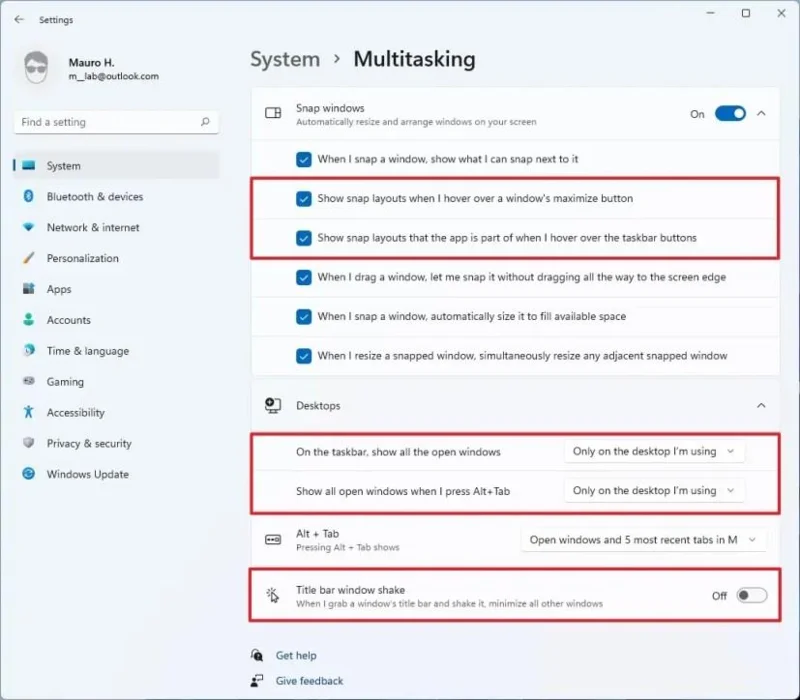
Multitasking settings
Also, the “Virtual Desktops” settings have been renamed to “Desktops,” and the settings are all the same ones as before. And now, the Settings app includes an option to enable or disable the title bar window shake (Aero shake) feature.
Bluetooth & devices settings
The Bluetooth & devices section has also been updated to make it easier to connect peripherals to Windows 11. This section includes the settings to control Bluetooth, Devices, Printers & scanners, Your Phone, Cameras, Mouse, Touch, Pen & Windows Ink, AutoPlay, and USB.
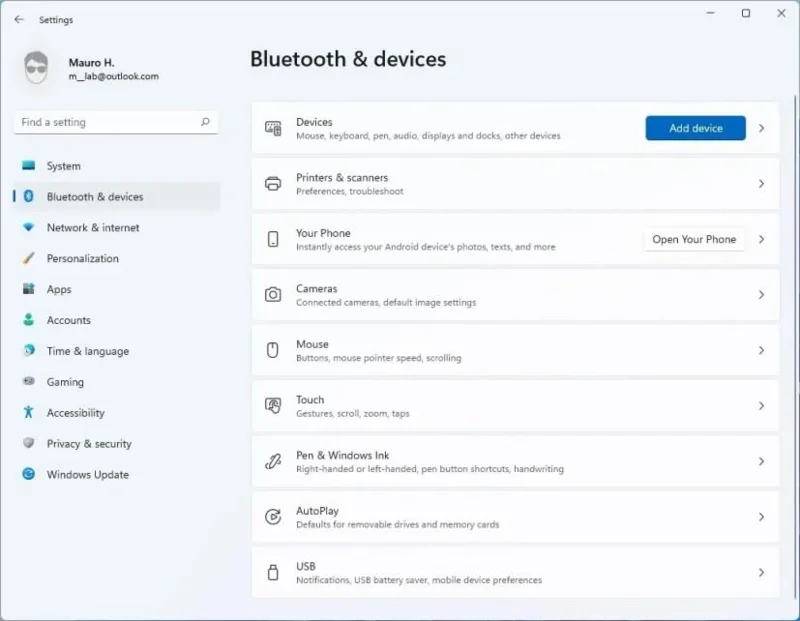
Bluetooth & devices settings
Devices
On the Devices page, you will see a list of the input, output, and other devices connected to your computer. And the Add device will open the wizard to install new peripherals like on Windows 10. If you no longer need a device, you can remove using the peripheral’s menu on the right side.
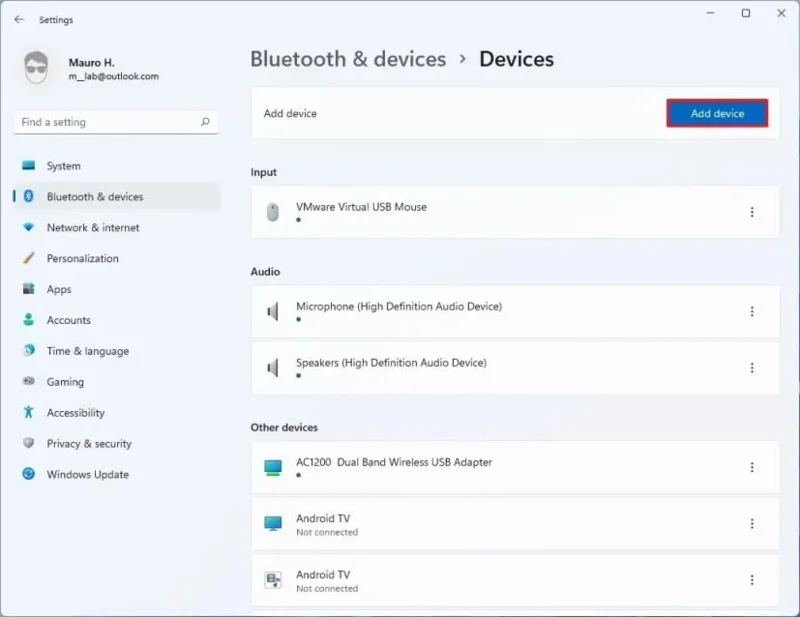
Windows 11 Devices settings
This used to be the “Bluetooth & other devices” page.
Cameras
The Cameras page is new to Windows 11, and it houses the settings to manage webcams and network cameras.
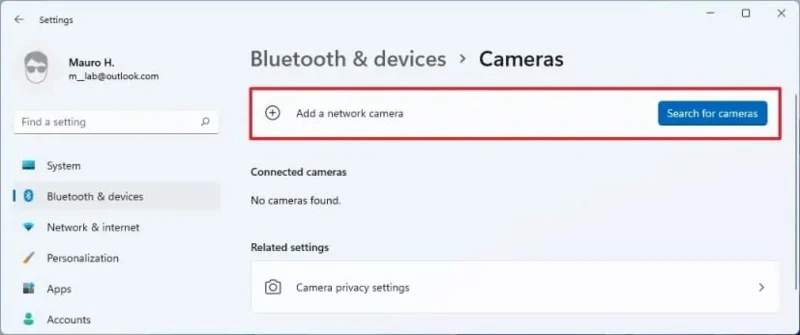
Camera settings
You can manage features like brightness, contrast, rotation settings, and even enable or disable Video HDR and Eye Contact in the camera settings. The Video HDR and Eye Contact features are only available in supported hardware.
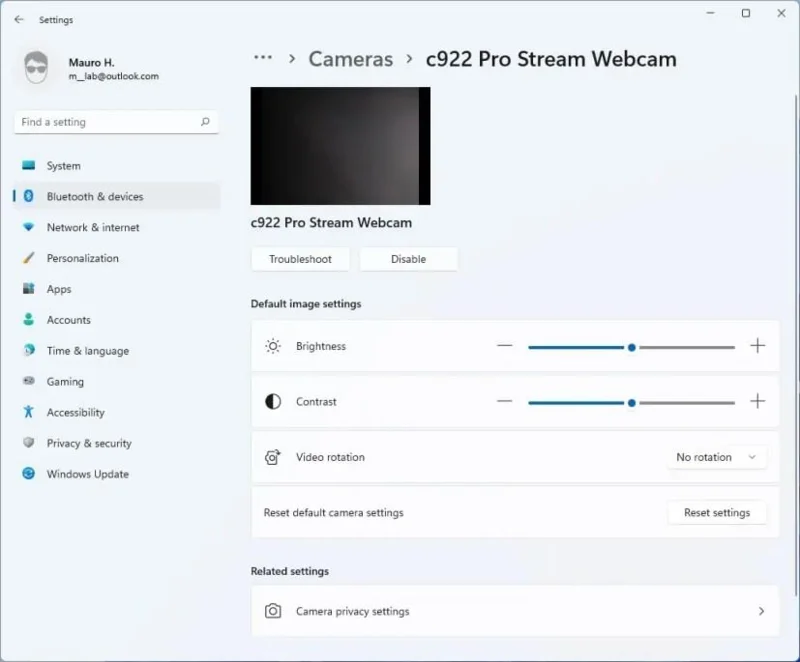
Webcam configuration
Touch
The Touch page is also new, and it’ll be available on devices with touch screens.
Network & internet settings
In the Network & internet section for hero controls, you will see the active network connections, connection properties, and data usage. This part of the Settings app includes the settings for Ethernet, Wi-Fi, VPN, Mobile hotspot, Airplane mode, Proxy, Dial-up, and Advanced network settings.
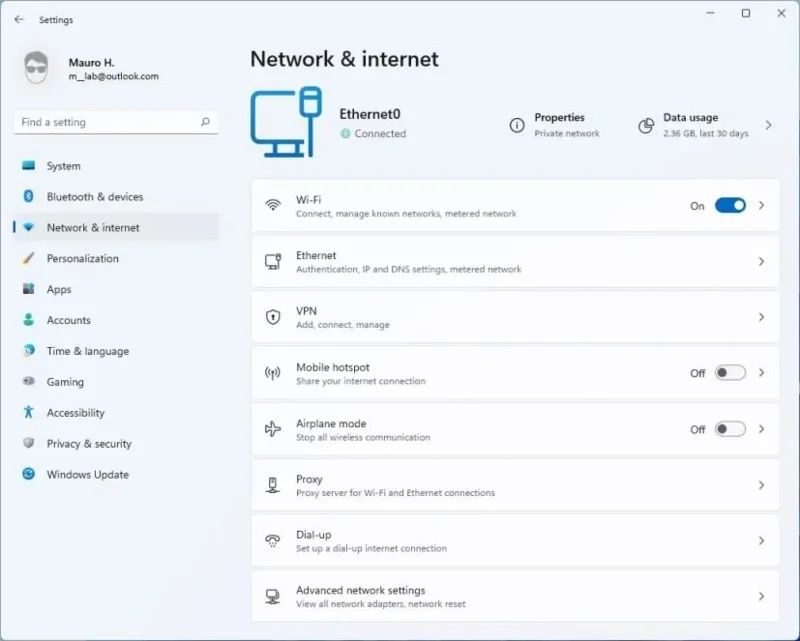
Windows 11 Network & internet
Wi-Fi
The Wi-Fi page isn’t new, but it has been tweaked with an option to view the available wireless networks within the app.
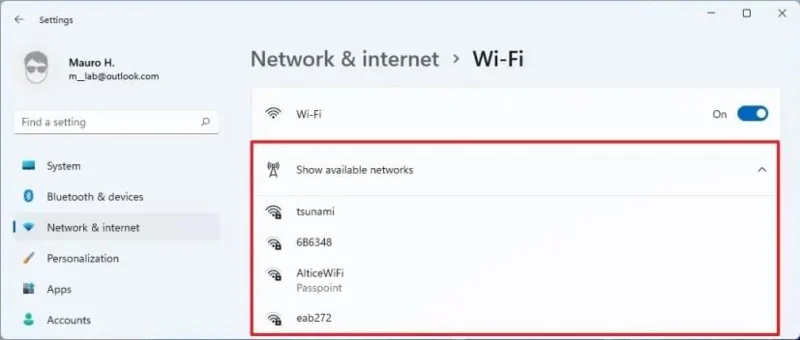
Windows 11 Wi-Fi settings
Ethernet
The Ethernet page now includes an option to set up IEEE 802.1x network authentication settings. (In previous versions, this needed to be done in Control Panel.)
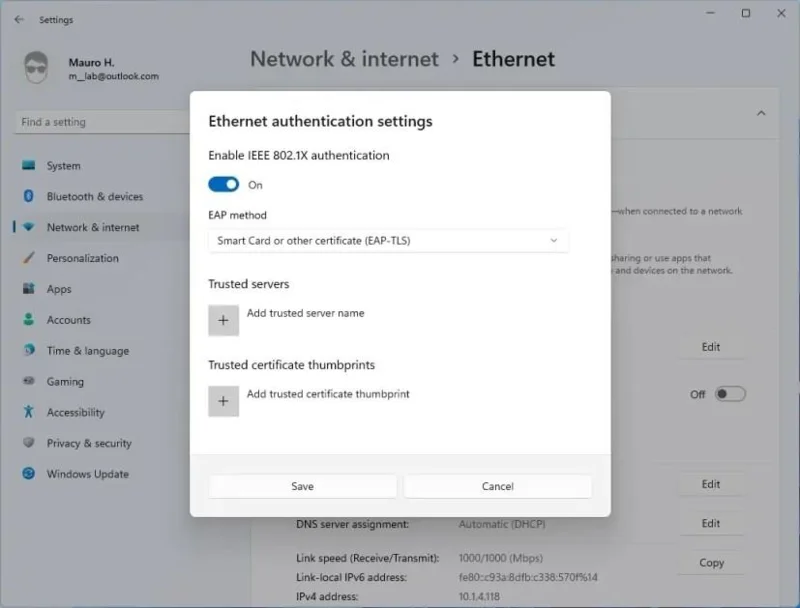
IEEE 802.1X authentication
You can now configure Domain Name System (DNS) without opening the Internet Protocol (IP) configuration page.
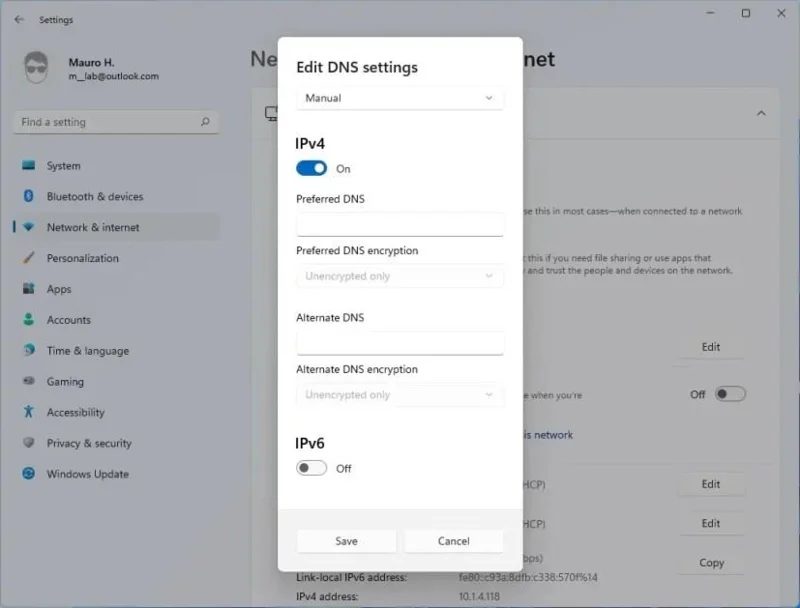
Windows 11 DNS only settings
Finally, starting on Windows 11, you can configure DNS over HTTPS (DoH) to encrypt DNS queries using the Hypertext Transfer Protocol Secure (HTTPS) protocol.
Advanced network settings
The Advanced network settings page is new, and it includes the options to enable or disable, rename, and view the status of network adapters. (In previous versions, this needed to be done in Control Panel.)
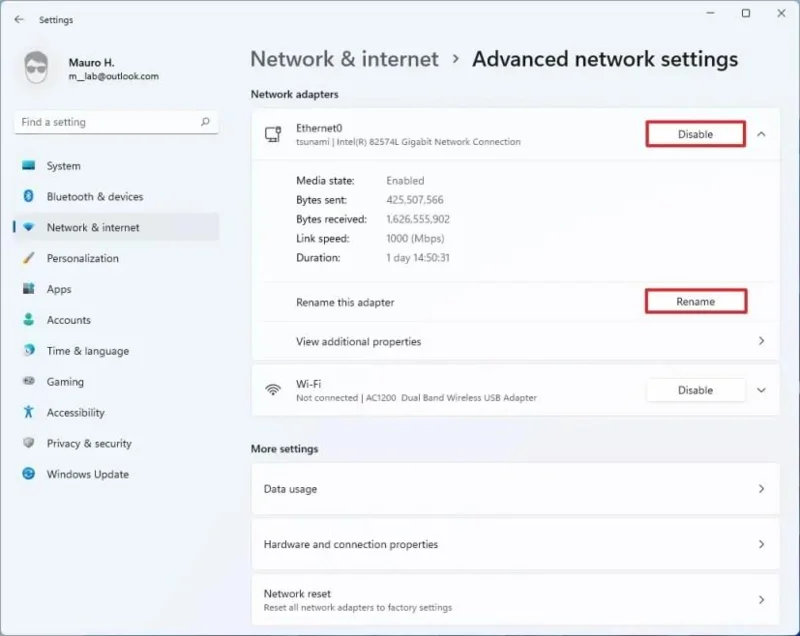
Advanced network settings
Personalization settings
While the Personalization section is not new, it has a lot of improvements. For example, the section now shows the six new default themes and a preview of the desktop as hero controls, and it houses the settings for Background, Colors, Themes, Lock screen, Touch keyboard, Start, Taskbar, Fonts, and Device usage.
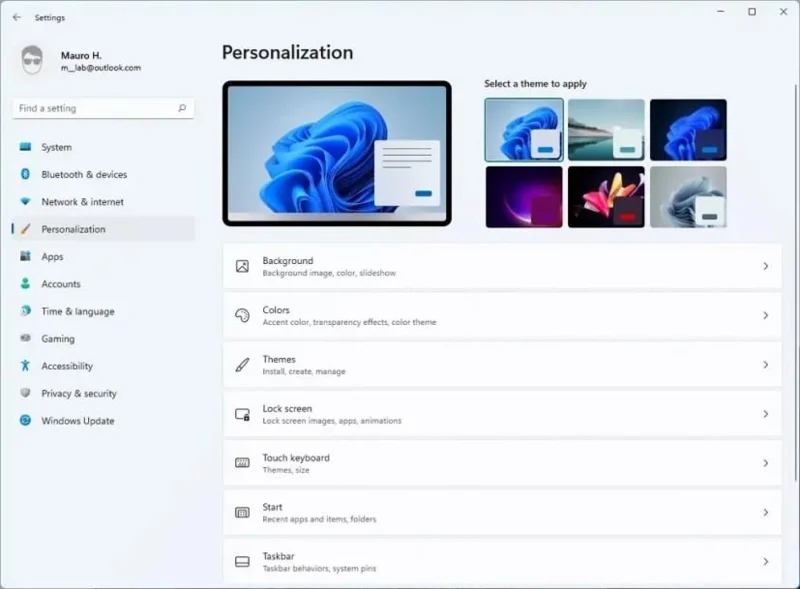
Windows 11 Personalization settings
Themes
The Themes page is almost identical to the previous version, with the difference that it includes six new default settings.
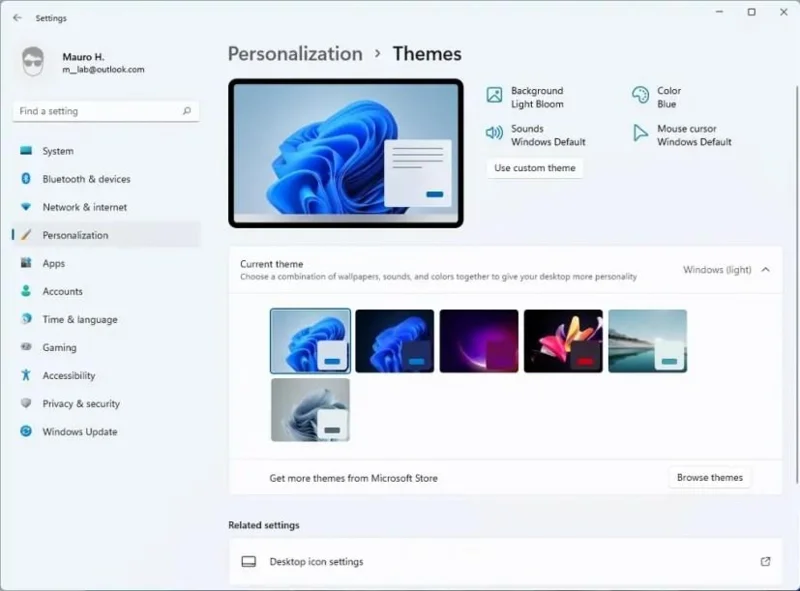
Themes settings
On the Sounds page, you will also find that the “Play Windows Startup sound” option is now enabled by default, and this is because Windows 11 is also bringing back the startup sound again. However, the Windows startup sound will not play after the computer reboots automatically to apply updates.
In addition, you will now find new default sounds for pretty much every action in the latest version of Windows. Microsoft has been created a slightly different sound theme when using the dark mode.
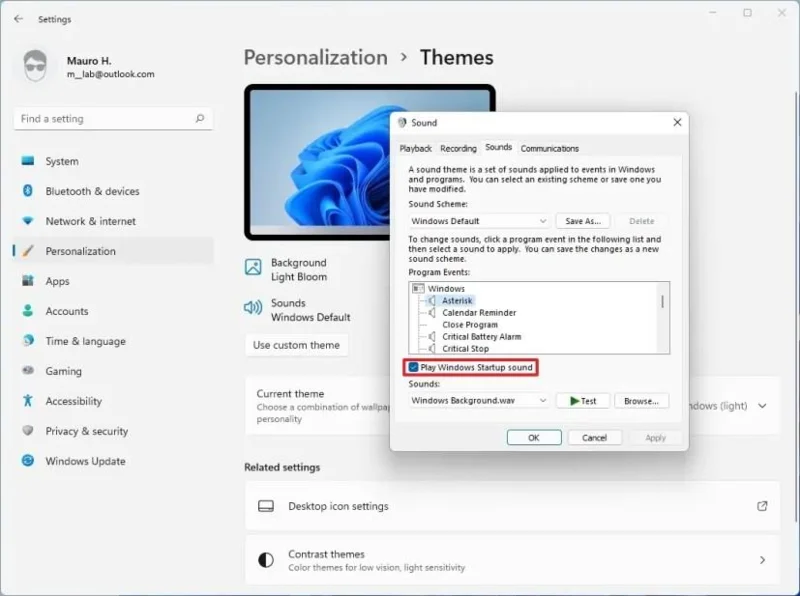
Windows 11 startup sound
You can check out the new sounds by selecting each event and pressing the Test button.
Touch keyboard
The Touch keyboard page is new and houses the settings to adjust the on-screen keyboard, including settings to change the keyboard size, theme with the option to show background and change the size of keys.
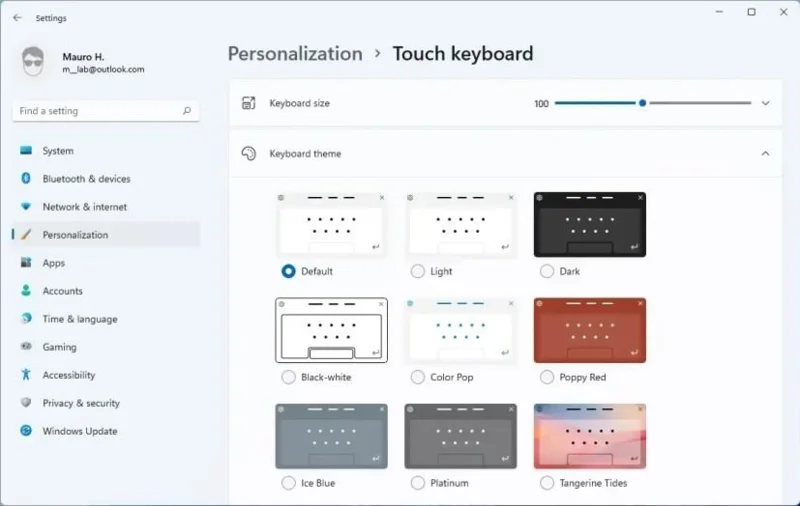
Touch keyboard settings
Start
The Start page includes the new settings to customize the Start menu. For instance, you will now find the options to show or hide recently added and most-used apps. You can also control whether or not to show items in the jump list and the “Recommended” section.
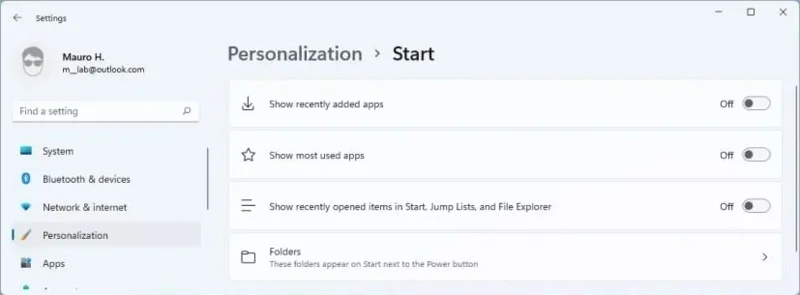
Start settings on Windows 11
In addition, the Folders setting lets you decide what folder (or quick links for File Explorer, Settings, etc.) appear next to the profile menu in the Start menu.
Taskbar
The Taskbar page no longer includes the options to change the Taskbar location, height, or icon size. Instead, the settings reflect the new features, including showing or hiding the Search, Task View, Widgets, and Chat buttons.
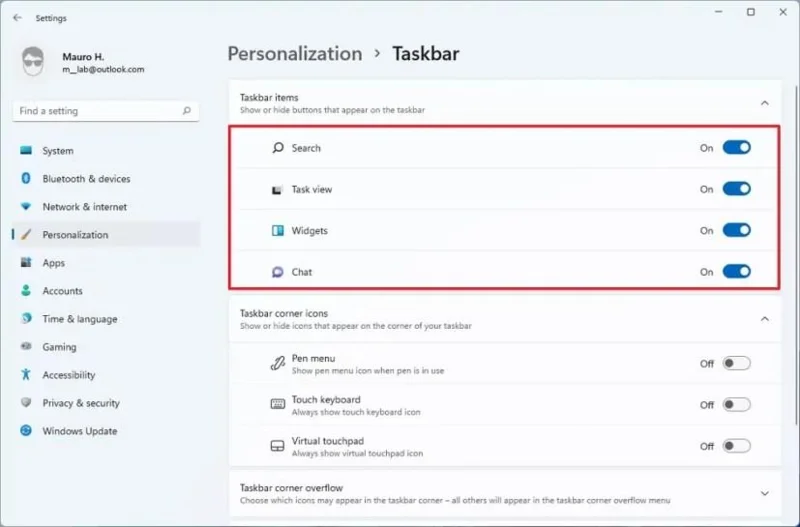
Taskbar settings
You can show or hide the “Pen menu,” “Touch keyboard,” and “Virtual touchpad” buttons that appear in the system tray. Also, you can control which items appear in the overflow menu.
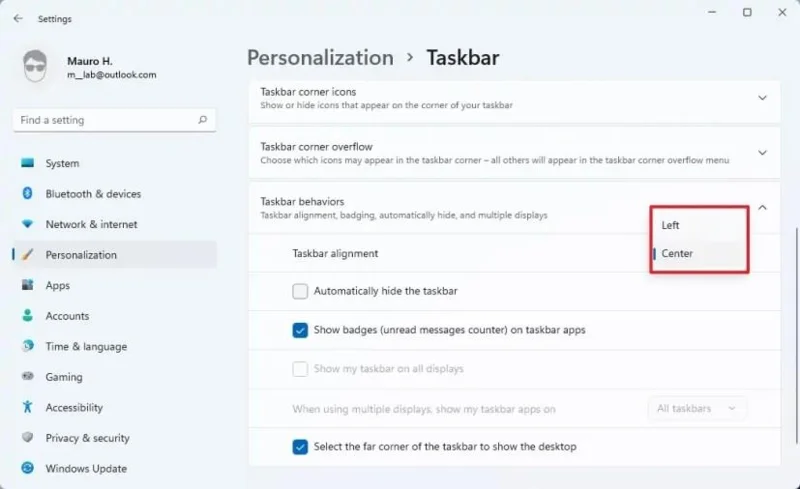
Taskbar behaviors
Finally, in the “Taskbar behaviors” settings, you can change the Taskbar alignment to the left and center. You can also enable auto-hide the Taskbar, show badges for unseen messages, disable the show desktop button, and control the experience in a multiple display setup.
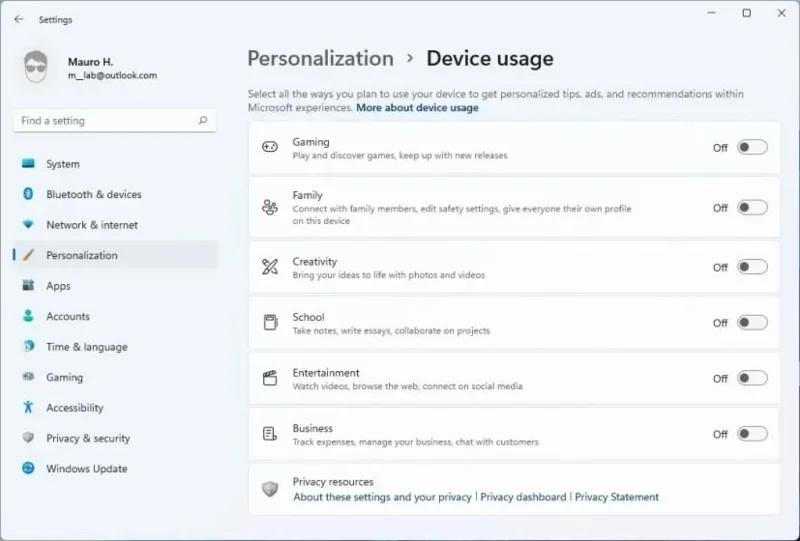
Device usage
The Device Usage is new, and it lets you specify how you plan to use the computer so that Windows 11 can tailor the ad experience.
Device usage
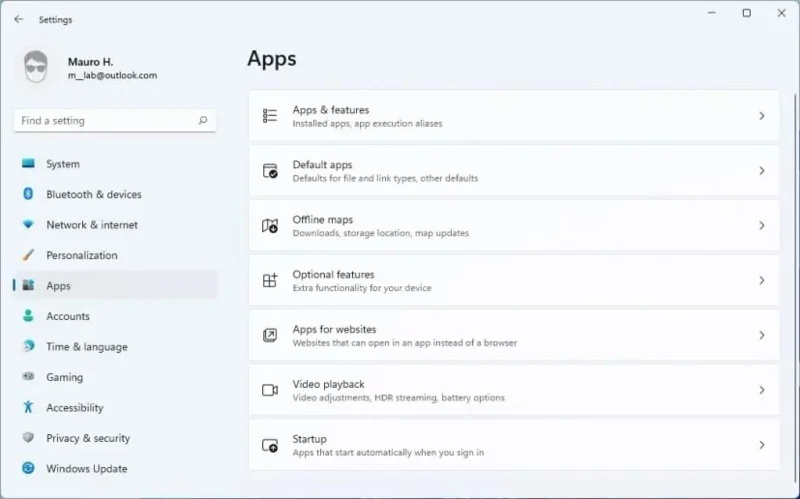
Apps settings
The Apps section includes the settings for Apps & features, Default, Offline maps, Optional features, Apps for websites, Video playback, and Startup.
Windows 11 Apps settings
Apps & features
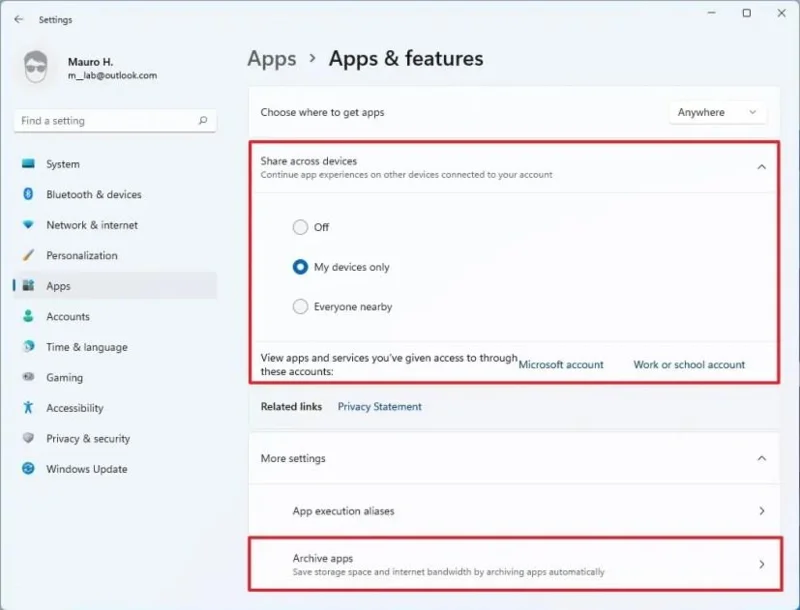
The Apps & features page is not changing significantly, but you will find a new “Share across devices” feature, allowing you to pick up an app you left off on another device.
Apps & features settings
When you select “More settings,” you will notice a new Archive apps feature.
The feature is meant to archive apps you don’t often use to save space and internet data. The next time you try to open the app, it’ll connect to the internet and download the full version again. Of course, this is if the app is still available in the Microsoft Store.
Optional features
The Optional features page used to be part of the “Apps & features” page, but it’s now a separate page.
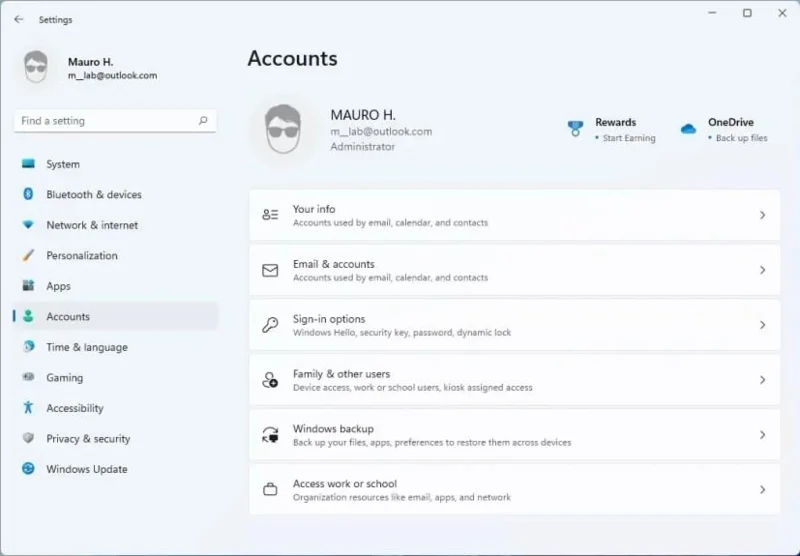
Accounts settings
The Accounts section displays the current user information, OneDrive, and Microsoft Bing rewards details for hero controls. As part of the settings, in this section, you will find the settings for Your info, Email & accounts, Sign-in options, Family & other users, Windows backup, and Access work or school.
Windows 11 Accounts settings
Windows backup
The Windows backup page is new to Windows 11 and includes the settings to control the OneDrive folder syncing and sync app and system preference settings to the cloud.
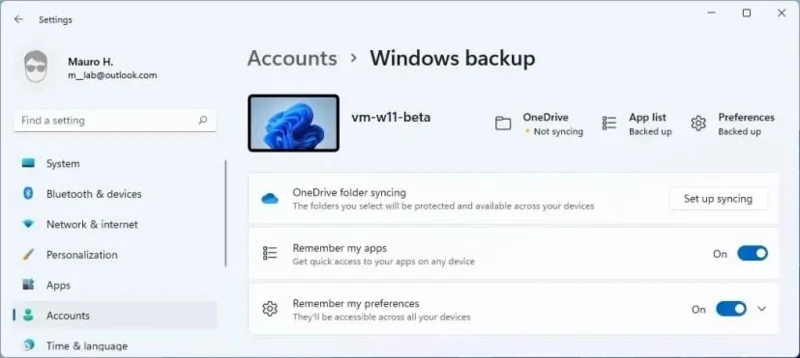
Windows Backup settings
For control heroes, you will see the status for “Preferences,” “App list,” and “OneDrive backup.”
Time & language
The Time & language section includes the settings for Date & time, Language & region, Typing, and Speech pages.
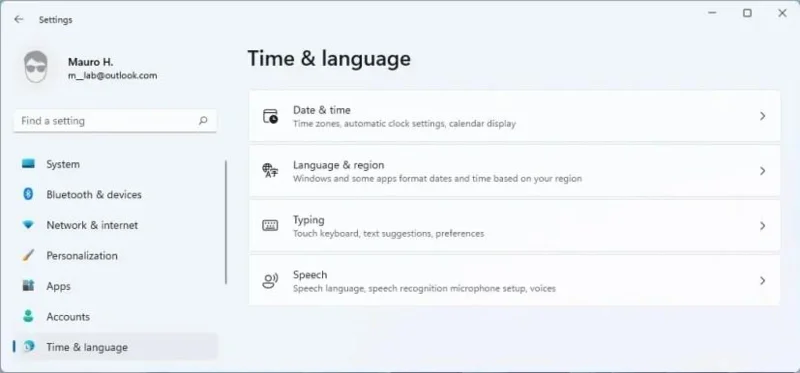
Windows 11 Time & language
Typing
The Typing page isn’t new to Windows 11, but the settings were located in the “Devices” section.
Accessibility
Formerly known as “Ease of access,” the Accessibility section houses the settings Text size, Visual effects, “Mouse pointer and touch,” Text cursor, Magnifier, Color filter, Contrast themes, Narrator, Audio, Captions, Speech, Keyboard, Mouse, and Eye control.
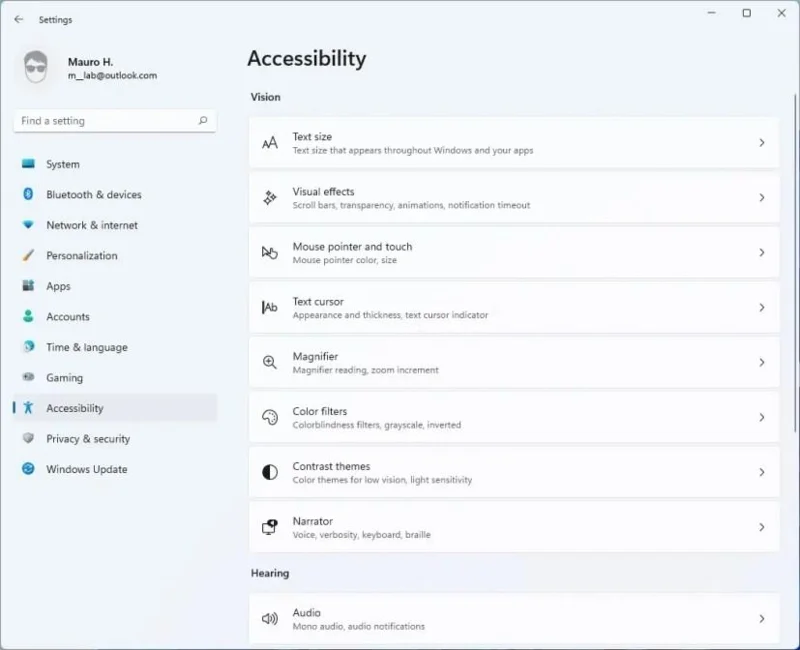
Windows 11 Accessibility settings
Visual effects
The “Display” settings page has now been renamed to “Visual effects,” and the settings are the same as before.
Mouse pointer and touch
The “Mouse pointer” page has been renamed to “Mouse pointer and touch,” and the settings are the same as before.
Privacy & security
On Windows 11, the “Privacy” page has been renamed to “Privacy & security.” This page includes the settings for General, Speech, Inking & typing Personalization, Diagnostic & feedback, and Activity History. Also, in this area is where you will now find Search permissions and Searching Windows pages.
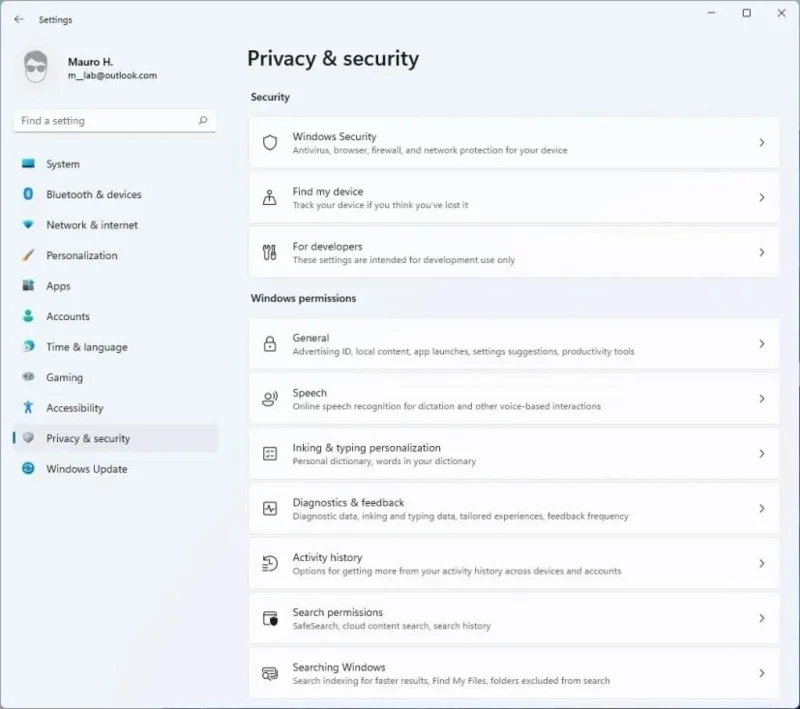
Windows 11 Privacy & security settings
Since this section also includes security settings, you will find the Windows Security, Find my device, Device encryption, and For developers pages.
Screenshot borders
On Windows 11, the Screenshot borders page is new, and it allows you to control if apps can choose to access the screenshot borders.
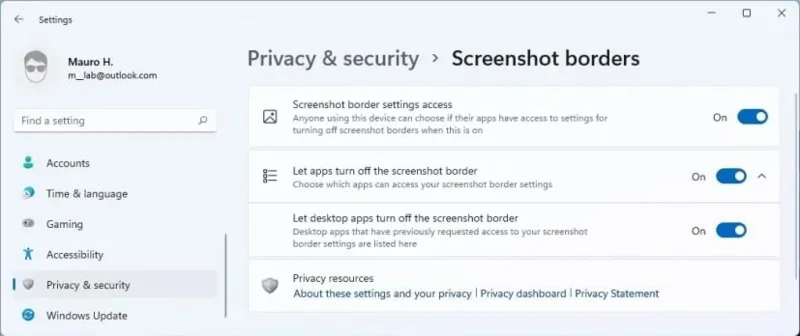
Screenshot borders settings
Screenshot and apps
The Screenshot and apps page is new for this release, and it includes the settings to decide which apps can grab screenshots.
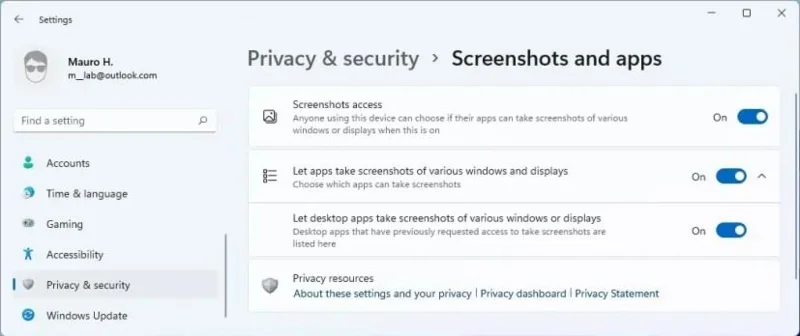
Screenshots and apps settings
Windows Update
The Windows Update section is a new section on Windows 11. The page now includes colorful icons and improvements to communicate the status of updates better. Also, in this section that’s where you will find the settings to view the Update history, access the Advanced options, and enroll a computer in the Windows Insider Program.
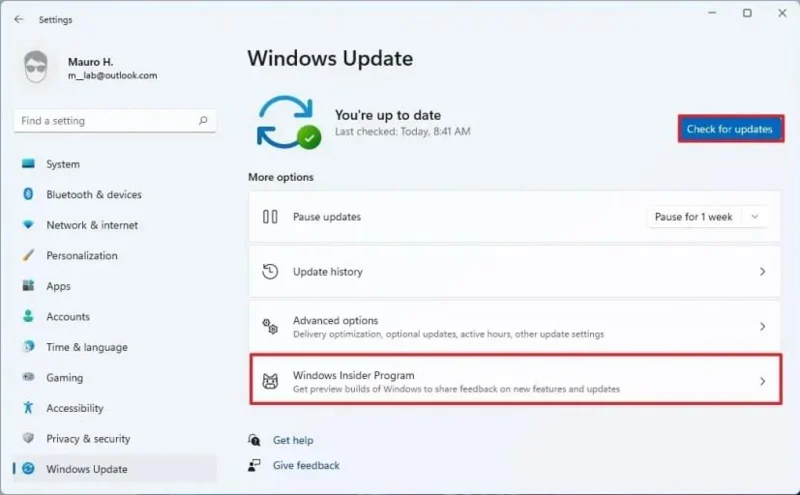
Windows Update settings
In addition, when a new update is ready for your device, the Settings app will inform you how long it will take to apply it. However, this feature is only available for Solid-State Drives (SSD) devices.
Advanced options
The Advanced options page now includes a Configured update policies page that shows all the Group Policy policies currently applied to the device.
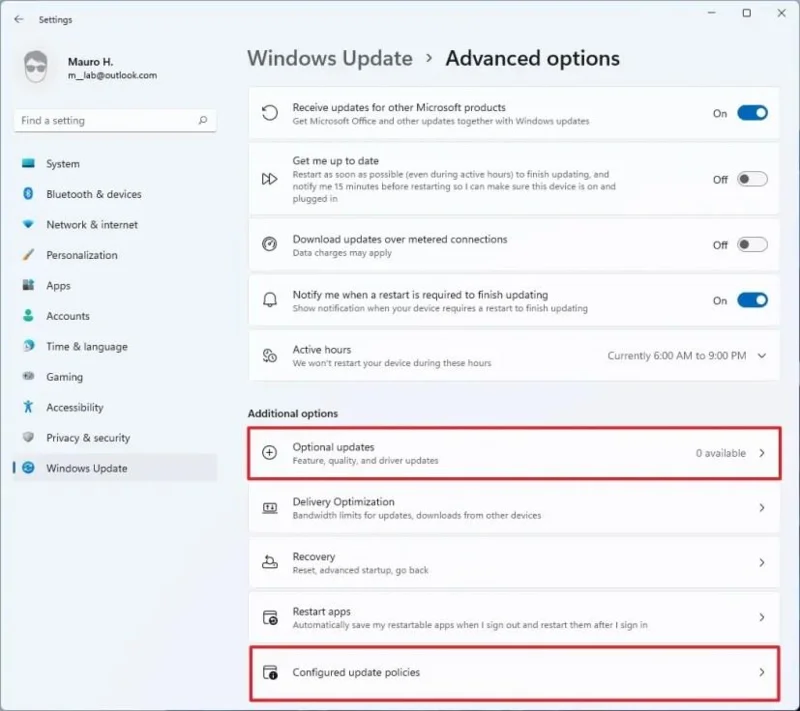
Advanced options
Also, on this page, you find the page to view and install optional updates available for your device.
Language updates
The Scottish Gaelic keyboard now uses AltGr + 7 to input ⁊ (U+204A TIRONIAN SIGNET), pressing’ will now insert the characters, and Alt Gr +’ now acts as a dead key to add the acute accent with a subsequent letter.
Also, when pressing Shift + 6 will now insert ߾ (U+07FE ), and pressing Shift + 7 will now insert ߿ (U+07FF) for the N’Ko keyboard layout.
Japanese IME improvements and touch keyboard
Windows 11 updates the new Japanese IME to support switching between Hiragana and Katakana using CTRL + CAPSLOCK and ALT + CAPSLOCK (respectively), as it was supported with the previous version.
Microsoft is also introducing the “50-on touch keyboard” layout for the Japanese language. This is a popular layout that allows you to input Japanese texts intuitively without knowing how to compose Hiragana characters.
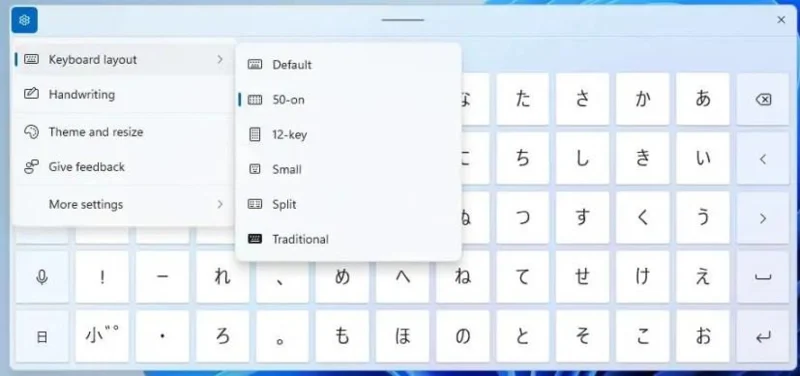
Japanese 50-on keyboard layout
You can use the new layout by clicking the Settings button and selecting the “50-on” option. It also provides alphabet and symbol views newly explicitly designed for the layout.
Input Method Editor (IME)
Microsoft is introducing a new version of all available IMEs that includes a new modern design using the Fluent Design System, including acrylic background, selection visual, and dark theme support.
There are some font adjustments in the candidate interface to minimize intrusiveness while securing visibility. Also, the new design is expanding to more languages.
Also, in this version, Windows integrates the new IME candidate windows design for Japanese, Chinese Traditional, and Indic IMEs.
Korean IME improvements
If you type in Korean, you’ll also find a new version of the Korean IME with improvements in the typing experience.
Windows Subsystem for Linux (WSL) new features
Windows 11 ships with an updated version of the Windows Subsystem for Linux (WSL) that supports the ability to install Linux GUI (graphical user interface) apps as if they were natively installed on Windows.
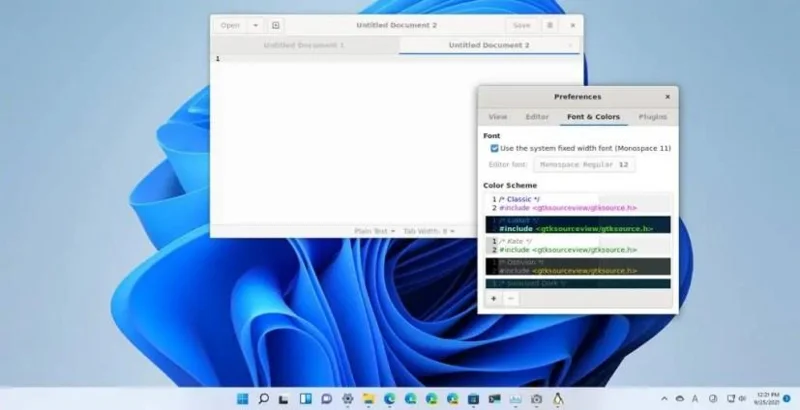
Linux GUI apps on Windows 11
In other words, you can now use your favorite Linux editors, tools, and applications on Windows 11 without the need to switch devices or create a virtual machine.
The feature is meant to develop and test your apps on Linux, but you can use this implementation for any situation. The Linux GUI apps on Windows even include support for speakers and microphones, which means that if you install a media app, the peripherals will pass through and appear in the app. GPU accelerated 3D graphics are also supported to run any app that needs to do complex 3D rendering leveraging OpenGL.
この機能を使用する場合、WSL は新しい「コンパニオン システム ディストリビューション」を自動的に開始するため、X サーバーを手動で実行する必要はありません。これには、Wayland、X サーバー、Pulse オーディオ サーバー、および必要なすべてのコンポーネントが含まれます。アプリと WSL セッションを閉じると、システム ディストリビューションは自動的に終了します。
Linux GUI アプリがインストールされると、[スタート] メニューに登録されます。つまり、Windows Subsystem for Linux (WSL) コンソールに名前を入力してアプリを起動するか、他のアプリと同じように起動できます。スタートメニューを使用してアプリケーション。
[スタート] メニューからアプリを起動すると、[最近追加された] リストにエントリが表示され、Linux ディストリビューション エントリの下の (ディストリビューション名) フォルダー内にエントリが表示されます。
また、タスクバーに Linux のロゴが付いたアイコンが表示され、Windows 11 アプリケーションを実行していないことがわかります。
Windows 11 でグラフィカルな Linux アプリを使用するエクスペリエンスはネイティブに感じられますが、そうではありません。アプリは、フレーム、メニュー、およびその他の要素のすべての Linux ビジュアル スタイルでレンダリングされ、フレームの周りに影さえあり、すべてのウィンドウが独立して動作します。ただし、これはリモート デスクトップ接続であり、Microsoft はオペレーティング システムに組み込まれている RemoteApp 機能を利用している可能性があります。
Linux と統合されたファイル エクスプローラー
また、WSL では、信頼性とパフォーマンスを向上させるために、既定のパスが\\wsl.localhost\\からに変更されました。\\wsl\\ただし、\\wsl\\パスを使用してファイルにアクセスすることはできます。
新しい WSL のインストールとその他の変更
wsl --install Linux 用の Windows サブシステムにも、GPU コンピューティング、コマンド、コマンド など、いくつかの機能が追加されていますwsl --update 。
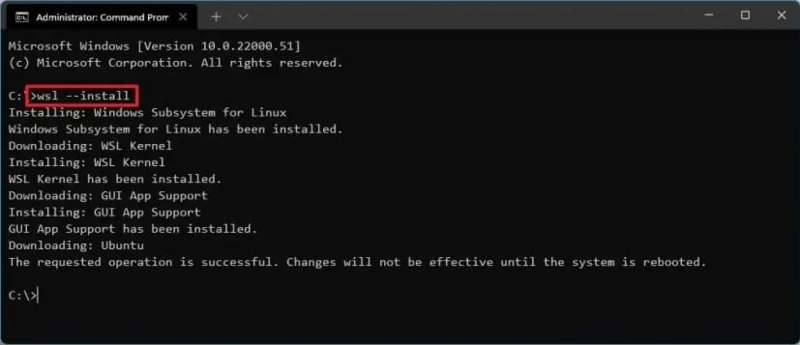
Windows 11 インストール WSL コマンド
GPU コンピューティングは、Linux バイナリがグラフィックス カードを活用できるようにする機能であり、より多くの機械学習開発とデータ サイエンス ワークフローを WSL で直接実行できるようにします。
この wsl --installコマンドを使用すると、WSL コンポーネントをすぐにインストールできます。このコマンドを使用するとwsl --update、WSL 2 ディストリビューションで使用される Linux カーネル バージョンを管理できます。
Windows システム イメージからカスタム Linux カーネルが削除され、Microsoft Store から入手できるようになりました。
On Windows 11, you can now attach and mount physical drives inside the Windows Subsystem for Linux distros. The feature enables you to access file systems that are not natively supported (for example, ext4). This means that if you have a dual-boot system with Windows 11 and Linux and are using different drives, you can now access your Linux files from Windows 11.
Also, there is a new option to run Linux commands on the startup of a Windows Subsystem for Linux (WSL) distro.
If you want to use this feature, you will need to edit the /etc/wsl.config file on the distro and adding an option named “command” under the “boot” section.
Windows 11 new system optimization and enhancements
はい、Windows 11 はラップトップとデスクトップ コンピューターを大幅に高速化します。再設計されたエクスペリエンスと新機能に加えて、新しいバージョンでは、システムの応答性を高めるためにリソースをより適切に利用するためのいくつかの内部改善も導入されています。
より機敏で反応が良い
たとえば、負荷が高い場合 (90% または 95% であっても)、Windows 11 はコンピューティング リソースを再分配して、アプリの起動時に遅延なく起動します。
この手法は、Windows シェル自体、ブラウザ、開いているタブにも適用されますが、スリープ タブを使用すると、メモリの約 32% とプロセッサの使用率が 37% 削減されます。
これらの新しい改善点をすべて組み合わせると、バッテリー寿命が長くなり、パフォーマンスが向上します。
スリープモードからの復帰が速い
Microsoft has also been working to make resume from sleep mode faster. This was possible because of the optimization done for calling hardware components that have to turn on to resume from sleep to improve memory management.
In addition, at the software layer, Windows 11 is making code changes that translate to around 25 percent faster resume times. Using these new techniques, Microsoft claims that most users will resume their devices from sleep “almost instantaneously,” and the device can “stay in sleep state longer and not hibernate as often.”
Faster Windows Hello sign in
Windows 11 also ships with “code optimization” that makes the Windows Hello sign-in process up to 30 percent faster as part of the performance improvements.
Reduced system footprint
Furthermore, Windows 11 reduces the overall footprint. This was done by expanding the use of compression technologies. Also, non-critical built-in apps and other components (such as Microsoft To Do, Sticky Notes, Power Automate) their default state is now “stub” that also reduces the space on the hard drive, background download activity, and download traffic.
And Windows 11 also reduces the storage consumption caused by the system and browser caches.
Smaller and faster updates
After installing Windows 11, you will notice that updates will download and install faster. This is because Windows includes several optimizations to the update engine, which improves how updates are packaged.
たとえば、新しい更新プログラムがリリースされると、Windows 11 はコンピューターで利用可能なコンポーネントを比較し、必要な変更のみを取得して、更新プログラムを最大 40% 小さくします。
また、Microsoft は現在、1 年に 2 つではなく、1 つの機能更新プログラムのみをリリースすることを計画しています。
初乗り体験
新しい OS では、更新された「Tips」アプリを使用して新しい初回実行エクスペリエンスが導入され、主要な機能更新プログラムがデバイスにインストールされた後の最も重要な変更が強調表示されます。(この機能は、新しい機能更新プログラムをインストールした後に Microsoft Edge ウェルカム ページを置き換えて、ユーザーが機能と変更点、およびそれらの使用方法をよりよく理解できるようにします。)
レジストリ
レジストリには大きな変更はありませんが、アプリは検索ウィンドウで単語を一度に削除したり、キーの名前を変更したり、その他の場所でCTRL + バックスペースを使用できるようになりました。
タブレット体験
混乱を避けるために、Microsoft は非タッチ デバイスからタブレット モードのクイック アクション ボタンを削除しています。つまり、タッチ対応デバイスのみがタッチ エクスペリエンスに切り替えることができます。
タッチ スクリーンを備えたデバイスには、ユーザーがモードとキーボードが接続されているかどうかに応じて適切なモードで起動できるようにする新しいロジックがあります。
Windows 11 では、コンバーチブル デバイスのタブレット ポスチャ ロジックが変更され、1 つの画面のみを使用する場合に適用されます。
また、キーボードを取り外すと、アイコン間の間隔が広がり、タッチしやすくなります。ウィンドウのボタンやその他のターゲットが大きくなりました。縦モードで 2 つのウィンドウをスナップすると、2 番目のウィンドウがもう一方のウィンドウの上にスナップされます。Windows 11 では、トラックパッドの使用時に同じタッチ ジェスチャがサポートされるようになりました。たとえば、3 本の指で下にスワイプして、画面上のウィンドウを最小化できるようになりました。
Microsoft は、アプリとデスクトップをスムーズに切り替えるための新しいタッチ ジェスチャも導入しています。
ジェスチャはタッチパッド ジェスチャに似ていますが、タッチ用に明示的に設計された思慮深い改良が加えられています。試すことができるリストは次のとおりです。
3 本指のジェスチャー:
4 本指のジェスチャー:
さらに、タスクバーの右下にあるペン アイコンをクリックして開くことができる新しいペン メニューがあります。
ペンを使用する場合、触覚フィードバックがサポートされるようになりました。このガイドで前述したように、Windows 11 には、テーマやその他のカスタマイズをサポートする新しいタッチ キーボードがあります。
Windows 11 x64 エミュレーター
Windows 11 には、ARM ベースのデバイスが Microsoft Store または外部ソースから x64 アプリケーションをインストールして実行できるようにする新しい x64 エミュレーターも導入されています。
PowerShell でアプリをリセットする
この新しいバージョンの Windows には、PowerShell コマンドを使用してユニバーサル Windows プラットフォーム (UWP) アプリをリセットする機能が含まれています。これは、設定アプリからアプリをリセットするオプションへの追加です。たとえば、次のコマンドは電卓アプリをリセットします: Get-AppxPackage *calculator* | Reset-AppxPackage.
この新しいオプションは、[スタート] メニューなど、[設定] で使用できない特定のシステム コンポーネントをリセットするのに便利です。
Wi-Fi
ネットワークの改善の一環として、Windows 11 にはWi-Fi 6Eがサポートされるようになりました。
SMB圧縮
Windows 11 では、「SMB 圧縮」は、ネットワーク経由の転送中にファイル圧縮を要求するように設計された機能です。この機能の目的は、ソースでファイルを圧縮して宛先でコンテンツを解凍することなく、ファイル転送を高速化し、大きなファイルの帯域幅を削減することです。
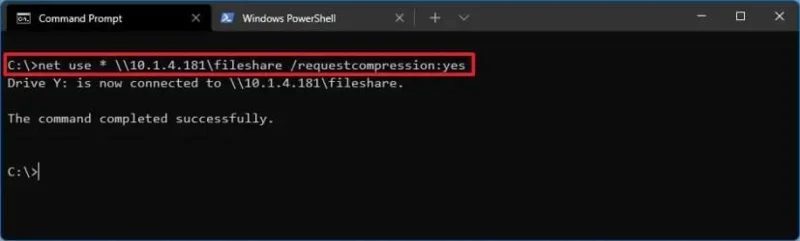
SMB圧縮
このタイプの圧縮の利点は、帯域幅が少ないネットワーク (たとえば、1Gbps イーサネットまたは Wi-Fi アダプターを備えたコンピューターまたはサーバー) で見られます。ただし、ソリッド ステート ドライブ (SSD) を備えた 100 Gbps ネットワーク アダプターを備えたサーバーが 2 台ある場合は、メリットが見られない可能性があります。実際には、さらに時間がかかる場合もあります。
Windows 11 での SMB による圧縮は、アルゴリズム XPRESS (LZ77)、XPRESS Huffman (LZ77+Huffman)、LZNT1、または PATTERN_V1* をサポートします。XPRESS は自動的に使用され、SMB 署名と SMB 暗号化、SMB 署名と SMB 暗号化、および SMB マルチチャネルが使用されますが、RDMA 経由の SMB ダイレクトはサポートされません。
Windows 11 DiskUsage コマンド ツール
Windows 11 にはDiskUsageも付属しています。これは、特定のフォルダー (またはドライブ全体) の内容をすばやく分析して、スペースがどのように使用されているかを理解し、最も多くのストレージを使用しているファイルを見つけることができる新しいコマンド ライン ツールです。これは、スペースを解放しようとするときに役立ちます。
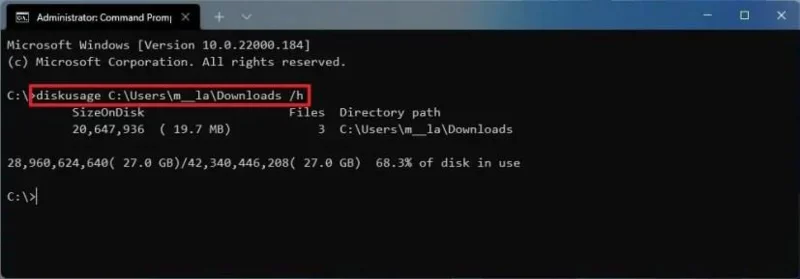
ディスクの使用状況
The tool includes many options to customize the report details. For instance, the /minFileSize command can help to find files equal or larger of the size you specified. The /u and /t let you see the top files for a specific location and many other options.
Redesigned out-of-box experience (OOBE) for Windows 11
Windows 11 is introducing a new out-of-box experience (OOBE). This is the experience you usually go through to complete the initial setup of the operating system with a new account, privacy settings, and custom preferences when setting a new device or after a clean installation.
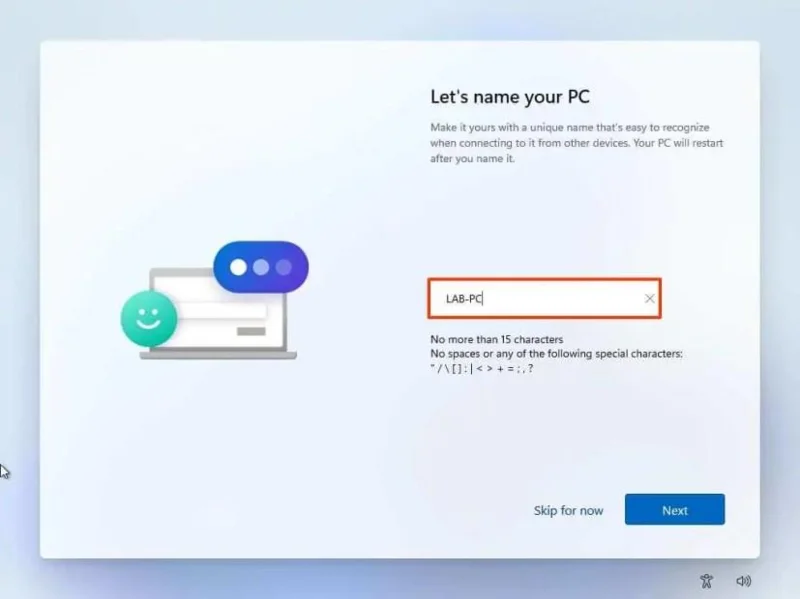
Windows 11 OOBE
The new experience moves away from the blue and dark colors in favor of white and gray colors with a more intuitive and friendly interface to match the new modern design language of Windows 11.
各ページを移動すると、新しいアニメーションも見つかります。Microsoft は、この新しいバージョンでセットアップを完了するときにコンピューター名を設定するオプションを追加しています。オンライン アカウントを作成するオプションは、「サインイン オプション」ページ内に埋もれています。Windows 11 Home をセットアップするとき、ユーザーはインターネットに接続する必要があり、Microsoft アカウントでアカウントを作成する必要があります。 . ただし、要件をスキップしてオフライン アカウントを続行する回避策があります。
再設計された新しい組み込みの Windows 11 アプリ
新しい Windows 11 のオーバーホールの一環として、Microsoft は Microsoft Store、ペイント、電卓、時計、ヒント、Snipping Tool などのインボックス アプリの多くを更新し、Power Automate や Chat などの新しいアプリをいくつか導入しています。マイクロソフト チーム。
マイクロソフト ストア
おそらく、Windows 11 の最大の改善点の 1 つは、新しい Microsoft Store アプリの追加です。アプリは新しいインターフェイスとアニメーションで再設計され、コンテンツの検索と発見がより簡単になりました。アプリを初めて開くと、検索ボックスが上部の中央に配置され、ナビゲーションが左側に表示されるようになっていることがわかります。
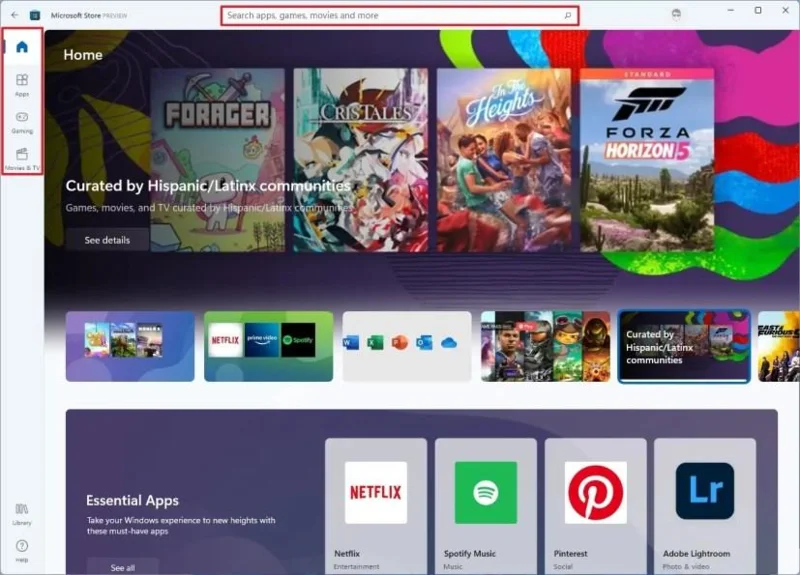
マイクロソフト ストアの UI
ホーム、ゲーム、映画 & テレビ、ライブラリ、ヘルプなど、同じカテゴリのほとんどはまだありますが、[取引] タブはなくなりました。
アプリの製品ページも、左側から簡単にダウンロードしてインストールできる新しいレイアウトで更新され、ゲーム、映画、ショーのページには縦方向が含まれます。
The “Library” tab that’s where you can go to check for updates. In this section, you will also find a list of all the apps and other content you own across devices.
Finally, the Microsoft Store will now allow developers to make available any type of apps, including traditional Win32, .NET, and web apps. Also, developers now have the option to bring their own monetization platform to keep all the revenue, but the option to use the Microsoft commerce service will still be available.
Get Started
In this new version, Get Started is a new app to help beginners get set up quickly. The app is basic, and it shows things like how to get started with File Explorer, downloading apps, navigating the interface, and going through some basic features.
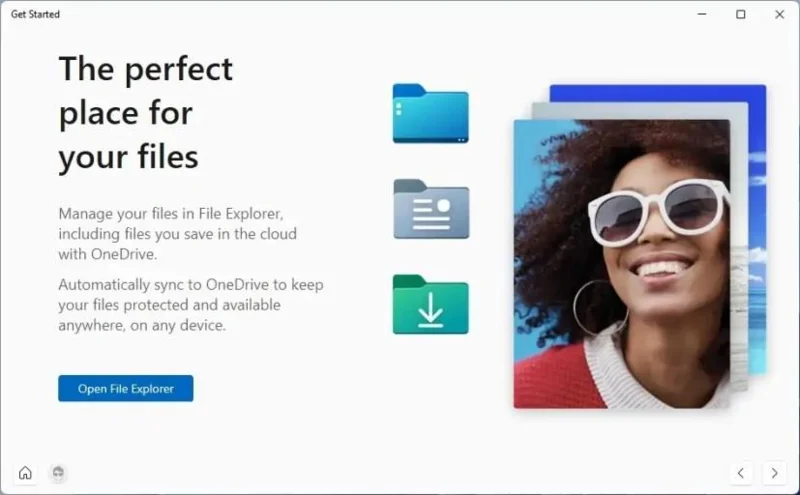
Windows 11 Get Started app
Tips
ヒントアプリも更新されました。Get Started に似たアプリですが、Windows 11 の使用方法をさらに学習するためのヒントが含まれています。アプリは以前のバージョンで利用可能でしたが、新しいデザイン言語に一致するインターフェイスを提供するようになりました。100 を超える新しいヒントが掲載されています。
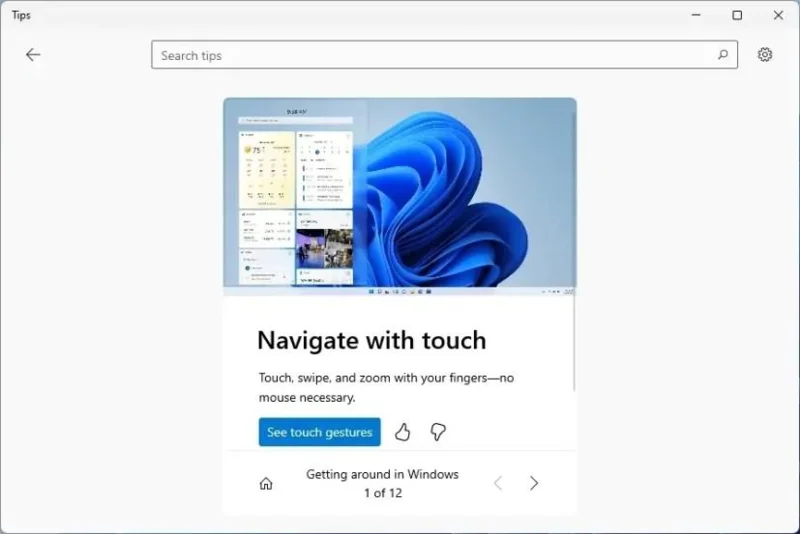
Windows 11 ヒント アプリ
電卓
電卓アプリもアップデートを受けています。新しいバージョンは C# で書き直されており、丸みを帯びた角と新しい素材を使用した Microsoft の新しいデザイン言語に従う新鮮な外観が導入されています。
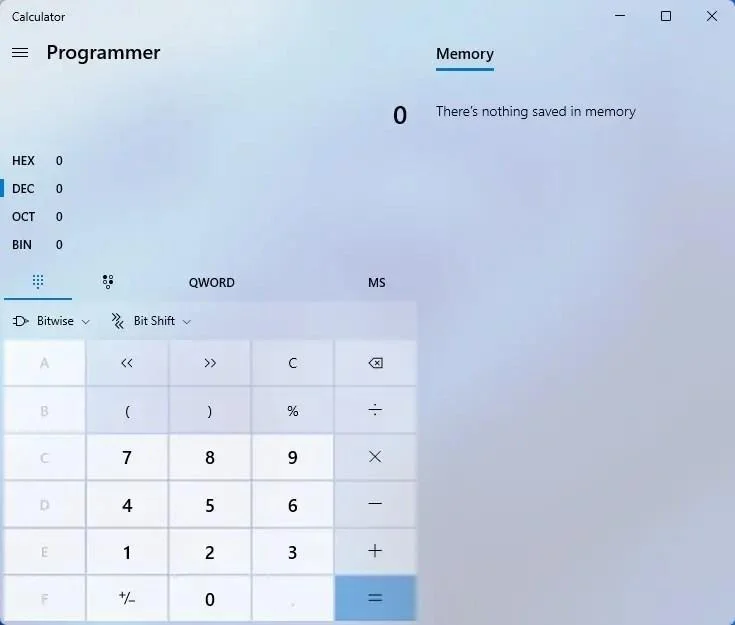
Windows 11 電卓アプリ
同社は、このバージョンでは、標準の電卓と強力な関数電卓のアプリをシンプルにすることに重点を置いています。
Also, Programmer Mode offers rich functionality that is essential for programming and engineering. Plot one or more equations in graphing mode and then analyze the graph to help identify key graph features, like the “x-” and “y-” intercepts. And you can now convert in more than 100 different units and currencies.
Clock
On Windows 11, the “Alarms & Clock” app becomes just “Clock,” and along with the new name, the app gets a new interface with rounded corners and semi-transparent materials. Also, this new version comes with Focus Sessions, which is meant to be a new way for users to focus on tasks and work.
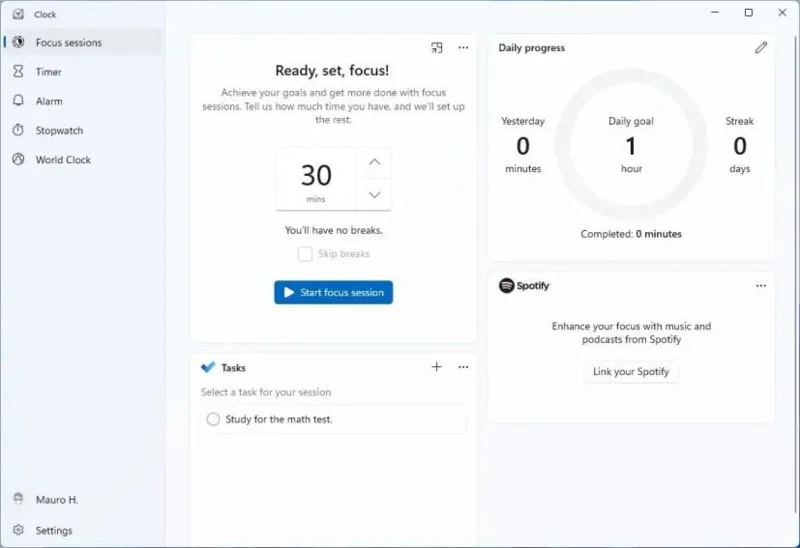
Clock with Focus sessions
Focus Sessions integrates with Spotify, allowing you to create sessions while playing your favorite music playlist to focus and get work done.
仕組みとしては、Alarms & Clock アプリを開き、左側のペインから [Focus Sessions] を選択します。次に、「Microsoft To-Do」タスクを選択し、Spotify プレイリストを選択し、タイマーを設定して、「フォーカス セッションの開始」ボタンをクリックします。
また、選択した時間範囲に応じて、多数の自動休憩が取られ、すべてのフォーカス セッションが右側の [毎日の進捗状況] セクションで追跡されます。
写真
新しい写真アプリには、会社が WinUI を使用して OS で推進しているのと同じ設計言語に従う最新のインターフェイスがあります。
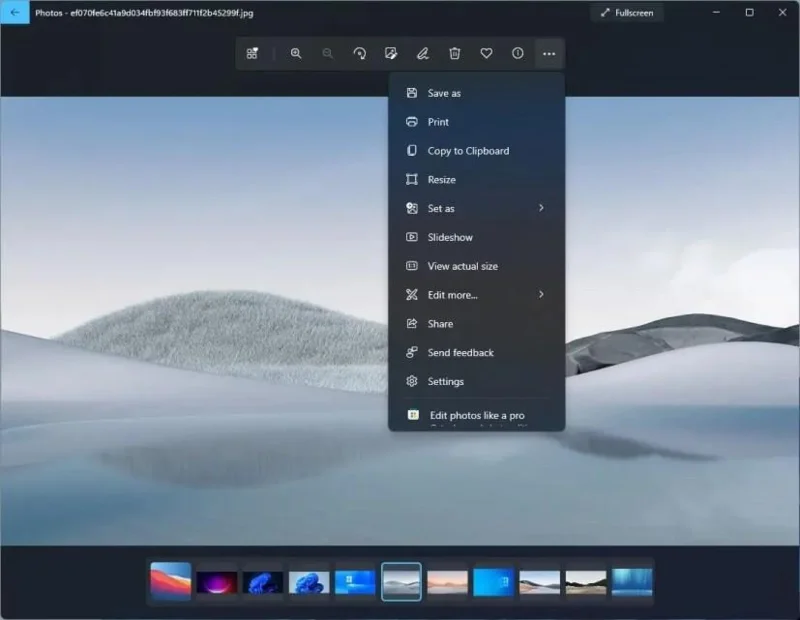
Windows 11 フォト アプリ
このアプリは、同じクラシックなルック アンド フィールを保持していますが、ユーザーが写真を整理および編集しやすくするための変更が含まれています。
「写真」には、コレクション、アルバム、人物、フォルダー、ビデオ エディターの 5 つのカテゴリが引き続きあります。画像を選択すると、アプリケーションのキャンバス全体が開き、フローティング要素からコマンドにアクセスできるようになります。下部のトレイには、選択して画像のグループを表示および編集できる追加の画像が表示されます。
コマンド バーには、画像に注釈を付けることができる「マークアップ」ツールが含まれるようになりました。
スニッピングツール
Microsoft は、従来のアプリケーションを削除する代わりに、最新の Snip & Sketch アプリと従来のSnipping Toolを組み合わせて、 Windows 11 でスクリーンショットを撮るための新しい単一のアプリケーションを作成しています。
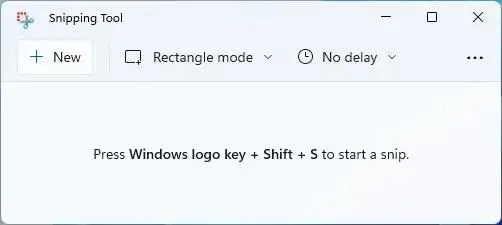
Windows 11 Snipping Tool アプリ
新しい Snipping Tool は従来のバージョンと同じ見慣れた外観を保持していますが、インターフェイスは Windows のビジュアル デザイン言語に合わせて最新化されています。
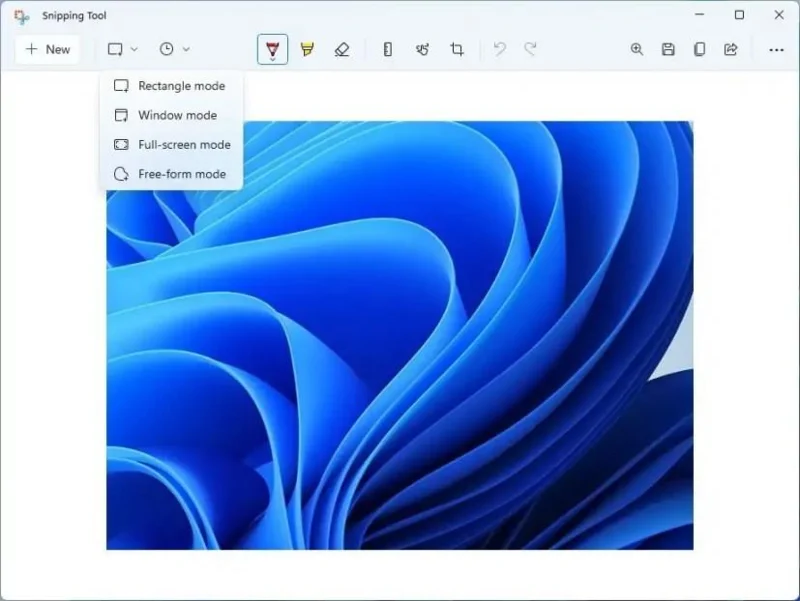
Snipping Tool エディタ
また、このアプリは切り取り & スケッチ アプリで利用できる最高の機能をもたらします。たとえば、新しいアプリを開くと、Windows 11 の視覚要素を備えた使い慣れたデザインが表示されます。また、スクリーンショットを撮ると、切り取り & スケッチ ツールを使用してスクリーンショットを編集し、注釈を付けることができます。
メール&カレンダー
Windows 11 には、新しいメール & カレンダーアプリケーションが含まれています。新しいアプリは、丸みを帯びた角やその他の視覚的な調整のみを統合していますが、以前のバージョンと実質的に同じままです.
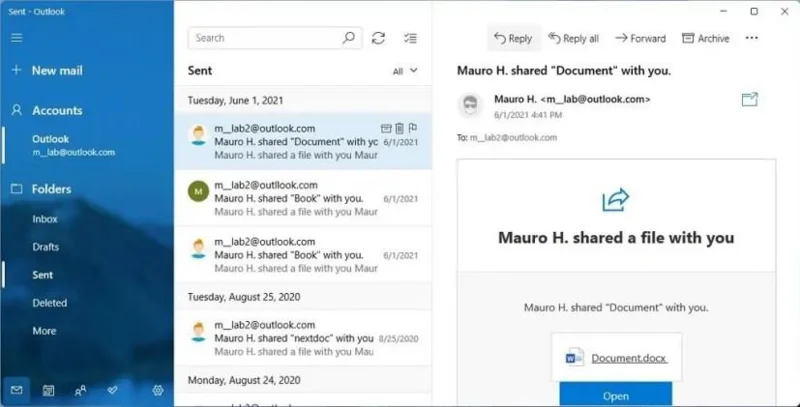
Windows 11 のメール アプリ
Microsoft Teams からのチャット
Microsoft も Teams を Windows 11 に統合していますが、これは完全なバージョンではありません。代わりに、この機能はMicrosoft Teams のチャットとして知られています。
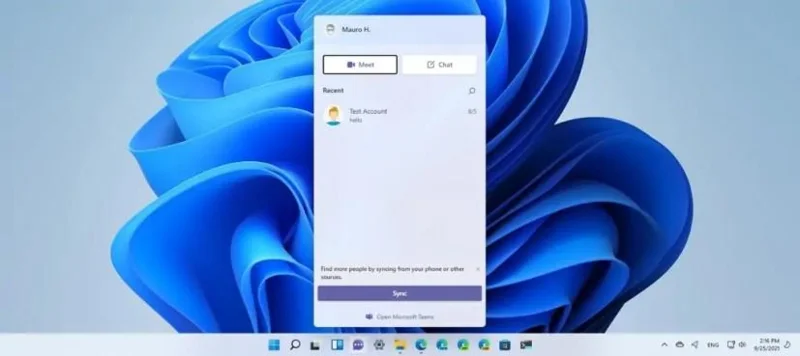
Microsoft Teams のチャット
この機能を使用すると、1 対 1 またはグループの音声およびビデオ通話を行うことができます。会議を作成して参加できます。マイクとカメラのオン/オフを切り替えることができます。優先するスピーカー、マイク、およびカメラを選択できます。画面を共有できます。会議の設定を管理したり、参加者のリストを表示したり、ロビーから会議の参加者を承認したり、チャットしたり、ギャラリー ビューで人々のビデオを表示したりできます。
この機能はタスクバーから便利に利用でき、Windows、iOS、Android などのプラットフォームに関係なく接続できます。
パワーオートメイト
Power Automateは、クリックやキーボード入力などのユーザー インターフェイス アクションを模倣して反復タスクを自動化することにより、Web およびデスクトップ アプリケーションを自動化できる新しいアプリです。
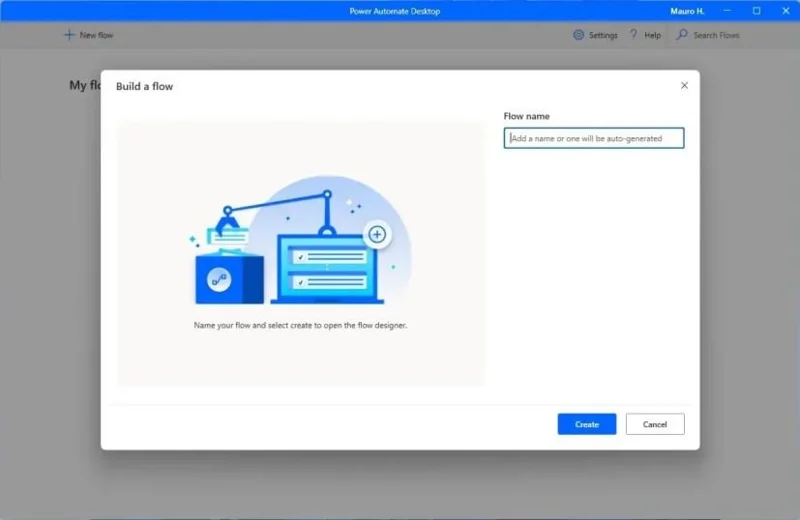
Windows 11 Power Automate アプリ
結論
全体として、Windows 11 は、切望されていたインターフェイス リフトを導入し、多くの新機能と改善を提供する、優れた新しいオペレーティング システムです。最新バージョンは非常に安定しているようで、Windows 10 をベースにしているため、ほとんどのドライバーとアプリケーションはこの新しいバージョンで動作するはずです。
ただし、このリリースにはいくつかの注意事項があります。たとえば、新しいデザイン言語に更新されていないメニューや要素など、エクスペリエンス全体で多くのインターフェイスの不整合が見られます。また、コントロール パネルや、タスク マネージャーやデバイス マネージャーなど、更新されなかった他のツールなど、多くのレガシー ツールが残っています。
ナビゲートしてタスクを実行するとき、Windows はより機敏で安定しているように感じますが、まだ多くの設計上のバグや不完全なものがあります。さらに、ロールアウトの初期段階では、Android アプリのサポートなどの多くの機能が Windows 11 に含まれません。
このリリースの重大な問題の 1 つは、大幅に新しいプロセッサとTPM 2.0 やセキュア ブートなどのセキュリティ機能を必要とするシステム要件の増加です。これにより、正常に動作する多くのコンピューターがアップグレードの機会を逃してしまいます。
すべての良い点と悪い点を考慮しながら、Windows 11の評価は 5 つ星中 3.5 つ星です。
2026年10月にニューヨーク市で庭づくりを計画しましょう。ニンニク、春咲き球根、耐寒性のある葉物野菜、室内ハーブ、霜対策、ニューヨーク州北部における週ごとの調整方法などを含めて説明します。
大阪府で2026年10月に始めやすい野菜・ハーブ・花を紹介。直まき、苗の定植、室内まきの選び方、平年気温と最新予報の違い、初霜への備え、週ごとの作業をまとめました。
中性洗剤とぬるま湯を使ってリテーナーケースを洗浄する方法、適切に乾燥させる方法、熱による損傷を避ける方法、そしてケースを交換すべき時期について学びましょう。
エンジンエアフィルターの点検と整備方法、清掃が適切な場合、交換の方が安全な場合、そして適切な再取り付けを確認する方法を学びましょう。
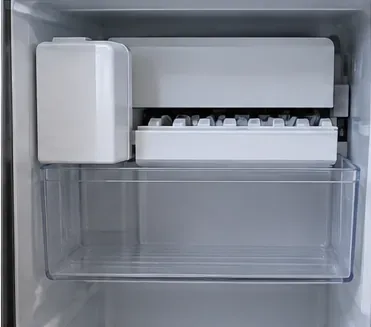
冷凍庫の製氷機を安全に清掃する方法を学びましょう。製氷容器、アクセス可能な製氷機表面、ディスペンサーシュート、乾燥、再組み立て、そして避けるべき間違いについて解説します。
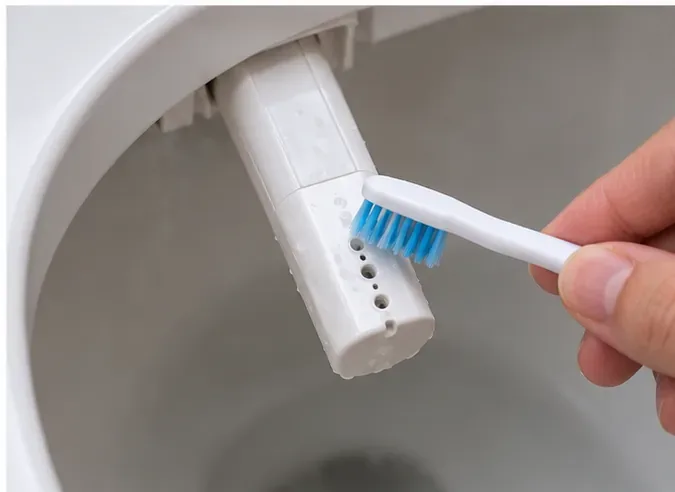
ビデのノズルを安全に洗浄する方法、セルフクリーニングの実際の仕組み、ミネラル分の蓄積への対処法、そしてお使いの機種に合った洗浄剤について学びましょう。
プールの砂ろ過器を安全に清掃する方法、逆洗が効果的だったかどうかを判断する方法、そしてより徹底的な清掃、修理、またはろ材の交換が必要となるタイミングについて学びましょう。
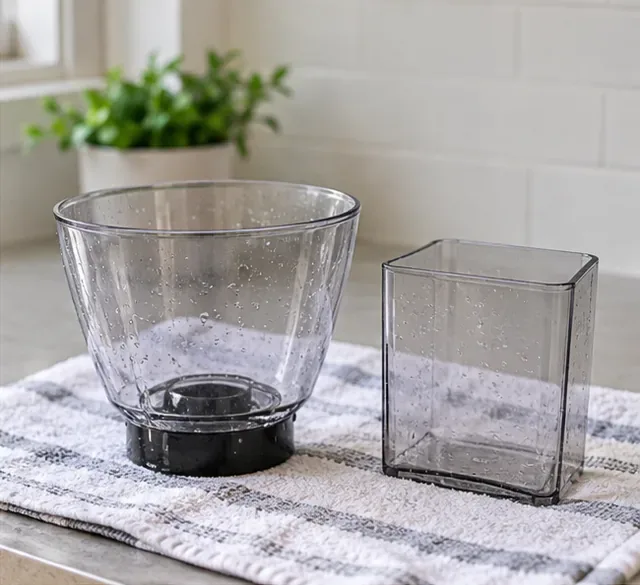
コーヒーグラインダーを安全に清掃する方法を学びましょう。刃の乾式ブラッシングから、取り外し可能な部品の洗浄、再組み立て、テスト、ブレードグラインダーの手入れまで、幅広く解説します。
乾いた接着剤を削り取る方法から、アセトンの慎重な使用、洗濯、乾燥前の生地の確認まで、衣類についたネイルグルーを安全に除去する方法を学びましょう。
衣類についたステッカーの跡を安全に除去する方法を学びましょう。低温処理や前処理から、溶剤の慎重な使用、洗濯、自然乾燥まで、様々な方法をご紹介します。