كيفية تنظيف علبة التقويم: روتين آمن وبسيط يجففها فعلاً
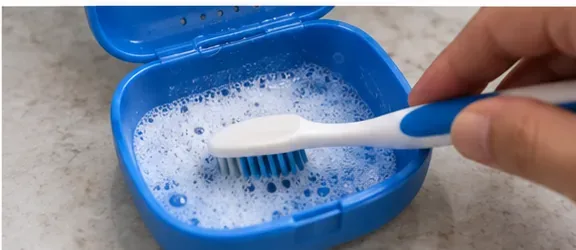
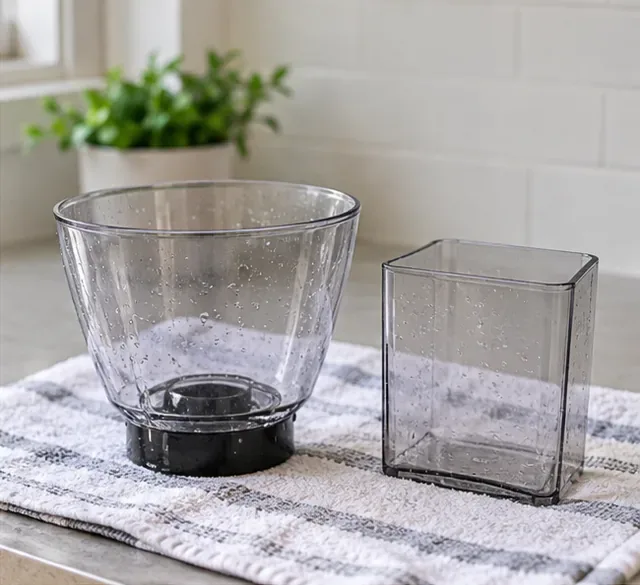
تعلم كيفية تنظيف علبة جهاز تقويم الأسنان باستخدام الصابون الخفيف والماء الفاتر، وتجفيفها بشكل صحيح، وتجنب الحرارة الضارة، ومعرفة متى يجب استبدال العلبة.
روبوتات الدردشة في Microsoft Teams ليست شيئًا جديدًا. وبينما تعد Chatbots مفيدة جدًا للمؤسسات التي تستخدمها للمساعدة والمعلومات الداخلية لموظفيها أو لعملائها.
ومع ذلك ، لم يكن من السهل إنشاءها وإدارتها. هذا على وشك التغيير قريبًا لأن Microsoft دخلت في شراكة مع أحدث مكون من Power Platform ، وكلاء Power Virtual Agents ، وهو نظام أساسي لروبوتات الدردشة منخفض التعليمات البرمجية.
يساعد Power Virtual Agents المؤسسات والمطورين في إنشاء روبوتات المحادثة بشكل أسهل
Power Virtual Agents هي خدمة chatbot تم إنشاؤها على نظام Microsoft Power الأساسي و Bot Framework.
وفقًا لمايكروسوفت ، يعد تطوير Power Virtual Agent أسهل كثيرًا ، لأنه يستخدم نهج واجهة رسومية موجَّهة بدون تعليمات برمجية.
هذا يجعل من السهل على الجميع إنشاء وكيل افتراضي ذكي والحفاظ عليه دون تعلم البرمجة.
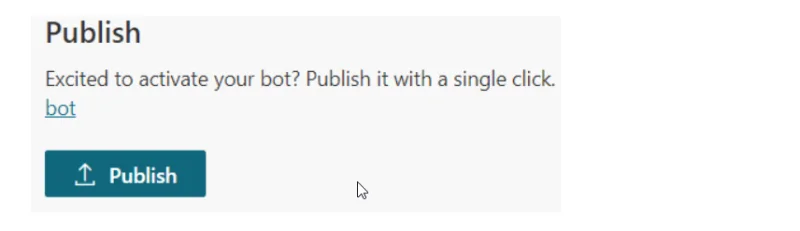
ستتمكن من إنشاء chatbot الخاص بك في مدخل Power Virtual Agents ، وبعد ذلك ، ستتمكن من دمجه مع Microsoft Teams فقط عن طريق الضغط على زر واحد.
إذا كنت مطورًا ، فقد نشرت Microsoft أيضًا وثائق حول كيفية إنشاء chatbot بالضبط.
كيف يعمل برنامج المحادثة Microsoft Teams؟
يصف مايكل تشاو ، كبير مديري البرامج في Microsoft مثالاً فعليًا للاستخدام في منشور مدونة :
An employee who has just joined Contoso asks a few questions related to office reopening, new employee orientation, and uploading documentation.
Then, he moves on to ask for support with special accommodations, specifically ergonomic furniture. The bot needs to connect him with an HR expert to understand the situation better.
The bot gathers some information to create a request ticket and submits it to the Onboarding channel in Teams where HR experts can see the request and handle it.
Since there is a longer than normal wait time today, the employee checks his request status with the bot to make sure it is still active.
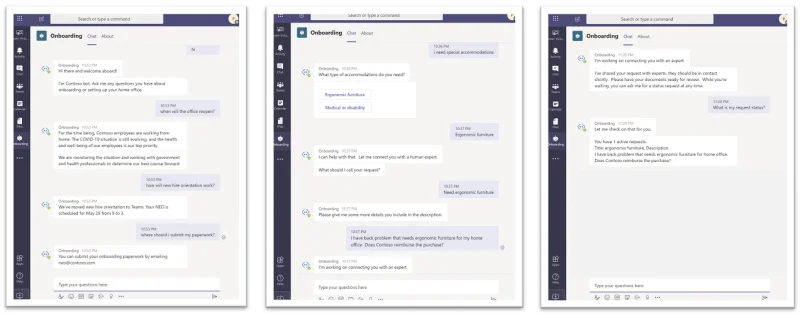
An onboarding expert sees the notification in the Expert assistance channel in Teams and reaches out to the employee. After helping the employee out, he returns to the Expert channel and closes the ticket.
The employee can also check the status of his requests again and confirm that it has been closed.
تعلم كيفية تنظيف علبة جهاز تقويم الأسنان باستخدام الصابون الخفيف والماء الفاتر، وتجفيفها بشكل صحيح، وتجنب الحرارة الضارة، ومعرفة متى يجب استبدال العلبة.
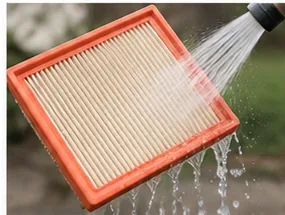
تعلم كيفية فحص وصيانة فلتر هواء المحرك، ومتى يكون التنظيف مناسبًا، ومتى يكون الاستبدال أكثر أمانًا، وكيفية التحقق من إعادة التركيب بشكل صحيح.
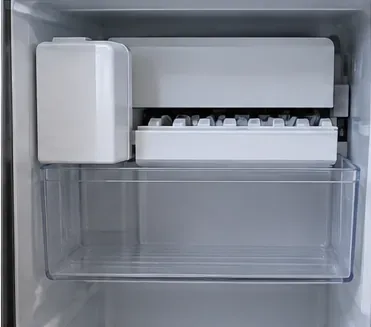
تعلم كيفية تنظيف صانع الثلج في المجمد بأمان، بما في ذلك حاوية الثلج، والأسطح التي يمكن الوصول إليها في صانع الثلج، وقناة التوزيع، والتجفيف، وإعادة التجميع، والأخطاء التي يجب تجنبها.
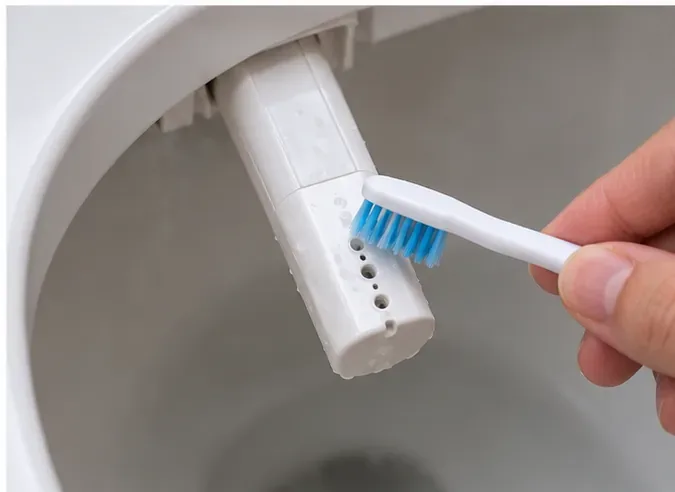
تعرف على كيفية تنظيف فوهة البيديه بأمان، وماذا تفعل خاصية التنظيف الذاتي حقًا، وكيفية التعامل مع تراكم المعادن، وأي المنظفات تعتمد على طرازك المحدد.
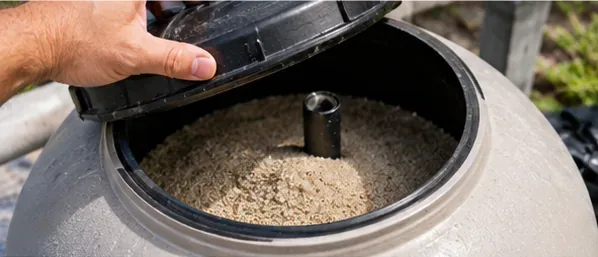
تعلم كيفية تنظيف مرشح رمل حمام السباحة بأمان، والحكم على ما إذا كانت عملية الغسيل العكسي ناجحة، ومعرفة متى يكون التنظيف العميق أو الإصلاح أو استخدام وسائط جديدة مبرراً.
تعلم كيفية تنظيف مطحنة القهوة بأمان، بدءًا من تنظيف الشفرات بالفرشاة الجافة وحتى غسل الأجزاء القابلة للإزالة وإعادة التجميع والاختبار والعناية بشفرات المطحنة.
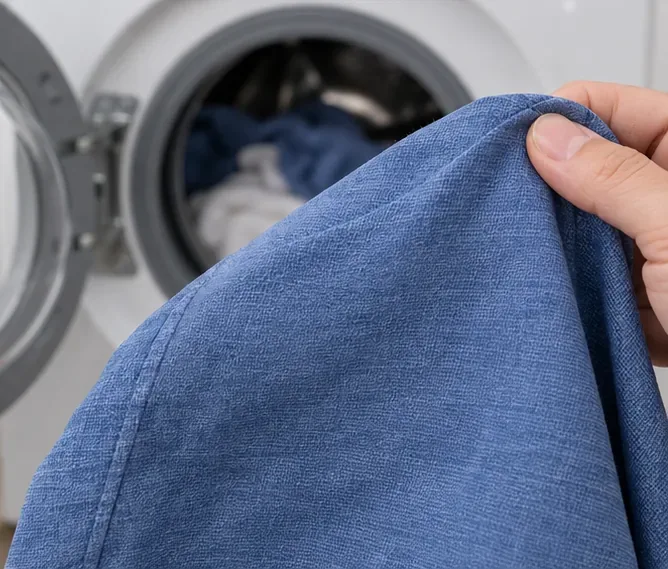
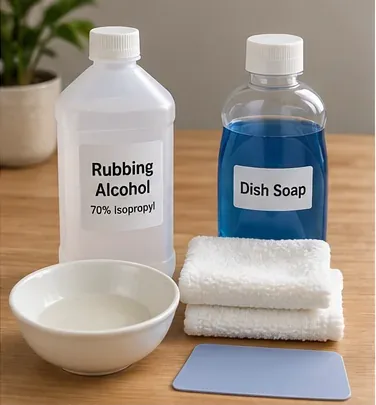
تعلم كيفية إزالة غراء الأظافر من الملابس بأمان، بدءًا من كشط الغراء الجاف وحتى استخدام الأسيتون بحذر، والغسيل، وفحص القماش قبل التجفيف.
Learn how to remove sticker residue from clothes safely, from cold treatment and pretreating to careful solvent use, washing, and air-drying.
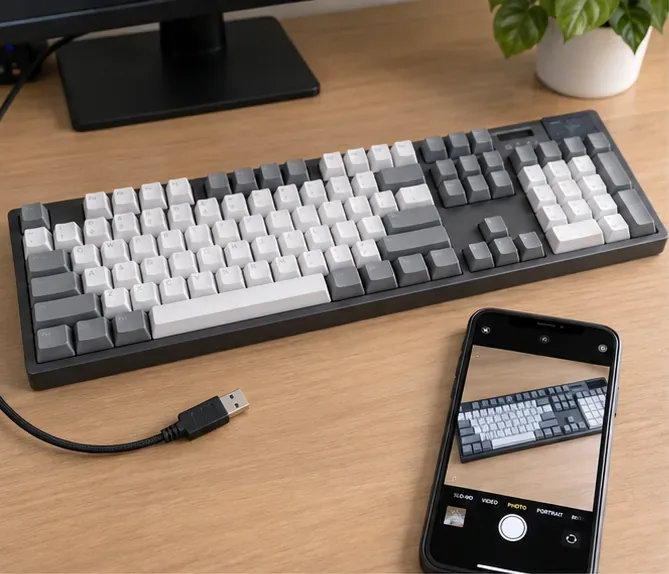
تعلم كيفية تنظيف لوحة المفاتيح الميكانيكية بأمان، بما في ذلك أغطية المفاتيح القابلة للإزالة، والغبار، والأوساخ، والتجفيف، وإعادة التجميع، ومتى تتوقف وتتحقق من الدليل.
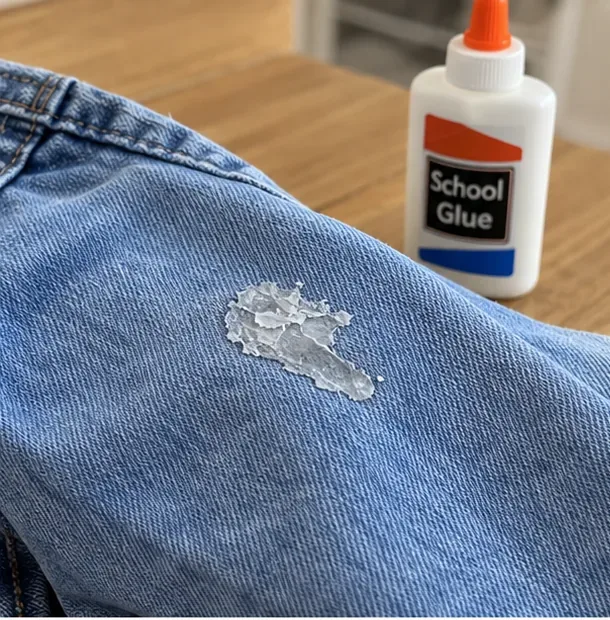
تعلم كيفية إزالة الغراء عن الملابس باستخدام طرق لطيفة أولاً، ومتى يجب اللجوء إلى الغراء الساخن أو الغراء الفائق، وكيفية فحص القماش قبل التجفيف.